 EN
EN


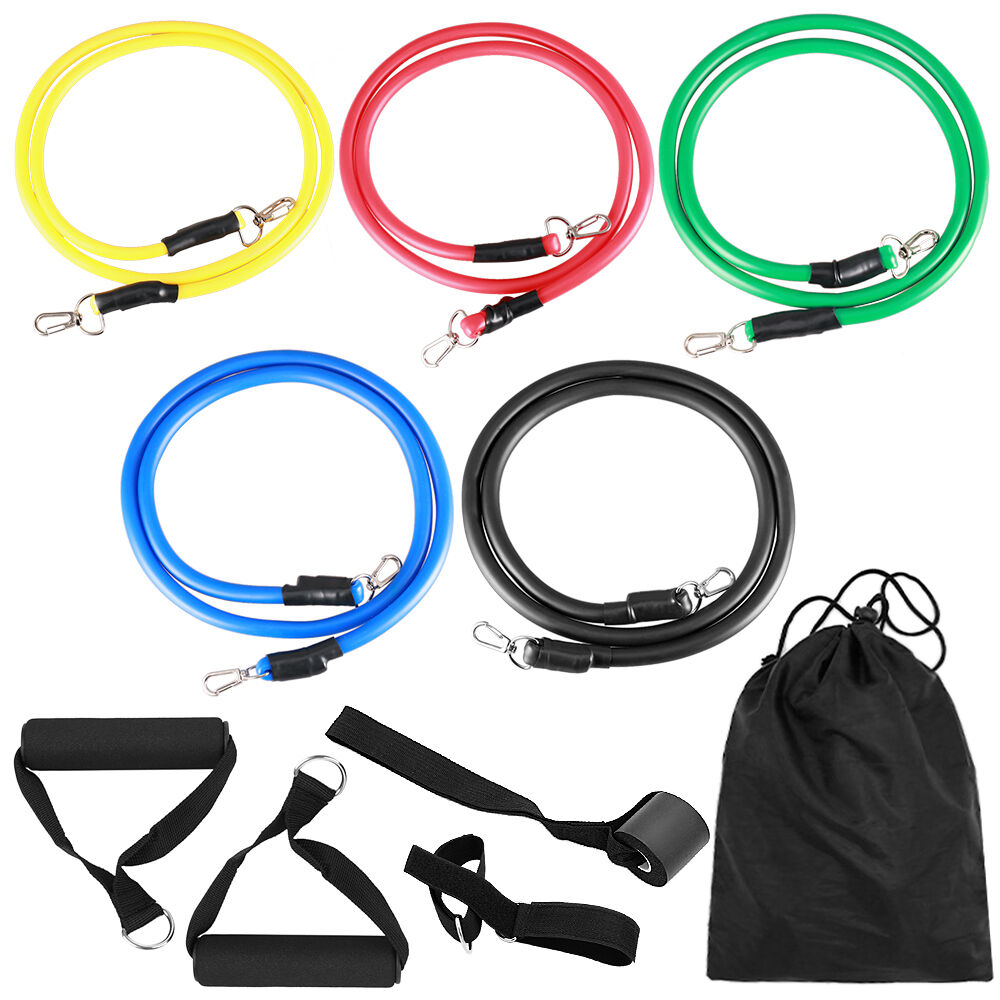
Wholesale buyers are no longer treating resistance tubes as a seasonal accessory line. Across commercial fitness, rehabilitation distribution, sports training programs, and home-use retail channels, resistance tubes have moved into a stable, repeat-purchase category with more predictable volume cycles. The global demand pattern is shifting from opportunistic sourcing to planned procurement, and that shift is changing how importers, distributors, and private-label operators evaluate resistance tubes.
What matters now is not only whether demand is rising, but how wholesale demand for resistance tubes is changing by application, channel, and buying behavior. Buyers are paying closer attention to resistance levels, bundle logic, material consistency, packaging flexibility, and restocking speed. This means suppliers and sourcing teams that understand the new demand mechanics for resistance tubes can forecast better, reduce stock pressure, and align product strategy with real market movement.
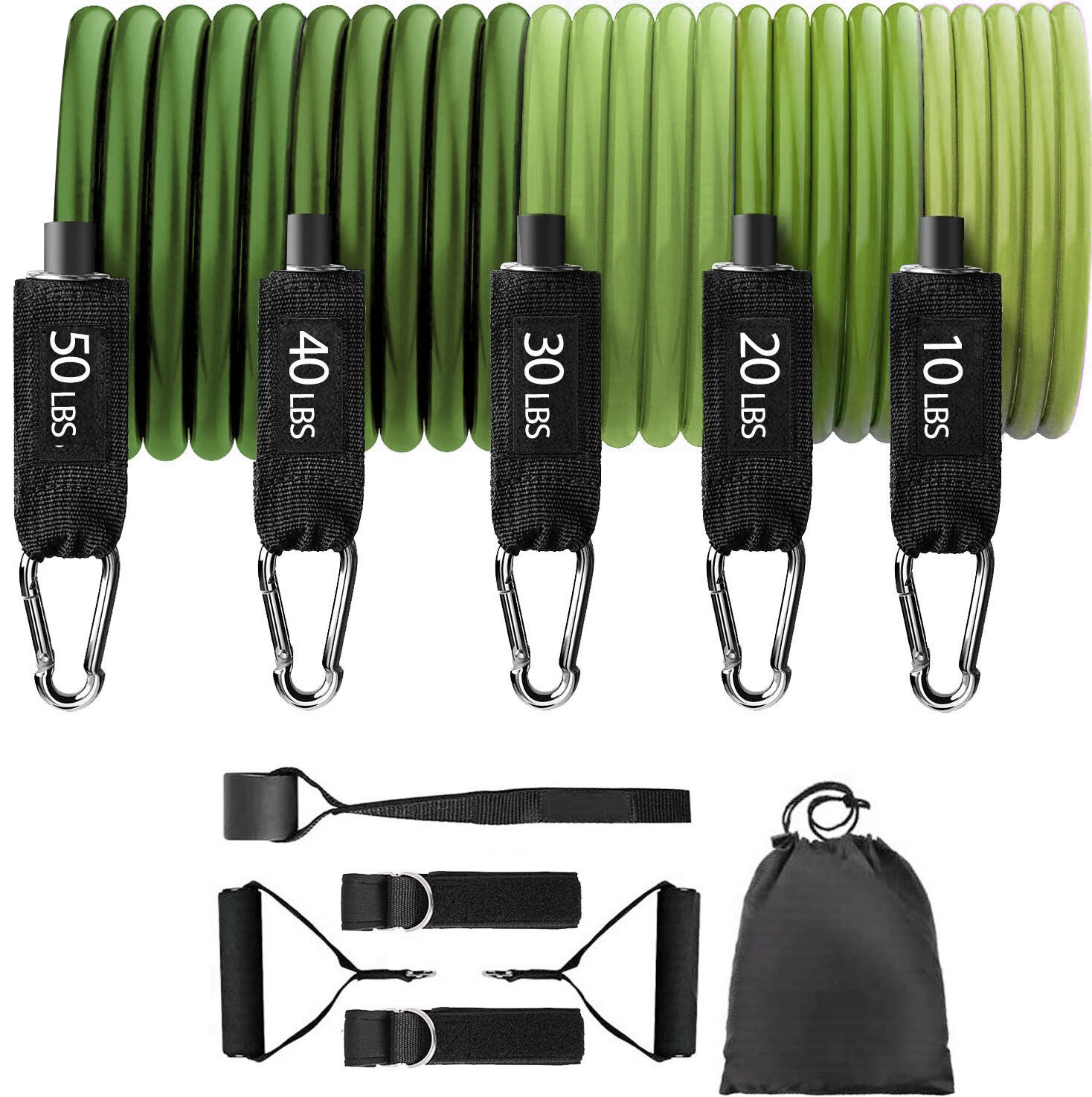
Global demand structure for resistance tubes is shifting from volume-only to use-case precision
Commercial and institutional buyers are segmenting resistance tubes by training purpose
A few years ago, many wholesale orders grouped resistance tubes into broad strength-training inventory. Today, procurement teams increasingly split resistance tubes into targeted use categories such as mobility warm-up, rehabilitation progression, athletic power support, and general home conditioning. This segmentation affects not only color and tension mix, but also handle style, tube diameter, and accessory inclusion.
As a result, demand for resistance tubes is becoming less generic and more specification-driven. In practical terms, this means buyers are placing fewer one-size-fits-all orders and more structured assortments. The wholesale signal is clear: resistance tubes with defined use intent move faster than undifferentiated stock.
Distributors serving therapists and performance coaches also report stronger repeat patterns when resistance tubes are presented as progression systems instead of isolated items. That behavior changes reorder cadence because end users return for complete sets and replacement levels rather than random single units.
Regional channel growth is creating uneven but stronger demand for resistance tubes
Worldwide demand is growing, but not in a uniform line. Some regions are seeing rapid expansion through digital commerce and direct-to-consumer bundles, while others are driven by gyms, rehabilitation providers, and education-based sports programs. For wholesale planners, this means resistance tubes demand should be modeled by channel mix rather than by broad geography alone.
In channels where content-led selling is strong, buyers prefer resistance tubes in complete kits with door anchors, handles, and carry bags. In channels led by professional procurement, resistance tubes are often sourced in modular forms to support internal program design. Both patterns are expanding globally, but at different speeds.
This uneven growth is still positive for wholesalers because it broadens total addressable demand. The key is matching resistance tubes format to the right route to market rather than assuming one universal SKU strategy.
What is driving the new wholesale purchasing behavior for resistance tubes
Post-pandemic training habits turned resistance tubes into staple inventory
End-user behavior changed permanently when flexible training became normal. Even as facility attendance recovered, many consumers and professionals kept mixed training models that include studio sessions, travel workouts, and at-home routines. Resistance tubes fit this model because they are portable, scalable, and easy to integrate with bodyweight programs.
For wholesale buyers, this created a structural demand layer rather than a short spike. Resistance tubes are now treated more like recurring fitness essentials, similar to mats or basic recovery tools, instead of temporary substitutes. This stability supports longer-term contracts and smoother replenishment planning.
Because usage frequency is high, replacement demand also matters. Reorders for resistance tubes increasingly come from wear-and-refresh cycles, not only from first-time category entry. That is a major reason wholesale demand remains active even when macro retail sentiment fluctuates.
Procurement teams now evaluate resistance tubes through margin, return-rate, and logistics lenses
The current sourcing mindset is practical. Buyers want resistance tubes that can hold retail margin without increasing return risk from inconsistency, odor complaints, accessory failure, or unclear resistance labeling. This has pushed more detailed pre-shipment checks and clearer specification sheets into standard purchasing workflows.
Logistics efficiency also influences demand direction. Resistance tubes with compact packaging and predictable carton utilization are more attractive for cross-border distribution because they reduce landed-cost variability. In many wholesale programs, packaging design now impacts reorder probability almost as much as product appearance.
This explains why demand is consolidating around suppliers that can present resistance tubes with stable quality control, transparent tolerance ranges, and customizable pack architecture. Buyers are no longer choosing only by unit price; they are optimizing total channel performance.
How product configuration trends are reshaping resistance tubes demand worldwide
Set architecture is becoming a primary demand factor for resistance tubes
Single-tube SKUs still sell, but multi-piece systems are expanding faster in many wholesale channels. Buyers increasingly request resistance tubes arranged by progressive load paths, so users can move from lower to higher tension without confusion. This approach improves customer experience and supports stronger review performance in digital channels.
A practical example is the growing preference for balanced sets that include several resistance levels plus core accessories. These bundled resistance tubes reduce decision friction for end users and simplify merchandising for distributors. They also allow better average order value performance without introducing complex product education at point of sale.
Many sourcing teams studying demand shifts are now benchmarking against a complete-kit format such as resistance tubes configurations that support broad training scenarios from mobility to strength endurance. The market trend favors this practical, program-ready structure.
Material consistency and safety perception now influence repeat demand for resistance tubes
Wholesale demand increasingly rewards resistance tubes that deliver consistent feel across batches. End users may not measure exact force curves, but they quickly notice when nominally similar tubes behave differently. Inconsistent tactile response leads to lower retention and more customer support friction.
Buyers are also focused on safety perception, including connector integrity, handle comfort, and visible finishing quality. In professional channels, resistance tubes are often used repeatedly by multiple users, so durability confidence has direct operational value. This drives recurring demand toward products with reliable construction and documented testing routines.
As these quality expectations rise, the wholesale market for resistance tubes is separating into tiers. High-trust products gain reorder momentum, while low-clarity products face shorter life cycles even when initial pricing looks attractive.
How wholesalers can adapt planning and sourcing to changing resistance tubes demand
Forecast resistance tubes demand by application cluster, not by one global average
The most effective planning models treat resistance tubes demand as several micro-markets operating at once. Rehabilitation buyers, performance training buyers, and home-fitness resellers each respond to different triggers. Combining them into a single forecast often causes overstock in one segment and missed sales in another.
A stronger method is to track resistance tubes by use-case cluster, expected replacement cycle, and channel seasonality. This gives clearer visibility into which SKUs should be held as base inventory and which should remain flexible through make-to-order or short-run replenishment.
Wholesalers using this logic usually improve service levels while reducing dead stock risk. In a market where resistance tubes evolve through configuration and positioning, precision forecasting is now a competitive necessity.
Build sourcing programs that align resistance tubes with lifecycle management
Since demand is increasingly repeat-driven, lifecycle planning should start at sourcing stage. That means selecting resistance tubes with clear replacement logic, consistent labeling, and packaging that supports easy SKU continuity over time. Buyers that maintain visual and performance continuity often retain customers through multiple reorder cycles.
It also helps to maintain a structured update rhythm. Rather than frequent disruptive redesigns, successful wholesalers make controlled improvements to resistance tubes in grip comfort, accessory quality, and instruction clarity while preserving core familiarity. This keeps existing users confident and reduces transition friction for channel partners.
Finally, demand volatility is easier to manage when procurement contracts include quality checkpoints and flexible production windows. For resistance tubes, consistency and adaptability together are now more valuable than aggressive price compression alone.
FAQ
Is global demand for resistance tubes still increasing or has it stabilized?
Global demand for resistance tubes is increasing in many channels, but the pattern is more structured than before. Instead of one broad surge, growth is coming from multiple stable segments such as rehabilitation, hybrid fitness, and institutional training. This makes demand more dependable for wholesalers that segment their planning correctly.
Why are complete sets of resistance tubes gaining more wholesale traction than single pieces?
Complete sets of resistance tubes simplify buyer decisions and improve end-user adoption because progression is built in. They also support stronger merchandising and higher average order value in both online and offline channels. For many distributors, set-based resistance tubes reduce return risk by aligning expectations more clearly.
What is the biggest sourcing risk in the current resistance tubes market?
The biggest risk is inconsistency across batches of resistance tubes, especially in tension feel and component durability. Even small variations can weaken customer trust and damage repeat sales. Wholesalers reduce this risk by enforcing clear specifications, validation samples, and stable production controls.
How should a B2B buyer decide inventory depth for resistance tubes?
Inventory depth for resistance tubes should be tied to channel behavior, replacement cycles, and use-case segmentation rather than a single demand estimate. Core configurations with steady reorder history should be stocked deeper, while niche variants can run on agile replenishment. This balance supports service reliability without overcommitting working capital.
Table of Contents
- Global demand structure for resistance tubes is shifting from volume-only to use-case precision
- What is driving the new wholesale purchasing behavior for resistance tubes
- How product configuration trends are reshaping resistance tubes demand worldwide
- How wholesalers can adapt planning and sourcing to changing resistance tubes demand
-
FAQ
- Is global demand for resistance tubes still increasing or has it stabilized?
- Why are complete sets of resistance tubes gaining more wholesale traction than single pieces?
- What is the biggest sourcing risk in the current resistance tubes market?
- How should a B2B buyer decide inventory depth for resistance tubes?