 EN
EN


Anyone who has ever held a low lunge or a plank on a hard floor knows that joint discomfort can turn a peaceful practice into a painful experience. The question of whether a yoga mat can genuinely reduce pressure on knees and elbows is not just theoretical — it is a practical concern for millions of practitioners who spend significant time in floor contact poses. The short answer is yes, but the degree of relief depends heavily on the specific yoga mat you choose and how it is used.
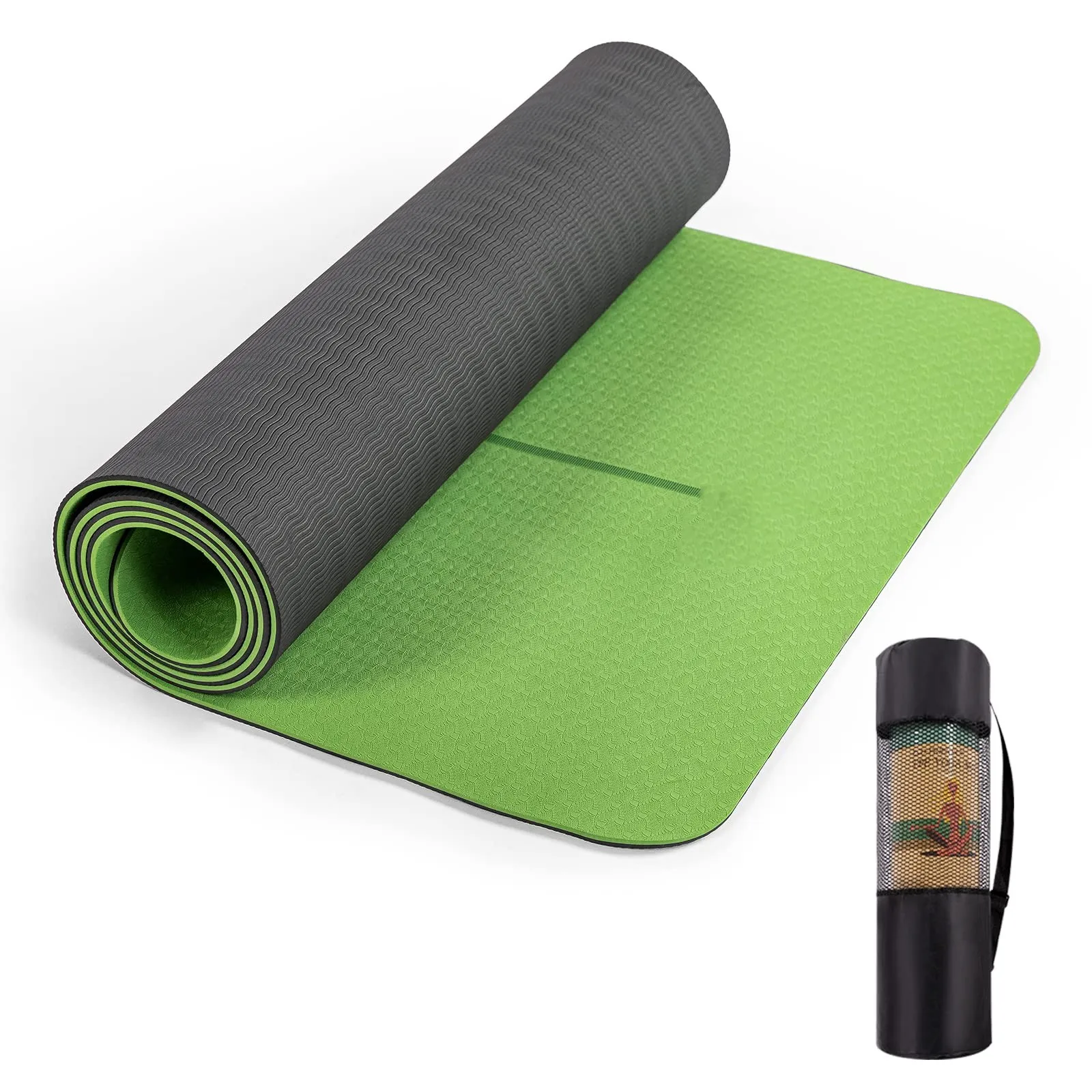
A yoga mat serves as the primary interface between your body and the ground. When pressure-sensitive joints like the knees and elbows are in direct contact with a yoga mat, the mat's physical properties — particularly its thickness, density, and surface texture — determine how much force is absorbed versus transmitted to the joint. Understanding these properties helps practitioners make smarter choices about the yoga mat they practice on every single session.
How a Yoga Mat Absorbs Joint Pressure
The Role of Thickness in Cushioning
Thickness is the most immediate variable when evaluating a yoga mat for joint support. A standard yoga mat typically measures around 3mm to 4mm, which is sufficient for standing poses but often inadequate for extended kneeling or elbow-bearing positions. A yoga mat in the 6mm range provides meaningfully greater cushioning by creating more compressible material between the bony prominence of the knee or elbow and the hard floor beneath. This extra depth allows the yoga mat to deform under load, distributing pressure across a wider surface area rather than concentrating it on a single point.
It is important to understand that a thicker yoga mat does not simply feel softer — it mechanically redirects force. When you place your knee on a yoga mat, the mat compresses and expands laterally, spreading the load. This pressure-distribution effect is precisely what reduces localized stress on the patella, the tibial tuberosity, and the olecranon of the elbow. A yoga mat that compresses too quickly or bottoms out against the floor loses this advantage entirely, which is why density and material quality matter just as much as raw thickness.
Material Density and Energy Absorption
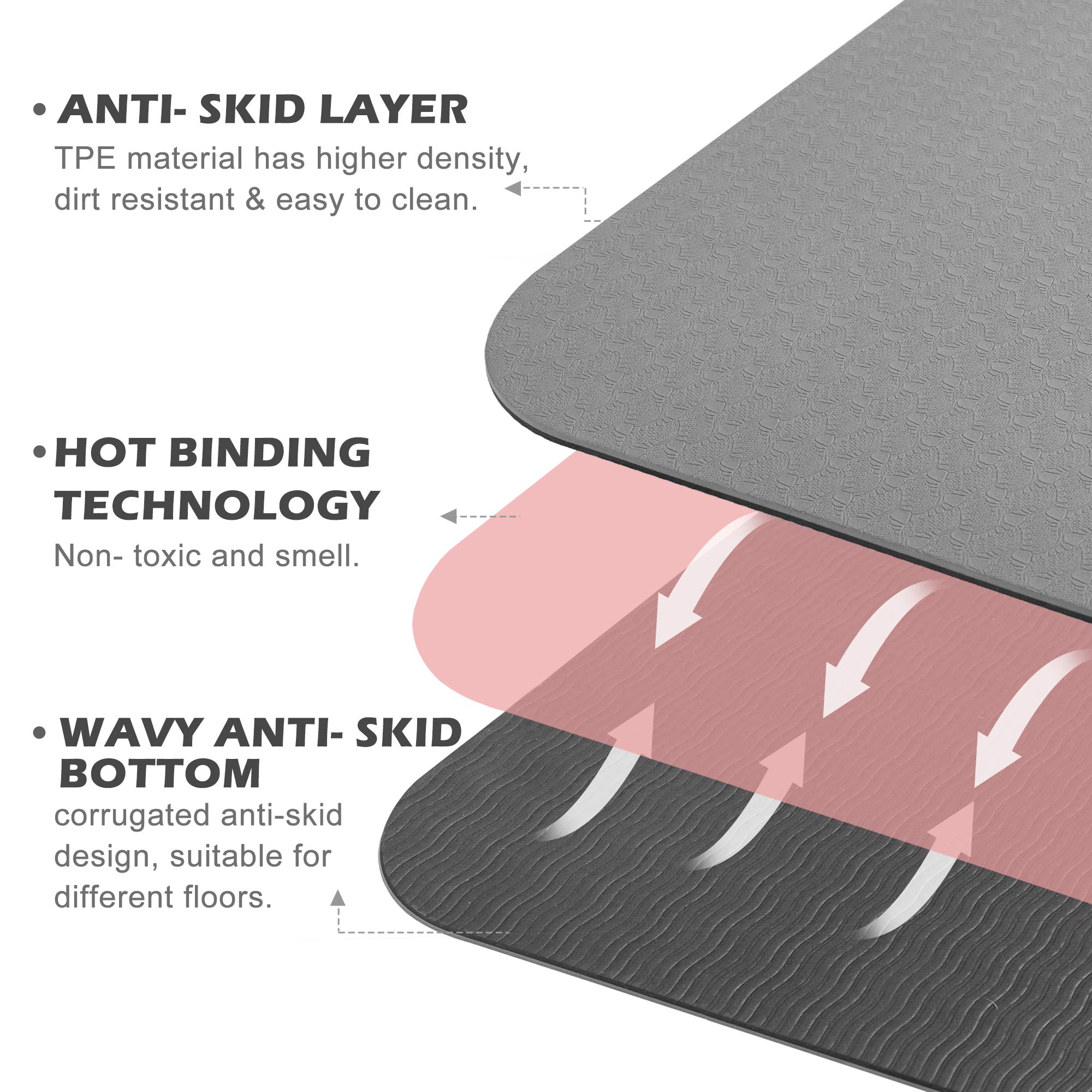
The material composition of a yoga mat directly influences its ability to absorb and dissipate energy from impact and sustained load. TPE, or thermoplastic elastomer, is one of the more effective materials for this purpose because it offers a balanced combination of firmness and resilience. A TPE yoga mat maintains its cushioning properties over repeated sessions without flattening permanently, which is a common problem with lower-density foam yoga mat options. Closed-cell construction in a quality yoga mat also prevents moisture absorption, keeping the surface hygienic and maintaining the mat's structural integrity over time.
Knee and Elbow Vulnerability During Yoga Practice
Why These Joints Are Most at Risk
The knee and elbow are both hinge joints with relatively limited natural padding compared to larger muscle-surrounded joints like the hip. During common yoga sequences such as Cat-Cow, Child's Pose, Downward Dog transitions, and Chaturanga, these joints bear concentrated body weight directly against the floor. Without an adequate yoga mat, the hard surface creates a high-pressure zone at the exact point of contact, which over time can contribute to bursitis, bruising, and chronic irritation of the surrounding tendons and ligaments. Using a yoga mat specifically designed with sufficient thickness and the right material profile significantly lowers this risk.
Elbow pressure is particularly common during forearm plank, dolphin pose, and any forearm-balance preparation. In each of these positions, the practitioner's body weight converges at the elbow joint. A quality yoga mat with a non-slip surface is essential here not only for cushioning but for preventing unintended sliding that forces the joint to stabilize compensatorily, adding further stress. The grip quality of the yoga mat surface therefore plays a dual role in joint protection during these movements.
Cumulative Stress and Repetitive Practice
Even low-level pressure, when repeated across dozens of sessions per month, accumulates into significant mechanical stress on joint tissues. A yoga mat that adequately cushions each session may not eliminate joint fatigue entirely, but it meaningfully reduces the per-session load. Practitioners who train daily or teach multiple classes benefit the most from choosing a yoga mat optimized for sustained contact comfort. The yoga mat essentially acts as a passive protective device, consistently absorbing micro-impacts that would otherwise register in the cartilage and bursal sacs of the knee and elbow.
Selecting the Right Yoga Mat for Joint Protection
Thickness, Grip, and Stability Trade-Offs
Choosing a yoga mat for joint protection involves balancing several competing factors. A very thick yoga mat may offer excellent cushioning but can reduce proprioceptive feedback in standing balance poses, making it harder to feel the floor beneath the feet. The practical sweet spot for most practitioners concerned with knee and elbow comfort sits around 6mm, where a yoga mat provides genuine cushioning without dramatically compromising stability. This thickness allows the yoga mat to support sensitive joints during floor work while still providing enough firmness for standing sequences and transitions.
Non-slip performance is another critical consideration when selecting a yoga mat for joint health. A yoga mat that slides during weight-bearing movements forces muscles and joints to work harder to maintain alignment, increasing stress on the very joints you are trying to protect. Look for a yoga mat with textured surfaces on both the top and bottom — a feature that keeps the yoga mat anchored to the floor while also providing traction for hands and forearms.
Eco-Friendly Materials and Long-Term Performance
For practitioners who use a yoga mat frequently, material longevity matters. A yoga mat made from eco-conscious materials like TPE maintains consistent cushioning over hundreds of sessions without the structural degradation common in lower-grade PVC yoga mat alternatives. An ISO-certified yoga mat guarantees that the manufacturing process meets recognized quality standards, giving practitioners confidence in both performance and safety. Investing in a well-constructed yoga mat is ultimately an investment in joint health, reducing the likelihood of practice-related injury over the long term. Every session on a quality yoga mat is one fewer session exposing your knees and elbows to unmitigated floor pressure.
FAQ
Does a thicker yoga mat always mean better knee protection?
A thicker yoga mat generally offers better cushioning for the knees, but thickness alone is not the only factor. The density and material of the yoga mat determine how effectively it absorbs pressure. A low-density yoga mat may compress fully under knee weight and provide no real protection, while a medium-thickness yoga mat made from high-quality TPE may outperform it significantly.
Can I use a yoga mat specifically for knee and elbow support in non-yoga exercises?
Yes. A quality yoga mat is versatile enough to cushion joints during bodyweight training, pilates, stretching, and general floor-based fitness. Any exercise that involves kneeling, forearm work, or prolonged ground contact benefits from the pressure distribution a well-made yoga mat provides. The yoga mat's non-slip surface also ensures safety during dynamic movements outside traditional yoga sequences.
How do I know if my yoga mat is providing enough cushioning for my joints?
If you feel noticeable discomfort or residual soreness in your knees or elbows after practice, your yoga mat may not be providing adequate joint support. Testing the yoga mat by pressing a knuckle firmly onto the surface and feeling whether the floor is still perceptible through the mat is a simple check. If you can feel the hard surface below, a thicker or denser yoga mat is likely needed for effective joint protection.