 EN
EN


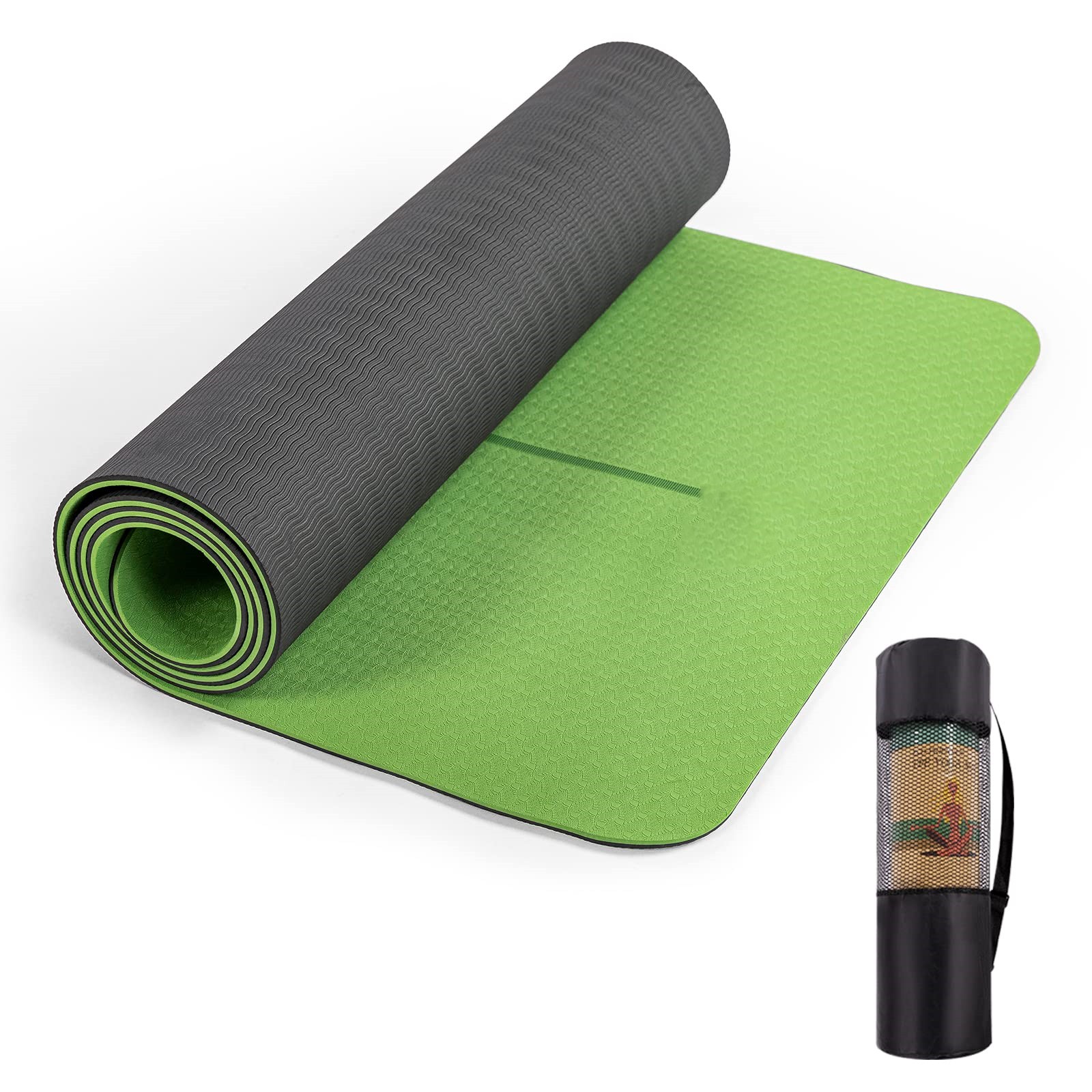
When it comes to home and gym workouts, safety is often an afterthought — until someone slips, loses balance, or sustains a preventable injury. A quality yoga mat is one of the most practical tools for reducing workout slippage and creating a stable, controlled exercise environment. Whether you practice yoga, pilates, HIIT, or general stretching, the surface beneath you directly influences how safe and effective every movement becomes.
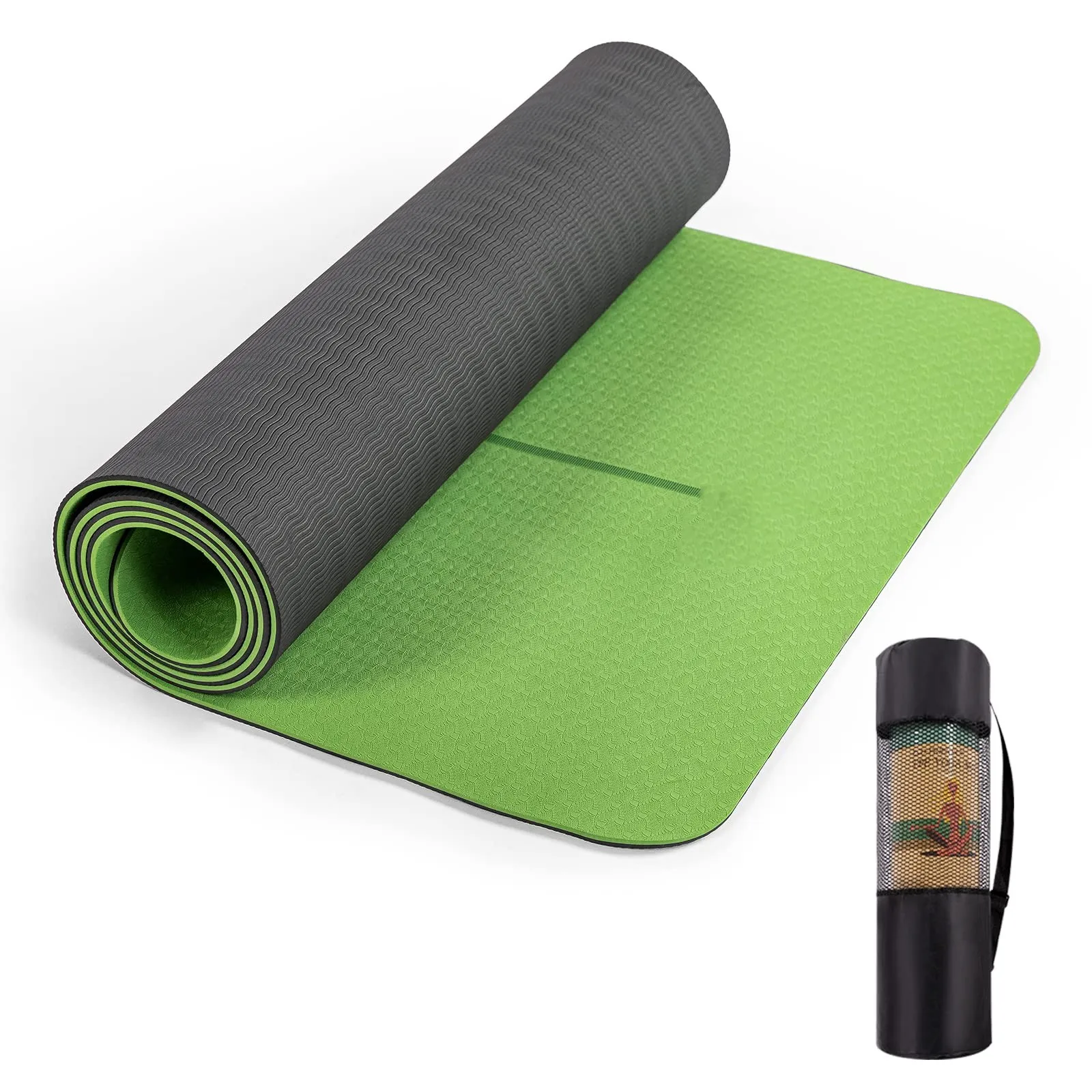
The short answer is yes — a yoga mat can absolutely improve safety by reducing workout slippage. But not every yoga mat performs equally well in this role. Understanding the specific features that contribute to slip resistance, stability, and injury prevention will help you choose the right yoga mat for your training needs and environment.
How a Yoga Mat Reduces Slippage During Exercise
Surface Texture and Grip Technology
The primary way a yoga mat improves safety is through its surface texture. A well-designed yoga mat features a textured or patterned top layer that creates friction between the mat and your hands, feet, or knees. This friction prevents unintended movement during poses or exercises that place significant lateral or downward force on the body. Without a yoga mat, smooth flooring — such as hardwood, laminate, or tile — offers very little grip, making slippage almost inevitable during dynamic or weight-bearing movements.
High-quality yoga mat products use materials such as TPE (thermoplastic elastomer) or natural rubber, which are engineered to maintain grip even when the surface becomes slightly moist from perspiration. A yoga mat built from TPE is particularly valued because it combines softness with firm surface traction, ensuring that each movement remains anchored and controlled. When your yoga mat holds firmly against the floor while simultaneously gripping your body, the risk of slipping is significantly reduced.
Bottom Layer Stability Against the Floor
A yoga mat works on two surfaces simultaneously: the top layer contacts your body, while the bottom layer contacts the floor. For a yoga mat to genuinely reduce slippage, both layers must perform their function. The underside of a quality yoga mat is typically designed with a non-slip texture that prevents the entire yoga mat from sliding across the floor during intense or fast-paced movements. This dual-grip design is what makes a yoga mat a reliable safety tool rather than just a comfort layer. If a yoga mat slides freely on your floor, the grip on the top surface becomes meaningless.
The Role of Thickness and Cushioning in Injury Prevention
Absorbing Impact to Protect Joints
Safety is not only about grip — it also involves protecting your joints from repetitive impact stress. A yoga mat with adequate thickness absorbs the shock generated during movements like lunges, squats, kneeling stretches, and floor-based exercises. A yoga mat that is too thin provides minimal cushioning, which can cause discomfort or even injury to the knees, wrists, elbows, and spine over time. A yoga mat in the range of 6mm thickness is widely regarded as a practical balance between cushioning and stability, offering enough padding to protect vulnerable joints without creating an unstable, spongy surface.
The material density of a yoga mat also plays a critical role. A yoga mat made from high-density foam or TPE retains its shape under pressure, meaning the cushioning effect does not compress completely when bodyweight is applied. This consistent support from a reliable yoga mat helps maintain proper body alignment throughout a session, which is itself a key factor in preventing strain injuries.
Defining the Safe Exercise Zone
Beyond physical cushioning, a yoga mat serves as a clear visual and spatial boundary for your workout. When you exercise on a yoga mat, you instinctively adjust your movements to stay within the mat's edges. This spatial awareness reduces the chance of accidentally stepping off onto a slippery floor mid-exercise. A yoga mat essentially defines your safe training zone, keeping your footwork disciplined and your transitions controlled. For beginners especially, the presence of a yoga mat builds confidence by establishing a consistent, predictable surface that responds the same way every session.
Choosing a Yoga Mat That Prioritizes Safety
Material Selection and Eco-Friendly Options
When selecting a yoga mat for safety, material choice is critical. A TPE yoga mat is a popular choice among fitness-conscious buyers because it is lightweight, eco-friendly, and delivers consistent non-slip performance across a range of temperatures and humidity levels. Unlike PVC-based alternatives, a TPE yoga mat does not degrade quickly or emit harmful substances, making it a safe choice for enclosed gym environments and home use. An ISO-certified yoga mat adds an additional layer of assurance, indicating that the product has been manufactured and tested to meet recognized quality and safety standards.
A yoga mat that combines a closed-cell surface with a textured pattern resists moisture absorption, which is essential for maintaining grip during sweaty sessions. Moisture absorption in a yoga mat can quickly reduce surface traction, turning what seemed like a safe yoga mat into a slipping hazard. Always evaluate whether a yoga mat is designed for the specific intensity and style of workout you plan to perform.
Size and Portability Without Compromising Safety
A yoga mat that is too narrow or too short creates edge risks — the moment a hand or foot moves beyond the yoga mat boundary, it contacts the unprotected floor. Choosing a yoga mat with adequate dimensions for your body size ensures full coverage during all movement patterns. A standard yoga mat typically measures around 183cm by 61cm, though wider and longer yoga mat formats are available for taller practitioners or those who prefer more space during floor work. Portability is also a practical safety factor: a yoga mat with a carry strap or storage bag encourages consistent use, meaning you are more likely to use a yoga mat every session rather than skipping it.
FAQ
Can any yoga mat prevent slipping, or do specific features matter?
Not every yoga mat offers the same level of slip resistance. The material, surface texture, and bottom grip design of a yoga mat all determine how effectively it prevents slippage. A yoga mat with a dual-textured surface and a non-slip bottom layer performs significantly better than a basic foam yoga mat in terms of safety during active workouts.
How thick should a yoga mat be for joint protection?
A yoga mat of around 6mm thickness is generally recommended for balanced cushioning and stability. A thinner yoga mat may not adequately protect the knees and wrists, while a very thick yoga mat can create instability during standing poses. The ideal yoga mat thickness depends on your exercise type and personal comfort preferences.
Is a TPE yoga mat a safer choice than a PVC yoga mat?
A TPE yoga mat is generally considered a safer and more eco-friendly option compared to a PVC yoga mat. A TPE yoga mat is free from harmful chemicals, maintains reliable grip performance, and is durable enough for regular training. For practitioners concerned about both personal safety and environmental impact, a TPE yoga mat is a well-supported choice.