 EN
EN


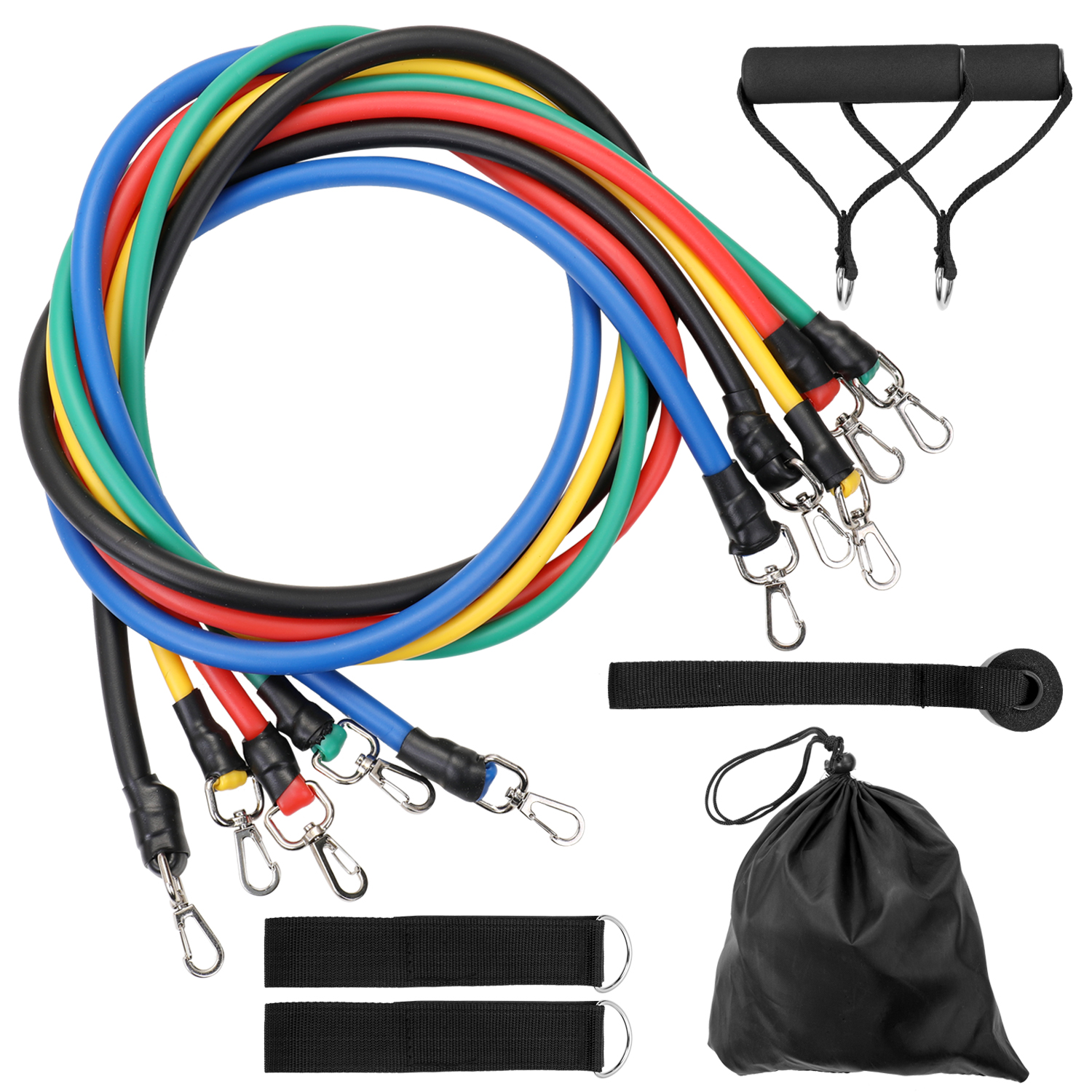
For anyone pursuing an active lifestyle, mobility is not just a fitness buzzword — it is a fundamental quality that determines how freely and safely the body moves through daily activity and sport. One tool that has earned significant attention in this space is the resistance tube. Lightweight, versatile, and effective across a wide range of fitness levels, the resistance tube has become a go-to option for people who want to move better, not just lift heavier.
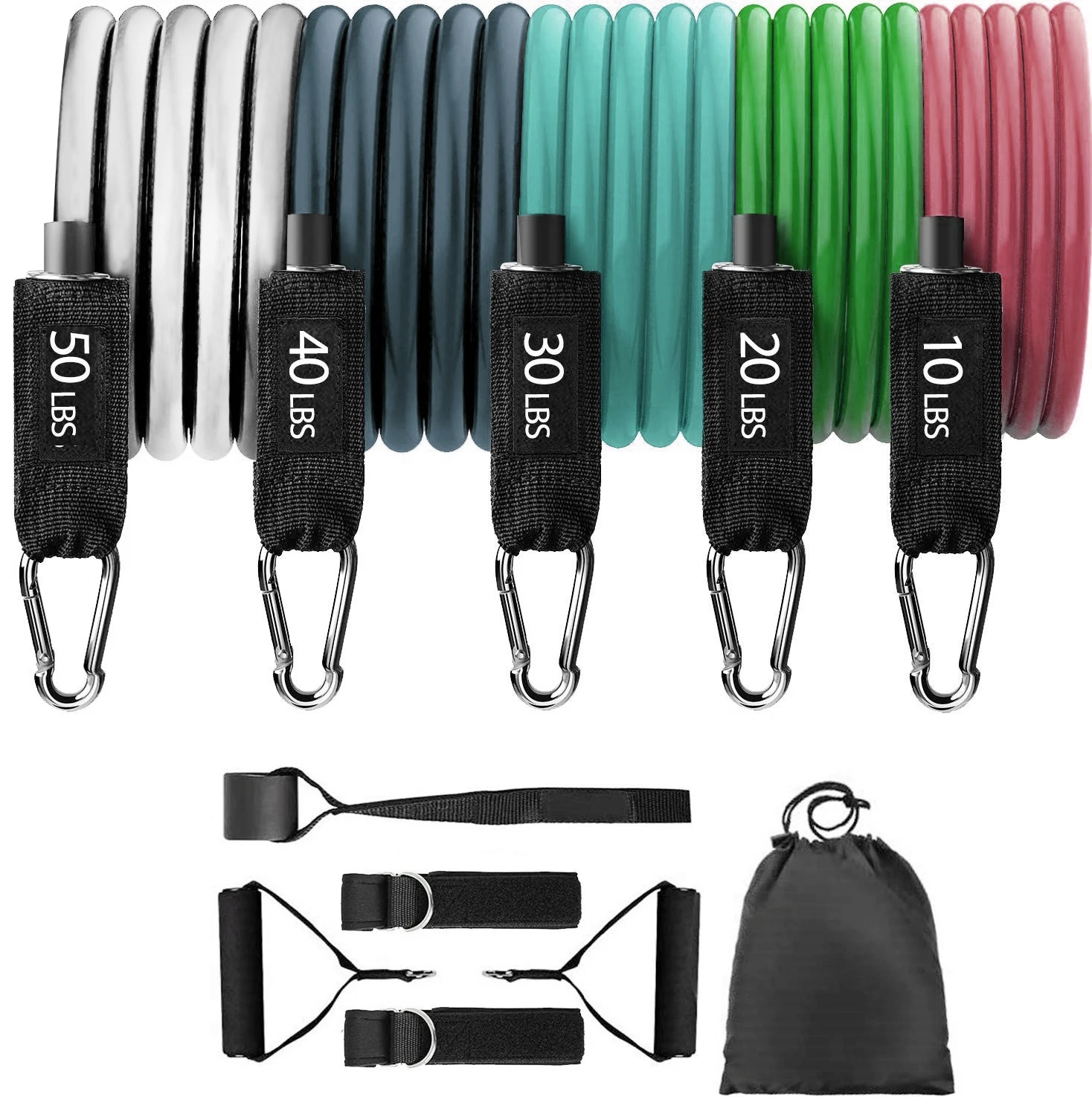
The short answer to whether a resistance tube can improve mobility is yes — but the real value lies in understanding how and why. A resistance tube applies progressive elastic tension to the muscles and joints during movement, which supports active stretching, joint stabilization, and dynamic range-of-motion training all at once. This combination makes the resistance tube particularly well-suited for mobility work within an active lifestyle routine.
How a Resistance Tube Supports Mobility Training
Elastic Tension and Active Range of Motion
Unlike static stretching, which passively holds a position, using a resistance tube encourages the body to move through its full range of motion under load. This is known as active flexibility — the kind that translates directly into athletic performance and functional movement. When you use a resistance tube to assist or challenge a hip opener, shoulder rotation, or ankle mobilization drill, you are training the tissue to be both flexible and strong at the end range.
The elastic nature of a resistance tube also means that tension increases gradually as the stretch deepens. This progressive feedback helps the nervous system adapt more safely than abrupt or forced stretching. For active individuals who train regularly, this kind of controlled, loaded mobility work with a resistance tube reduces the risk of overstretching while still delivering meaningful range-of-motion gains over time.
Joint Stability and Mobility as a Pair
Mobility without stability is not functional movement — it is just flexibility that cannot be controlled. A resistance tube addresses both qualities in the same movement pattern. When you anchor a resistance tube and perform a lateral band walk, a standing hip circle, or a shoulder CARs drill with light resistance, you are simultaneously opening the joint and training the muscles that support it. This dual benefit is why physical therapists and movement coaches frequently use the resistance tube in rehabilitation and performance programs alike.
Practical Resistance Tube Exercises for Mobility
Lower Body Mobility Drills
The hips and ankles are two of the most mobility-critical areas for active people. Using a resistance tube looped around the ankle or foot, you can perform dynamic hip flexor stretches, hip circles, and pigeon pose variations with gentle resistance that deepens the stretch and activates the surrounding stabilizers. A resistance tube anchored low to the ground can assist in creating traction at the hip joint during deep squat mobility work, making the exercise more accessible and productive at the same time.
For ankle and knee mobility, a resistance tube placed just above the ankle during bodyweight squats or lunge patterns adds feedback that cues proper alignment. Active individuals with tight hip flexors, stiff ankles, or limited thoracic rotation often find that a resistance tube makes their mobility sessions significantly more effective compared to unloaded stretching alone.
Upper Body and Thoracic Mobility
Shoulder mobility is a frequent limitation for people who sit for extended periods or engage in repetitive overhead activity. A resistance tube is ideal for shoulder dislocates, chest openers, and banded shoulder rotation drills. Holding a resistance tube with both hands and moving through a wide arc challenges the shoulder capsule to move through its full range while maintaining muscular engagement. This active approach to shoulder mobility using a resistance tube tends to produce faster, more lasting improvements than passive stretching routines.
Thoracic spine rotation is another area where a resistance tube adds clear value. By anchoring a resistance tube at chest height and performing rotational reaches, you load the thoracic extensors and rotators simultaneously. Over several weeks of consistent resistance tube mobility work, active individuals typically notice improved posture, reduced upper back stiffness, and greater ease during rotational athletic movements.
Fitting Resistance Tube Mobility Work Into an Active Lifestyle
When and How Often to Train Mobility With a Resistance Tube
One of the most practical advantages of a resistance tube is its portability. Active individuals can incorporate resistance tube mobility drills into their warm-up, cool-down, or as a standalone session during rest days. A resistance tube requires no heavy equipment, no large space, and no gym access. This accessibility makes it easier to stay consistent with mobility training, which is ultimately what produces real results.
For most active adults, dedicating ten to fifteen minutes to resistance tube mobility work three to five times per week is sufficient to see measurable improvements within four to six weeks. The key is consistency and intention. Performing resistance tube drills with focus on full range of motion, proper breathing, and time under tension will outperform a rushed, high-volume approach every time.
Choosing the Right Resistance Tube for Mobility Goals
Not all resistance tube options are created equal when it comes to mobility training. For mobility-focused work, lighter resistance levels are generally more appropriate than heavier ones. A resistance tube that is too stiff will restrict the range of motion you are trying to develop, while a resistance tube with the right tension will guide and challenge the movement without limiting it. Stackable resistance tube sets that offer multiple tension levels give active users the flexibility to match resistance to each specific drill and body region.
Latex-based resistance tube products tend to offer the smoothest tension curve and the most consistent elastic response, which is why they are commonly preferred in both fitness and rehabilitation settings. When selecting a resistance tube for mobility training, prioritize quality materials, secure handles or anchor attachments, and a range of tension options that can grow with your improving range of motion.
FAQ
Can beginners use a resistance tube for mobility training?
Yes. A resistance tube is one of the most beginner-friendly mobility tools available. Starting with a light resistance tube and focusing on slow, controlled movement makes it accessible for people at any fitness level. Beginners should prioritize form and range of motion over resistance level when first starting out.
How is a resistance tube different from a flat resistance band for mobility?
A resistance tube typically features handles and a cylindrical elastic cord, while a flat band is a looped or open strip of latex. For mobility training, both can be effective, but a resistance tube with handles offers more control during dynamic drills and upper body movements. Flat bands are often preferred for looping around limbs during lower body work.
Is a resistance tube safe to use every day for mobility work?
Daily resistance tube mobility work is generally safe as long as the sessions are low to moderate intensity and the movements are pain-free. Since mobility training with a resistance tube is less taxing on the body than strength training, daily use is practical for most active individuals. Always listen to your body and reduce frequency if soreness or discomfort develops.