 EN
EN


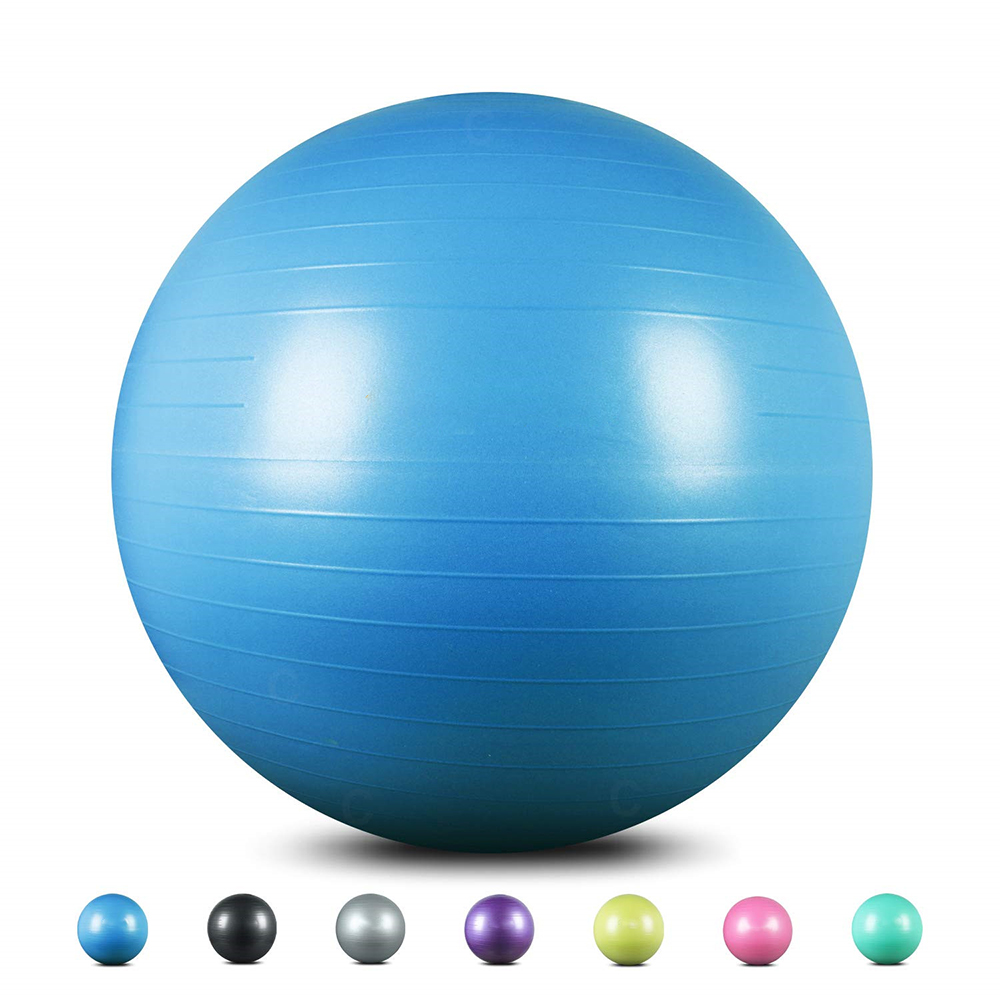
Strength training programs are designed to build muscle, develop power, and improve physical performance. But as any serious athlete or fitness professional knows, raw strength alone does not guarantee functional fitness. This is precisely where the yoga ball enters the picture. A yoga ball introduces an unstable surface that challenges the body in ways that flat-ground or machine-based training simply cannot replicate, making it a genuinely complementary tool rather than a replacement for traditional lifting.
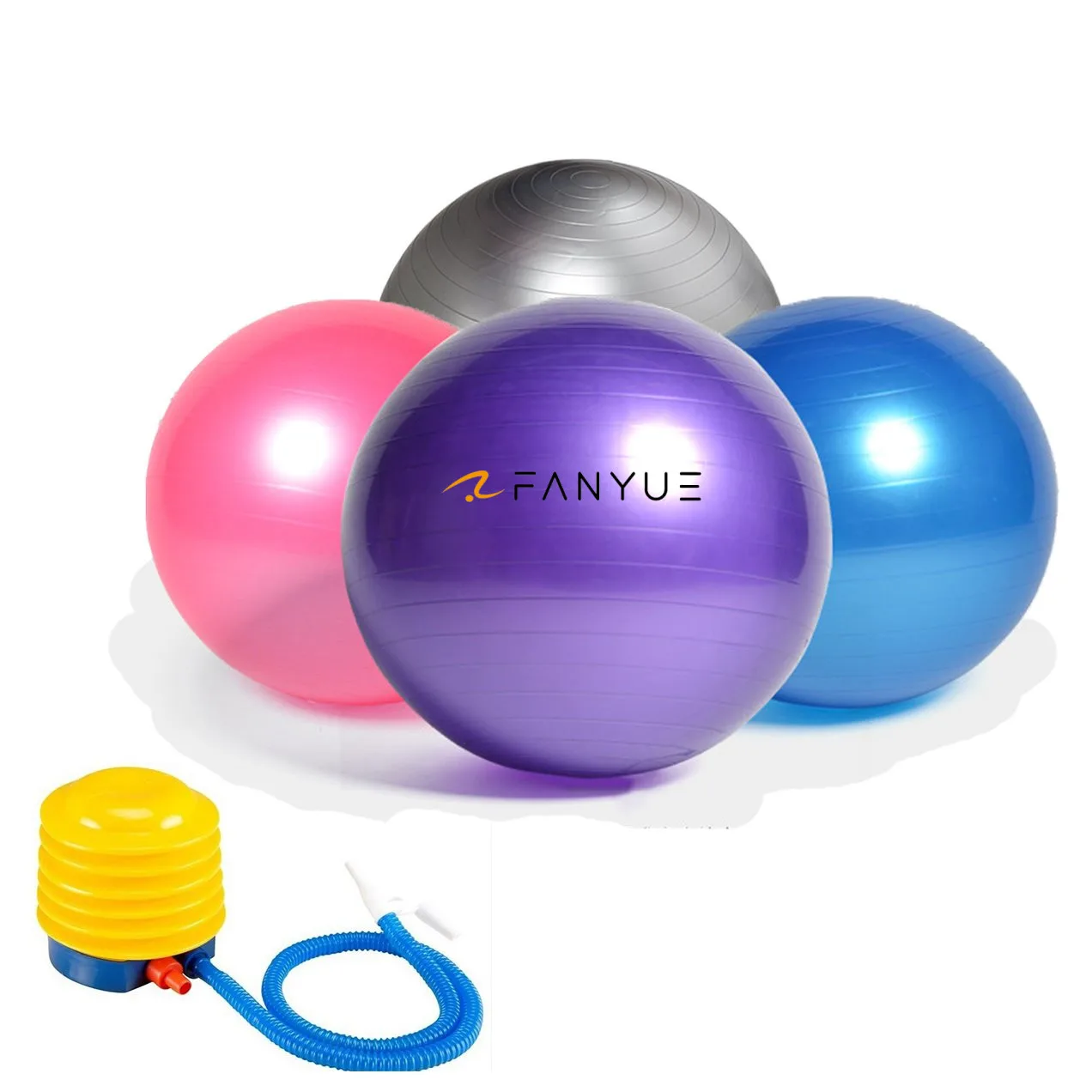
The question of whether a yoga ball can complement strength training is not merely academic. Coaches, physical therapists, and gym operators across a wide range of industries are increasingly incorporating yoga ball work into structured programming. Understanding how and why the yoga ball adds value to strength routines helps trainers and athletes make smarter, evidence-informed decisions about their training design.
How a Yoga Ball Engages the Core During Strength Work
Unstable Surface Training and Muscle Activation
When an athlete performs an exercise on a yoga ball, the body must continuously recruit stabilizer muscles to maintain balance. These are the smaller, often underdeveloped muscles surrounding the spine, hips, and shoulders that standard free-weight exercises may not fully activate. A yoga ball used as a bench substitute for dumbbell presses, for instance, forces the core to remain tight throughout the entire set. This dual demand on both primary movers and stabilizers creates a more comprehensive training stimulus.
Research in sports science consistently shows that exercises performed on a yoga ball produce significantly higher activation in core musculature compared to the same movements performed on a stable surface. This means that a yoga ball does not simply add variety to a program. It actively increases the neuromuscular challenge of familiar strength exercises, supporting the development of functional strength that transfers to real-world athletic demands.
Core Strength as a Foundation for Heavier Lifts
A yoga ball also serves as a practical tool for building the core strength that supports heavier compound lifts. Weak core stability is a common limiting factor in exercises such as the squat, deadlift, and overhead press. By regularly incorporating yoga ball exercises that target the anterior and posterior core, athletes can develop the spinal stiffness and hip control that allow them to handle greater loads safely. The yoga ball essentially functions as a core-specific training device that supports the entire strength pyramid.
Yoga Ball Integration in Structured Strength Programs
Where the Yoga Ball Fits in a Weekly Training Plan
A yoga ball is most effectively used as an accessory tool rather than a primary training implement. In a well-structured strength program, yoga ball exercises fit naturally into warm-up sequences, accessory blocks, or active recovery sessions. For example, yoga ball rollouts and planks make excellent core finishers after a heavy squat or deadlift day. Similarly, yoga ball wall squats and hip bridges can be incorporated into mobility-focused sessions to reinforce movement patterns without excessive loading.
The yoga ball also works particularly well in pre-activation protocols before heavy lifting sessions. Performing light yoga ball exercises that activate the glutes, thoracic extensors, or shoulder stabilizers primes the nervous system and relevant muscle groups before they are asked to produce maximal force. This kind of warm-up strategy can improve both performance and injury resilience over the long training cycle.
Progression Logic When Using a Yoga Ball
Like any training tool, the yoga ball should be introduced and progressed systematically. Beginners may start with static yoga ball exercises such as seated balance drills or prone holds, developing foundational stability before advancing to dynamic movements. As competency grows, more demanding yoga ball variations such as pike rollouts, single-leg bridges, or incline push-ups can be introduced. This progressive approach ensures the yoga ball contributes meaningfully to long-term strength development rather than serving as a novelty item.
Practical Benefits of the Yoga Ball Beyond Core Training
Posture, Mobility, and Recovery Applications
The yoga ball offers benefits that extend well beyond core activation. Regular yoga ball use supports improved posture by encouraging the natural spinal curves and reinforcing proper alignment habits. Athletes who spend significant time sitting or performing repetitive loaded movements can use the yoga ball during rest periods or low-intensity sessions to counteract postural imbalances. Thoracic extension over the yoga ball, for example, is a widely used mobility drill that helps restore the upper back mobility often lost through bench pressing or rowing-heavy programs.
From a recovery standpoint, the yoga ball provides a low-impact means of maintaining movement quality on lighter training days. Gentle yoga ball exercises promote blood flow to recovering muscles, support joint health, and maintain neuromuscular engagement without imposing additional recovery demands. For athletes managing high training volumes, this makes the yoga ball an especially valuable tool in balancing load and recovery intelligently.
Versatility Across Training Environments
One of the most commercially relevant qualities of the yoga ball is its versatility. A single yoga ball can be used across individual training, group fitness classes, rehabilitation settings, and corporate wellness programs. Gym operators and fitness equipment suppliers recognize the yoga ball as a high-utility product that serves a broad client base. Whether the end user is a competitive powerlifter using the yoga ball for core accessory work or a general fitness participant using it in a functional training class, the yoga ball delivers measurable value across contexts.
FAQ
Can a yoga ball fully replace a weight bench in strength training?
A yoga ball can substitute for a weight bench in certain accessory exercises where core instability is a desired training stimulus. However, a yoga ball is not suitable for maximal load exercises that require a rigid, stable base for safety. The yoga ball works best as a complementary tool alongside, not as a replacement for, standard strength training equipment.
How often should a yoga ball be included in a strength training program?
Most strength coaches recommend incorporating yoga ball exercises two to four times per week, depending on the athlete's goals and training volume. The yoga ball is typically used in warm-up, accessory, or recovery contexts rather than as a primary training focus. Consistent yoga ball use across these roles supports steady improvement in stability and core function without interfering with strength development.
What should buyers look for when sourcing a yoga ball for commercial gym use?
For commercial gym environments, a yoga ball should be anti-burst rated to handle heavy use safely. PVC material quality, weight capacity, and size range are key purchasing considerations. Buyers sourcing a yoga ball for professional fitness facilities should also consider customization options, durability under high-frequency use, and compliance with international safety standards to ensure product reliability and client safety.