 EN
EN


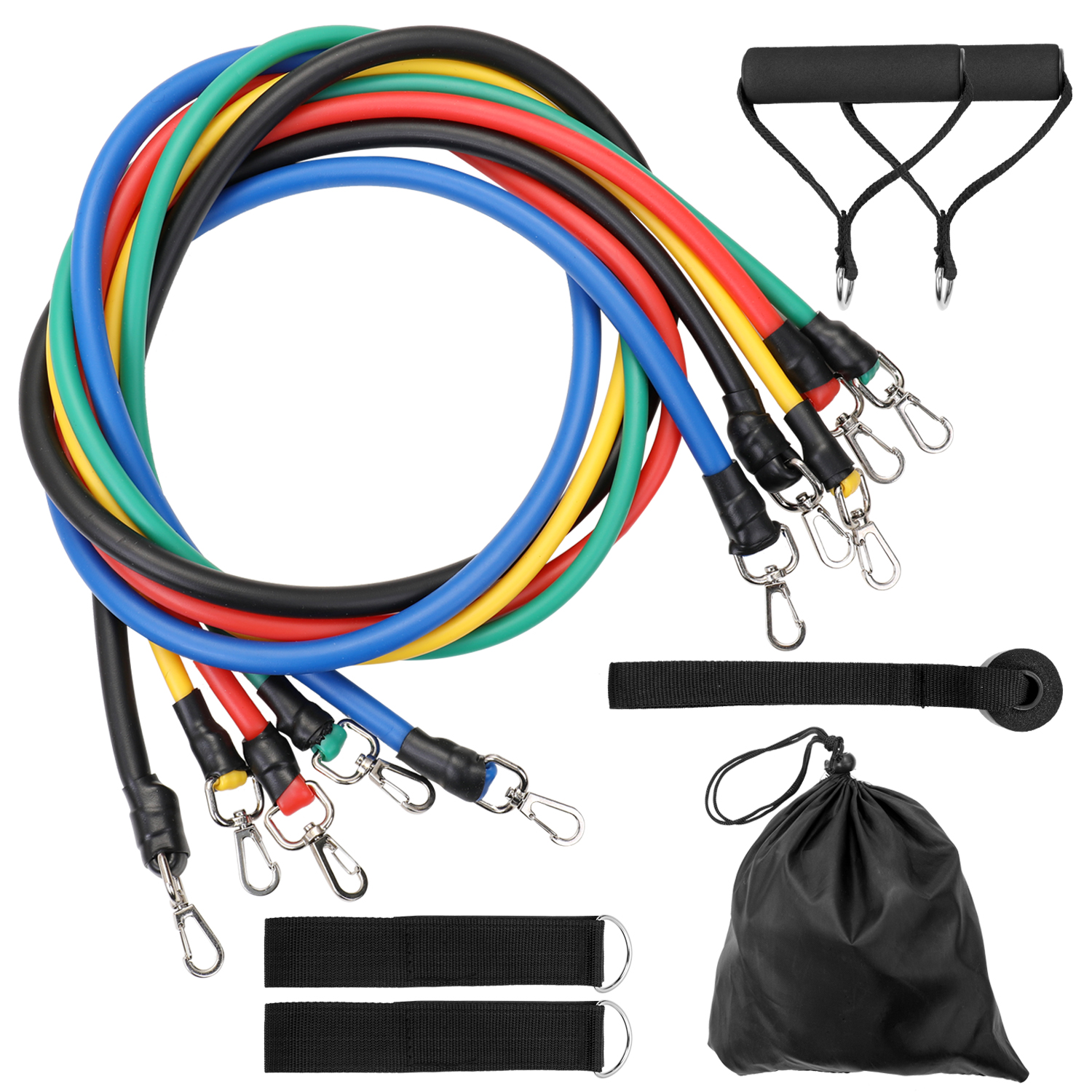
When a fitness brand or distributor looks to scale internationally, one of the first practical questions becomes whether a resistance tube supplier can realistically support that growth. The ability to fulfill orders across borders involves far more than just manufacturing capacity. It requires documented logistics systems, export experience, and a clear understanding of how each resistance tube product must be packaged, labeled, and certified before it crosses a customs boundary.
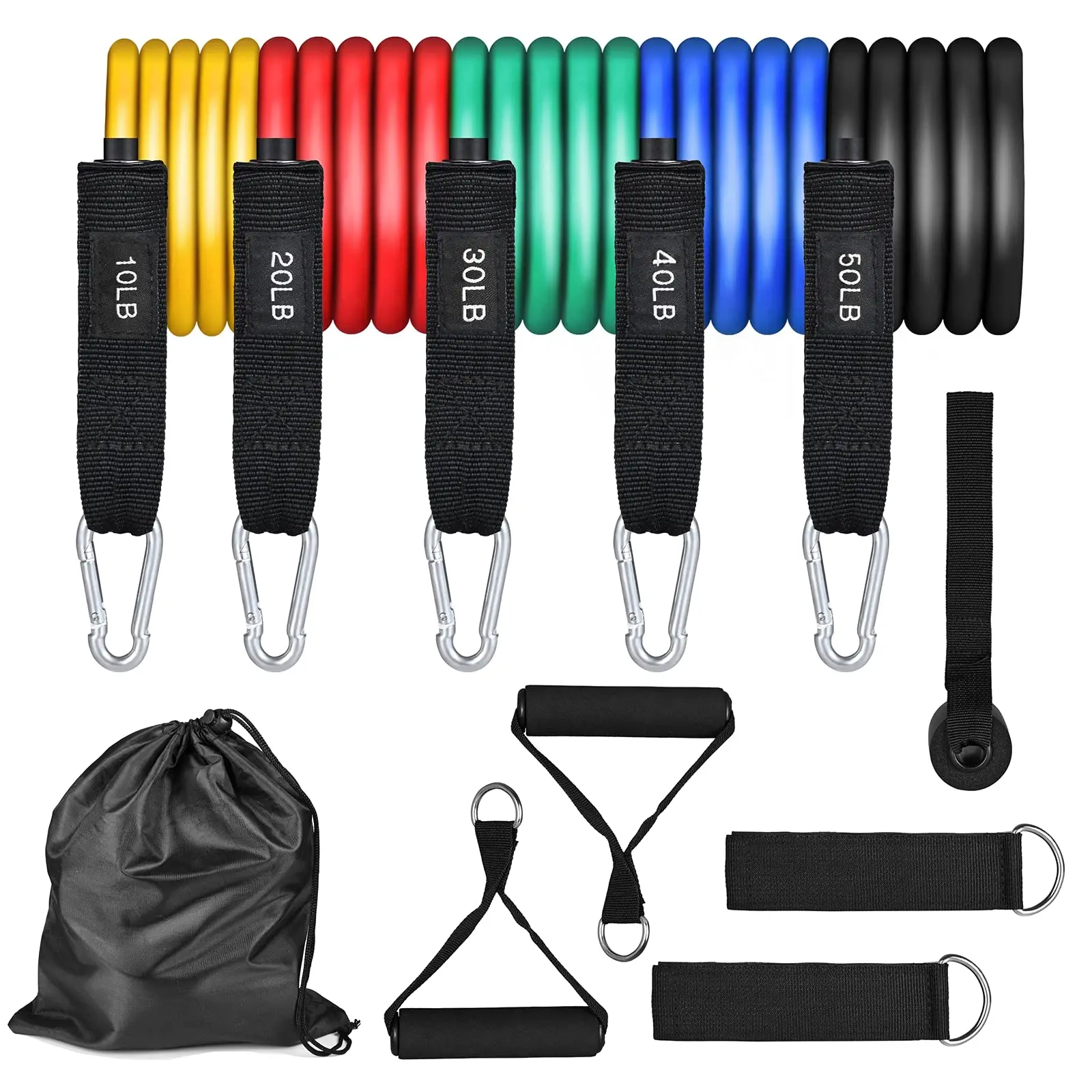
The short answer is yes — many resistance tube suppliers do support international distribution, but their actual capabilities vary significantly. Understanding what separates a supplier who can genuinely serve global partners from one who cannot will help buyers make smarter sourcing decisions. Every resistance tube order that crosses a border introduces complexity around compliance, lead times, and minimum order volumes that must be addressed before any long-term distribution relationship can work.
What International Distribution Actually Requires from a Resistance Tube Supplier
Export Documentation and Compliance Readiness
A resistance tube supplier serving international buyers must be fluent in export documentation. This includes commercial invoices, packing lists, certificates of origin, and product safety certifications applicable to the target market. A resistance tube destined for the European market, for example, may require REACH compliance documentation, while one entering the US market may need to meet ASTM or CPSC standards. A supplier who has never navigated these requirements will create delays and potential legal exposure for the buyer. Verifying a supplier's export history and certification portfolio before committing to a resistance tube order is a critical due-diligence step.
Minimum Order Volumes Compatible with Distribution Scale
International distribution often means ordering in larger volumes to justify freight costs. A resistance tube supplier must offer minimum order quantities that align with the scale of the buyer's distribution network. Some resistance tube factories set low MOQs suitable for small retailers, while others structure their pricing and production runs around high-volume bulk orders. If a distributor operates across multiple countries and needs consistent supply of the same resistance tube specification, the supplier must be able to produce and ship large batches reliably. Inconsistency in resistance tube quality across production runs will erode brand trust in distribution markets very quickly.
Logistics Infrastructure That Enables Global Resistance Tube Fulfillment
Freight Options and Shipping Partnerships
A resistance tube supplier with genuine international distribution capability will typically have established relationships with freight forwarders and logistics partners. Whether a resistance tube shipment travels by sea, air, or a hybrid route depends on the order size, urgency, and destination. Sea freight is the standard choice for bulk resistance tube orders, but it requires careful coordination around lead times and port documentation. An experienced resistance tube supplier will guide buyers through these options rather than leaving logistical decisions entirely to the buyer. Proactive communication about shipping timelines is one of the clearest signs that a resistance tube supplier is genuinely equipped for global trade.
Warehousing Capacity and Inventory Planning
Some resistance tube suppliers offer bonded warehouse access or work with third-party logistics providers who can hold inventory closer to distribution hubs. This matters when a buyer needs fast replenishment across different regional markets. A resistance tube set that sells well in one country may need to be restocked on a different cycle than the same product in another market. Suppliers who understand inventory planning for global buyers will offer forecasting support, safety stock options, and transparent communication about production lead times. When a resistance tube supplier integrates these logistics services, the overall distribution relationship becomes more strategic and less transactional.
Customization and Branding Support for International Markets
Private Label and OEM Resistance Tube Capabilities
Many international distributors require private label or OEM production to sell a resistance tube under their own brand. This adds another layer of supplier capability that must be evaluated. A resistance tube factory with OEM experience will offer custom color options, resistance level variations, print-ready packaging, and compliance-ready labeling. A well-designed resistance tube set with localized branding is far more competitive in retail and gym supply channels than a generic product. The supplier must be able to produce each resistance tube to a consistent standard across multiple production runs so that brand integrity is maintained throughout the distribution chain.
Market-Specific Product Adjustments
Different markets have distinct preferences for resistance tube specifications. Some regions prefer latex resistance tube products in bright visual colors to indicate resistance levels, while others prefer a more neutral palette. Professional fitness markets may demand thicker resistance tube walls with higher elasticity ratings, while consumer retail channels might favor lightweight resistance tube options suited for home use. A resistance tube supplier who understands these distinctions can help distributors select or develop the right product range for each target market, which significantly reduces the risk of overstock or mismatch between product specifications and end-user expectations.
FAQ
What certifications should a resistance tube supplier have for international export?
A resistance tube supplier targeting international markets should hold relevant safety certifications such as EN 13432, REACH, RoHS, or ASTM compliance depending on destination markets. Each resistance tube product should be tested for material safety, tensile strength, and durability. Buyers should request test reports and certificates before placing large resistance tube orders destined for regulated markets.
How do I evaluate whether a resistance tube supplier can handle large international orders?
Ask the resistance tube supplier for references from existing international buyers, request factory audit reports, and review their production capacity documentation. A reliable resistance tube supplier will be transparent about lead times, MOQ flexibility, and freight partnership options. Review sample resistance tube products for consistency before committing to full production runs.
Can a resistance tube supplier support custom branding for different country markets?
Yes, many resistance tube suppliers offer OEM and private label services that include market-specific packaging, language adaptation, and custom resistance tube specifications. Confirm whether the supplier has experience producing the same resistance tube product for multiple regional distributors simultaneously, as this tests their ability to manage complexity without compromising quality or delivery schedules.