 EN
EN


The fitness industry never stands still. New training philosophies, digital workout platforms, and shifting consumer expectations constantly reshape what people demand from their equipment. In this climate, the resistance tube has proven itself remarkably adaptable, evolving from a basic rehabilitation tool into a central component of modern functional fitness. Understanding how the resistance tube keeps pace with these trends helps buyers, fitness professionals, and gym operators make smarter sourcing decisions.
Today's fitness landscape spans home gyms, boutique studios, outdoor training, and live-streamed classes. Each environment places different demands on equipment. A resistance tube meets those demands through portability, adjustable resistance levels, and compatibility with virtually any training style. The resistance tube is no longer a supplementary item — it is a primary training tool that adapts as fitness culture evolves.
Adapting to the Home and Hybrid Training Movement
The Resistance Tube as a Home Gym Essential
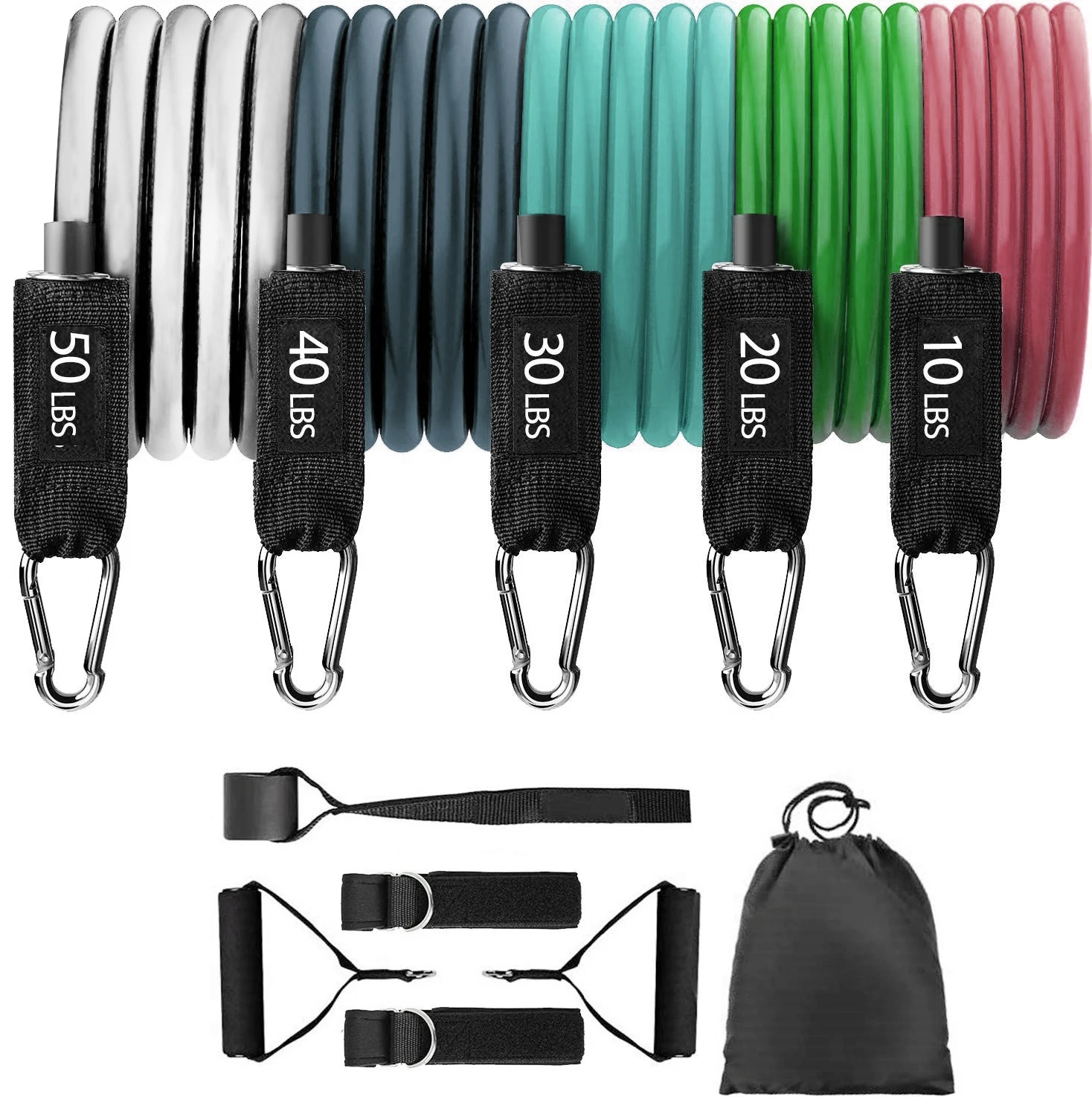
The dramatic rise of home-based fitness created strong demand for compact, effective equipment. A resistance tube delivers full-body workout capability without requiring floor space or heavy machinery. Fitness consumers who built home gyms during and after the shift toward remote lifestyles found that a resistance tube set could replace or complement bulky cable machines. With stacking systems offering up to 150 lbs of combined resistance, a resistance tube allows progressive overload — the key principle behind muscle development — in a fraction of the space.
For hybrid trainers who split time between commercial gyms and home workouts, a resistance tube provides consistent training quality in both settings. The resistance tube does not require wall anchors or power sources, making it straightforward to pack and use anywhere. This flexibility is a defining advantage as more people blend professional gym visits with home sessions.
Digital Fitness Platforms Driving Resistance Tube Adoption
Online workout platforms and fitness apps have expanded the reach of resistance tube training dramatically. Instructors filming resistance tube routines for streaming audiences need equipment that is visually clear on camera and easy for viewers to replicate at home. The resistance tube fits this perfectly — its movements are clean, its setup is simple, and its resistance levels are easy to communicate. As live-streamed classes and on-demand video workouts continue to grow, the resistance tube gains consistent visibility and consumer familiarity.
Meeting the Demands of Functional and Full-Body Training
Functional Fitness and the Resistance Tube
Functional fitness — training that mimics real-world movement patterns — is one of the most sustained trends in the industry. A resistance tube is inherently functional because it creates variable, accommodating resistance throughout the full range of motion. Unlike fixed-weight equipment, a resistance tube increases tension as the movement extends, closely replicating the way muscles generate force naturally. This characteristic makes the resistance tube highly effective for compound, multi-joint exercises like squats, rows, chest presses, and shoulder raises.
Fitness professionals designing functional training programs rely on the resistance tube to add challenge without increasing injury risk. The elastic nature of a resistance tube is more forgiving on joints compared to heavy free weights, making it accessible to a broad demographic including older adults, athletes in recovery, and fitness beginners. The resistance tube supports a training philosophy centered on movement quality, not just raw load.
Stackable Systems and Progressive Resistance Design
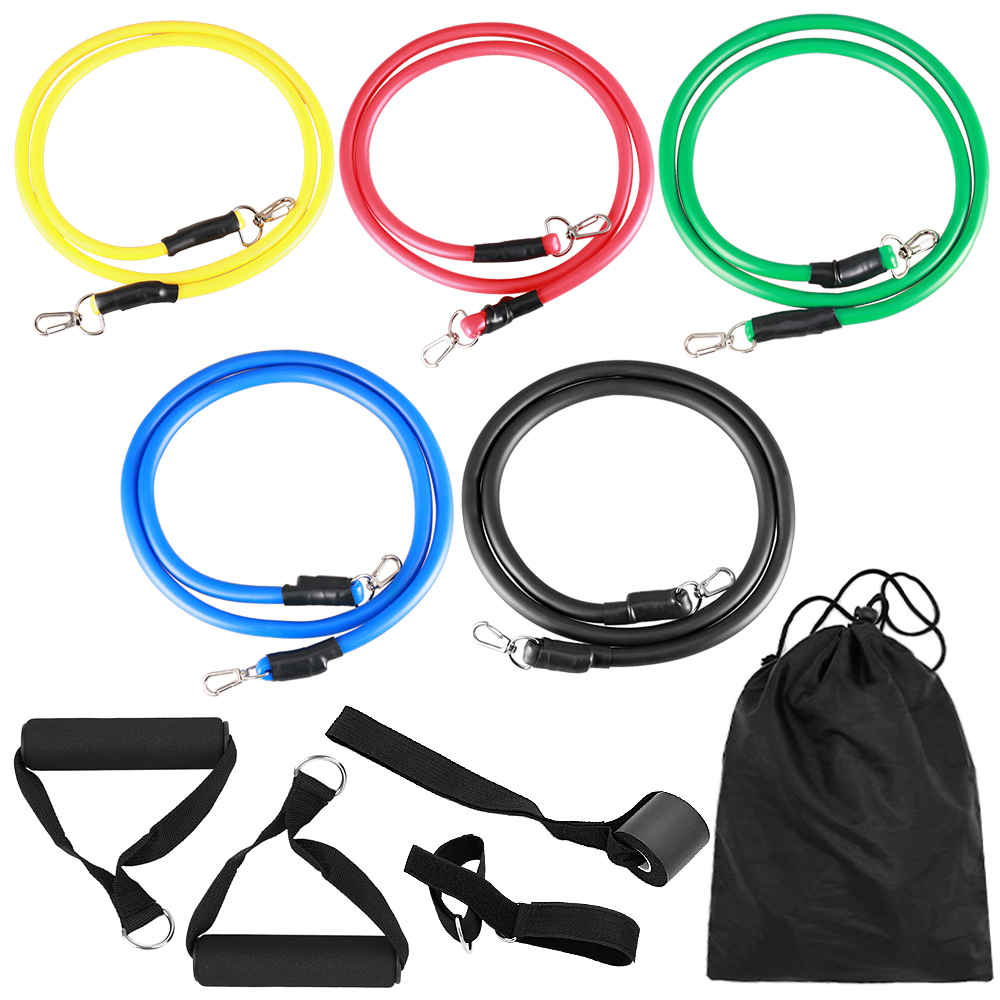
Modern resistance tube products have evolved to include stackable, multi-tube systems that allow precise resistance customization. A well-designed resistance tube set typically includes multiple tubes at different resistance levels — light, medium, heavy, and extra heavy — which the user can combine to reach specific training targets. This stackable resistance tube approach addresses a common criticism that elastic resistance cannot match the progressive load options of weight training. With a stackable resistance tube system, users can increment resistance in small steps, supporting continuous strength development. Handles, ankle straps, door anchors, and carry bags complete the resistance tube set, making it a comprehensive training kit rather than a single accessory.
Serving Diverse Fitness Audiences and Commercial Applications
Resistance Tube Versatility Across Demographics
One of the strongest reasons the resistance tube continues to align with evolving fitness trends is its suitability across a wide range of users. Personal trainers working with clients of different ages, abilities, and goals use the resistance tube because it scales easily. A resistance tube can serve as a gentle mobility aid for an older adult or as an intense strength-building tool for an athlete. Group fitness classes, physical therapy clinics, corporate wellness programs, and sports conditioning all incorporate the resistance tube as a versatile and cost-effective option. This breadth of application means demand for the resistance tube remains stable even as individual fitness trends shift.
Commercial and B2B Demand for Resistance Tube Products
Gyms, fitness studios, and equipment distributors source resistance tube products in volume because of their high utility and relatively low cost per unit. A resistance tube is lightweight and durable enough to survive repeated use in commercial settings when manufactured with quality latex. Latex resistance tube products offer consistent elasticity, strong resistance to snapping, and a natural grip that users prefer. For B2B buyers, sourcing a latex resistance tube set that includes full accessories and a wide resistance range delivers the best return, since a single product line can serve multiple client types within the same facility. The resistance tube is also easy to display, package, and ship, reducing logistics costs compared to heavier fitness equipment.
FAQ
What makes a resistance tube suitable for progressive strength training?
A resistance tube supports progressive training through stackable designs that allow users to combine multiple tubes for higher resistance. This means a resistance tube set can incrementally increase the training load, matching the progressive overload principle that drives strength and muscle development over time.
How does a resistance tube compare to free weights for full-body workouts?
A resistance tube provides accommodating resistance that increases through the range of motion, which engages stabilizer muscles and improves movement quality. While free weights offer fixed load, a resistance tube adds functional challenge without the joint stress associated with heavy barbell or dumbbell training, making it a practical complement or alternative.
What should buyers look for when selecting a resistance tube set?
Buyers should prioritize latex material quality, resistance level variety, handle comfort, and included accessories such as door anchors and ankle straps. A complete resistance tube set that covers light to heavy resistance levels provides the most flexibility for diverse users and training goals, making it a stronger commercial and personal investment.