 EN
EN



If you have ever wondered whether a yoga ball can genuinely improve your flexibility and coordination, the short answer is yes — but only when used with the right exercises and consistent practice. The yoga ball is far more than a simple seat replacement. It is a versatile training tool that challenges your body across multiple planes of movement, forcing muscles and joints to work together in ways that static stretching or conventional gym equipment simply cannot replicate.
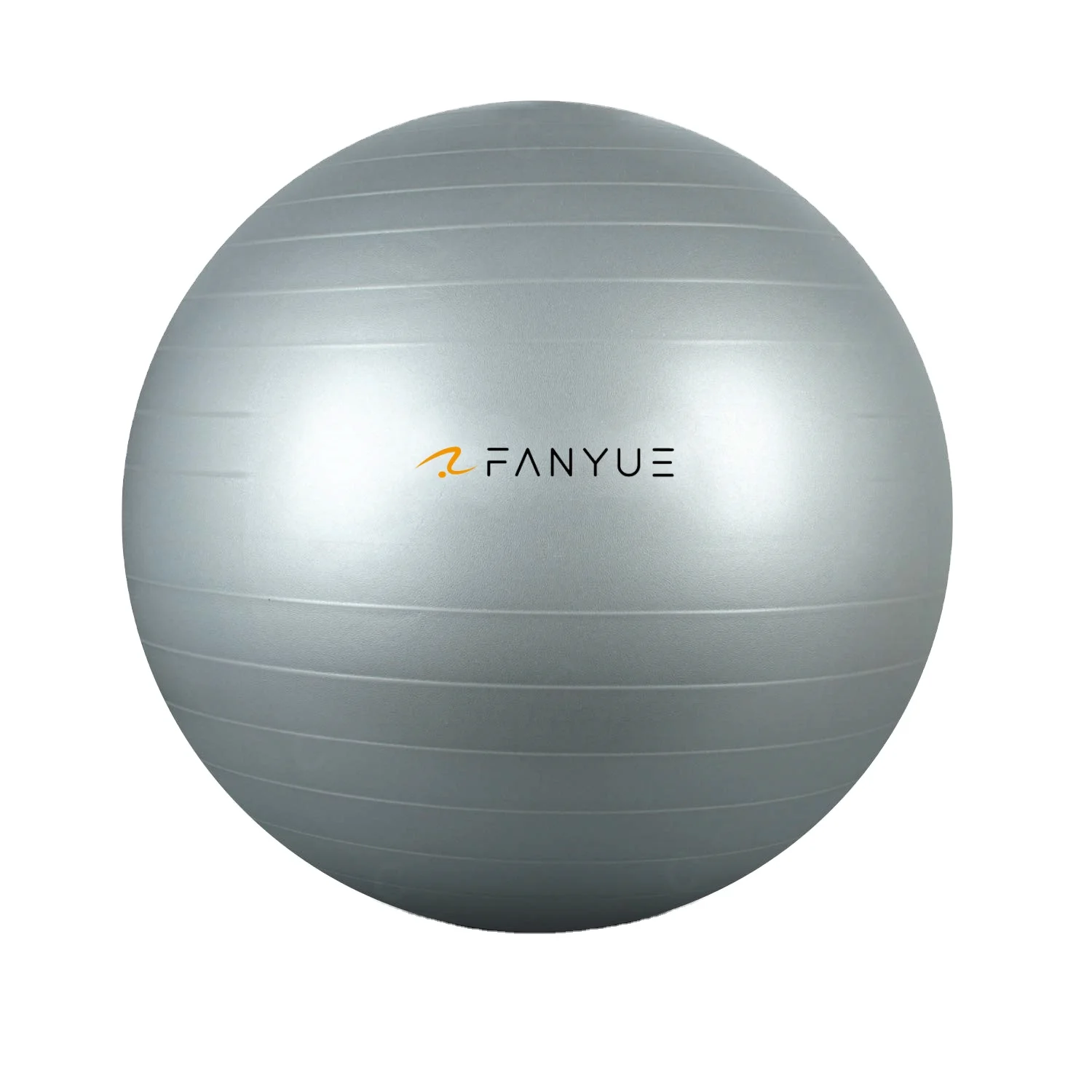
The instability built into every yoga ball session is exactly what makes it so effective. When your body cannot rely on a firm, flat surface, it recruits stabilizing muscles, sharpens proprioception, and gradually extends the usable range of motion in your hips, spine, and shoulders. Over time, regular yoga ball training translates into noticeably greater flexibility and far better coordination during everyday activities and athletic performance alike.
How the Yoga Ball Targets Flexibility
Dynamic Stretching on an Unstable Surface
Traditional stretching tends to be passive and isolated. A yoga ball changes that equation by adding a curved, responsive surface beneath you. When you perform a spinal extension over the yoga ball, for example, gravity and the ball's curvature create a deep, supported backbend that progressively opens the thoracic spine and hip flexors. This dynamic approach means the yoga ball helps lengthen muscles while simultaneously activating them, producing both flexibility and functional strength at the same time.
Hip mobility is another area where the yoga ball delivers outstanding results. Rolling the yoga ball forward during a kneeling hip-flexor stretch increases the range of motion available at the front of the hip without overloading the joint. Over multiple sessions, connective tissue adapts, joints become more mobile, and overall movement patterns grow smoother and more efficient. The yoga ball essentially guides your body into positions that are difficult to achieve safely on the floor or with rigid equipment.
Core Engagement and Spinal Mobility
The yoga ball is uniquely positioned to improve spinal flexibility because it supports the curve of the back while allowing controlled movement through the full lumbar and thoracic range. Exercises such as yoga ball back extensions, lateral side stretches, and seated rotations all demand that the spine move freely and fluidly. The yoga ball acts as a pivot point, making it easier to explore the edges of your spinal mobility without the risk of compression or strain that often accompanies floor-based movements.
Regular core engagement during yoga ball training also relieves postural tension. Many people carry chronic stiffness in the hips, lower back, and shoulders because of prolonged sitting or poor posture. Using a yoga ball for targeted core and flexibility work gradually releases this tension, restoring a more natural range of motion. Consistency is the key factor here — a yoga ball used three to four times per week can produce measurable improvements in flexibility within four to six weeks.
How the Yoga Ball Builds Coordination
Proprioception and Balance Training
Coordination is fundamentally about your nervous system's ability to sense where your body is in space and then direct accurate movement in response. The yoga ball is one of the most effective tools available for training this proprioceptive system. Every time you sit, kneel, or balance on a yoga ball, thousands of sensory receptors in your muscles and joints fire signals to the brain, refining its map of your body's position. Over time, this neurological training improves coordination in ways that flat-surface exercises cannot.
Exercises like yoga ball plank holds, single-leg balances with the yoga ball underfoot, and seated ball bounces all challenge your nervous system to make constant micro-adjustments. These adjustments build the neural pathways responsible for smooth, controlled, and well-timed movement. Athletes, rehabilitation patients, and fitness enthusiasts all benefit from this type of coordination training, and the yoga ball remains one of the most accessible and scalable tools for delivering it.
Full-Body Movement Integration
One reason the yoga ball excels at improving coordination is that it forces different muscle groups to communicate and work in sequence rather than in isolation. A yoga ball wall squat, for instance, requires simultaneous coordination of the quadriceps, glutes, core, and upper back to maintain control throughout the movement. This kind of integrated training patterns the nervous system to coordinate whole-body movements more efficiently — a skill that directly carries over to sport, dance, martial arts, and daily functional tasks.
The yoga ball also introduces timing and rhythm into training. Exercises like alternating leg lifts on the yoga ball require you to shift your balance point and adjust your posture in a rhythmic, controlled sequence. This trains the temporal aspect of coordination — not just knowing where your body is, but knowing when to move. Over weeks of yoga ball practice, many users report feeling more agile, more balanced, and more confident in their movement patterns both inside and outside the gym.
Choosing the Right Yoga Ball for Best Results
Size, Material, and Anti-Burst Design
The effectiveness of yoga ball training depends significantly on selecting the correct size for your height. A yoga ball that is too small or too large will compromise your posture during exercises, reducing the flexibility and coordination benefits you can achieve. As a general guideline, a 55 cm yoga ball suits users up to 165 cm tall, a 65 cm yoga ball works well for those between 165 cm and 180 cm, and a 75 cm yoga ball is appropriate for taller individuals. Sitting on the correctly sized yoga ball should place your knees at a 90-degree angle.
Material quality matters greatly when choosing a yoga ball. An anti-burst PVC yoga ball is strongly recommended for both safety and durability. Anti-burst construction means that if the yoga ball is ever punctured, it deflates slowly and in a controlled manner rather than bursting suddenly — a critical safety feature during active exercises. A non-slip surface texture on the yoga ball also supports better grip and stability during balance and coordination drills, making your training both safer and more productive.
FAQ
How often should I use a yoga ball to improve flexibility?
Using a yoga ball three to four times per week is generally sufficient to see meaningful flexibility improvements. Each session can be as short as 15 to 20 minutes when focused on stretching and mobility work. Consistency matters more than session length, so regular yoga ball use over several weeks will outperform infrequent longer sessions.
Can a yoga ball help with lower back pain and stiffness?
Yes, a yoga ball is widely used in rehabilitation and physical therapy settings to relieve lower back tension and improve spinal mobility. Gentle yoga ball extensions and supported stretches decompress the lumbar spine and strengthen the surrounding stabilizing muscles. Always begin with mild yoga ball exercises and consult a healthcare professional if you have a diagnosed back condition.
Is a yoga ball suitable for beginners who have limited flexibility?
Absolutely. The yoga ball is one of the most beginner-friendly flexibility and coordination tools available. Its supportive surface allows people with limited range of motion to ease into stretches gradually and safely. Starting with seated and supported yoga ball exercises gives beginners the confidence to progress at their own pace without risk of overstretching or injury.