 EN
EN


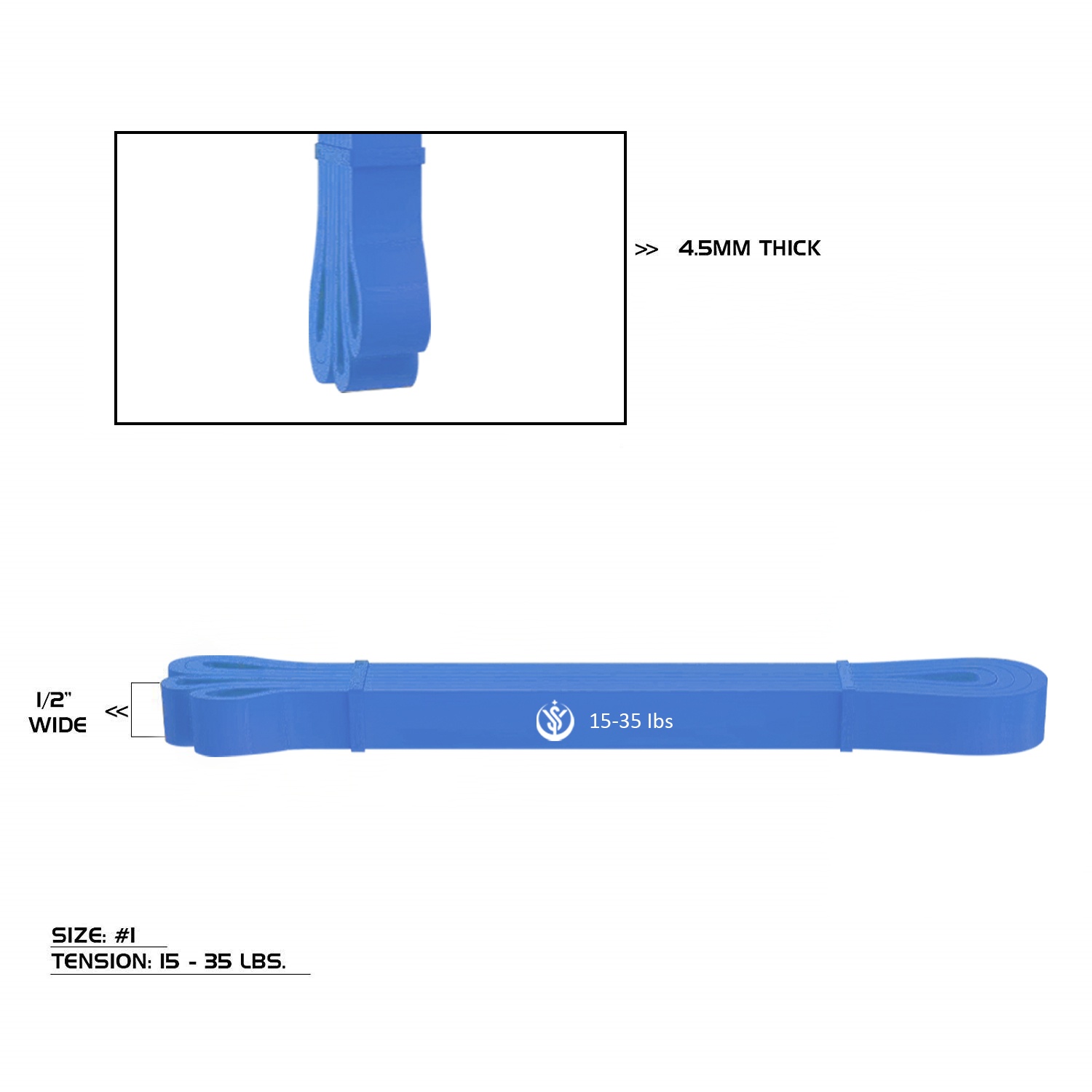
A pull up assist band has become one of the most recognized accessories found in commercial gyms and training facilities worldwide. Whether a member is a complete beginner or an advanced athlete working toward weighted pull-ups, the pull up assist band serves a distinct and practical role in structured training programs. Understanding why gyms consistently include the pull up assist band in their equipment lineup reveals a great deal about modern fitness programming philosophy.
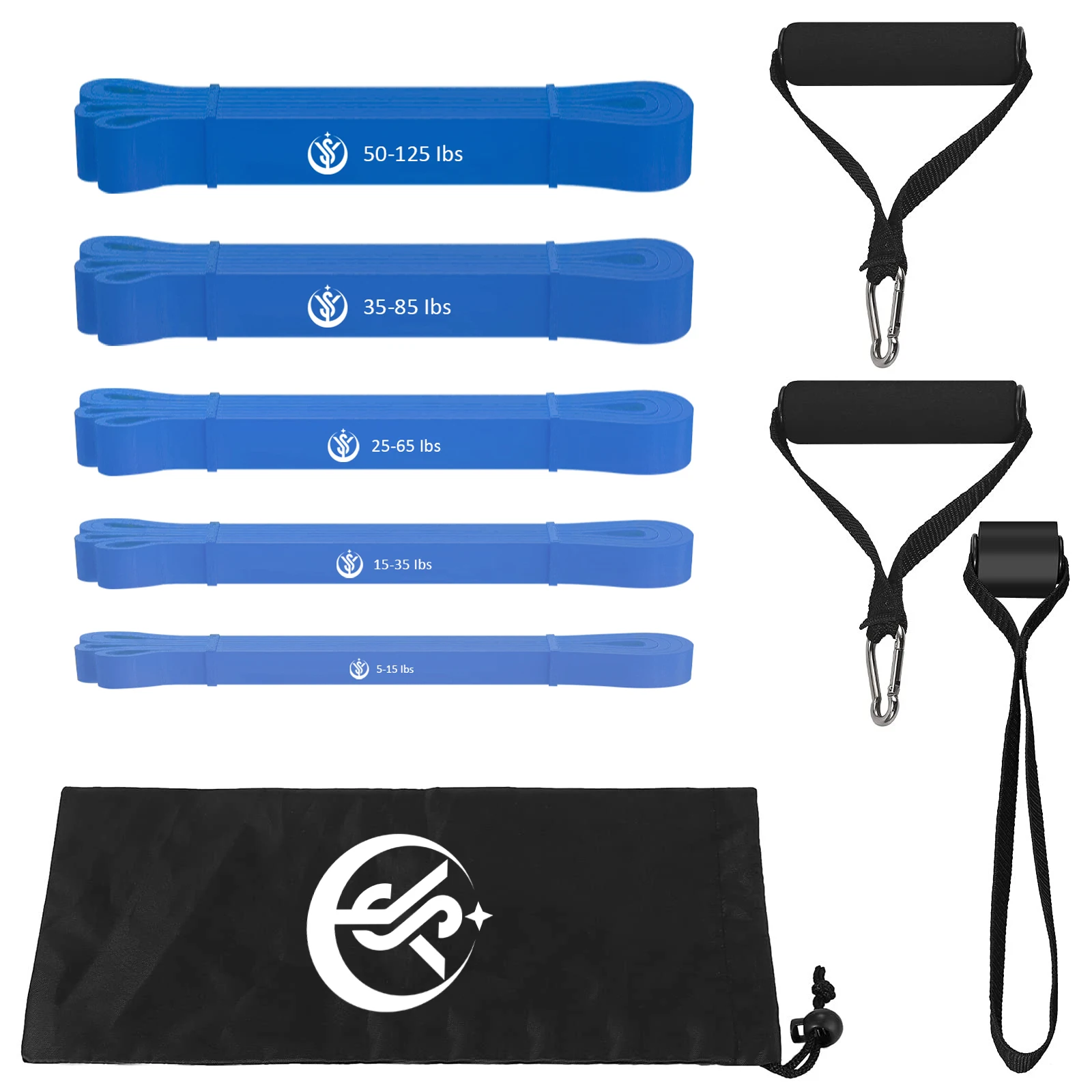
The pull up assist band is a long loop of latex resistance material that reduces the effective bodyweight a user must lift during a pull-up movement. By placing a pull up assist band around the pull-up bar and positioning the knees or feet inside the loop, the band provides upward force that offsets a portion of the lifter's bodyweight. This simple mechanics principle makes the pull up assist band one of the most versatile and cost-effective training tools available in any gym setting. Gyms that include the pull up assist band in their accessory collections consistently report broader member engagement with vertical pulling movements across all experience levels.
Accessibility and Inclusivity in Gym Programming
Making Pull-Ups Achievable for Every Member
One of the primary reasons gyms include the pull up assist band in their training environment is to remove the barriers that prevent many members from performing unassisted pull-ups. An unassisted pull-up requires significant upper body strength that most beginners simply have not yet developed. Without a pull up assist band, beginners often avoid the pull-up bar entirely, which limits their exposure to one of the most effective compound upper body movements. The pull up assist band bridges that gap by allowing members to practice the full range of motion while the band supports a portion of their load. Over time, members using a pull up assist band develop the lats, biceps, and core stabilizers needed to eventually perform unassisted repetitions.
Supporting Progressive Training for All Experience Levels
Gyms typically stock the pull up assist band in multiple resistance levels, ranging from very light to very heavy assistance. This multi-level approach with the pull up assist band ensures that both newer members and experienced athletes can find the correct level of support for their current strength. A beginner might start training with a thick, heavy-resistance pull up assist band and gradually transition to thinner bands as their strength improves. An intermediate lifter uses a light pull up assist band to add extra volume after reaching fatigue on unassisted sets. This progressive system makes the pull up assist band a permanent fixture in any well-designed gym, not merely a beginner tool.
Injury Prevention and Safe Strength Development
Reducing Strain During Upper Body Training
Gym operators and personal trainers value the pull up assist band for its ability to reduce joint strain during the pull-up movement. When members attempt pull-ups beyond their current strength capacity, they commonly compensate with poor form, which increases shoulder and elbow injury risk. A well-chosen pull up assist band allows the member to maintain proper scapular positioning and controlled movement throughout the full range of motion. By reducing the load to a manageable level, the pull up assist band encourages correct technique from the very first session. Facilities that make the pull up assist band readily available see fewer form-related shoulder complaints among members who regularly train vertical pulling patterns.
Rehabilitation and Return-to-Training Support
The pull up assist band is also widely used in rehabilitation contexts within gym settings. Members recovering from shoulder surgery, rotator cuff issues, or elbow injuries often need to rebuild pulling strength gradually. The pull up assist band allows these members to load the movement at very low intensities and increase resistance incrementally as healing progresses. Physical therapists and gym trainers frequently recommend the pull up assist band as a controlled re-entry tool for upper body training after injury. Having a pull up assist band available ensures that recovering members can remain active and engaged in their training without risking setback from premature heavy loading.
Versatility and Training Efficiency
Multiple Exercises with a Single Pull Up Assist Band
Beyond assisted pull-ups, gyms recognize that the pull up assist band adds value across a wide range of exercises. The pull up assist band can be used for assisted dips, face pulls, banded squats, hip thrusts, and shoulder mobility work. This versatility makes each pull up assist band a multi-purpose training tool that justifies its place in any functional fitness area. Members who understand the range of uses for a pull up assist band get significantly more value from their sessions. Gym staff can introduce the pull up assist band in group classes, personal training, and open floor use, maximizing the tool's utility and visibility throughout the facility.
Cost-Effective Equipment That Delivers Real Results
From an equipment investment perspective, the pull up assist band represents exceptional value for gym operators. A single pull up assist band costs a fraction of what a cable machine or assisted pull-up machine requires, yet it delivers comparable training benefits for assisted pull-up work. Stocking the pull up assist band in multiple resistance levels gives a gym a complete progressive training solution at minimal cost. Members benefit from the availability of the pull up assist band without the gym needing to dedicate large floor space or budget to specialized machines. This combination of low cost, small footprint, and high training impact is a major reason why the pull up assist band remains a standard accessory in gyms of all sizes.
FAQ
What resistance level of pull up assist band should beginners use?
Beginners should start with the heaviest or thickest pull up assist band available, which provides the most upward assistance and allows proper form practice. As upper body strength develops, the user can progress to a lighter pull up assist band to gradually reduce support and build independent pulling strength.
How many pull up assist band options should a gym stock?
Most gyms benefit from stocking a pull up assist band set covering at least four to five resistance levels. This ensures that every member, from complete beginner to advanced athlete, can find the appropriate pull up assist band for their current training stage without having to wait for availability.
Can the pull up assist band replace an assisted pull-up machine?
For most training purposes, a pull up assist band provides very similar benefits to an assisted pull-up machine at a much lower cost and with far greater versatility. While a machine offers a fixed and stable movement path, the pull up assist band also engages stabilizing muscles, which many trainers consider a functional training advantage.