 EN
EN


Physical therapy rehabilitation demands tools that are both versatile and gentle on recovering bodies. The yoga ball has emerged as one of the most widely adopted pieces of equipment in clinical and home-based recovery settings. Its unique combination of instability, cushioning, and adaptability makes it far more than just a fitness accessory — it becomes a genuine therapeutic instrument when used with proper guidance.
The short answer to whether yoga ball workouts can support physical therapy rehabilitation is a clear yes — but the value of a yoga ball in recovery depends heavily on how it is used, for which conditions, and under what level of professional supervision. This article explores the specific ways a yoga ball contributes to rehabilitation, the types of conditions it serves best, and what patients and therapists should keep in mind when integrating it into a recovery program.
How a Yoga Ball Supports Rehabilitation Goals
Stability Training and Neuromuscular Re-education
One of the core reasons a yoga ball is so effective in physical therapy is its unstable surface. When a patient sits, lies, or performs movements on a yoga ball, the body must constantly engage stabilizing muscles to maintain balance. This process, known as neuromuscular re-education, is critical for patients recovering from joint injuries, post-surgical procedures, or neurological conditions. The yoga ball essentially forces the nervous system and musculature to work together, rebuilding coordination pathways that injury may have disrupted.
A yoga ball is particularly effective for retraining the deep core muscles, which are often weakened or inhibited after back surgery or prolonged immobility. Therapists frequently prescribe yoga ball exercises specifically because they activate muscles that traditional flat-surface exercises tend to miss. Even simple seated balance work on a yoga ball can generate significant therapeutic benefit for patients in early recovery stages.
Low-Impact Resistance and Mobility Work
A yoga ball provides gentle resistance without placing excessive stress on injured joints. This makes yoga ball exercises ideal for patients who cannot yet tolerate conventional weight-bearing activities. Movements such as yoga ball wall squats, yoga ball bridges, and gentle yoga ball rolling stretches allow therapists to progressively load muscles and joints in a controlled way. The yoga ball adapts to the patient's body rather than forcing the body into a fixed range of motion, which significantly reduces the risk of re-injury during rehabilitation.
Mobility restoration is another area where the yoga ball excels. For patients recovering from hip replacements, spinal fusions, or knee reconstructions, a yoga ball can be used to guide fluid, low-impact stretching that restores joint range of motion. Therapists value the yoga ball because it allows them to tailor the intensity of each movement simply by adjusting the patient's position or body weight distribution.
Conditions Most Suitable for Yoga Ball Therapy
Spinal and Postural Rehabilitation
Among all rehabilitation applications, spinal recovery is where the yoga ball has the most documented therapeutic history. Patients recovering from lower back pain, disc herniations, or spinal surgeries frequently use the yoga ball as a core stabilization tool. Therapists design yoga ball programs that engage the lumbar stabilizers, reduce compressive forces on the spine, and gradually restore healthy posture patterns. The yoga ball also teaches patients proper sitting alignment, which is critical for preventing re-injury in daily life.
Postural dysfunction, which can result from prolonged desk work, scoliosis management, or muscular imbalances, is another area where yoga ball therapy offers measurable improvements. Regular yoga ball exercises that target the erector spinae, transverse abdominis, and hip flexors help correct asymmetries and establish better postural control over time.
Orthopedic and Sports Injury Recovery
Orthopedic patients recovering from shoulder surgeries, ACL reconstructions, or ankle sprains can also benefit substantially from yoga ball therapy. A yoga ball allows therapists to introduce proprioceptive challenges — exercises that train the body's sense of joint position — without requiring high-impact movements. For example, performing a yoga ball push-up progression helps rebuild shoulder stability after rotator cuff repair. Performing single-leg balance exercises with one foot resting on a yoga ball helps restore ankle and knee proprioception after ligament injuries.
Athletes returning to sport after injury often incorporate a yoga ball into their final rehabilitation phases. Using a yoga ball for dynamic movement drills bridges the gap between structured therapy and sport-specific training, making the transition safer and more effective.
Key Considerations for Safe Yoga Ball Use in Therapy
Selecting the Right Yoga Ball Size and Quality
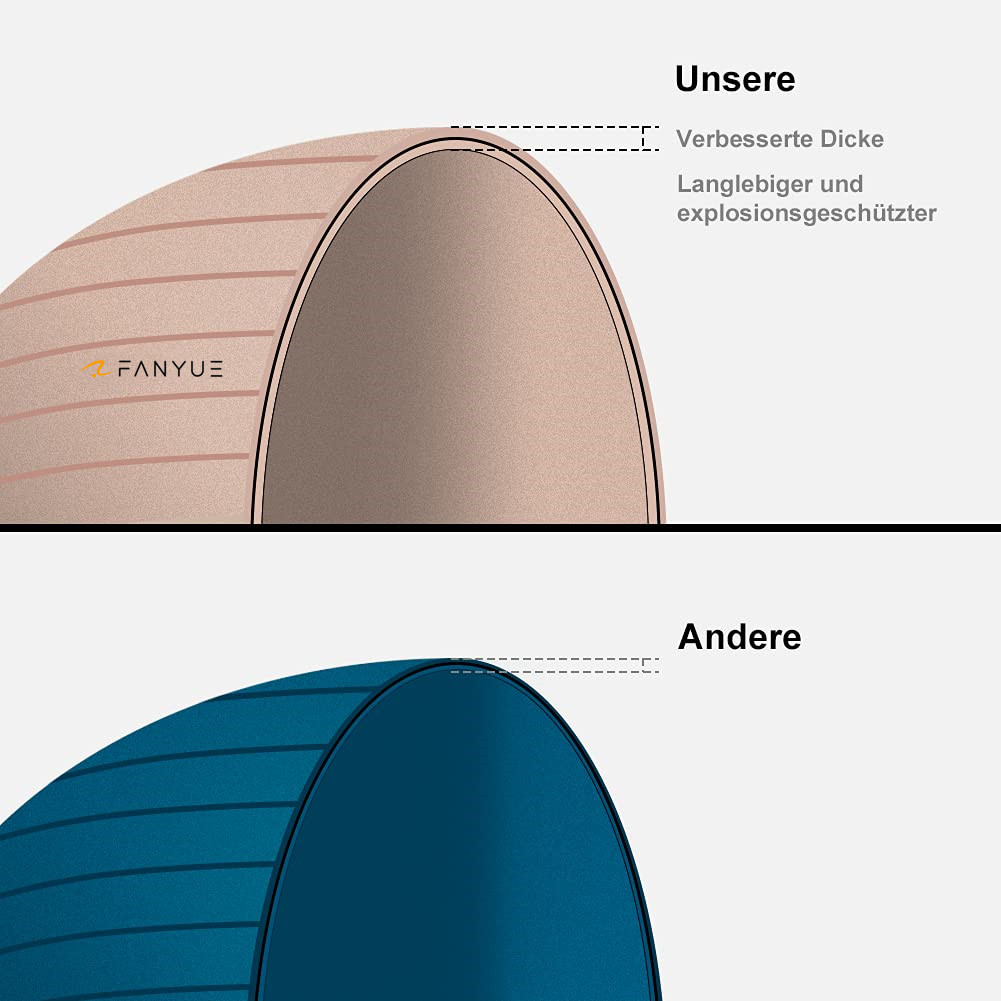
Not every yoga ball is suitable for therapeutic use. In rehabilitation settings, the yoga ball must be anti-burst rated to ensure patient safety, as sudden deflation during a recovery exercise could cause a fall or re-injury. Therapists and patients should select a yoga ball made from premium, durable PVC with a reinforced anti-burst structure. The yoga ball must also be properly sized — typically, a 65 cm yoga ball suits individuals between 165 cm and 180 cm in height, ensuring that hip and knee angles are correct during seated and weight-bearing exercises.
A yoga ball that comes with a base or stability ring offers additional safety for patients who are in early recovery stages or who have significant balance deficits. This ensures that the yoga ball remains in place during initial exercises, reducing fall risk while still delivering the therapeutic benefits of mild instability training.
Professional Supervision and Progression
A yoga ball is a powerful rehabilitation tool, but it must be used within a professionally designed program. Patients should not independently escalate yoga ball exercise difficulty without guidance from a licensed physical therapist. The progression from static yoga ball holds to dynamic yoga ball movements should be gradual and based on objective clinical assessments. Improper use of a yoga ball — for example, performing advanced yoga ball exercises too early in recovery — can strain healing tissues and set back rehabilitation timelines significantly.
FAQ
Is a yoga ball safe for patients with severe lower back injuries?
A yoga ball can be safe for patients with severe lower back injuries when exercises are prescribed and supervised by a qualified physical therapist. The key is beginning with very gentle, supported yoga ball positions and progressing only as pain and function allow. An anti-burst yoga ball with a stabilizing base is strongly recommended for this population to minimize fall risk.
How often should a yoga ball be used during physical therapy rehabilitation?
The frequency of yoga ball use in rehabilitation depends on the patient's condition, recovery stage, and therapist recommendations. In many programs, yoga ball exercises are performed three to five times per week, typically integrated within a broader rehabilitation session. Consistency with a yoga ball program tends to produce better neuromuscular and strength outcomes than infrequent use.
Can a yoga ball replace conventional physical therapy equipment?
A yoga ball is a highly versatile rehabilitation tool, but it is most effective as a complement to, rather than a replacement for, conventional physical therapy equipment. Resistance bands, weights, and specialized machines each offer benefits that a yoga ball cannot fully replicate. Using a yoga ball alongside other therapeutic tools, under professional guidance, produces the most well-rounded rehabilitation outcomes.