 EN
EN


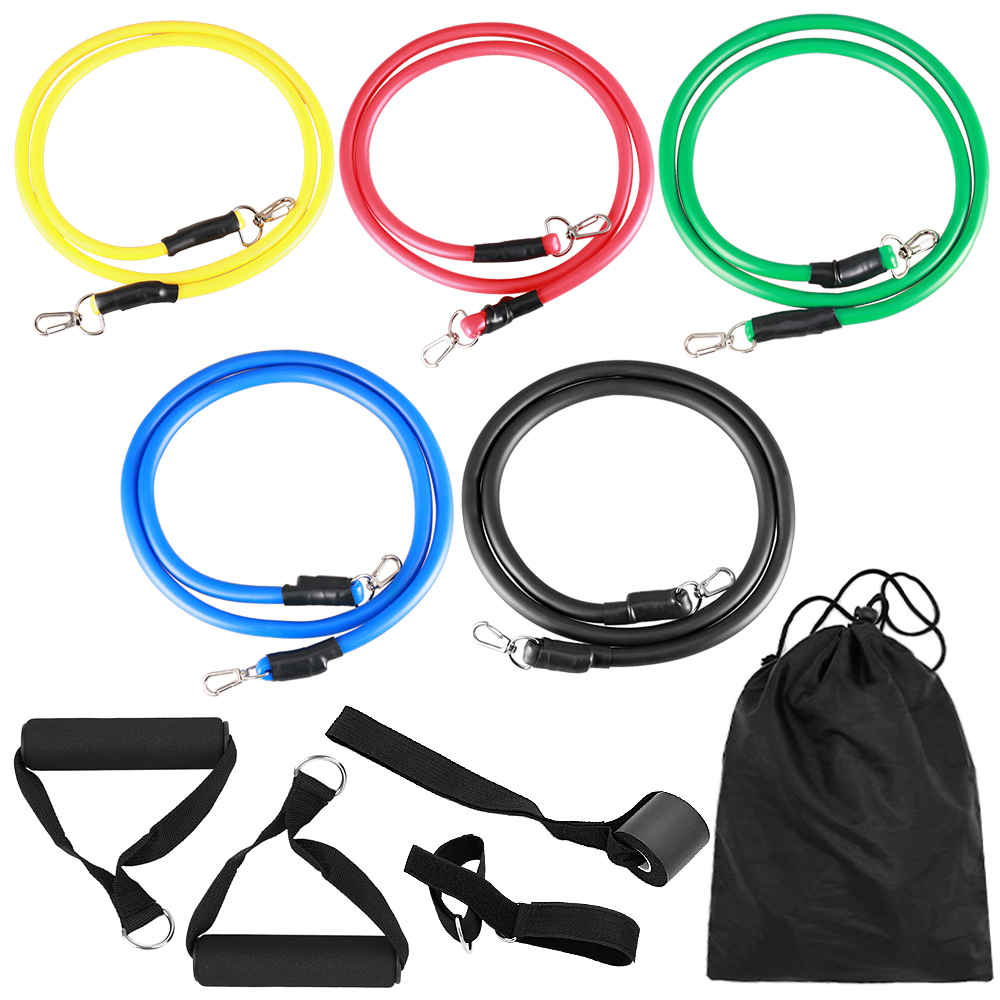
Athletes and fitness enthusiasts constantly seek tools that improve not just strength, but the quality of movement itself. A resistance tube offers exactly this kind of versatility. Unlike fixed machines that lock the body into rigid movement paths, resistance tube training engages stabilizer muscles, challenges coordination, and forces the nervous system to respond dynamically. This makes the resistance tube an unexpectedly powerful tool for developing agility and body control beyond basic strength gains.
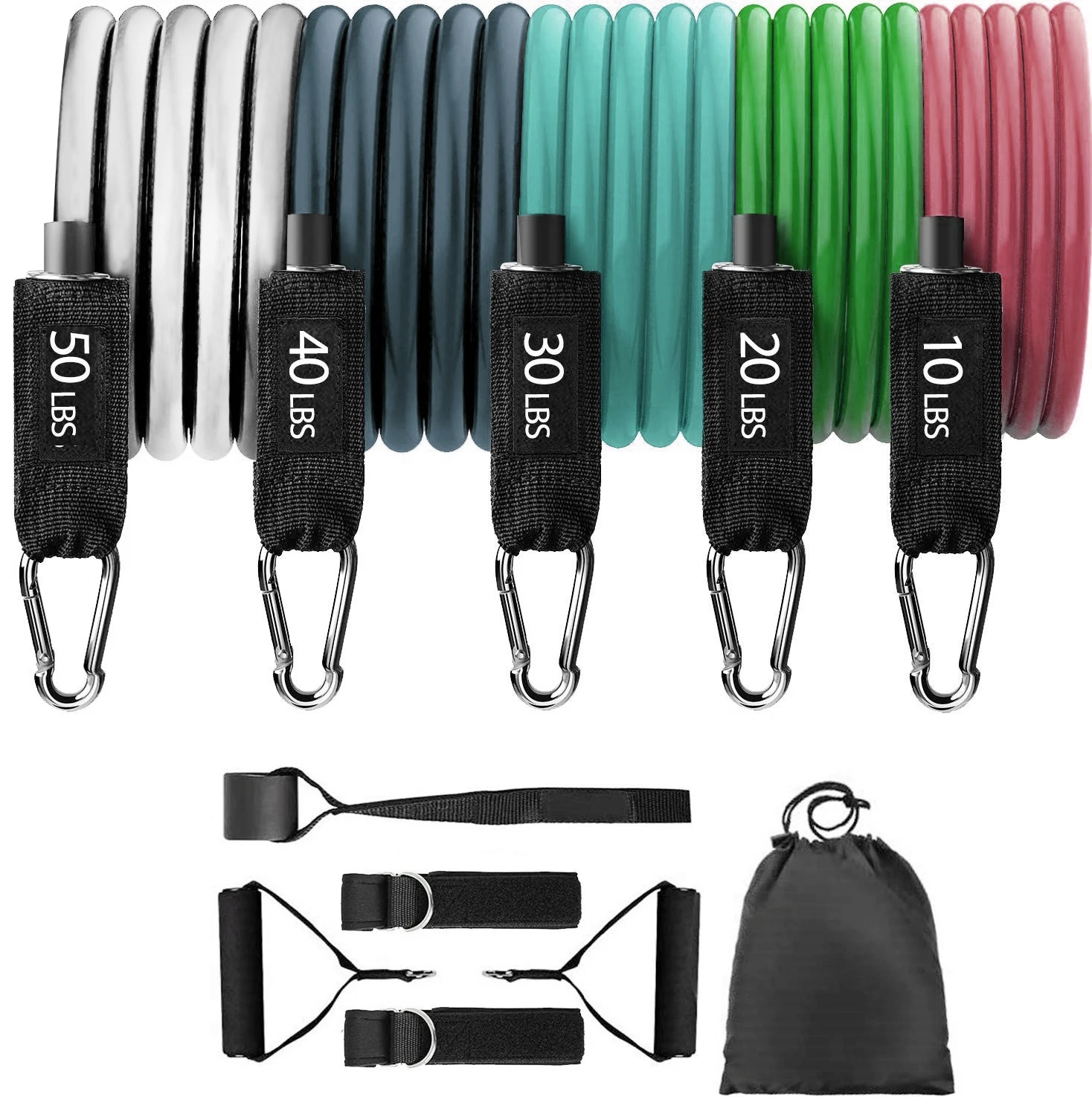
The short answer is yes — resistance tube workouts can meaningfully enhance agility and coordination when programmed correctly. The elastic nature of a resistance tube creates variable tension throughout each movement, which demands continuous neuromuscular adjustment. This constant adaptation is precisely what trains the body to move more efficiently, react faster, and maintain stability under unpredictable loads. Understanding why this happens and how to apply it will help you get far more from your resistance tube sessions.
How a Resistance Tube Trains Agility
Variable Tension and Reactive Movement
Agility is not just about speed — it is about controlled, precise changes in direction and body position. A resistance tube builds agility by introducing variable resistance that increases as the tube stretches. When you perform lateral shuffles, split-stance pulls, or rotational reaches with a resistance tube, the escalating tension forces your muscles to adapt mid-movement. This teaches the body to stay alert and make real-time corrections, which is exactly what agility demands during sport or functional activity.
Training with a resistance tube also encourages multi-planar movement. Standard gym equipment typically moves in one plane, but a resistance tube allows diagonal, rotational, and lateral patterns. These multi-directional exercises closely mimic real athletic demands. Over time, consistent resistance tube work builds the motor pathways that support quicker directional changes and more fluid transitions between movements.
Footwork and Lower-Body Speed Drills
Attaching a resistance tube around the ankles or waist during footwork drills adds meaningful load to agility-specific patterns. High knee runs, lateral band walks, and quick-step ladder drills become more demanding when performed with a resistance tube providing opposing tension. The muscles around the hips, glutes, and ankles must fire more actively to maintain speed and form, which directly translates to faster and more controlled movement off the resistance tube during unloaded activity. This phenomenon, known as overspeed contrast training, is well recognized in athletic conditioning.
How a Resistance Tube Develops Coordination
Engaging the Neuromuscular System
Coordination depends on the brain and muscles communicating efficiently. A resistance tube challenges this communication by creating unstable, elastic resistance that the nervous system must interpret and respond to continuously. Every repetition with a resistance tube is slightly different because elastic tension changes based on angle, speed, and range of motion. This constant variability keeps the neuromuscular system engaged at a higher level than static weights, reinforcing better movement patterns and inter-muscular coordination over time.
Bilateral and unilateral resistance tube exercises both play a role. Single-arm or single-leg resistance tube movements demand the core and stabilizing muscles to compensate for imbalance, which sharpens overall coordination. Compound movements like resistance tube pallof presses, single-leg deadlifts with the resistance tube, and standing rotational pulls all require multiple muscle groups to coordinate timing and force output simultaneously. The result is improved total-body movement quality.
Upper-Body and Core Coordination Benefits
Coordination is not only a lower-body or sport-specific attribute. The resistance tube excels at building upper-body coordination through exercises like diagonal chops, overhead pulls, and seated row variations. Because the resistance tube creates tension at angles not easily replicated by dumbbells, the shoulder, scapular, and rotator cuff muscles must work together in integrated patterns. For overhead athletes, martial artists, and anyone performing manual tasks, this kind of resistance tube training produces measurable improvements in arm speed, control, and shoulder stability.
Core coordination also benefits significantly from resistance tube training. Rotational resistance tube exercises require the obliques, transverse abdominis, and deep spinal muscles to coordinate their activation timing. This is far more functionally relevant than isolated ab exercises. A resistance tube can be anchored at various heights to create anti-rotation, anti-lateral flexion, and dynamic rotation challenges that systematically improve core coordination and positional awareness throughout movement.
Programming Resistance Tube Work for Athletic Performance
Structuring Sessions for Maximum Agility Gain
To genuinely enhance agility with a resistance tube, sessions should include specific drills designed around directional change and reactive patterns. Begin with dynamic warm-up movements using the resistance tube to activate the hips and ankles. Then progress to resisted sprint starts, lateral bound holds, and resisted deceleration drills. Each resistance tube exercise should be followed by an unloaded repetition of the same movement pattern to create a contrast effect that reinforces fast, clean mechanics. Keeping rest periods short maintains the neural demand throughout the session.
Frequency matters when training agility and coordination with a resistance tube. Two to three dedicated sessions per week using the resistance tube for agility-focused work is sufficient for noticeable improvement within four to six weeks. Progression should involve gradually increasing resistance tube tension, adding complexity to movement patterns, or reducing the time allowed to complete a movement. Each of these methods continues to challenge the neuromuscular system and prevents adaptation plateaus.
Combining Resistance Tube Training with Sport-Specific Movements
The resistance tube integrates seamlessly with sport-specific skill drills. Basketball players can perform resistance tube defensive slides while mimicking game footwork. Tennis athletes can use the resistance tube for resisted split-step reactions and cross-body stroke patterns. Martial artists can add resistance tube tension to their stance transitions and strike extensions. By overlaying resistance tube resistance onto familiar sport patterns, athletes train coordination and agility in the exact contexts where improvement is most meaningful. The resistance tube becomes a training accelerator rather than a separate tool.
FAQ
How often should I use a resistance tube for agility training?
Using a resistance tube for agility and coordination work two to three times per week is effective for most individuals. Allow recovery between sessions to let the neuromuscular adaptations consolidate. Consistent resistance tube training over four to six weeks typically produces visible improvements in movement quality and reactive speed.
What resistance level should I choose for a resistance tube?
For agility and coordination work, a lighter to moderate resistance tube is generally preferred over maximum tension. The goal is fluid, controlled movement rather than maximum force output. A resistance tube that provides enough challenge to activate stabilizers without compromising movement speed or form will deliver the best coordination and agility benefits.
Can beginners use a resistance tube for agility exercises?
Yes, beginners can absolutely start with resistance tube agility exercises. The resistance tube is scalable, and beginners should start with low-tension options and simple movement patterns before progressing to complex multi-directional drills. The resistance tube is forgiving in terms of joint stress, making it a safe and effective entry point for developing athletic movement skills at any fitness level.