 EN
EN


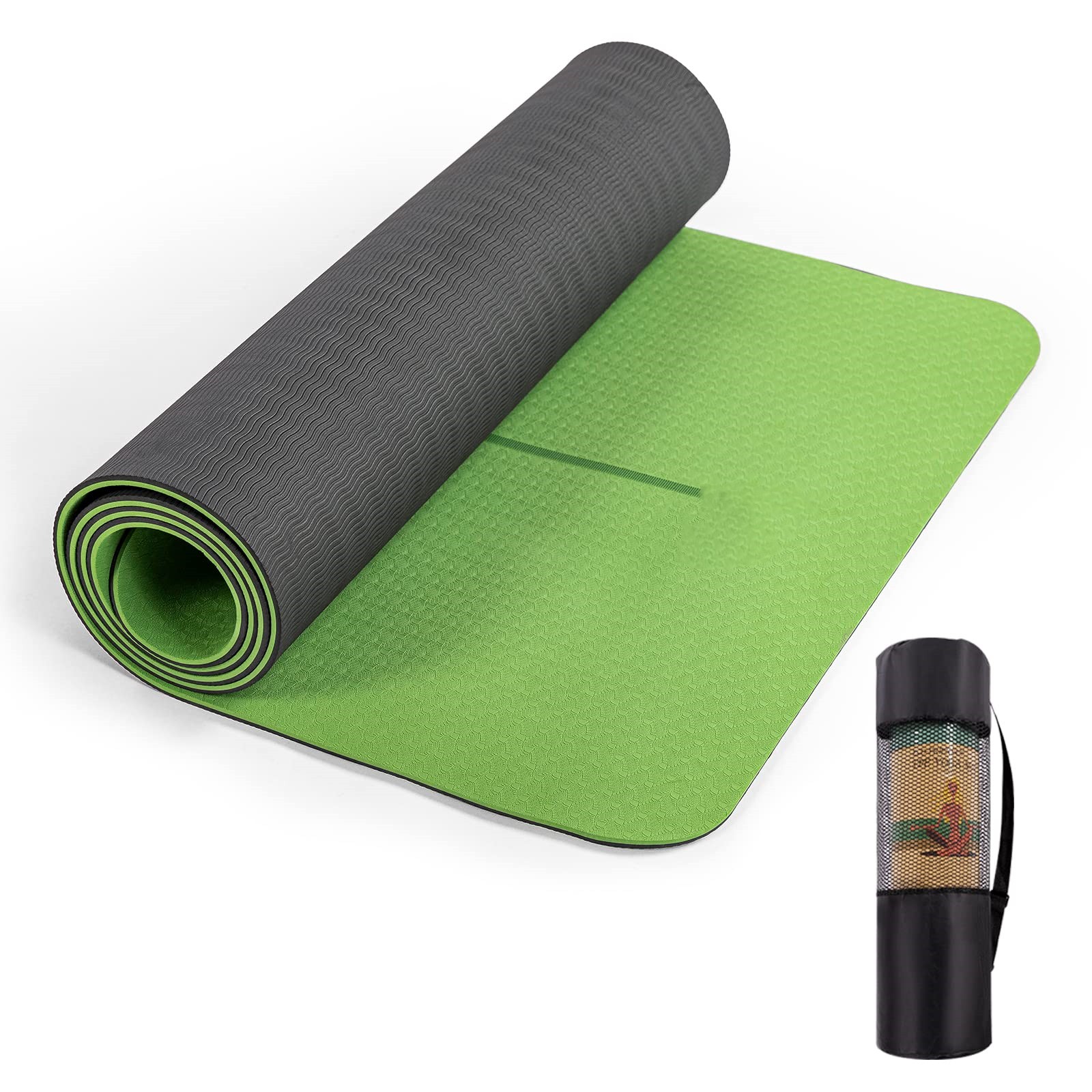
The global fitness market continues to grow at a rapid pace, and with it, demand for private-label and custom-manufactured fitness equipment has surged. One of the most frequently asked questions from fitness brands, gym chains, and retail buyers is whether yoga mat suppliers are genuinely capable of providing OEM and ODM manufacturing services. The short answer is yes — many specialized yoga mat manufacturers do offer both OEM and ODM options, but understanding the full scope of these services is essential before committing to a supplier relationship.
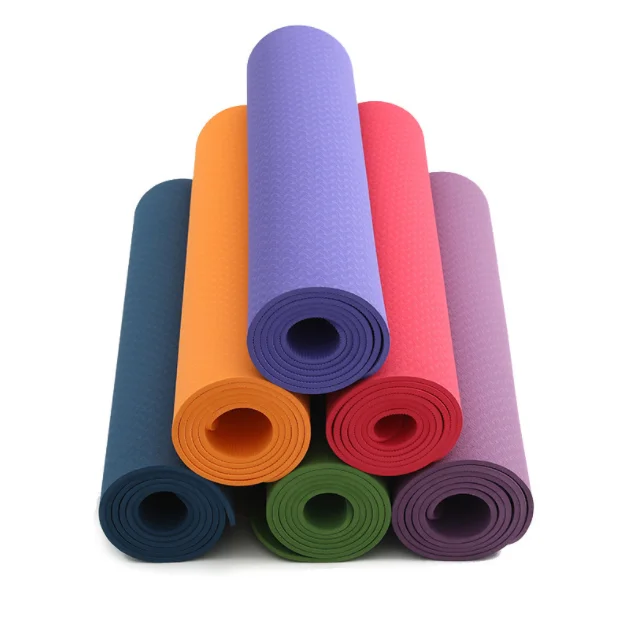
Whether you are launching a yoga mat brand from scratch or expanding an existing product line, OEM and ODM manufacturing pathways offer distinct advantages. With a quality-focused yoga mat manufacturer, businesses can develop products that carry their branding, meet specific performance standards, and stand out in a competitive retail environment. This article breaks down what OEM and ODM services mean in the context of yoga mat production, what capabilities suppliers typically offer, and how to evaluate whether a supplier is truly equipped to meet your requirements.
Understanding OEM and ODM in Yoga Mat Production
What OEM Means for Yoga Mat Buyers
OEM, or Original Equipment Manufacturing, means that a yoga mat supplier produces a product based on the buyer's own design and specifications. In this model, the buyer provides detailed requirements — including material composition, thickness, dimensions, surface texture, color schemes, and logo placement — and the manufacturer executes production accordingly. The buyer owns the intellectual property and the resulting yoga mat is sold under the buyer's brand. This model is ideal for companies that already have a well-developed product concept and simply need a capable manufacturing partner to bring it to life.
For a yoga mat business, OEM allows full control over the product. If your target customer demands a specific TPE yoga mat with a particular anti-slip texture and an eco-friendly material profile, OEM production lets you specify every detail. The supplier's role is precision manufacturing, not product development. This means the quality of your OEM yoga mat outcome depends heavily on how clearly your specifications are defined and how experienced the manufacturer is in executing custom orders at scale.
What ODM Means for Yoga Mat Buyers
ODM, or Original Design Manufacturing, is a different but equally valuable approach. In an ODM arrangement, the yoga mat supplier provides a ready-made product design that the buyer can license, rebrand, and sell under their own label. The manufacturer already has the product engineered, tested, and ready for production. The buyer selects a yoga mat model from the supplier's existing design library and applies their branding to it. This approach significantly reduces development time and upfront investment, making it particularly attractive for newer brands or those entering a product category quickly.
Many yoga mat suppliers who offer ODM services maintain an extensive portfolio of existing yoga mat designs across various materials, including TPE, natural rubber, PVC, and cork. Buyers can often request minor modifications to color, packaging, or surface print while keeping the core design intact. The key advantage of the ODM yoga mat model is speed-to-market combined with a reduced risk of product development failure, since the design has typically already been validated through production testing.
What Capabilities to Look for in a Yoga Mat Supplier
Material Options and Customization Depth
A credible yoga mat supplier offering OEM and ODM services should provide a broad range of material options. TPE is one of the most in-demand materials for an eco-friendly yoga mat due to its recyclability, lightweight nature, and excellent grip performance. Natural rubber yoga mat options are popular among premium and sustainability-focused brands, while PVC remains widely used for cost-sensitive product lines. The supplier's ability to work across multiple yoga mat material types signals genuine manufacturing depth rather than narrow specialization.
Customization depth goes beyond materials. A capable supplier should be able to customize yoga mat dimensions, thickness levels ranging from 3mm to 10mm or beyond, surface textures, printed patterns, strap and carry-bag accessories, and packaging design. For OEM yoga mat production specifically, the supplier should be open to working from technical drawings or material samples provided by the buyer. The more flexible the supplier is in adapting to buyer input, the more suitable they are for true OEM collaboration.
Quality Control and Certification Standards
Quality control is non-negotiable when sourcing a custom yoga mat. Reliable suppliers should have documented quality inspection processes covering incoming raw materials, in-process checks, and final product testing. For a yoga mat intended for international retail, certifications such as REACH, RoHS, SGS, or similar third-party testing standards are highly relevant. These certifications help verify that the yoga mat is free from harmful substances and meets the safety requirements of target markets in North America, Europe, and beyond.
When evaluating a yoga mat supplier for OEM or ODM work, request documentation of their existing certification credentials. Ask whether they can produce a yoga mat to meet specific regional compliance requirements. Established manufacturers who regularly export yoga mat products will generally be well-versed in these requirements and should be able to provide test reports upon request or arrange third-party testing as part of the order process.
How to Evaluate a Yoga Mat Supplier for OEM and ODM Suitability
Minimum Order Quantities and Lead Times
One of the most practical considerations when working with a yoga mat manufacturer on OEM or ODM projects is minimum order quantity, commonly referred to as MOQ. Custom yoga mat production requires setup time and tooling costs that suppliers typically offset through minimum volume commitments. MOQs can vary significantly depending on the level of customization, the material selected, and the supplier's production capacity. Understanding the MOQ for your specific yoga mat configuration is essential for budgeting and inventory planning.
Lead times for a custom yoga mat order depend on whether the project involves new mold creation, new material sourcing, or complex print work. ODM yoga mat orders with minor branding modifications tend to have shorter lead times than fully custom OEM yoga mat production. When requesting quotations, always ask for a detailed production timeline that covers sample development, approval stages, bulk production, and shipping. A transparent supplier will provide a yoga mat production schedule and stick to it reliably.
Sample Development and Communication Process
Before placing a bulk yoga mat order, any serious buyer should request product samples. A qualified yoga mat supplier offering OEM or ODM services will provide pre-production samples that closely reflect the final yoga mat in terms of material feel, thickness, color accuracy, and print quality. Evaluating the sample allows the buyer to assess whether the yoga mat meets their quality and branding standards before committing to full production. Some suppliers charge a sample fee for a custom yoga mat, which is often credited against bulk orders.
Clear and responsive communication is another indicator of a reliable yoga mat supplier. The OEM and ODM process for a yoga mat involves multiple back-and-forth exchanges around specifications, samples, and approvals. A supplier who responds promptly, provides detailed answers, and proactively flags potential issues is far more likely to deliver a successful yoga mat outcome. Look for suppliers who assign dedicated account managers to custom yoga mat projects, as this typically streamlines decision-making and reduces errors throughout production.
FAQ
Can small businesses access OEM yoga mat services, or is it only for large brands?
Many yoga mat suppliers offer OEM services to businesses of various sizes. While large brands may negotiate lower per-unit costs through high-volume yoga mat orders, smaller buyers can still access custom yoga mat production by working with suppliers that have flexible MOQs. ODM yoga mat options are particularly accessible for smaller businesses since the design work is already done, reducing development costs significantly.
What is the typical minimum order quantity for a custom yoga mat?
MOQs for a custom yoga mat vary depending on the supplier and the level of customization required. Some yoga mat manufacturers set MOQs as low as 200 to 500 units for ODM orders with logo printing, while fully custom OEM yoga mat production may require 1,000 units or more. Always confirm MOQ details with the supplier early in discussions to ensure alignment with your business capacity.
How long does it take to develop a custom yoga mat from concept to delivery?
The timeline for developing a custom yoga mat depends on the complexity of the project. A simple ODM yoga mat with logo customization may take four to six weeks from order confirmation to shipment. A fully customized OEM yoga mat involving new materials, mold development, and unique surface textures can take ten to sixteen weeks or longer. Always agree on a clear yoga mat production and delivery schedule with your supplier before starting the project.