 EN
EN


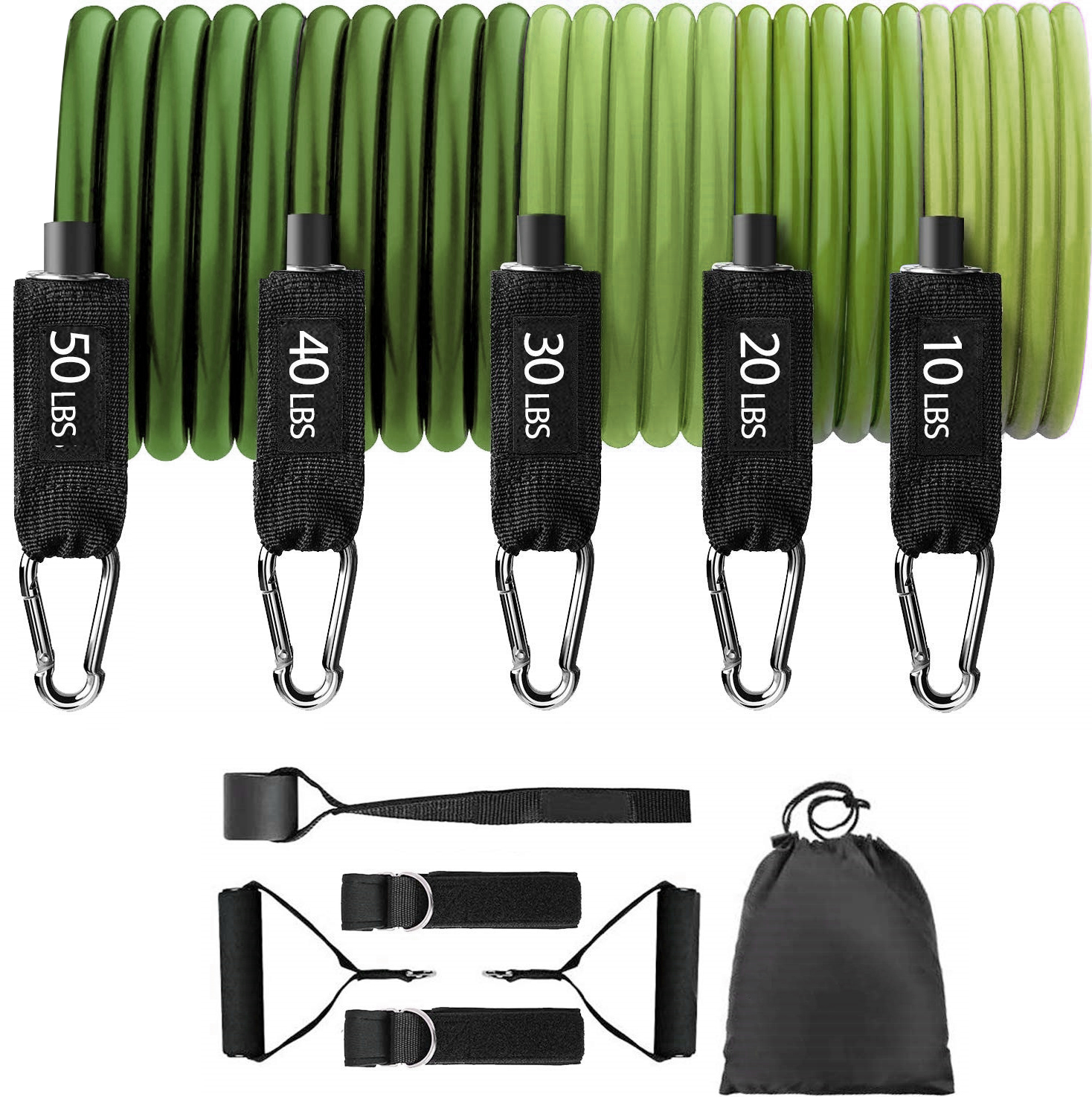
The resistance tube has quietly become one of the most searched and purchased fitness products in the home workout category. What was once considered a rehabilitation tool or a secondary gym accessory has evolved into a central piece of home fitness equipment. Consumers across age groups are turning to the resistance tube as a practical, space-saving, and affordable solution for full-body training. Understanding what is driving this trend reveals important insights for both buyers and fitness market observers.
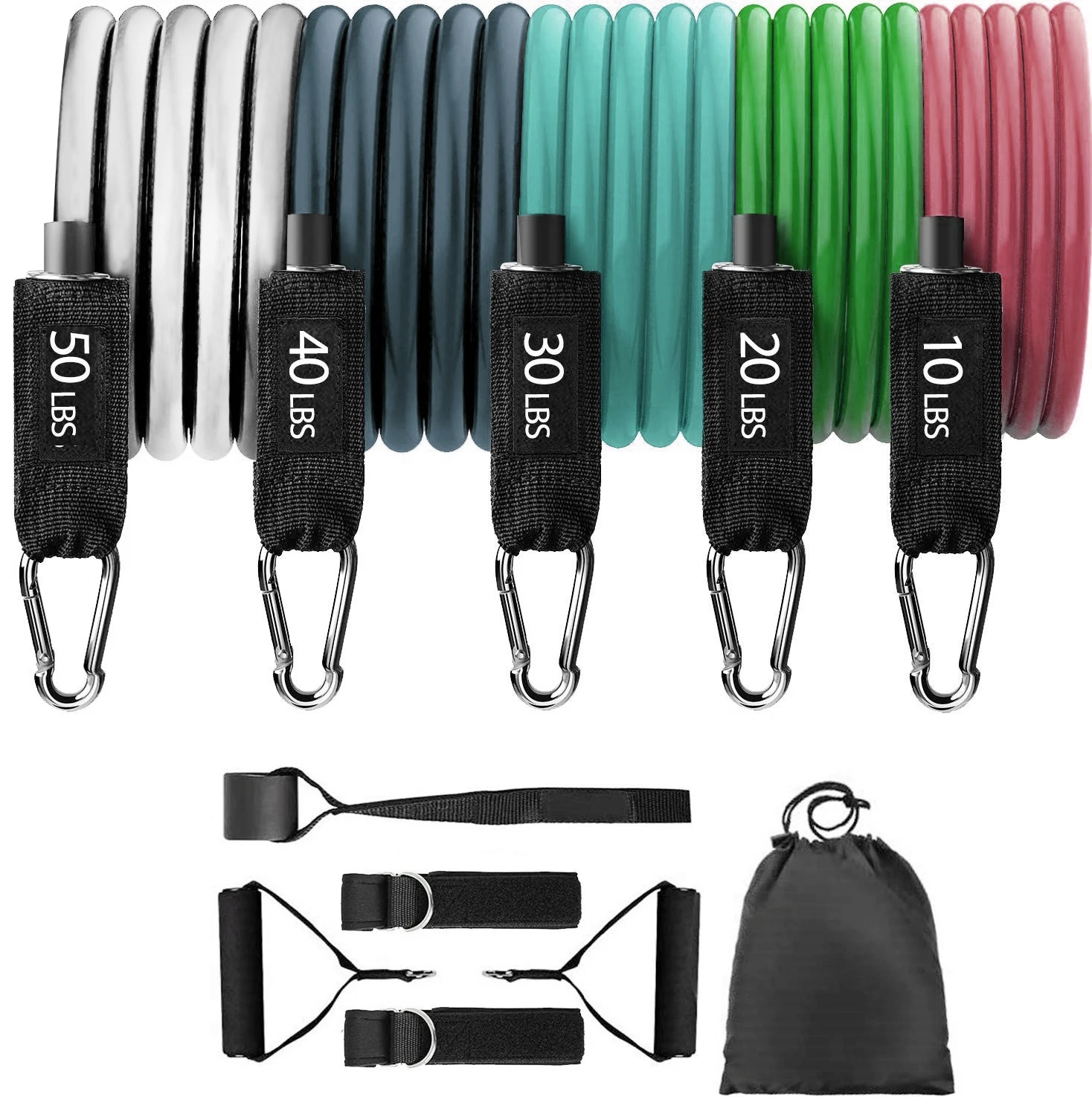
The growth in demand for the resistance tube is not a random spike. It reflects deeper behavioral shifts in how people approach fitness, how they allocate budgets, and what they expect from exercise equipment. A resistance tube offers versatility that few products can match at a comparable price point. Whether used for strength training, physical therapy, stretching, or cardio circuits, the resistance tube continues to prove its value in real-world home fitness environments. This article explores the key reasons why the resistance tube is trending and why that momentum shows no signs of slowing down.
The Shift Toward Home-Based Fitness Culture
Consumer Lifestyle Changes Driving Demand
Home fitness has undergone a permanent transformation over the past several years. More people now prefer the convenience and privacy of working out at home rather than commuting to a commercial gym. In this environment, the resistance tube fits naturally because it requires minimal space, no installation, and can deliver a complete workout without any additional machines. A single resistance tube or a stackable resistance tube set allows users to replicate a wide variety of gym exercises within a small apartment or home office setting. This alignment with modern lifestyle priorities is a primary reason the resistance tube has gained so much traction.
Affordability and Accessibility of Resistance Tube Sets
Budget consciousness plays a significant role in the resistance tube trend. Compared to barbells, cable machines, or multi-station home gyms, a resistance tube set is dramatically more affordable. A stackable resistance tube set offering up to 150 lbs of combined resistance can be purchased at a fraction of the cost of traditional equipment. This price-to-value ratio makes the resistance tube highly accessible to a broad consumer base, including students, young professionals, and older adults seeking low-impact exercise options. The financial barrier to entry is simply lower with a resistance tube than with almost any other strength training format.
Functional Versatility and Training Effectiveness
Full-Body Training With a Single Resistance Tube
One of the most compelling selling points of the resistance tube is its ability to engage multiple muscle groups within a single training session. Users can perform upper body exercises such as bicep curls, shoulder presses, and chest flys using a resistance tube without any additional tools. Lower body movements like squats, leg presses, and glute kickbacks are equally achievable. The resistance tube also supports core activation exercises, making it a genuinely complete fitness tool. This functional versatility means buyers feel confident that a single resistance tube purchase will cover their entire workout routine, which increases perceived value and purchase intent.
Progressive Resistance and Stackable Design
Modern resistance tube products are often designed with stackable systems that allow users to combine multiple tubes for increased resistance levels. A well-designed resistance tube set typically includes tubes of varying tension levels, door anchors, handles, and ankle straps, providing a gym-like experience at home. This progressive resistance feature is important for fitness enthusiasts who want to continue building strength over time. The ability to increase resistance incrementally using the same resistance tube set supports long-term training progress, reducing the need to purchase replacement equipment as fitness levels improve. Buyers recognize this scalability and factor it heavily into their purchase decisions.
Market Trends Amplifying Resistance Tube Popularity
Social Media and Online Fitness Communities
The resistance tube has benefited enormously from exposure through social media platforms and online fitness communities. Fitness influencers regularly demonstrate resistance tube workouts across video and photo formats, showing real users how effective the resistance tube can be for toning, rehabilitation, and athletic conditioning. These organic content streams have introduced the resistance tube to audiences who may never have considered it through traditional retail advertising. When a viewer watches a credible fitness creator achieve visible results using a resistance tube, the barrier to purchase drops significantly. Social proof has been one of the most powerful accelerators of the resistance tube trend in home fitness markets.
B2B and Retail Distribution Growth
On the supply side, the resistance tube has also become a preferred product for retailers, fitness studios, and corporate wellness programs. Bulk resistance tube orders are increasingly common in B2B channels as companies invest in employee wellness packages and gyms diversify their product offerings. The lightweight and compact nature of the resistance tube makes it ideal for shipping, warehousing, and gifting, all of which appeal to B2B buyers managing logistics costs. Private label resistance tube production has also expanded, allowing brands to offer customized sets without significant upfront investment. These commercial drivers compound the consumer-side demand and reinforce the resistance tube as a stable, high-growth product category.
FAQ
What makes a resistance tube different from a flat resistance band?
A resistance tube is a cylindrical elastic tube typically equipped with handles, door anchors, and attachments that mimic gym cable machines. A flat resistance band is wider and flatter, more commonly used for stretching or physical therapy. The resistance tube is generally preferred for strength training exercises that require a grip, making it more versatile for structured workout routines at home or in a studio environment.
How do I choose the right resistance tube set for my fitness level?
When selecting a resistance tube set, consider the combined resistance range available in the kit. Beginners typically benefit from a resistance tube set with lighter tension options, while intermediate and advanced users should look for stackable resistance tube sets that offer higher resistance levels, such as those reaching 100 lbs or more in combined tension. Color-coded resistance tube products make it easy to identify tension levels and progress systematically through a training program.
Is the resistance tube suitable for older adults or those recovering from injury?
Yes, the resistance tube is widely recommended for older adults and individuals in rehabilitation settings. The elastic resistance provided by a resistance tube creates smooth, joint-friendly tension throughout each movement, reducing the impact stress associated with free weights or machines. Physical therapists frequently incorporate the resistance tube into recovery protocols for shoulder, knee, and hip rehabilitation. Because resistance tube exercises can be performed seated or in supported positions, they are accessible to a wide range of mobility levels and fitness backgrounds.