 EN
EN


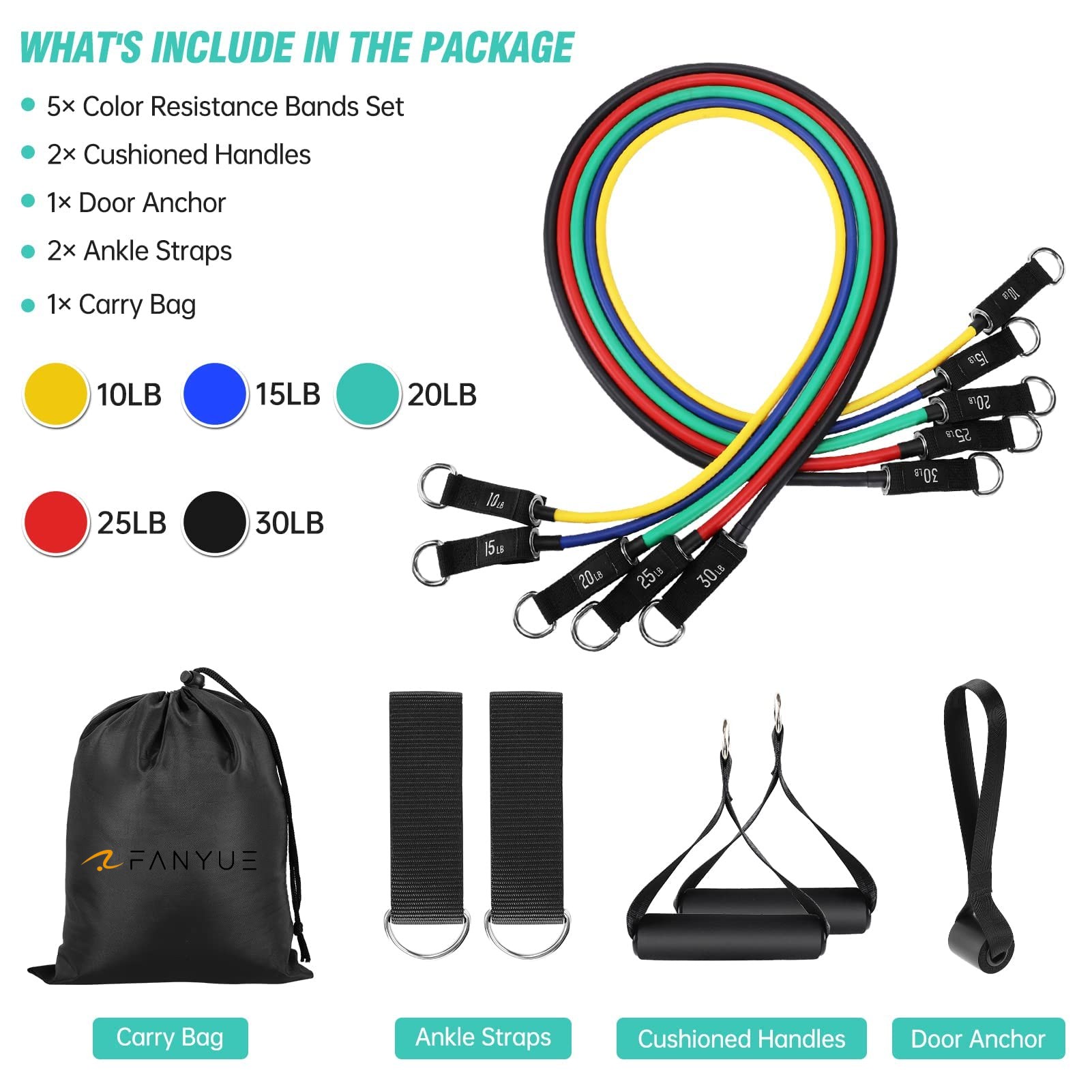
A resistance tube is one of the most effective tools available for improving how the body moves, not just how much weight it can lift. Unlike fixed machines that lock your body into a single plane, a resistance tube responds to your movement patterns, challenging muscles to stabilize, coordinate, and control motion through a full range. This dynamic quality is exactly why physical therapists, coaches, and fitness professionals rely on resistance tube training to rebuild and refine movement quality in their clients.
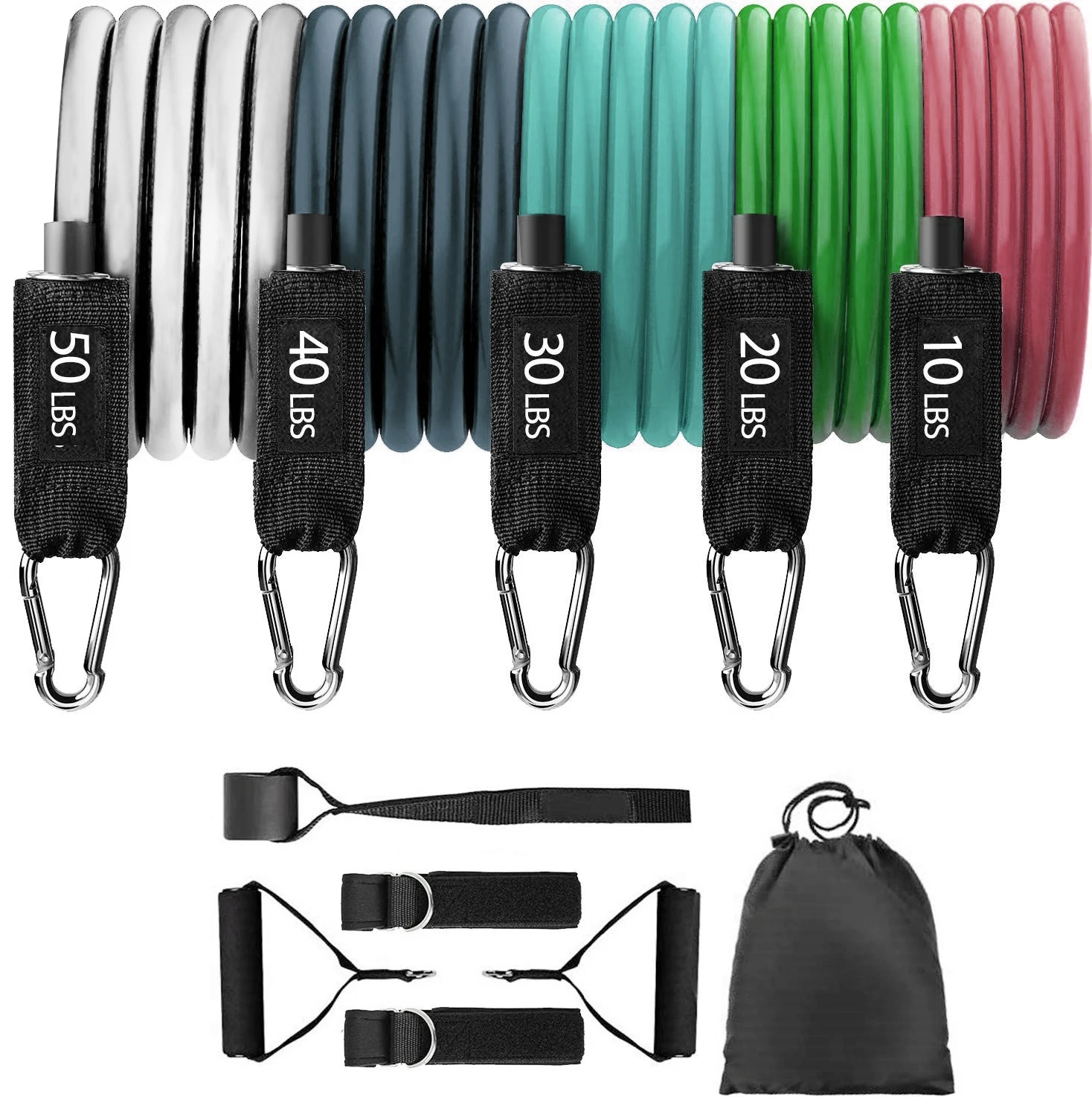
Movement quality refers to how efficiently and safely your body performs actions like squatting, reaching, rotating, and stepping. Poor movement quality often leads to compensation patterns, joint strain, and eventually injury. A resistance tube introduces variable tension that mirrors real-world movement demands, making it uniquely suited to correct imbalances and build a more capable, resilient body. This article explores exactly how resistance tube workouts develop that quality from the ground up.
The Mechanics Behind Resistance Tube Training
Variable Resistance and Muscle Activation
One of the defining properties of a resistance tube is variable resistance. As you stretch the tube further, the tension increases progressively. This means your muscles face greater load at the end range of motion, precisely where joints are most vulnerable. Training with a resistance tube at this extended range strengthens the stabilizing muscles that protect those joints, improving both control and endurance throughout the full movement arc.
With a resistance tube, your nervous system must continuously adapt to shifting tension levels. This constant neuromuscular engagement improves proprioception, which is your body's ability to sense joint position and movement in space. Better proprioception directly translates to more fluid, precise, and safe movement in daily activity and sport. Each resistance tube session builds this awareness in a way that static weight training simply cannot replicate.
Multi-Plane Loading and Functional Patterns
A resistance tube can be anchored, held, looped, or doubled to create resistance in virtually any direction. This makes it ideal for training rotational, lateral, and diagonal movement patterns that reflect how the human body actually moves. Exercises like resistance tube woodchops, lateral band walks, and pallof press variations train the body across multiple planes simultaneously, reinforcing the movement coordination needed for athletic performance and injury prevention.
Functional movement quality demands that muscles work together in synergistic chains rather than in isolation. A resistance tube workout naturally encourages this chain activation because the instability of elastic resistance requires the core, hips, and limbs to cooperate. Each time you perform a resistance tube pull, row, or squat, your body is practicing integrated movement, which is the foundation of high-quality, efficient motion.
How Resistance Tube Training Corrects Imbalances
Addressing Strength Asymmetries
Bilateral strength imbalances are one of the most common contributors to poor movement quality. When one side of the body is significantly stronger than the other, the body compensates by shifting load, rotating, or tilting during movement. A resistance tube is particularly effective at identifying and correcting these asymmetries because you can isolate each limb independently. Single-arm resistance tube rows, single-leg resistance tube squats, and unilateral presses all expose and address side-to-side differences directly.
Because a resistance tube provides consistent, measurable tension, you can progressively challenge the weaker side without overloading the stronger one. Over time, this targeted approach levels out strength differences, restores symmetrical movement patterns, and reduces the compensatory habits that lead to chronic pain or acute injury. Regular resistance tube training makes bilateral balance a realistic and achievable goal for most users.
Rebuilding Joint Stability and Control
Joint instability is a primary driver of movement dysfunction. Unstable joints require surrounding muscles to work overtime as compensators, which degrades movement quality and accelerates wear. A resistance tube is widely used in rehabilitation and prehabilitation precisely because it allows progressive loading of joint-stabilizing muscles without compressive force. The shoulder, knee, and hip all respond well to resistance tube exercises that build rotator function, hip abductor strength, and knee tracking control.
Using a resistance tube for hip external rotation drills, shoulder external rotation holds, or terminal knee extension exercises directly targets the small stabilizer muscles that govern joint alignment. These muscles are often neglected in traditional weightlifting programs. A resistance tube brings them back into active development, restoring proper joint mechanics and laying the groundwork for cleaner, pain-free movement quality across all activity types.
Building Long-Term Movement Quality with Resistance Tube Workouts
Progressive Overload with Elastic Resistance
Progressive overload is essential for long-term physical improvement, and a resistance tube supports this principle effectively. By stacking multiple resistance tubes, using shorter gripping positions, or slowing down the tempo of each exercise, you can continuously increase the training stimulus. A stackable resistance tube set that offers up to 150 lbs of combined tension provides a wide enough range to serve beginners and advanced athletes alike throughout a full training continuum.
This scalability means a resistance tube workout does not plateau quickly. As your movement quality improves and your muscles become more capable, you can advance the challenge through increased tension or more complex movement patterns. The resistance tube grows with your ability, making it a long-term investment in both fitness and movement health rather than a temporary fix.
Integrating Resistance Tube Training into Daily Practice
Consistency is the most important factor in improving movement quality over time. A resistance tube makes consistency easier because it is portable, lightweight, and requires no fixed equipment. You can use a resistance tube for a morning warm-up, a midday mobility session, or a full strength workout, adapting the format to fit your schedule. This accessibility reduces barriers and supports the kind of regular practice that produces lasting movement improvements.
Including a resistance tube in your warm-up activates stabilizer muscles before heavier lifting, priming the body for quality movement. Using a resistance tube in cool-down routines lengthens muscles under load, improving tissue quality and flexibility. When integrated consistently across a training week, resistance tube sessions create a compounding effect on movement quality that accumulates into measurable improvements in strength, coordination, and body awareness.
FAQ
How often should I use a resistance tube to see movement quality improvements?
Using a resistance tube three to five times per week, even in shorter sessions of fifteen to twenty minutes, is typically enough to see noticeable improvements in movement quality within four to six weeks. Consistency matters more than session length, so integrating a resistance tube into your regular warm-up or cool-down routine is an effective and sustainable approach.
Can a resistance tube replace free weights for movement quality training?
A resistance tube and free weights serve complementary roles. A resistance tube is superior for training stability, neuromuscular control, and multi-plane movement patterns, while free weights excel at building maximal strength and bone density. For movement quality specifically, a resistance tube often delivers greater functional benefit than free weights alone, especially for joint stabilization and coordination work.
What resistance tube tension level is best for beginners focused on movement quality?
Beginners should start with a lighter resistance tube tension, typically in the ten to twenty pound range, to focus on movement mechanics without compensating due to excessive load. As technique and control improve, you can progress to a heavier resistance tube gradually. A stackable resistance tube set is ideal because it allows fine-tuned tension adjustments as your movement quality and strength develop over time.