 EN
EN


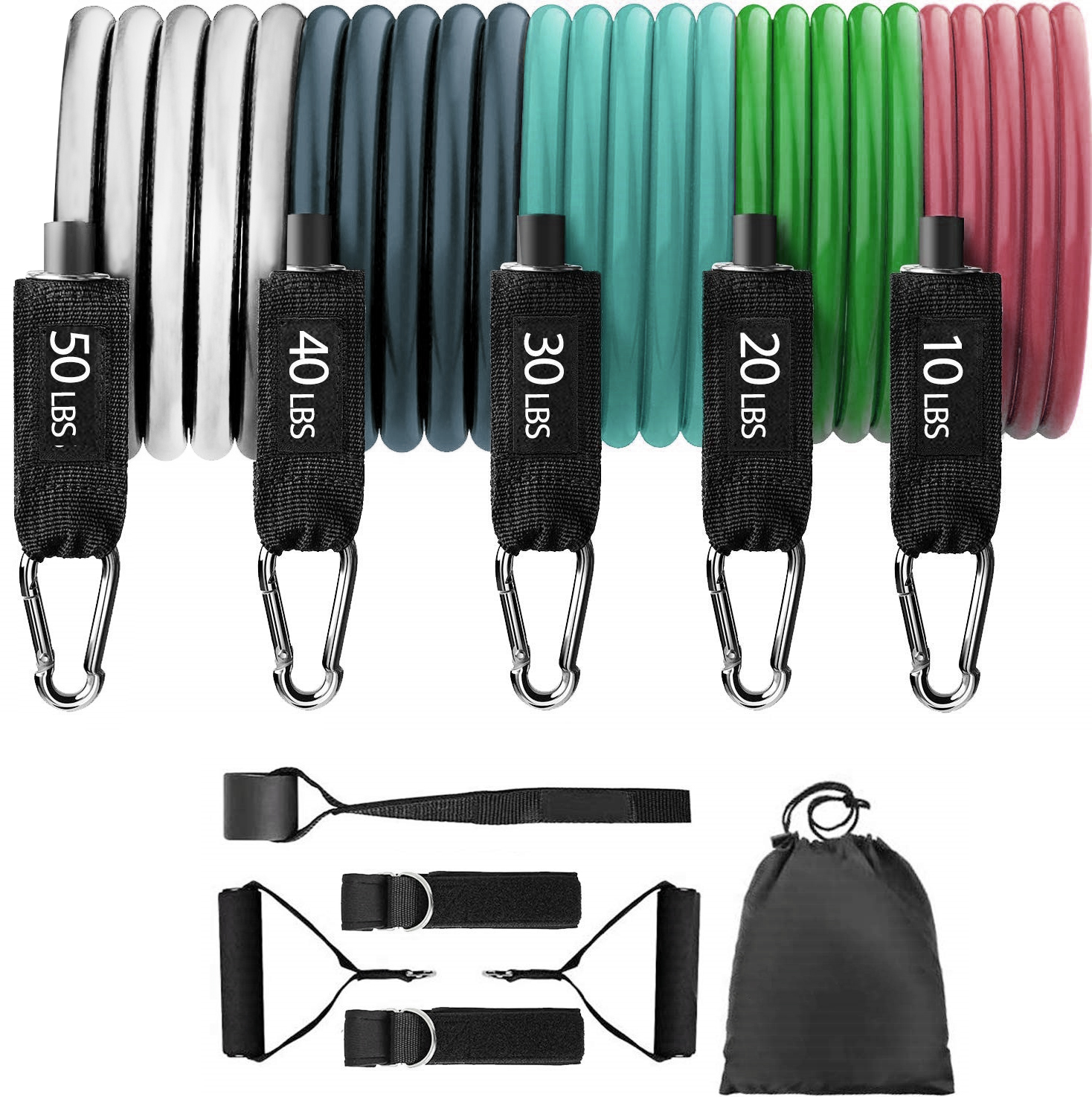
When recovering from an injury, the path back to full function requires a careful balance between rest, gentle loading, and progressive challenge. A resistance tube offers exactly this kind of controlled, adaptable training stimulus. Unlike free weights or machines, a resistance tube provides smooth, elastic tension that can be adjusted instantly, making it one of the most rehabilitation-friendly tools available to both patients and trainers.
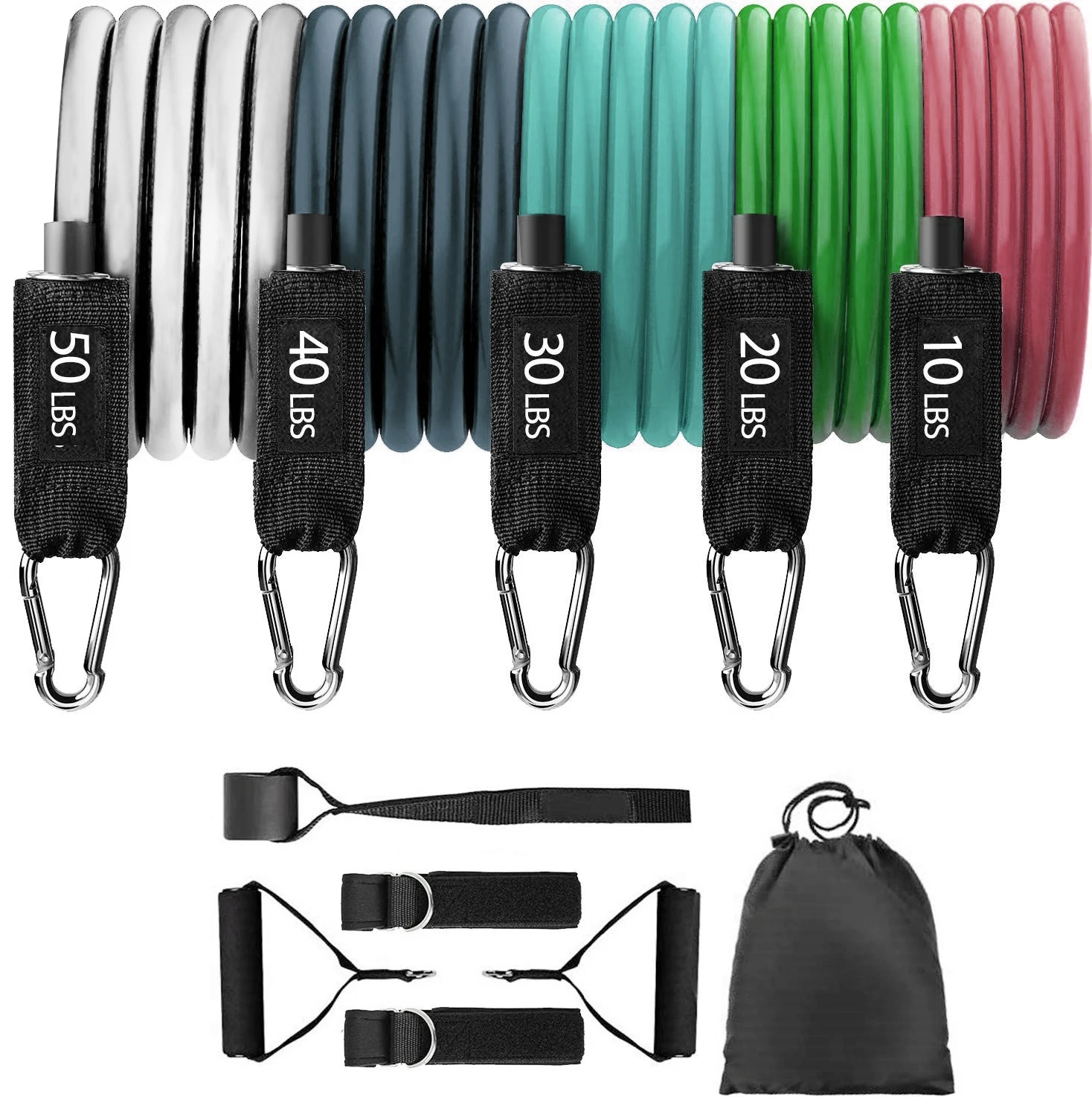
Post-injury recovery plans are highly individualized, but nearly all of them share a common requirement: progressive loading that does not place excessive stress on healing tissue. A resistance tube meets this need remarkably well. The elastic nature of a resistance tube means force increases gradually through the range of motion, which protects joints and tendons while still stimulating muscle activation. This article explores how resistance tube training fits into recovery programs, why healthcare providers recommend it, and how to use a resistance tube safely across different recovery phases.
Why the Resistance Tube Suits Rehabilitation Needs
Low-Impact Load That Protects Healing Tissue
One of the defining advantages of a resistance tube in rehabilitation is its low-impact loading profile. When a person pulls or pushes against a resistance tube, the tension builds smoothly rather than applying sudden force to a joint. This characteristic makes a resistance tube far more forgiving than dumbbells or weight machines during the early stages of recovery, when tissues remain fragile and inflammation may still be present. Physical therapists frequently introduce a resistance tube within the first two to four weeks after soft-tissue injury precisely because the elastic load is controllable and reversible.
A resistance tube also allows a practitioner or the individual to choose the exact starting tension. Light-gauge resistance tube options apply minimal force, which is ideal for relearning movement patterns without pain. As healing progresses, switching to a heavier resistance tube gradually increases the mechanical demand on the muscle without requiring any change in exercise technique. This seamless scalability is difficult to replicate with fixed-weight tools, and it is a primary reason rehabilitation professionals keep a resistance tube set on hand as a core clinical resource.
Range-of-Motion Benefits During Recovery
Range-of-motion restoration is often the first goal after an orthopedic injury or surgery. A resistance tube supports this goal by providing gentle assistive or resistive tension depending on how it is anchored. During shoulder rehabilitation, for example, a resistance tube can be looped at a fixed point to guide the arm through a safe arc of movement, providing just enough feedback to encourage full extension without strain. Similarly, for knee recovery, a resistance tube attached at the ankle can support controlled leg extensions that rebuild quadriceps function progressively. The versatility of a resistance tube in adjusting both direction and intensity of force makes it an exceptional range-of-motion tool.
Resistance Tube Training Across Recovery Phases
Early-Phase Recovery: Activation and Stability
In the early phase of recovery, the primary goals are reducing pain, preventing muscle atrophy, and restoring basic neuromuscular control. A resistance tube is ideally suited to this phase because exercises can be performed in seated or lying positions with minimal axial load on the spine or lower extremities. Simple resistance tube movements such as seated rows, shoulder external rotations, and ankle dorsiflexion drills can reactivate dormant muscle groups without overloading healing structures. Even mild resistance tube tension applied consistently over several sessions can prevent significant strength loss during the immobilization or restricted-activity period following injury.
During this phase, the resistance tube also helps re-establish proprioceptive awareness, which is frequently disrupted by injury. The constant feedback from a resistance tube during movement teaches the nervous system to re-coordinate muscle firing patterns, which reduces the risk of compensatory movement habits that could lead to secondary injury. Using a resistance tube for short, frequent sessions in early recovery creates a neurological foundation that accelerates progress in later phases.
Mid-Phase Recovery: Strength and Coordination
As pain decreases and tissue integrity improves, the mid-phase of recovery shifts focus toward rebuilding functional strength and movement coordination. A resistance tube becomes particularly valuable here because it can replicate functional movement patterns in ways that isolated machine exercises cannot. A resistance tube can be anchored at various heights and angles to simulate pushing, pulling, rotating, and carrying motions that mirror real-life activity. This functional loading through a resistance tube helps train the injured area in the context of whole-body movement, which is critical for returning to daily tasks or athletic performance.
Resistance tube exercises during mid-phase recovery should progressively increase in complexity and load. Moving from single-joint resistance tube movements to multi-joint patterns such as resistance tube lunges with an overhead press challenges balance, core stability, and targeted muscle groups simultaneously. The gradual progression that a resistance tube allows ensures the body is challenged without being overwhelmed, which keeps the recovery timeline on track and minimizes the risk of setbacks.
Late-Phase Recovery: Power and Return to Function
In the late phase of recovery, the goal is restoring functional capacity and confidence in the injured area. A resistance tube can support power development through faster, more dynamic movements. Resistance tube exercises such as quick rows, rotational chops, and explosive pulls introduce velocity-based training that prepares muscles and connective tissue for real-world demands. A resistance tube allows these dynamic movements to be performed safely because the elastic resistance decelerates the movement naturally at end-range, reducing the risk of hyperextension or sudden impact forces. This makes a resistance tube uniquely suited for the transition back to sport or physically demanding work.
Practical Guidelines for Resistance Tube Use in Recovery
Setting Up a Safe Resistance Tube Routine
Before beginning any resistance tube program during recovery, it is essential to consult with a qualified healthcare provider or physiotherapist. A resistance tube routine should be designed around the specific injury, the individual's current functional level, and the phase of healing. Choosing the correct resistance tube tension is critical. Starting with a lighter resistance tube and observing pain response during and after exercise helps establish a safe baseline. Any resistance tube exercise that produces sharp pain, joint swelling, or unusual fatigue should be discontinued and reviewed with a clinician.
Proper anchoring is also important when using a resistance tube during recovery. A resistance tube must be secured to a stable surface to prevent slipping or snapping during exercise. Regular inspection of the resistance tube for nicks, tears, or discoloration ensures the equipment remains safe to use. A well-maintained resistance tube is a reliable recovery tool, but a damaged resistance tube can create a safety hazard, particularly for individuals whose balance and strength may not yet be fully restored.
Consistency and Progression with a Resistance Tube
Recovery outcomes improve significantly when resistance tube training is performed consistently. Short daily sessions with a resistance tube are generally more effective than infrequent longer sessions because frequent low-stress stimulus encourages tissue adaptation without accumulating excessive fatigue. As strength and range of motion improve, resistance tube tension should be increased systematically, and exercise complexity should advance from isolated to integrated movements. Tracking resistance tube session frequency, load level, and exercise type provides useful data for both the individual and their healthcare team to monitor recovery progress objectively.
FAQ
Can I use a resistance tube immediately after an injury?
Using a resistance tube immediately after injury should only be done under the guidance of a healthcare professional. In many cases, a resistance tube can be introduced within the first few weeks when appropriate light-tension exercises are prescribed. However, the timing depends on the injury type, severity, and individual healing response. Always seek professional advice before starting resistance tube training after an acute injury.
How do I choose the right resistance tube for my recovery stage?
Selecting the correct resistance tube depends on your current strength level and the phase of recovery you are in. In early recovery, a light or extra-light resistance tube is typically recommended. As you progress, moving to a medium or heavier resistance tube helps build functional strength. A stackable resistance tube set that offers multiple tension levels allows you to adjust resistance precisely as your recovery advances, making it a practical long-term investment for rehabilitation.
Are resistance tube exercises safe for joint injuries?
Yes, resistance tube exercises are widely considered safe for many types of joint injuries when performed correctly and at appropriate tension levels. The elastic loading profile of a resistance tube reduces peak joint stress compared to free weights, making it suitable for knee, shoulder, hip, and ankle recovery programs. Always confirm with your physiotherapist which resistance tube exercises are appropriate for your specific joint injury and current healing stage before proceeding.