 EN
EN


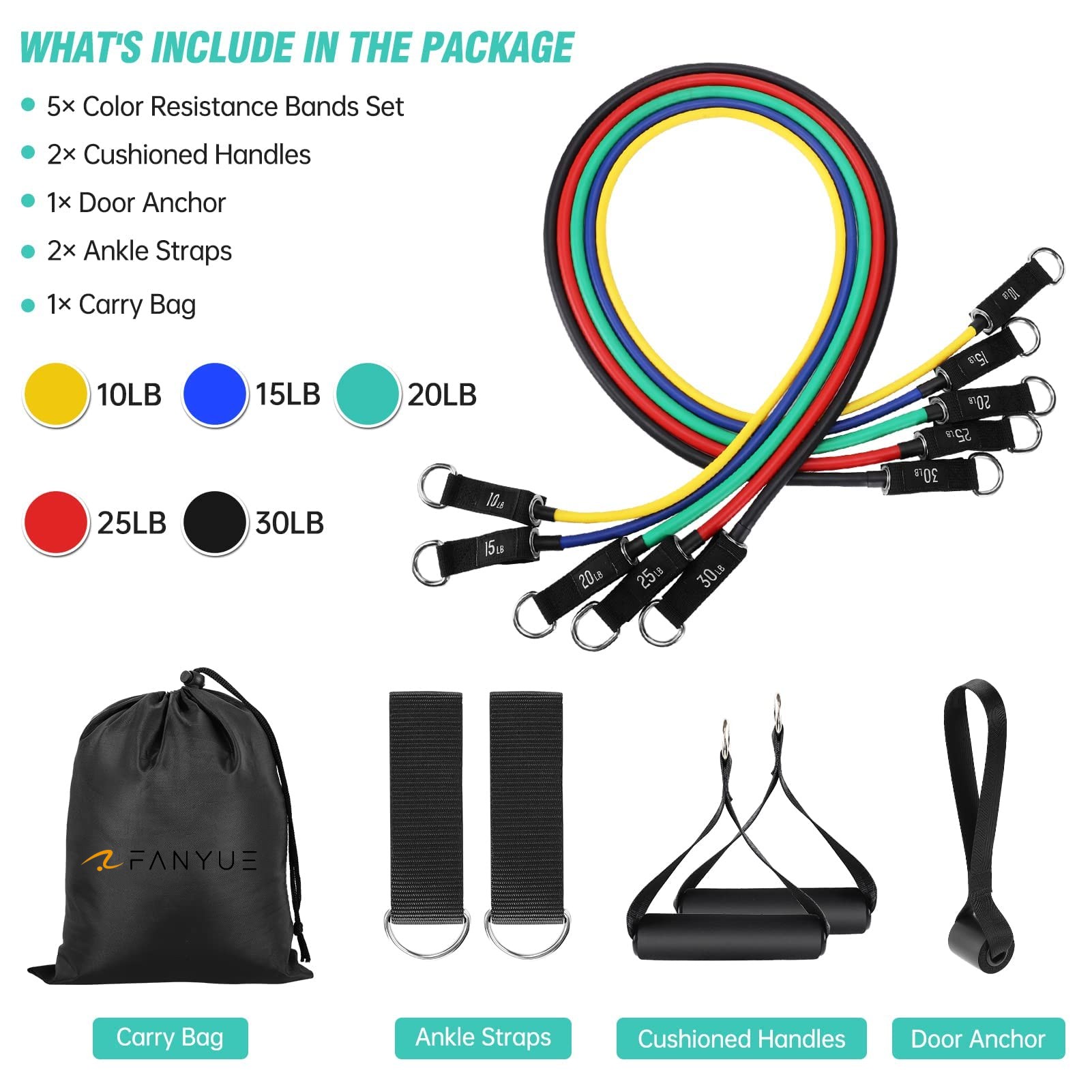
A resistance tube is one of the most practical fitness tools available today, offering genuine exercise flexibility that bulky gym machines simply cannot match. Whether someone is a beginner building foundational strength, a seasoned athlete maintaining conditioning while traveling, or a professional working through physical rehabilitation, the resistance tube fits naturally into nearly every training context. Its lightweight design, affordable price point, and scalable resistance levels make it a standout solution for people who want consistent, effective workouts without the limitations of traditional gym environments.
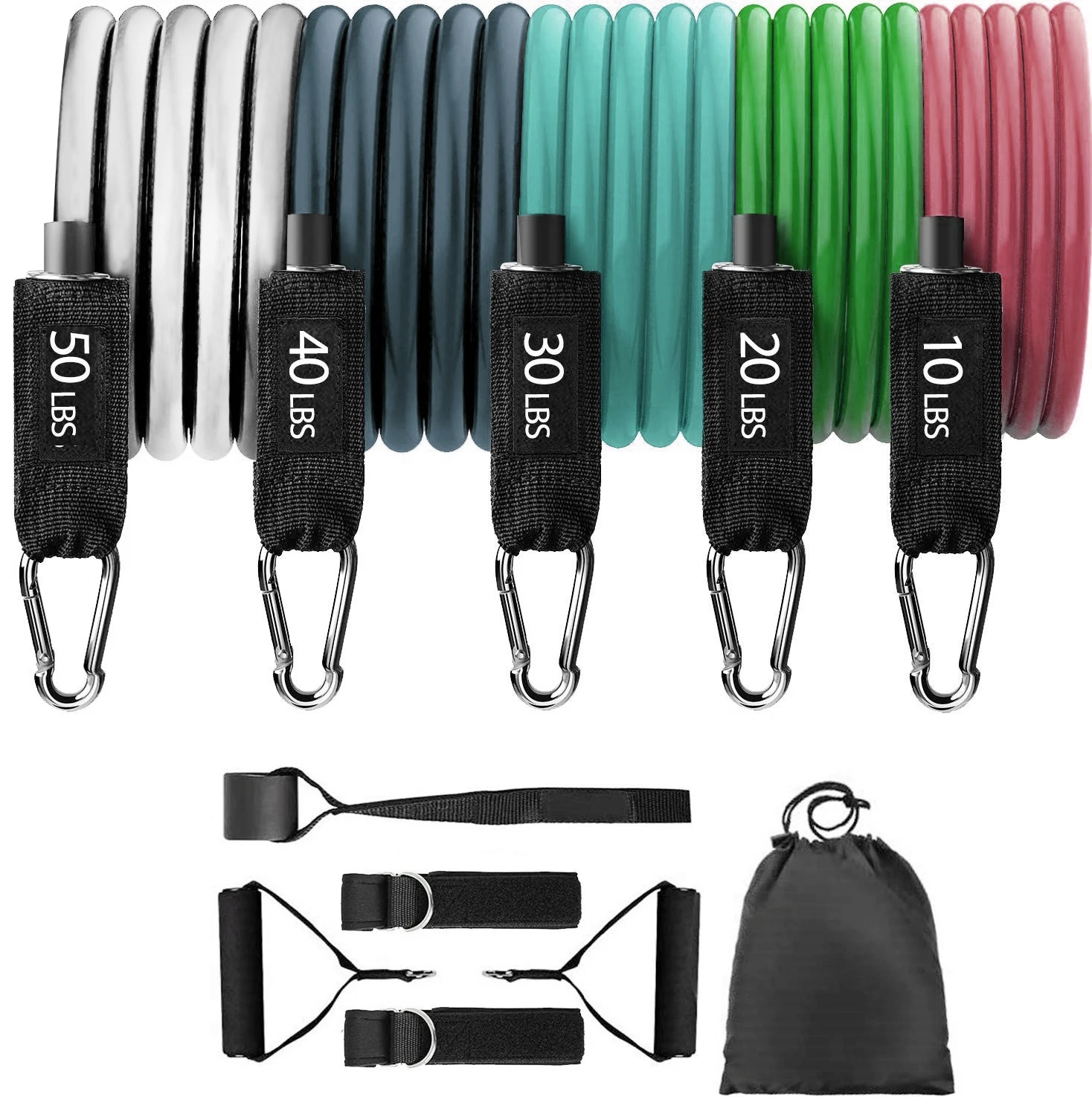
Workout accessibility is a real barrier for millions of people worldwide. Gym memberships are costly, gym locations are not always convenient, and home gym setups can require significant investment. The resistance tube directly addresses each of these problems. A single resistance tube or a stackable set provides full-body exercise capability in a package that fits inside a small bag. Understanding how the resistance tube improves workout accessibility helps individuals and fitness professionals alike make smarter decisions about building sustainable training habits.
Physical Accessibility Through Portability and Space Efficiency
Training Anywhere With a Resistance Tube
One of the most immediate ways a resistance tube improves workout accessibility is through its portability. Unlike barbells, dumbbells, or cable machines, a resistance tube weighs almost nothing and occupies minimal space. A full set of resistance tubes can be packed into a gym bag, a carry-on suitcase, or even a jacket pocket. This means that a resistance tube workout is possible in a hotel room, a backyard, a park, an office break room, or any open space that allows basic movement. Portability removes the location barrier that prevents many people from staying consistent with exercise.
No Dedicated Space Required
Many people avoid home workouts because they believe a dedicated workout room is necessary. A resistance tube eliminates this assumption entirely. Exercises using a resistance tube can be performed in small apartments, shared living spaces, and even confined outdoor areas. Because the resistance tube anchors to a door, a post, or simply the ground, it adapts to the user's available environment rather than demanding a purpose-built space. This flexibility means that the resistance tube genuinely opens exercise to populations that otherwise face physical space constraints.
Financial Accessibility and Long-Term Value
Affordable Entry Into Structured Training
Financial cost is one of the most significant barriers to regular exercise. Gym memberships, personal training sessions, and home gym equipment represent substantial ongoing or upfront expenses. A resistance tube set, by contrast, is available at a fraction of the cost of any weight-based equipment. A stackable resistance tube kit offering multiple resistance levels and a wide range of accessories provides the progressive training load needed to develop real strength, endurance, and mobility — all without a recurring membership fee. For individuals on tight budgets, the resistance tube creates a financially accessible path to structured, goal-oriented fitness.
Durability and Replacement Value
A well-made latex resistance tube is highly durable under regular training conditions. High-quality latex construction allows a resistance tube to withstand thousands of repetitions without losing its elastic integrity. When wear does eventually occur, replacing a single resistance tube is inexpensive compared to servicing or replacing a cable machine or a set of free weights. This low replacement cost contributes to the long-term financial accessibility of resistance tube training, making it a practical investment for home gyms, community fitness programs, and corporate wellness initiatives alike.
Training Accessibility Across Fitness Levels and Goals
Scalable Resistance for Every User
A core strength of resistance tube training is its ability to scale resistance to match the user's current fitness level. Beginners can start with a light resistance tube that introduces proper movement patterns without overwhelming muscle groups. Intermediate users can step up to a heavier resistance tube or combine multiple tubes to increase training load progressively. Advanced athletes can use a high-resistance tube set to replicate the intensity of cable machine exercises during travel or home sessions. This scalability makes the resistance tube genuinely inclusive, removing the expertise gap that prevents beginners from entering structured training programs.
Supporting Rehabilitation and Low-Impact Training
For people recovering from injury or managing chronic physical conditions, the resistance tube offers an especially accessible training tool. Unlike free weights, which apply constant gravitational load, a resistance tube generates progressive tension that increases as the movement extends. This characteristic allows users to train at lower joint stress levels, making resistance tube exercises suitable for physical therapy contexts, senior fitness programs, and post-surgical rehabilitation plans. Medical and fitness professionals frequently recommend the resistance tube as a transitional tool that bridges the gap between passive recovery and active training. The gentle, controllable nature of resistance tube tension supports safe progression even for highly vulnerable populations.
Full-Body Training in a Single Tool
Another dimension of accessibility is the breadth of exercises a resistance tube supports. From chest presses and rows to squats, lateral band walks, bicep curls, and shoulder stabilization drills, a single resistance tube can address every major muscle group across a complete training session. This means a user does not need multiple pieces of equipment to build a comprehensive workout routine. The resistance tube alone provides the exercise variety needed to maintain engagement and support progressive overload, which is the foundational principle behind consistent fitness improvement. Fewer tools required means fewer barriers to getting started and staying active.
FAQ
Can a resistance tube replace gym equipment for a full workout?
Yes, a resistance tube can effectively replace gym equipment for most general fitness goals. A stackable resistance tube set provides enough resistance variation and exercise versatility to train all major muscle groups, support cardiovascular conditioning, and build progressive strength. While advanced powerlifting or maximum-load training may still require traditional equipment, the resistance tube meets the exercise demands of the vast majority of fitness users.
How do I choose the right resistance tube level for my fitness level?
Choosing the right resistance tube starts with your current strength baseline. Beginners typically benefit from a light or medium resistance tube that allows controlled movement with good form throughout the full range of motion. Intermediate and advanced users should look for a resistance tube set with stackable options, allowing incremental increases in load as strength develops. A resistance tube kit that includes multiple resistance levels is the most versatile choice because it supports long-term progression without requiring additional purchases.
Is a resistance tube safe for older adults or people with joint pain?
A resistance tube is widely considered one of the safest exercise tools for older adults and individuals managing joint discomfort. The elastic tension of a resistance tube generates lower peak joint stress compared to free weights, reducing the risk of aggravating sensitive areas. Many physiotherapists and rehabilitation specialists incorporate resistance tube exercises into recovery and maintenance programs specifically because of this low-impact quality. As with any exercise program, it is advisable to consult a healthcare professional before starting resistance tube training if you have an existing medical condition.