 EN
EN


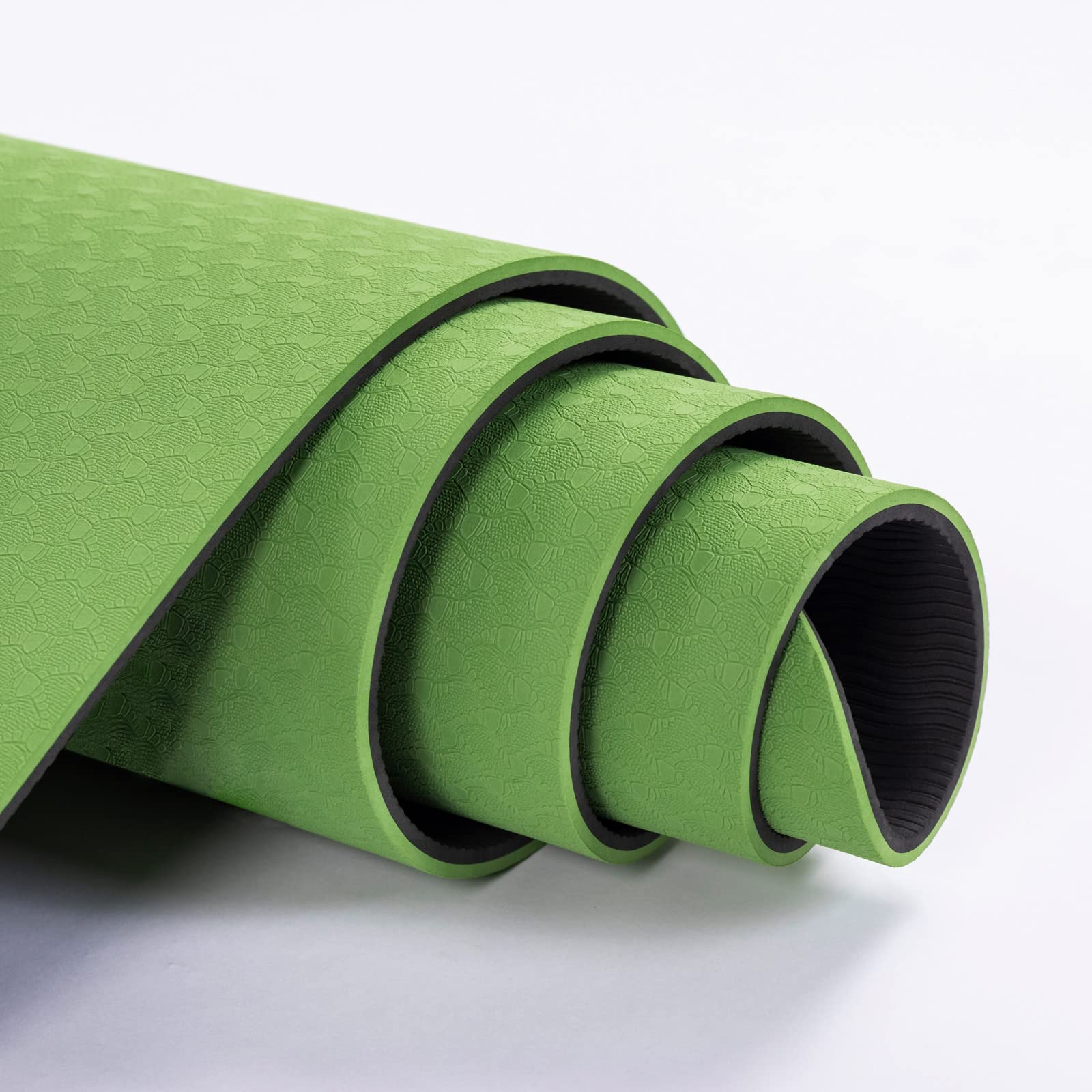
Starting yoga at home raises one practical question almost immediately: do you actually need a yoga mat, or can you simply practice on a carpet or bare floor? The short answer is yes — a yoga mat is absolutely suitable for beginners, and in many ways it is one of the most important pieces of equipment a new practitioner can own. A yoga mat provides the grip, cushioning, and defined space that beginners need to build confidence and develop safe movement habits from day one.
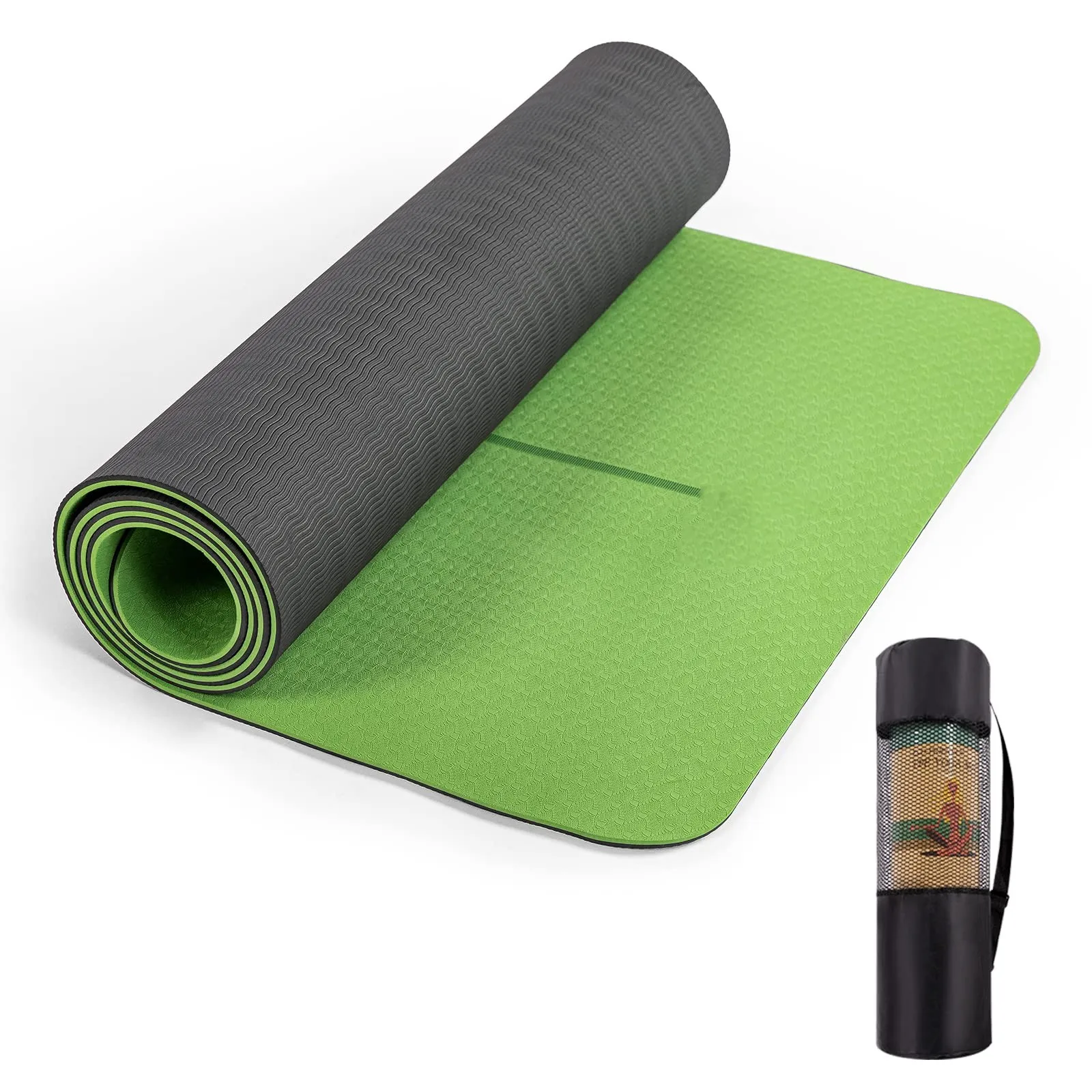
For anyone just starting out at home, the yoga mat becomes more than a surface — it becomes a personal practice zone. When you step onto a yoga mat, you signal to your body and mind that it is time to focus. This psychological boundary matters more than many beginners expect. Beyond mindset, a quality yoga mat delivers real physical benefits that directly affect how safely and comfortably a beginner can learn foundational poses. Understanding what a yoga mat does and how to choose one will help you get the most from every home session.
Why Beginners Need a Yoga Mat at Home
Grip and Stability During Poses
One of the biggest challenges beginners face is maintaining balance and avoiding slips during standing and transitional poses. A yoga mat with a non-slip surface gives your hands and feet the traction they need to hold a pose safely. Practicing on a smooth floor without a yoga mat dramatically increases the risk of sliding, which can lead to muscle strain or falls. A yoga mat designed for home use keeps your foundation stable even when your palms become sweaty during longer sessions.
For beginners who are still learning alignment, instability caused by a slippery surface makes it nearly impossible to feel whether the body is positioned correctly. A reliable yoga mat removes that variable so you can focus entirely on form. This is especially important when practicing poses like Downward Dog, Warrior II, or Triangle, where multi-point contact with the floor is essential.
Joint Protection and Comfort
Beginners spend a significant amount of time in seated, kneeling, and reclined positions as they learn the basics. Without a yoga mat, practicing directly on hardwood or tile floors places undue pressure on the knees, wrists, hips, and spine. A yoga mat with adequate thickness — typically 4mm to 6mm for beginners — absorbs that pressure and reduces discomfort. This cushioning encourages longer, more productive home sessions without the distraction of joint pain.
Material quality matters here as well. A TPE yoga mat, for example, offers a balance of firmness and flexibility that supports proper posture while still protecting sensitive joints. Beginners who practice without a yoga mat often cut sessions short simply because the floor becomes uncomfortable, which interrupts skill development and motivation.
Choosing the Right Yoga Mat as a Beginner
Thickness and Density Considerations
Not every yoga mat is identical, and beginners benefit from understanding what specifications actually matter for home practice. Thickness is the first factor to consider. A yoga mat that is 6mm thick offers excellent cushioning for beginners who need extra joint support, while a yoga mat closer to 4mm suits those who prefer a closer feel to the floor for balance-intensive poses. For most home beginners, a 5mm to 6mm yoga mat represents the best starting point.
Density is equally important. A yoga mat that feels soft but compresses completely under pressure will not provide consistent support. Look for a yoga mat that maintains its structure throughout a session. High-density foam or TPE-based yoga mat options tend to perform better over time than lower-quality PVC alternatives, which can degrade and lose grip with regular use.
Size, Portability, and Home Storage
Home practitioners should consider how a yoga mat fits their available space. A standard yoga mat measures approximately 68 inches long and 24 inches wide, which suits most adults. Taller practitioners or those who prefer more movement freedom may benefit from an extra-long yoga mat. Since home practice does not require carrying a yoga mat to a studio, portability matters less — but easy storage and rollability still make a yoga mat more convenient to use consistently.
A lightweight yoga mat is easier to unroll, position, and store after each session, which reduces friction in building a daily practice habit. Beginners who find their yoga mat awkward to handle are more likely to skip sessions. Choosing a yoga mat that is simple to use in your specific home environment helps you stay consistent over weeks and months.
How a Yoga Mat Supports Beginner Progress
Building Consistency and Routine
A yoga mat plays a surprisingly strong role in helping beginners maintain a regular practice schedule. Having a dedicated yoga mat at home removes the setup barrier that can prevent people from practicing. When your yoga mat is already rolled out or easily accessible, the decision to practice becomes much simpler. Over time, the yoga mat itself becomes a physical cue that triggers focus and intentionality in your movement practice.
Beginners who invest in a quality yoga mat tend to treat their home sessions more seriously. The yoga mat defines a space that belongs exclusively to practice, which helps create the mental separation needed to switch from daily routines into a mindful movement state. This consistency is what allows beginners to progress from basic poses toward more challenging sequences over months of regular home practice.
Safety as a Foundation for Learning
Every yoga mat for home beginners should prioritize safety above aesthetics. A yoga mat that stays flat without curling at the edges, grips the floor underneath, and provides traction on its top surface protects beginners from preventable injuries. Many beginners underestimate how often minor adjustments in a pose involve shifting body weight quickly, and a yoga mat that responds well to those shifts prevents accidents. As skill develops, safety remains the foundation on which all other progress depends. A yoga mat is not just a comfortable accessory — it is a practical tool that supports every element of a beginner's home yoga journey.
FAQ
What thickness of yoga mat is best for a home beginner?
For most home beginners, a yoga mat between 5mm and 6mm thick offers the best balance of joint cushioning and stability. A thicker yoga mat protects knees and wrists during foundational poses without making balance too difficult.
Can I use a regular exercise mat instead of a yoga mat?
A general exercise mat and a yoga mat serve different purposes. A yoga mat is designed with a specific surface texture and grip level that supports yoga postures. Exercise mats are often thicker but lack the non-slip surface that a yoga mat provides, which makes them less suitable for yoga-specific movements at home.
How do I maintain my yoga mat at home?
Most yoga mat options can be cleaned with a mild soap-and-water solution or a dedicated yoga mat spray. Wipe your yoga mat after each session and allow it to air dry fully before rolling it up. Regular cleaning extends the life of your yoga mat and keeps the grip surface performing at its best.