 EN
EN


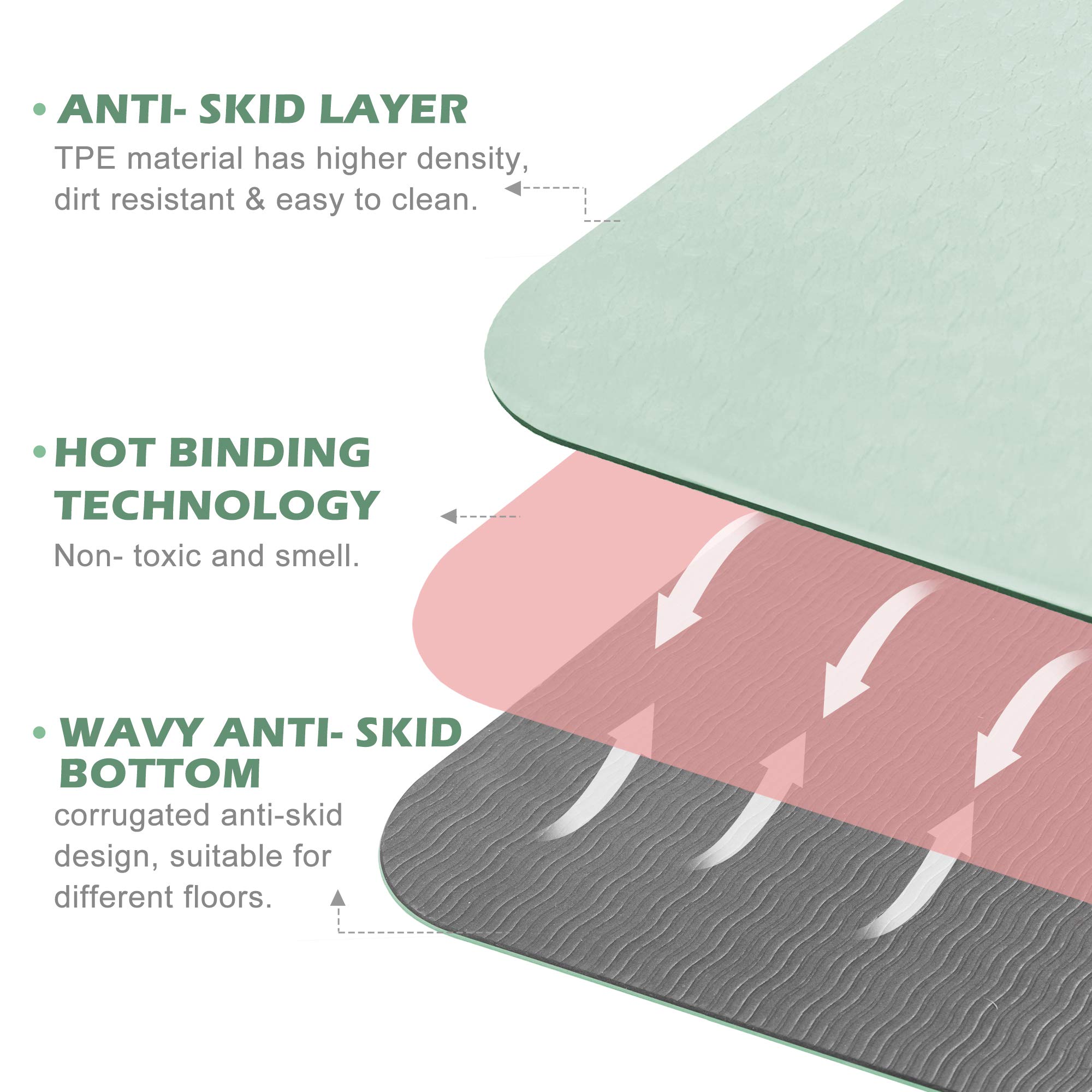
When most people picture a yoga mat in use, they imagine a quiet studio, slow breathing, and graceful poses. However, the modern yoga mat has evolved far beyond that single-purpose image. Athletes, home gym users, and fitness coaches are increasingly turning to the yoga mat as a core piece of equipment that supports a wide range of training activities. The question worth asking is whether a yoga mat is truly effective across multiple fitness disciplines or whether its usefulness ends at the edge of a yoga class.
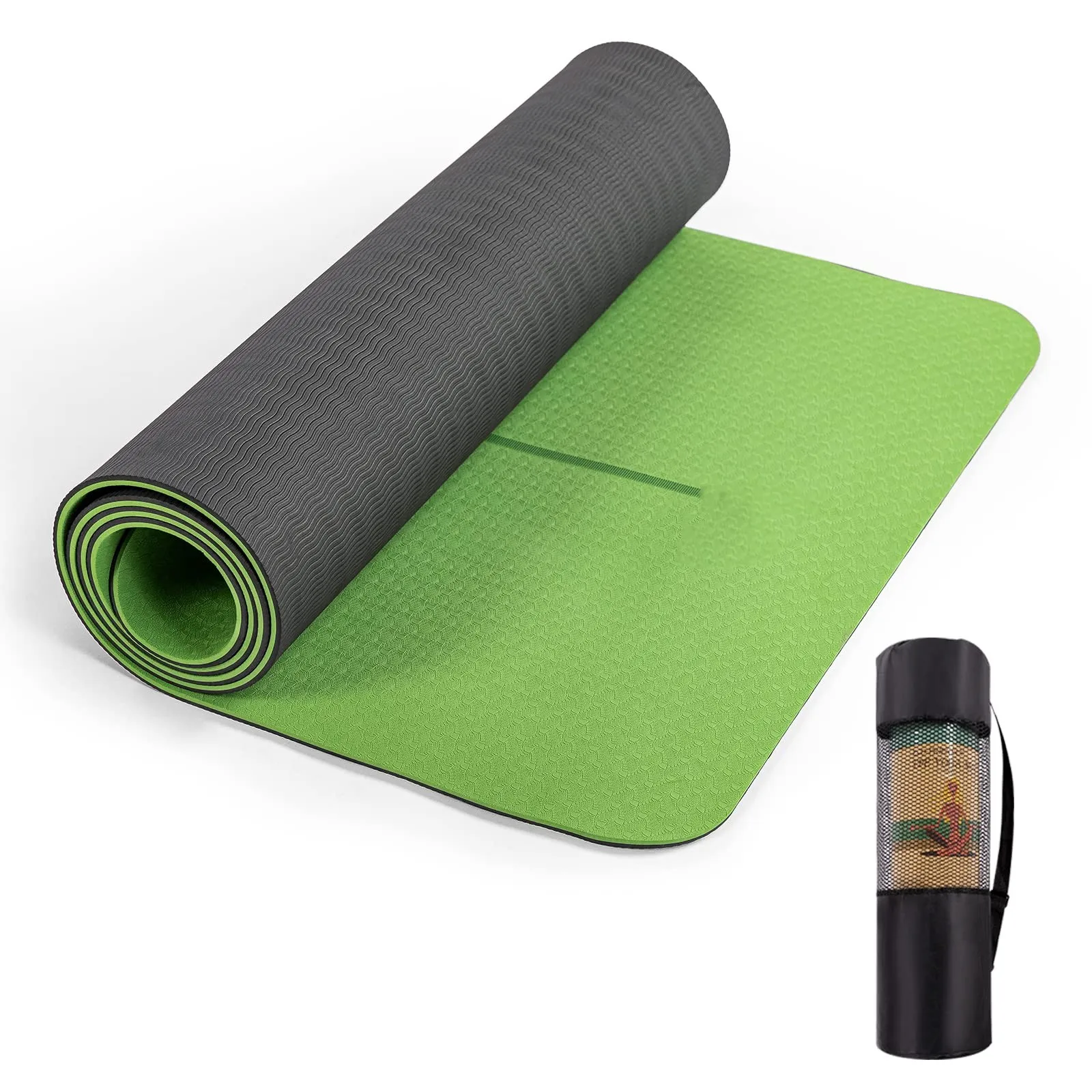
The short answer is yes. A quality yoga mat delivers real functional value across a broad spectrum of fitness applications. From bodyweight strength training to stretching recovery, from Pilates to HIIT floor work, the yoga mat provides the grip, cushioning, and surface stability that many workouts require. Understanding exactly where and how a yoga mat performs — and where its limitations lie — gives fitness users a clearer picture of its true role in a well-rounded training setup.
How a Yoga Mat Supports Strength and Bodyweight Training
Floor-Based Strength Movements
Many effective strength exercises require nothing more than a stable, cushioned surface. Push-ups, plank holds, mountain climbers, and tricep dips all place significant pressure on the wrists and knees. A yoga mat absorbs that contact pressure, reducing joint strain and allowing longer, more comfortable training sets. Without a yoga mat, hard floors create discomfort that forces athletes to cut reps short before the muscles are truly fatigued.
The non-slip surface of a yoga mat is especially important during dynamic bodyweight movements. When shifting between push-up positions or performing burpees, the hands and feet must remain planted. A yoga mat with strong grip properties prevents slipping, which protects the user from injury and maintains proper form. Consistent form is the foundation of effective strength development, making the yoga mat a practical training tool rather than just a comfort item.
Core and Stability Exercises
Core training relies heavily on a yoga mat to provide both comfort and surface feedback. Exercises such as crunches, leg raises, dead bugs, and bird-dogs require the spine and tailbone to press against the floor repeatedly. A yoga mat with adequate thickness — typically six millimeters or more — cushions the vertebrae and prevents bruising on bony contact points. This cushioning means athletes can train core muscles longer without pain interrupting the session.
Stability exercises on a yoga mat also train proprioception, which is the body's awareness of its own position. When performing single-leg exercises or balance-based movements on a yoga mat, the slight give in the surface challenges the stabilizing muscles more than a hard floor would. This property makes the yoga mat a subtle but effective tool for building functional stability alongside raw strength.
The Role of a Yoga Mat in Flexibility and Recovery Work
Stretching and Mobility Training
Flexibility training is where the yoga mat truly excels. Whether performing static stretches after a gym session or following a dedicated mobility program, the yoga mat creates a defined, comfortable space for the body to relax and open up. The surface texture of a yoga mat prevents limbs from sliding during deep stretches, which allows the practitioner to hold positions with confidence and focus on the target muscle rather than fighting for balance.
A yoga mat also provides a psychological cue. Unrolling a yoga mat signals the brain that it is time to slow down and be intentional. This mental association supports consistency in stretching routines, which is often the hardest part of maintaining flexibility gains. Regular users of a yoga mat for recovery work report that having a dedicated surface makes them more likely to complete their post-training stretches rather than skipping them.
Pilates and Low-Impact Conditioning
Pilates movements share many physical demands with yoga, making the yoga mat a natural fit for this discipline. Spine articulation drills, hip mobility sequences, and controlled breathing exercises all benefit from the cushioned support that a yoga mat provides. Many Pilates practitioners who train at home rely on a yoga mat as their primary surface because it offers the right combination of grip and softness without the expense of specialized Pilates equipment.
Low-impact conditioning programs such as barre-inspired training or rehabilitation-focused movement flows also work well on a yoga mat. These programs emphasize precision over intensity, and a yoga mat supports that precision by keeping movements contained and surfaces stable. For anyone managing joint issues or returning from injury, a yoga mat becomes an essential recovery tool rather than just an accessory.
Evaluating the Yoga Mat Across Different Fitness Scenarios
High-Intensity Interval Training on a Yoga Mat
HIIT workouts involve rapid transitions between high-effort movements, and not every yoga mat is suited to this demand. However, a high-quality yoga mat made from TPE or natural rubber provides sufficient grip and durability to handle HIIT floor segments. Jump squats, lateral shuffles, and sprawl movements all contact the yoga mat repeatedly at speed. A yoga mat that maintains its surface integrity under this kind of use extends the range of training that a single piece of equipment can support.
The thickness of a yoga mat matters most during impact-heavy workouts. A yoga mat that is too thin offers inadequate shock absorption during jumping or landing sequences, while a yoga mat that is too thick creates instability during standing balance movements. A six-millimeter yoga mat strikes the best balance for multifunctional fitness use, offering enough cushioning for floor work without compromising stability during upright exercises.
Space and Portability Advantages
One of the strongest arguments for the yoga mat as a multifunctional fitness tool is its portability and space efficiency. A yoga mat requires no storage footprint beyond a corner of a room or a closet shelf. It can be rolled out in seconds and transforms any flat surface into a functional workout zone. For home gym users, this flexibility is enormously practical. A yoga mat replaces the need for multiple specialized floor surfaces and allows training to happen in any room, outdoor space, or travel environment.
Compared to benches, weights, or machines, a yoga mat is lightweight and simple to transport. Fitness professionals who lead outdoor sessions or corporate wellness classes frequently rely on a yoga mat as the one piece of equipment that travels easily and serves the widest variety of participants. This versatility reinforces the yoga mat as a genuinely multifunctional fitness asset rather than a niche product tied to a single practice.
FAQ
Can a yoga mat replace specialized gym flooring for all workouts?
A yoga mat covers a wide range of floor-based fitness needs but is not a full replacement for heavy-duty gym flooring in all scenarios. For weightlifting with barbells or heavy jumps, a thicker rubber gym tile offers better protection. However, for bodyweight training, stretching, Pilates, and HIIT floor segments, a yoga mat performs effectively and is far more practical for most home and studio users.
What thickness is best for a multifunctional yoga mat?
A yoga mat with six millimeters of thickness is generally considered the best choice for multifunctional use. It provides enough cushioning for joint protection during floor work while remaining firm enough to support balance and standing exercises. Thinner yoga mat options around three to four millimeters suit travel and light yoga but may not offer enough support for extended strength or recovery training.
Is a TPE yoga mat better than a PVC yoga mat for fitness use?
A TPE yoga mat offers several advantages over PVC for multifunctional fitness use. TPE is eco-friendly, free from harmful chemicals, and provides excellent grip and resilience across a range of temperatures. It is also lighter than PVC, which improves portability. For users who train in varied environments or prioritize sustainability alongside performance, a TPE yoga mat is a strong and well-rounded choice.