 EN
EN


When space is limited, every piece of fitness equipment must earn its place. A mini loop band is one of the few tools that genuinely delivers full-body training value without demanding floor space, storage room, or a large budget. For anyone building or optimizing a compact home gym, understanding whether this tool truly fits the environment is essential before investing in any setup.
The short answer is yes — a mini loop band is exceptionally well suited to compact home gym environments. Its physical size is small, its resistance range is meaningful, and its versatility across muscle groups is broad enough to support structured training programs. But the real value of a mini loop band in a small home gym goes deeper than just its footprint. This article explores exactly why and how a mini loop band fits into compact spaces, what training benefits it delivers, and what to consider when selecting the right set.
Why a Mini Loop Band Suits Small Spaces
Physical Dimensions and Storage Simplicity
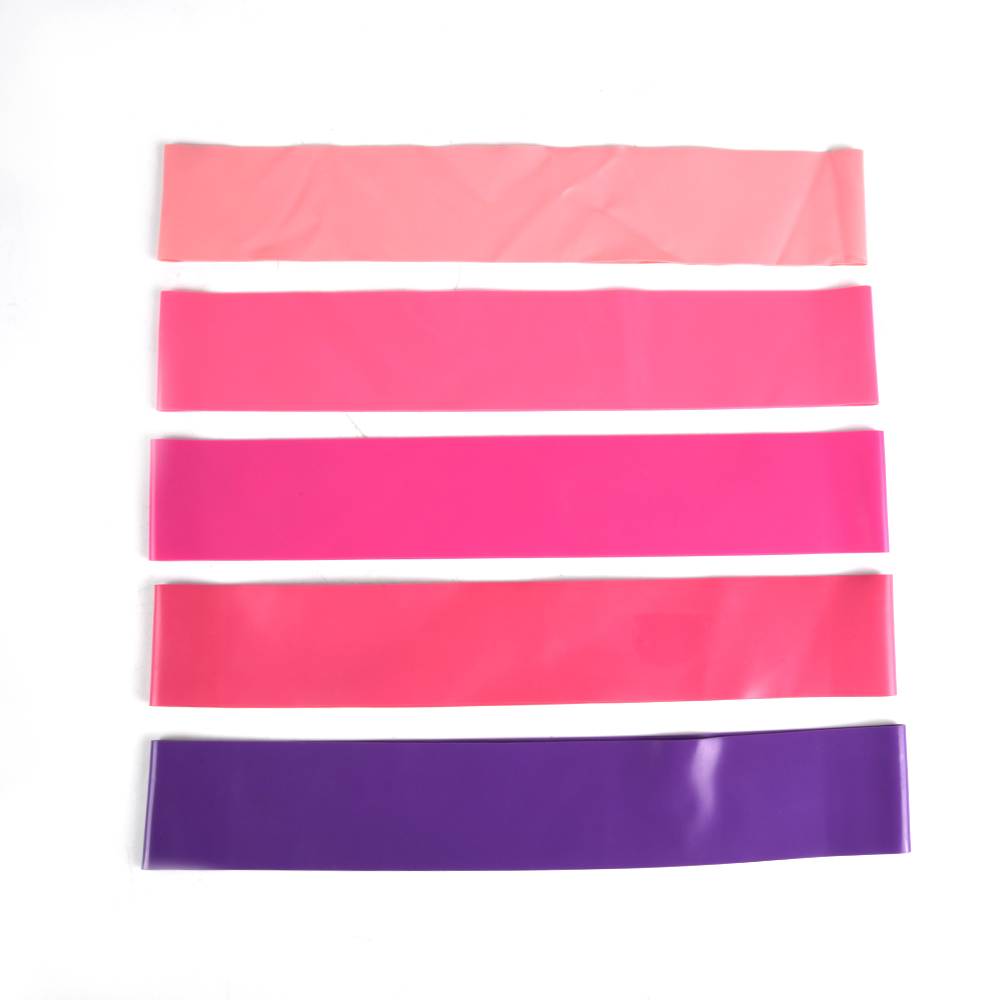
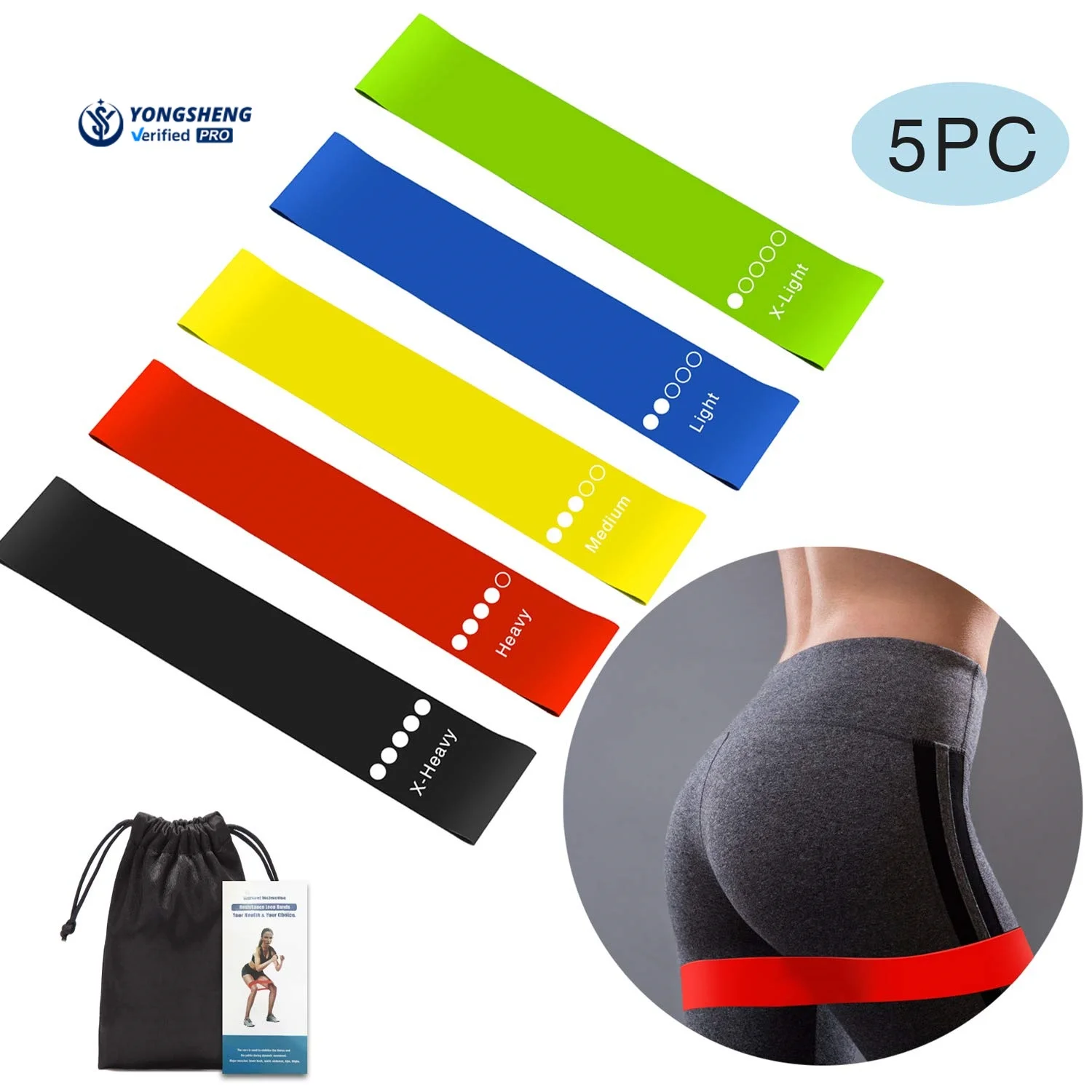
A mini loop band typically measures around 12 inches in length and just a few inches in width when laid flat. This means an entire set of mini loop bands — often five bands of varying resistance levels — can fit inside a small pouch or a single drawer. In a compact home gym where every square foot counts, this matters enormously. A mini loop band requires zero installation, no wall mounts, no floor anchors, and no dedicated rack space. You can store a full set in a bag, a shoe box, or a corner of a shelf, and retrieve it in seconds.
Compared to barbells, cable machines, or even full-size resistance bands, the mini loop band offers the most space-neutral training solution available. It occupies no permanent space and leaves the workout area open for movement. This is precisely what compact home gyms need — tools that disappear when not in use but deliver real results when they are.
No Equipment Anchoring Required
One common concern with resistance training equipment in home gyms is the need for anchor points. Full-length resistance bands often require door anchors, pull-up bars, or wall-mounted hooks. A mini loop band eliminates this dependency entirely. Because the band loops around the body — around the thighs, ankles, wrists, or arms — it creates its own resistance system using the body as the anchor. This makes every mini loop band exercise self-contained and usable in any room, on any surface, without modification to the space.
Training Versatility in Compact Environments
Lower Body Activation and Glute Training
The mini loop band is widely recognized for its effectiveness in lower body training. Placing a mini loop band just above the knees during squats, bridges, or lateral walks creates targeted resistance against hip abduction, activating the glutes, hip flexors, and outer thighs in ways that bodyweight alone cannot replicate. In a compact home gym, this means high-intensity lower body training is possible with no barbell, no weight plates, and no leg press machine. A single mini loop band session targeting glutes and legs can produce significant muscular fatigue using only a yoga mat and a small band.
Training protocols using a mini loop band for the lower body can include squats with band resistance, clamshells, donkey kicks, standing hip abductions, and fire hydrants. Each of these exercises requires only the space the person occupies while performing them — no lateral clearance, no overhead height requirement, and no specialized flooring. A mini loop band transforms a 6-by-6-foot area into a capable lower body training zone.
Upper Body and Core Applications
The mini loop band is equally useful for upper body and core exercises. Placing a mini loop band around the wrists during push-ups, shoulder presses, or lateral arm raises adds resistance to stabilizer muscles and increases activation in the shoulders, chest, and triceps. For core training, a mini loop band placed around the ankles or knees during plank variations or leg raises increases the challenge of foundational movements without requiring any additional weight or equipment. The result is a more demanding, more effective session using the same amount of floor space.
This adaptability makes the mini loop band one of the most versatile pieces of equipment for a compact home gym. Whether a user is focused on rehabilitation, strength building, muscle toning, or mobility improvement, the mini loop band can be integrated into the routine with minimal setup time and zero spatial compromise.
Selecting the Right Mini Loop Band Set
Resistance Levels and Progressive Training
Not all mini loop band products are created equal in terms of resistance range. For a compact home gym to remain functional over time, the mini loop band set must offer multiple resistance levels — typically ranging from light to extra heavy. A five-piece mini loop band set with progressive resistance allows users to advance their training as their strength improves. Starting with a lighter mini loop band and graduating to heavier resistance mirrors the progressive overload principle that drives muscle adaptation and long-term fitness gains.
When choosing a mini loop band set, prioritize latex construction for durability and consistent tension. High-quality latex mini loop band products maintain their elasticity over thousands of repetitions, resist tearing, and retain their shape. A mini loop band made from low-grade material will stretch out, snap, or lose resistance quickly — reducing training value and requiring frequent replacement. Investing in a well-constructed mini loop band set upfront delivers better long-term value for any home gym.
Customization for Specific Workout Goals
For home gym users with specific training goals — such as glute development, injury recovery, or sport-specific conditioning — a customizable mini loop band set is especially valuable. Being able to select the exact resistance levels that match your current fitness level ensures that every mini loop band session is appropriately challenging. A mini loop band that is too light provides little stimulus; one that is too heavy compromises form and risks injury. The right mini loop band for your goals sits at the edge of your current capacity and grows with you over time.
FAQ
Can a mini loop band replace weights in a home gym?
A mini loop band cannot fully replicate the load capacity of heavy free weights, but it can replace weights for a wide range of bodyweight and resistance training exercises. For most home gym users focused on general fitness, toning, or rehabilitation, a quality mini loop band set provides sufficient resistance to drive meaningful results without any dumbbells or barbells.
How many mini loop band resistance levels do I need?
A five-piece mini loop band set covering light, medium, heavy, and extra-heavy resistance is ideal for most users. This range accommodates warm-up work, active recovery, strength training, and progressive overload in a single compact set. Having multiple resistance options from one mini loop band set ensures you can match the band to the exercise and your current fitness level.
Is a mini loop band safe for beginners?
Yes, a mini loop band is one of the safest training tools for beginners. The resistance is controlled, the movement patterns are natural, and the risk of sudden overload is minimal compared to free weights. A beginner should start with the lightest mini loop band in the set, focus on proper form, and increase resistance gradually as strength and confidence develop.