 EN
EN


If you practice Pilates regularly, you may already know that the right equipment can transform your results. Among all the tools available, the yoga ball stands out as one of the most functional and accessible pieces of equipment you can add to your routine. Whether you are a beginner or an advanced practitioner, using a yoga ball during Pilates sessions introduces a layer of instability that challenges your body in uniquely productive ways. The yoga ball supports movements that flat surfaces simply cannot replicate.
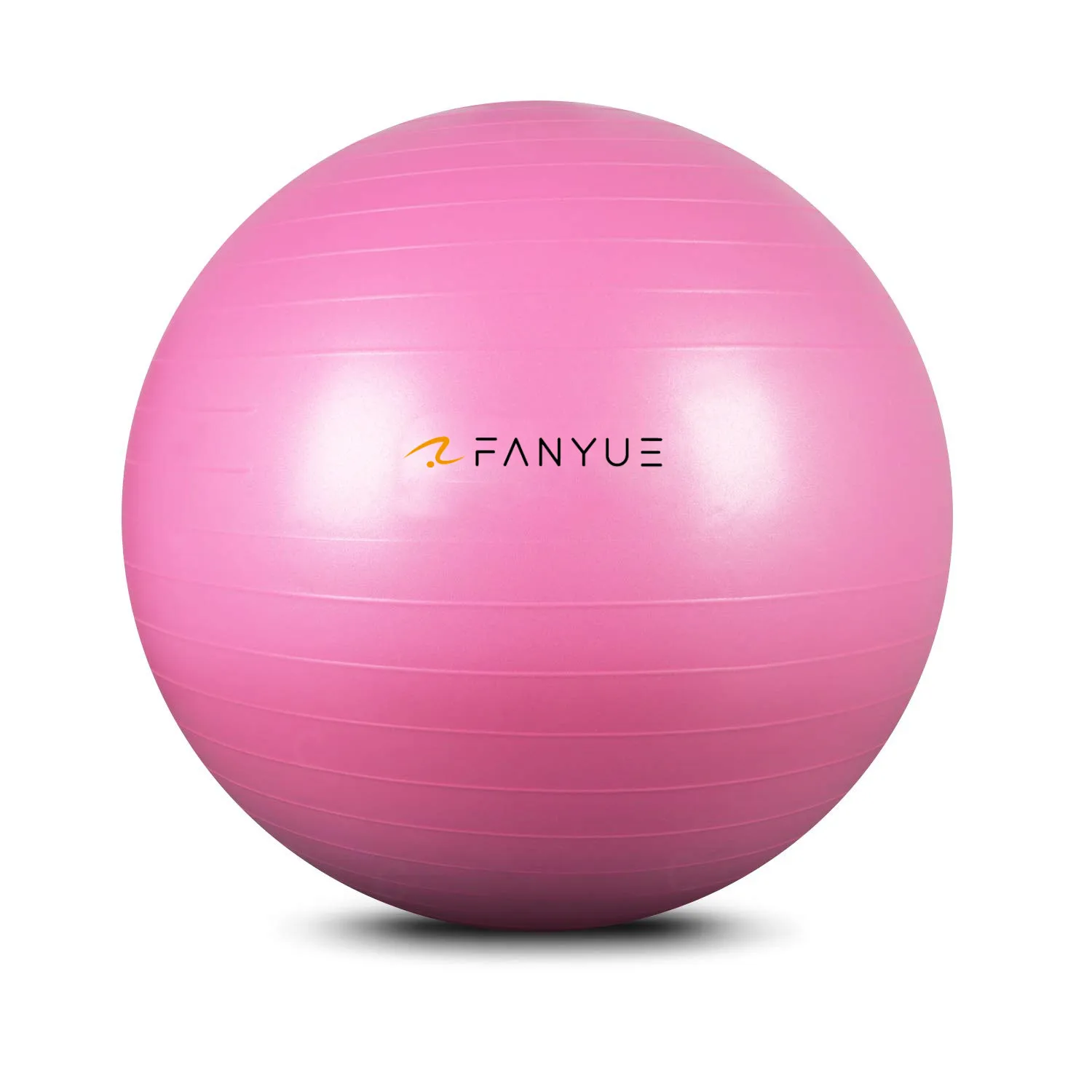
The popularity of the yoga ball in Pilates training is not accidental. Instructors and physiotherapists have long recognized that a yoga ball creates an unstable surface, which forces deeper muscle engagement during every movement. When you sit, balance, stretch, or perform core exercises on a yoga ball, your stabilizer muscles activate continuously. This constant engagement accelerates strength development and improves posture in ways that traditional Pilates mat work alone may not achieve. A yoga ball is therefore not just a supplementary accessory — it is a training essential.
How a Yoga Ball Enhances Core Activation in Pilates
Deeper Muscle Engagement Through Instability
The central principle of Pilates is core activation, and a yoga ball amplifies this principle significantly. When you perform a standard Pilates crunch or bridge on the floor, your body has full contact with a stable surface. When you perform the same movement on a yoga ball, your core must work harder to keep you balanced. The yoga ball essentially turns every basic Pilates exercise into a more demanding core workout. This instability-driven engagement targets the deep abdominal muscles, the transverse abdominis, and the pelvic floor — all critical muscle groups in Pilates training.
Using a yoga ball during plank variations or spinal extensions forces your body to recruit supporting muscles that would otherwise remain passive. Practitioners who consistently train with a yoga ball often report significantly better core endurance over time. The yoga ball challenges your neuromuscular system constantly, building proprioceptive awareness that benefits both athletic performance and everyday functional movement. For Pilates specifically, this deeper engagement means faster progress toward the strength and control goals of the practice.
Spinal Mobility and Back Support
One of the most widely appreciated applications of a yoga ball in Pilates is spinal mobility work. A yoga ball allows the spine to move through a full range of motion — forward, backward, and sideways — in a way that a flat mat does not permit. Rolling gently over a yoga ball relieves spinal compression, opens the chest, and stretches the muscles along the vertebral column. For Pilates practitioners who focus on spinal articulation, the yoga ball is an invaluable prop. It supports the natural curves of the spine while allowing controlled, therapeutic movement.
Flexibility and Balance Benefits of the Yoga Ball
Improving Dynamic Flexibility
Flexibility training is a cornerstone of Pilates, and the yoga ball provides an exceptional platform for dynamic stretching. Unlike static stretches on the floor, stretching over or around a yoga ball incorporates gentle movement that warms up the fascia and surrounding tissues more effectively. The rounded surface of a yoga ball facilitates hip flexor stretches, thoracic spine extensions, and hamstring lengthening exercises with a deeper range than flat-surface alternatives. Pilates instructors frequently use a yoga ball to help clients achieve flexibility milestones that seemed difficult on the mat alone. The yoga ball makes the stretch both accessible and effective.
Dynamic flexibility work on a yoga ball also reduces injury risk. Because the yoga ball absorbs and distributes pressure evenly, overstretching of tendons and ligaments is less likely. This makes the yoga ball especially valuable for rehabilitation-focused Pilates programs, where controlled flexibility improvement is critical. Physical therapists often incorporate a yoga ball into post-injury recovery protocols for this exact reason. The yoga ball bridges the gap between therapeutic exercise and functional fitness training.
Balance Training and Postural Correction
Postural correction is another area where the yoga ball delivers significant results within a Pilates context. Poor posture is often linked to weak stabilizer muscles and underdeveloped proprioception. Seated or standing exercises performed on or against a yoga ball challenge your body to maintain upright alignment continuously. Over time, this trains the postural muscles — including the erector spinae, gluteus medius, and shoulder stabilizers — to hold proper alignment habitually. Pilates was designed to build body awareness, and the yoga ball is a natural extension of that philosophy. Regular yoga ball training reinforces the postural habits that Pilates teaches.
Practical Reasons to Use a Yoga Ball in Every Pilates Session
Versatility Across Pilates Exercise Categories
One of the most compelling reasons to integrate a yoga ball into your Pilates routine is its extraordinary versatility. A single yoga ball can replace or enhance multiple pieces of equipment. You can use a yoga ball for core exercises, back extensions, hip bridges, wall squats, shoulder stabilization drills, and breathing exercises. This versatility means that a yoga ball can serve practitioners at every level — from rehabilitation clients working on gentle mobility to competitive athletes training for peak performance. In Pilates studios and home workout spaces alike, a yoga ball provides an unmatched range of training possibilities in one piece of equipment.
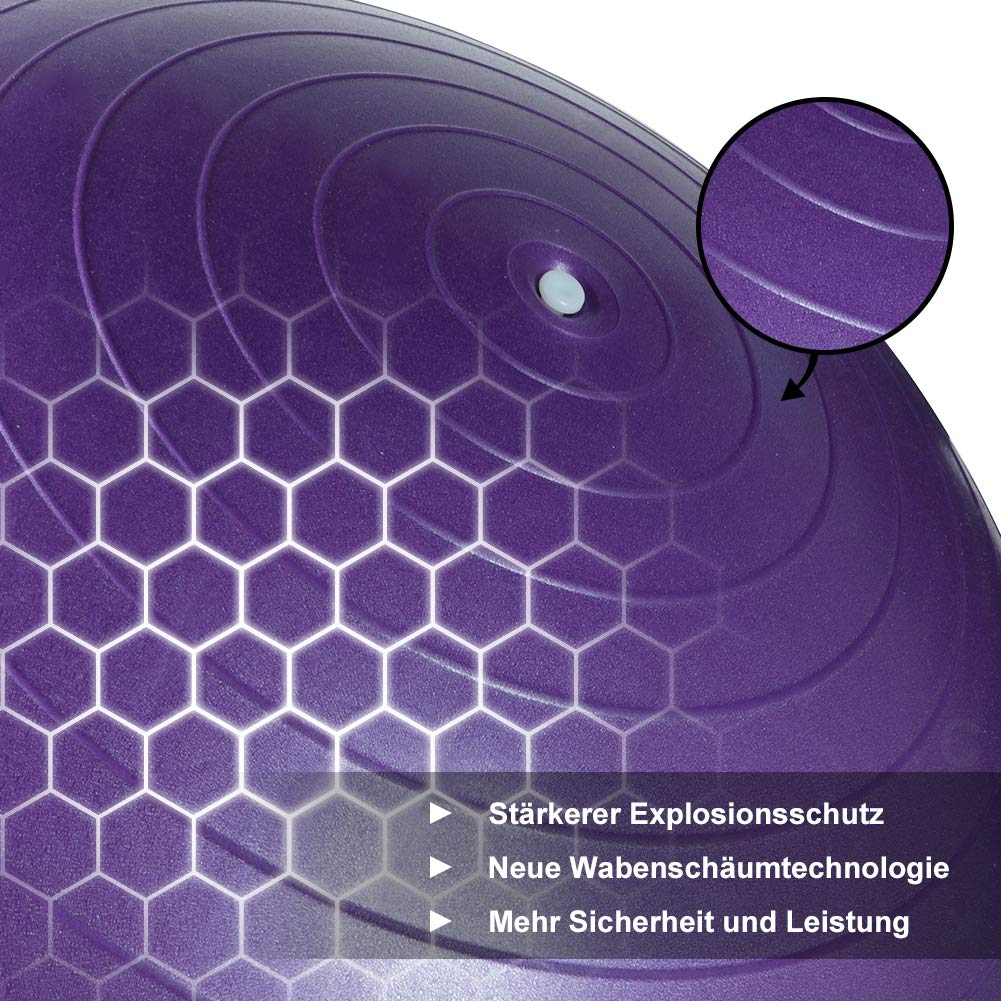
For home-based Pilates practitioners, a yoga ball is particularly valuable because it is affordable, easy to store, and requires no additional machinery. An anti-burst yoga ball constructed from premium PVC material offers the durability and safety required for intensive daily training. The yoga ball pairs naturally with a base for added stability during seated exercises, making it functional even for users who are new to Pilates. Choosing a well-made yoga ball with the correct size — typically 65 cm for most adults — ensures optimal body alignment during exercises and maximizes the training benefit of every Pilates session.
Supporting Progressive Overload in Pilates
Pilates relies on progressive overload — gradually increasing the difficulty of exercises to continue building strength and control. A yoga ball supports this principle naturally. As a practitioner becomes more comfortable with basic yoga ball exercises, the same yoga ball can be used to perform more advanced movements such as rollouts, pike-ups, and single-leg balance holds. This scalability means that a yoga ball grows with the practitioner rather than becoming obsolete as fitness levels improve. Investing in a quality yoga ball is therefore a long-term decision that continues to pay dividends across many months of Pilates training.
FAQ
What size yoga ball is best for Pilates?
For most adults, a 65 cm yoga ball is the recommended size for Pilates exercises. When seated on a yoga ball of the correct size, your hips and knees should both be at roughly a 90-degree angle. A properly sized yoga ball ensures correct spinal alignment and maximizes the effectiveness of each Pilates movement.
How often should I use a yoga ball in my Pilates routine?
You can incorporate a yoga ball into every Pilates session, though even two to three sessions per week will produce noticeable improvements in core strength, flexibility, and balance. Consistency is more important than frequency. Using the yoga ball regularly and progressing to more challenging exercises over time will deliver the best long-term results.
Is an anti-burst yoga ball necessary for Pilates training?
Yes, an anti-burst yoga ball is strongly recommended for Pilates training. An anti-burst yoga ball is designed to deflate slowly and safely if punctured rather than bursting suddenly, which significantly reduces injury risk during exercise. For any Pilates routine involving body weight loading, an anti-burst yoga ball made from high-quality PVC material provides the safety and reliability required for confident, effective training.