 EN
EN


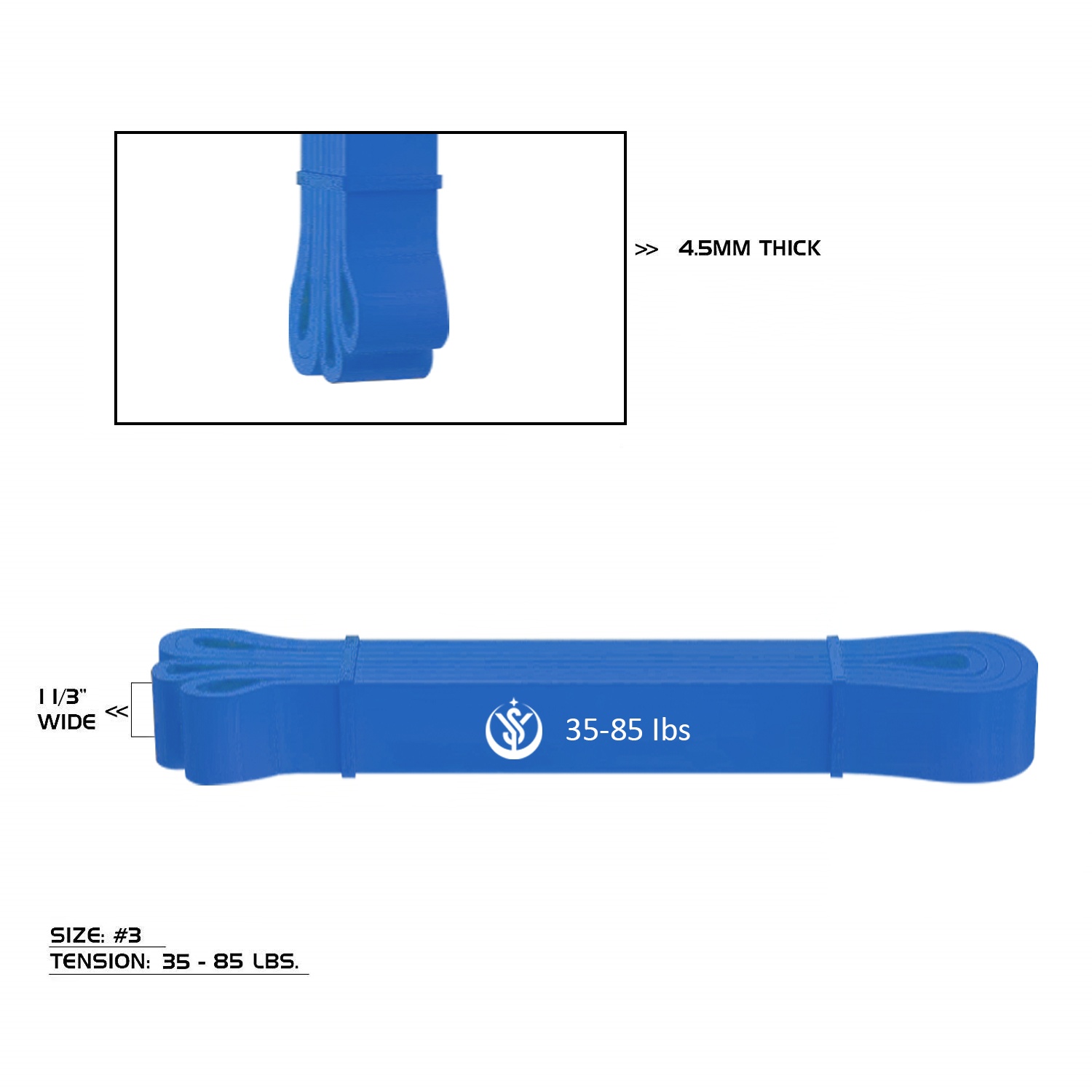
When a coach or gym manager considers equipment for group training sessions, one question comes up repeatedly: is a pull up assist band genuinely suitable for a multi-person environment? The short answer is yes, but with important conditions that any trainer or facility operator should understand before investing. A pull up assist band offers adjustable resistance, low cost per unit, and a simple setup that makes it attractive for group use. However, scaling it effectively across a diverse group requires thoughtful planning around participant fitness levels, available bar space, and session pacing.
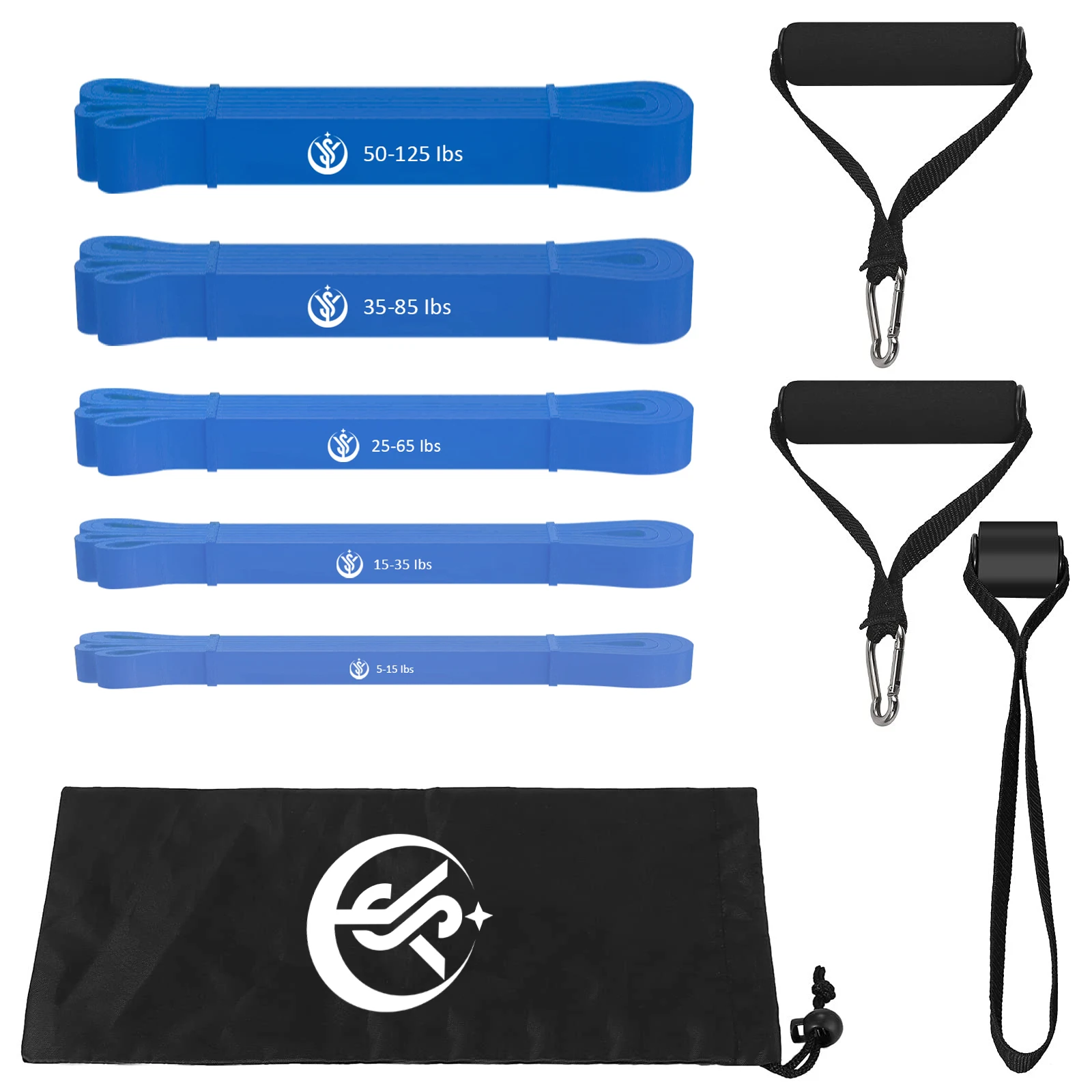
A pull up assist band works by looping over a pull-up bar and providing upward resistance that reduces the effective bodyweight a participant must lift. Because each pull up assist band comes in varying resistance levels, a group can be equipped with different bands matched to individual strength levels. This characteristic is one of the strongest arguments for using a pull up assist band in a class or team environment. From beginner athletes taking their first reps to intermediate trainees building volume, a single equipment category can serve a wide ability spectrum simultaneously.
Suitability of Pull Up Assist Band Equipment in Group Contexts
Scalability Across Mixed Ability Groups
The defining feature that makes a pull up assist band suitable for group training is its scalability. A pull up assist band is available in multiple resistance levels, typically ranging from light to heavy, so a trainer can assign each participant the appropriate band before a session begins. This means a beginner who needs significant assistance and an advanced athlete who only needs minimal support can both use a pull up assist band within the same workout block. The trainer does not need to split the group into separate stations or modify the exercise entirely. Each person simply selects the pull up assist band that matches their current strength capacity.
Scalability also matters for progression. As participants grow stronger over weeks of training, they can transition to a lighter pull up assist band, making the lift more demanding without changing the exercise itself. This built-in progression path makes the pull up assist band a long-term asset in a group program rather than a single-phase tool. Coaches running structured fitness programs appreciate that one equipment type can carry participants across multiple training phases.
Space and Bar Availability Considerations
One practical limitation of using a pull up assist band in a group setting is that every participant needs access to a pull-up bar. Unlike floor-based resistance band exercises, a pull up assist band requires overhead mounting hardware. In a commercial gym or well-equipped training facility, this is rarely a problem because multiple pull-up stations are standard. However, in a pop-up class, outdoor training environment, or smaller studio, bar availability may restrict how many people can use a pull up assist band simultaneously. A pull up assist band is compact and portable, but the infrastructure requirement means group size is capped by available bar positions rather than band supply.
Operational Setup for Group Pull Up Assist Band Training
Organizing Participants by Resistance Level
Effective group use of a pull up assist band begins before the session starts. Trainers should assess participant strength or use a brief screening set to assign each person the correct pull up assist band. Pre-labeling bands by resistance level using color coding simplifies distribution. When each participant knows which pull up assist band is theirs before the warm-up ends, transitions between exercises are fast and confusion is minimized. A pull up assist band that is too light will fail to help weaker participants complete reps safely, while one that is too heavy can reduce training stimulus for stronger athletes. Correct assignment is the most important operational step.
For larger groups, a trainer can set up dedicated pull up assist band stations along a rig or multi-bar structure. Each station holds one or two pull up assist band options so participants can self-select or swap based on how they feel that session. This station-based approach lets a group of ten to twenty people move through a circuit while each individual maintains an appropriate challenge level. The pull up assist band remains the anchor of the upper-body station regardless of the circuit design.
Hygiene, Wear, and Replacement Protocols
In a shared training environment, a pull up assist band is handled by multiple participants per session. Latex-based pull up assist band materials can absorb sweat and degrade over time if not maintained. Facilities should establish a cleaning routine for each pull up assist band after use, using gentle wipes rather than harsh chemicals that can crack the latex. Trainers should also inspect each pull up assist band regularly for nicks, thinning, or asymmetric stretching, all of which signal that a pull up assist band has reached end of useful life. Replacing a worn pull up assist band promptly prevents snapping mid-exercise, which poses a safety risk in any environment but is especially important when multiple people are working nearby.
Training Outcomes Achievable With Pull Up Assist Band Group Sessions
Building Upper Body Strength Progressively
A consistent pull up assist band group program can produce measurable upper body strength gains across a team. The pull up assist band reduces mechanical load just enough to allow trainees to perform full range-of-motion pull-up reps with proper form. Over time, as participants build lat, bicep, and scapular retractor strength, they can use a lighter pull up assist band and eventually perform unassisted pull-ups. This progression is well-documented in functional fitness training and makes the pull up assist band one of the most efficient bridging tools a group trainer can deploy.
Engagement and Accountability in Group Settings
Group training naturally increases accountability, and the pull up assist band fits well into this dynamic. When participants see peers completing pull-up reps with a pull up assist band, motivation rises. A trainer can set rep goals for each resistance level, turning the pull up assist band selection into a visible milestone system. Participants working toward their first unassisted pull-up see the progression clearly: each step down in pull up assist band resistance brings them closer to the goal. This transparency makes the pull up assist band more than an equipment item — it becomes a progress marker embedded in the group culture.
FAQ
How many pull up assist bands does a group training class need?
A group training class should have at least one pull up assist band per participant plus a small reserve of each resistance level. Having multiple resistance options per station ensures that no one waits for a specific pull up assist band while another participant is using it. A class of twelve typically needs fifteen to twenty pull up assist band units spread across three to five resistance levels.
Can a pull up assist band be used safely by complete beginners in a group class?
Yes. A pull up assist band is specifically designed to reduce bodyweight load, making it appropriate for beginners who cannot yet perform unassisted pull-ups. In a group setting, a trainer should assign a heavier pull up assist band to beginners so the assistance is sufficient to allow clean, controlled repetitions. Proper instruction on grip, body position, and controlled descent is still essential even when using a pull up assist band.
What is the best way to store a pull up assist band in a commercial gym?
The best storage method for a pull up assist band is to hang each band on a peg or hook rack organized by resistance level. Avoid folding or tightly coiling a pull up assist band for long periods, as this can create stress points in the latex. A labeled wall-mounted rack keeps each pull up assist band accessible, easy to count, and protected from sharp edges or heavy equipment that could cause premature wear.