 EN
EN


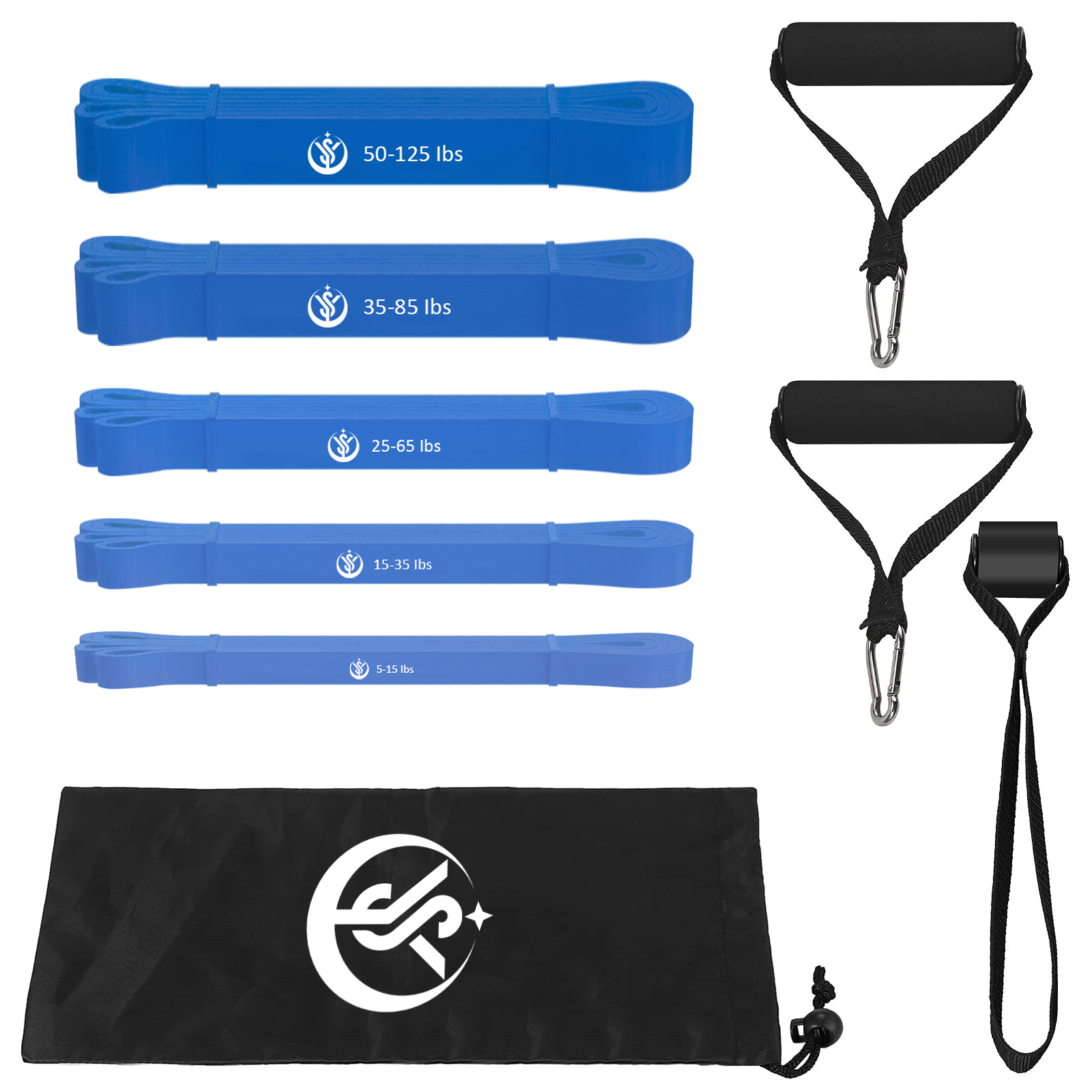
CrossFit programs are built on intensity, functional movement, and progressive overload. One question that comes up frequently among athletes at every level is whether a pull up assist band belongs in that environment. The short answer is yes — and with some important context, it becomes clear why this tool earns a place in serious training routines.
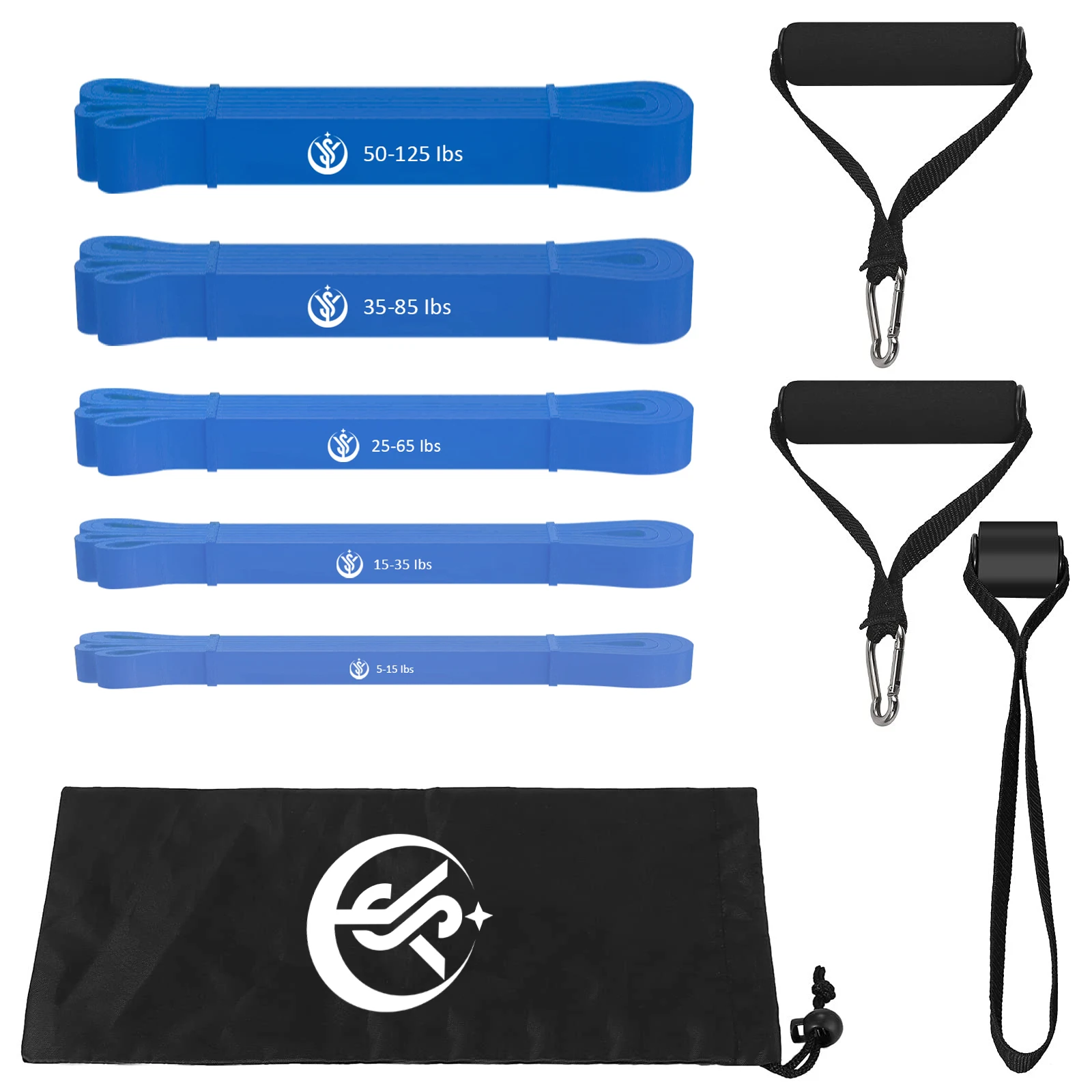
A pull up assist band is a looped latex resistance band placed over a pull-up bar. The athlete steps or kneels into the band, and the elastic tension offsets a portion of their bodyweight, making the pulling movement more achievable. Inside CrossFit programming, the pull up assist band functions as a scaling tool, a strength-building accessory, and a movement-pattern developer all at once. Understanding exactly how it fits into CrossFit-style training helps athletes and coaches make smarter decisions about when and how to use it.
How a Pull Up Assist Band Supports CrossFit Scaling
Scaling as a Core CrossFit Principle
CrossFit is explicitly designed to be scalable. Every workout of the day can be modified to match an athlete's current capacity without sacrificing the stimulus. The pull up assist band is one of the most direct scaling options for movements like kipping pull-ups, strict pull-ups, and chest-to-bar pull-ups. When a prescribed workout calls for high-rep pull-ups and an athlete cannot yet complete them unassisted, the pull up assist band allows full participation in the session while still training the correct motor pattern.
Using a pull up assist band in this context is not a sign of weakness — it is an intelligent application of progressive training. The band reduces the load enough to keep form intact, and over time, athletes move to lighter pull up assist band options as their strength improves. Most sets of resistance bands include multiple tension levels, giving athletes a clear ladder of progression toward unassisted movement.
Meeting the Metabolic Demand of WODs
CrossFit workouts are designed to maintain a metabolic stimulus, meaning athletes should be able to keep moving at a challenging pace. If an athlete is stuck on pull-ups due to insufficient strength, the entire intended stimulus of the workout is lost. A pull up assist band preserves that conditioning effect by enabling continuous movement. The cardiovascular and muscular demands of the workout stay intact even while the pull up assist band reduces raw load on the lats and biceps.
Pull Up Assist Band Use in Skill Development
Building the Pulling Pattern Before Removing Assistance
One of the most valuable roles of a pull up assist band in CrossFit is teaching and reinforcing the correct movement pattern. New athletes often struggle not just with strength but with coordination — knowing when to engage the lats, how to position the shoulders, and how to sequence the pull. A pull up assist band provides just enough support to allow the athlete to focus on mechanics rather than survival. When the pull up assist band reduces the fear of failure, athletes can practice higher quality repetitions with better form and greater body awareness.
Coaches often prescribe strict work with a pull up assist band before introducing kipping technique. The reasoning is sound: strict pull-ups build shoulder stability and raw pulling strength that protect the joint once dynamic movement is introduced. A pull up assist band in strict format is therefore a foundational step in many CrossFit skill progressions, not a workaround.
Transitioning Off the Pull Up Assist Band
A well-structured CrossFit program will include a deliberate plan to reduce reliance on the pull up assist band over time. Athletes begin with a heavier band and work toward lighter options, then eventually remove the pull up assist band entirely. Tracking this progression is motivating and measurable. When athletes reach their first unassisted pull-up after weeks of training with a pull up assist band, the milestone is concrete and earned. This transition process is a textbook example of how CrossFit uses scaling as a pathway to performance, not a permanent substitute for it.
Practical Considerations for Using a Pull Up Assist Band in CrossFit
Choosing the Right Resistance Level
Not every pull up assist band is the same, and choosing the right tension level matters. A band that provides too much assistance will prevent real strength development, while one that offers too little will not enable clean repetitions. Most coaches recommend choosing a pull up assist band that allows the athlete to complete the target rep range with two to three reps remaining in reserve — meaning the effort feels challenging but controlled. Multi-level sets of a pull up assist band, typically ranging from light to extra-heavy resistance, give athletes and coaches the flexibility to match the band to the session goal.
For CrossFit-specific programming, a pull up assist band made from durable latex is preferred because latex handles high-frequency use, sweat exposure, and varied temperatures found in box environments. Long looped bands that hook cleanly over a standard rig bar make setup fast during timed workouts, which is essential when transitions need to be quick.
Pull Up Assist Band Safety and Joint Considerations
A pull up assist band is generally safe for most healthy athletes when used correctly. The band should be anchored securely over the bar with no risk of slipping. Athletes should avoid placing a pull up assist band around the ankle or in positions that could create an unstable base. For athletes returning from shoulder injuries or managing shoulder impingement, a pull up assist band can allow pain-free training at reduced load, but individual capacity should always guide programming decisions. The pull up assist band is a tool that supports smart training, not a substitute for proper rehabilitation when injury is present.
FAQ
Can advanced CrossFit athletes benefit from a pull up assist band?
Yes. Advanced athletes use a pull up assist band for high-volume accessory work, warm-up activation sets, or technique refinement without accumulating excessive fatigue. A pull up assist band allows quality practice even during high-load training weeks.
How many resistance levels should a pull up assist band set include?
A practical pull up assist band set typically includes four to five resistance levels. This range covers beginners through advanced athletes and gives coaches the ability to adjust the pull up assist band selection based on the workout structure and individual needs.
Is a pull up assist band suitable for kipping pull-up practice?
A pull up assist band is more commonly used for strict pull-up development first. However, some coaches do allow light pull up assist band use during kipping practice to help athletes feel the rhythm and timing of the movement before attempting it fully unassisted. Strict strength should be established before kipping is introduced.