 EN
EN


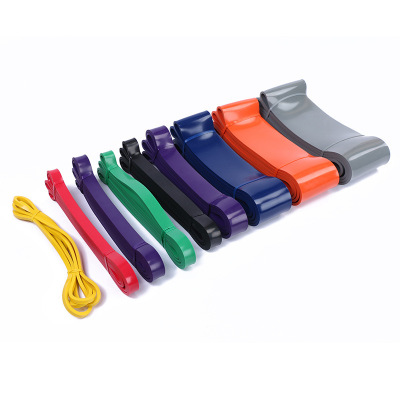
Functional movement training has gained significant attention in fitness and rehabilitation circles, and the resistance band has emerged as one of the most versatile tools to support this type of training. Unlike isolated machine-based exercises, functional movement focuses on patterns the body uses in daily life — pushing, pulling, hinging, squatting, rotating, and carrying. A resistance band can challenge these natural movement patterns with variable tension that closely mirrors real-world physical demands, making it a practical and highly adaptable training tool for a wide range of users.
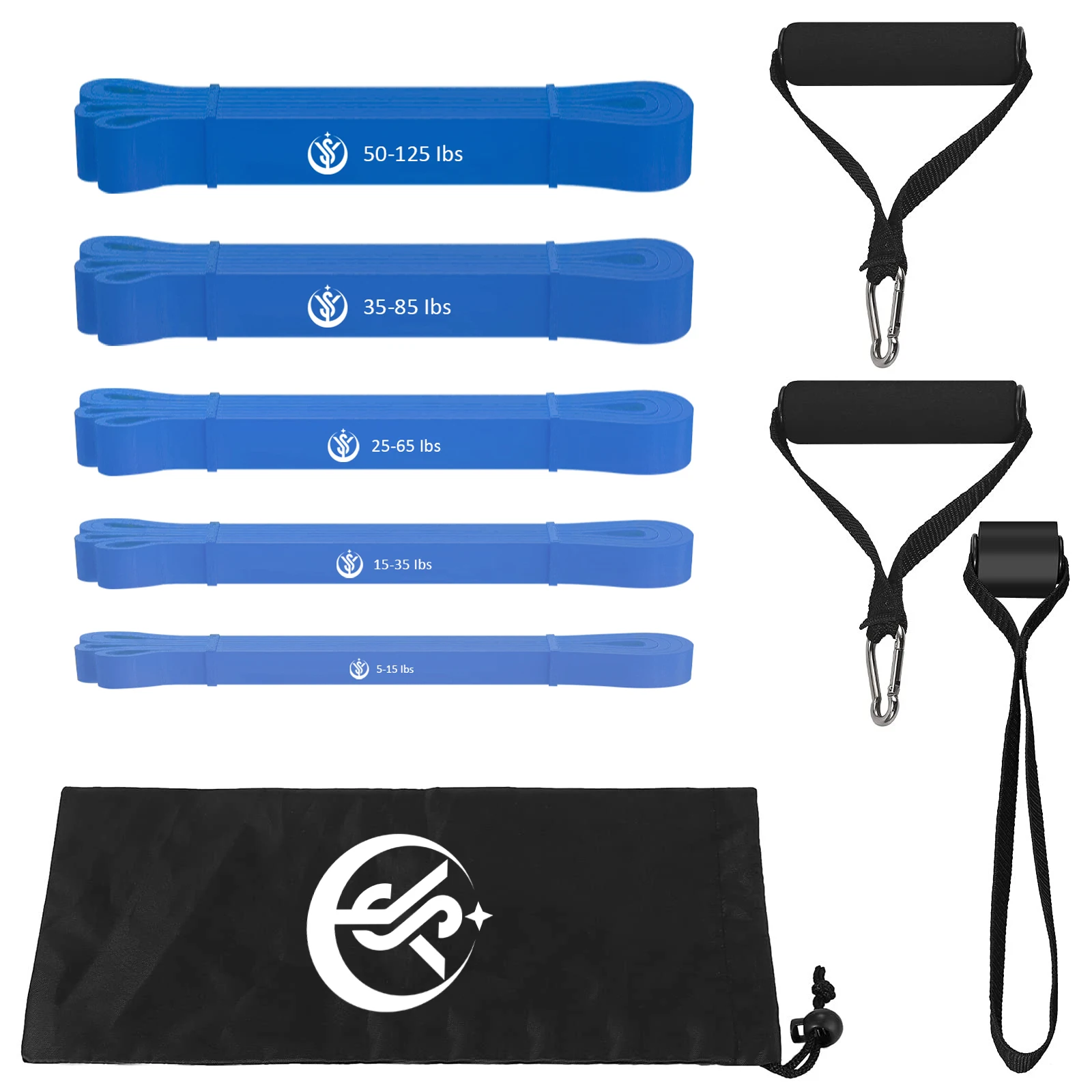
Whether you are an athlete building sport-specific strength, a professional recovering from injury, or a beginner looking to improve everyday movement quality, the resistance band offers a level of accessibility and adaptability that is difficult to match. This article examines why resistance band training is genuinely beneficial for functional movement exercises, how it works mechanically, which movement patterns it supports best, and what practical considerations apply when integrating it into a training program.
Why the Resistance Band Suits Functional Movement Logic
Variable Tension Matches Natural Strength Curves
One of the most important mechanical advantages of a resistance band is its variable resistance profile. As you stretch a resistance band further, the tension increases progressively. This mirrors the way human muscles generate force — typically strongest at mid-range and weaker at the extremes of a movement. For functional exercises like squats, rows, and hinges, a resistance band provides more load at the point where the muscle is mechanically strongest, creating a more effective training stimulus than fixed-weight equipment in many scenarios.
This property means a resistance band can reinforce proper movement mechanics naturally. When performing a resistance band squat, the increasing tension toward the top of the movement encourages full hip extension and upright posture — both critical elements of functional lower-body patterns. The same principle applies to pressing and pulling movements, where the resistance band challenges stability and control throughout the full range of motion.
Multi-Planar Movement Compatibility
Functional movement rarely happens in a single plane. Daily activities involve rotation, lateral shifts, and diagonal patterns that most traditional gym equipment cannot effectively address. A resistance band can be anchored at various heights and angles, allowing users to train in multiple planes of motion. This makes the resistance band especially valuable for exercises that replicate real-world tasks, such as twisting to lift an object, reaching overhead from an unstable position, or decelerating during a lateral movement.
Core Functional Patterns Enhanced by Resistance Band Training
Lower Body Functional Patterns
The resistance band is particularly effective for lower body functional training. Exercises such as resistance band squats, lateral band walks, glute bridges, and hip hinges directly target the muscle groups involved in walking, climbing, and bending. The resistance band adds challenge to these patterns while allowing the joints to move through their natural range, which is critical for maintaining healthy movement quality over time. For athletes, resistance band hip activation drills are a standard part of warm-up protocols because they prepare the glutes and hip stabilizers for dynamic movement demands.
Using a resistance band for lower body work also reduces compressive load on the spine and knees compared to heavy barbell training, making it a safer option for individuals managing joint sensitivity or returning from lower-limb injuries. The resistance band encourages proprioceptive engagement — the body's awareness of position and movement — which is a foundational component of functional fitness.
Upper Body and Core Integration
For the upper body, the resistance band supports pressing, pulling, and rotational patterns that reflect real-world demands. Resistance band rows, pull-aparts, face pulls, and pallof presses are commonly used to build shoulder stability, thoracic mobility, and core anti-rotation strength. These qualities are directly transferable to functional tasks and sport performance. Because the resistance band requires constant stabilization throughout each movement, it activates supporting muscles that would otherwise remain passive on a machine.
Core training with a resistance band is especially effective because most resistance band exercises require the core to resist force rather than generate it — a function that closely matches how the core behaves during real movement. The resistance band pallof press, for instance, trains the obliques and deep core stabilizers to resist rotational force, which is exactly the demand placed on these muscles when carrying, reaching, or changing direction in daily life.
Practical Benefits and Training Considerations
Accessibility and Progressive Overload
A key practical advantage of the resistance band is its accessibility. A complete resistance band set with multiple resistance levels allows users to apply progressive overload to functional exercises without needing a fully equipped gym. Users can begin with a light resistance band and advance to heavier options as strength and movement quality improve. This makes the resistance band suitable for home training environments, travel, outdoor sessions, and rehabilitation settings where traditional equipment is not available.
Progressive overload — the gradual increase of training demand — is essential for continued improvement. With a resistance band set offering five or more tension levels, users can systematically increase the challenge of their functional movement exercises over time. This structured approach supports long-term development and helps prevent training plateaus that often occur when variety and load progression are neglected.
Integration into Existing Programs
The resistance band does not need to replace existing training methods — it integrates effectively alongside free weights, bodyweight exercise, and mobility work. Many coaches use the resistance band as a warm-up tool to activate target muscles before heavier compound lifts. Others use it for finisher circuits that build endurance in functional patterns. Physical therapists frequently incorporate the resistance band into rehabilitation protocols because it allows graded loading without the joint stress associated with external weights. In each context, the resistance band enhances functional movement quality rather than simply adding resistance for its own sake.
FAQ
Can beginners use a resistance band for functional movement training?
Yes. A light resistance band is an excellent starting point for beginners because it provides enough challenge to engage muscles and reinforce movement patterns without overwhelming joints or requiring advanced technique. Beginners can build foundational movement skills using a resistance band before progressing to heavier loads or more complex exercises.
How many resistance band levels should a training set include?
A resistance band set with at least five tension levels is generally recommended for functional movement training. This range allows users to match the resistance band to the specific demands of each exercise and to progress gradually as fitness improves. Different exercises require different resistance levels, so having a complete set provides the flexibility needed for a well-rounded program.
Is a resistance band effective for injury rehabilitation?
A resistance band is widely used in rehabilitation settings because it provides controlled, graded resistance that can be adjusted precisely to the tolerance of an injured joint or muscle group. The resistance band allows movement through a full range of motion with minimal compressive load, which supports tissue healing and movement re-education during recovery. Always consult a qualified health professional before beginning a resistance band rehabilitation program.