 EN
EN


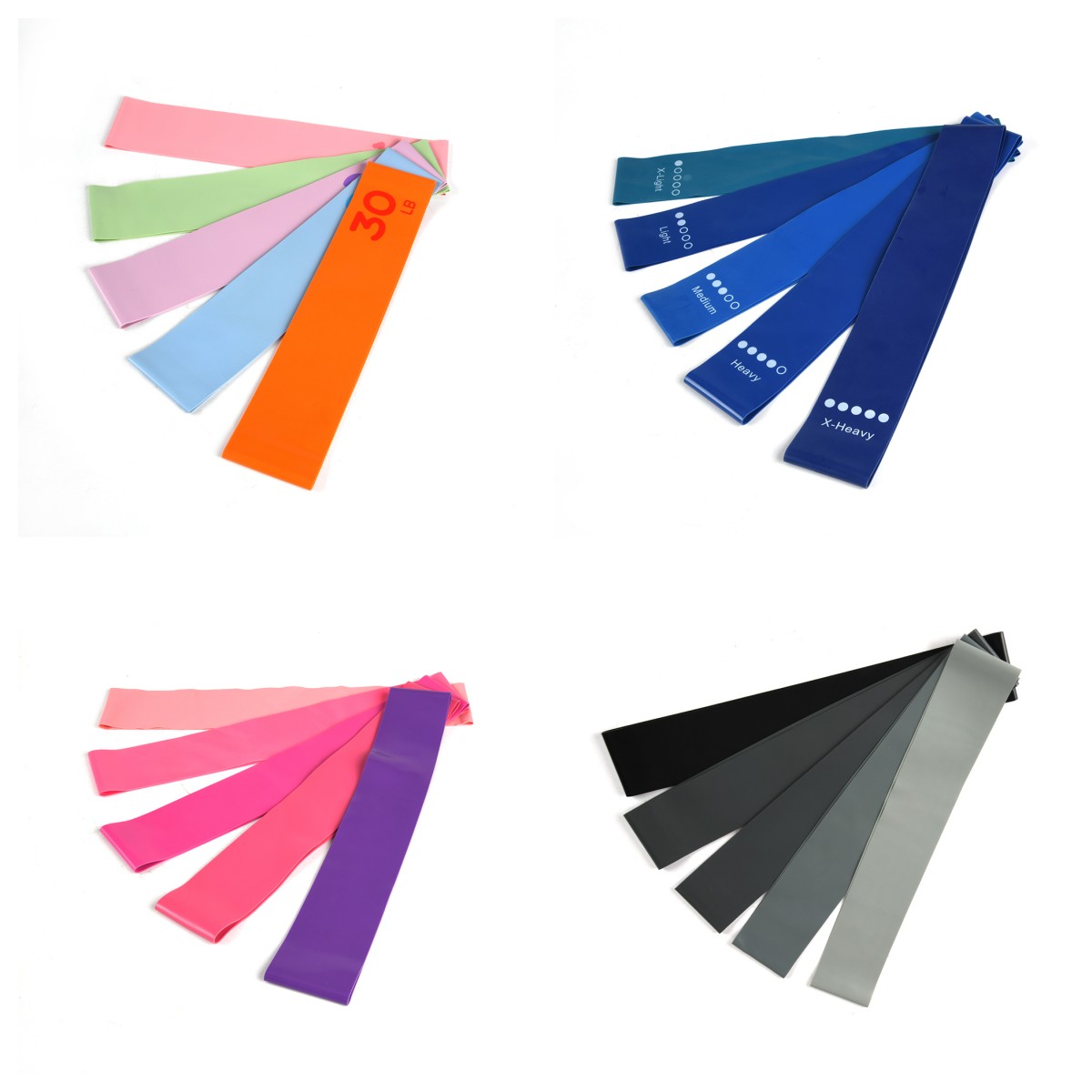
Space is one of the most common barriers people face when building a home gym. Many fitness enthusiasts want effective training tools that do not require a dedicated room or expensive equipment. The resistance band has emerged as one of the most practical answers to this challenge, offering a full-body workout solution that fits into almost any living space. Before committing to a resistance band setup, however, it helps to understand exactly what makes it suitable for compact home gyms and where its real advantages lie.
A resistance band is a length of elastic material designed to create tension during physical movement, producing muscle-strengthening resistance similar to free weights or cable machines. Unlike bulky gym machines, a resistance band takes up almost no physical space and can be stored in a drawer or small bag when not in use. For anyone living in an apartment, a studio, or a home with limited square footage, a resistance band set can deliver serious fitness results without demanding floor space, ceiling height, or structural modifications. This article explores whether resistance band equipment is truly ideal for compact home gyms, examining its practical fit, functional range, and what to consider when choosing a set.
Why a Resistance Band Fits Compact Home Gym Spaces
Minimal Footprint and Maximum Portability
A core reason why a resistance band suits compact spaces is its negligible physical footprint. A standard resistance band set weighs under two kilograms and can be coiled and packed into a small pouch. Unlike a barbell rack, a weight bench, or a cable machine, a resistance band requires no permanent installation and can be deployed on any open floor area measuring roughly two meters by one meter. This means a bedroom, a living room corner, or even a balcony can serve as a functional training zone with nothing more than a resistance band set and a door anchor.
Portability further strengthens the case for resistance band equipment in compact home environments. Because a resistance band can travel easily, home gym users are not locked into a single training location. A single resistance band set can move between rooms, accompany travel trips, and adapt to outdoor sessions without any loss of training quality. For people who value flexibility in their lifestyle and training routine, the resistance band is an ideal tool that goes wherever they go.
No Structural or Safety Requirements
Heavy free weights create risks that a resistance band does not. Dropping a heavy dumbbell on a hardwood floor, or failing during a heavy barbell squat in a small room, creates both safety hazards and structural concerns. A resistance band generates tension progressively and releases gradually, making it far safer for unsupervised home training. A resistance band set does not require rubber flooring, reinforced ceiling mounts, or safety racks, which are all significant considerations for a compact home gym where space is already limited.
Functional Range of a Resistance Band in Home Workouts
Full-Body Training Without Multiple Machines
One of the strongest arguments for choosing a resistance band for a compact home gym is the exceptional range of exercises it supports. A resistance band can target the chest, back, shoulders, biceps, triceps, glutes, hamstrings, quadriceps, and core, all without switching equipment. Chest presses, rows, shoulder raises, bicep curls, tricep extensions, squats, glute bridges, and lateral band walks are all achievable with a single resistance band or a stackable resistance band set. This functional versatility means home gym users can cover an entire workout program using only resistance band equipment, eliminating the need for multiple machines.
A stackable resistance band set takes this versatility further by allowing users to combine bands to increase resistance levels. A set offering bands at varying tension levels, for example ranging from light to heavy resistance, gives the user a progressive overload tool comparable to adjustable dumbbells. Whether a beginner is learning foundational movement patterns or an experienced athlete is adding intensity to a resistance band workout, the stackable format serves a wide range of fitness levels within the same compact set.
Consistent Tension and Joint-Friendly Resistance
The elastic nature of a resistance band provides continuous tension throughout a movement, which is different from how a free weight behaves. Free weights deliver peak load at specific points in the range of motion, while a resistance band increases tension as it stretches, engaging muscles more consistently across the full movement arc. This characteristic makes a resistance band particularly well suited for rehabilitation, joint-sensitive training, and warm-up protocols. For home gym users who deal with previous injuries or prefer lower-impact training, a resistance band is often the safer and more comfortable choice over heavy iron.
Key Considerations When Choosing a Resistance Band Set
Material Quality and Resistance Levels
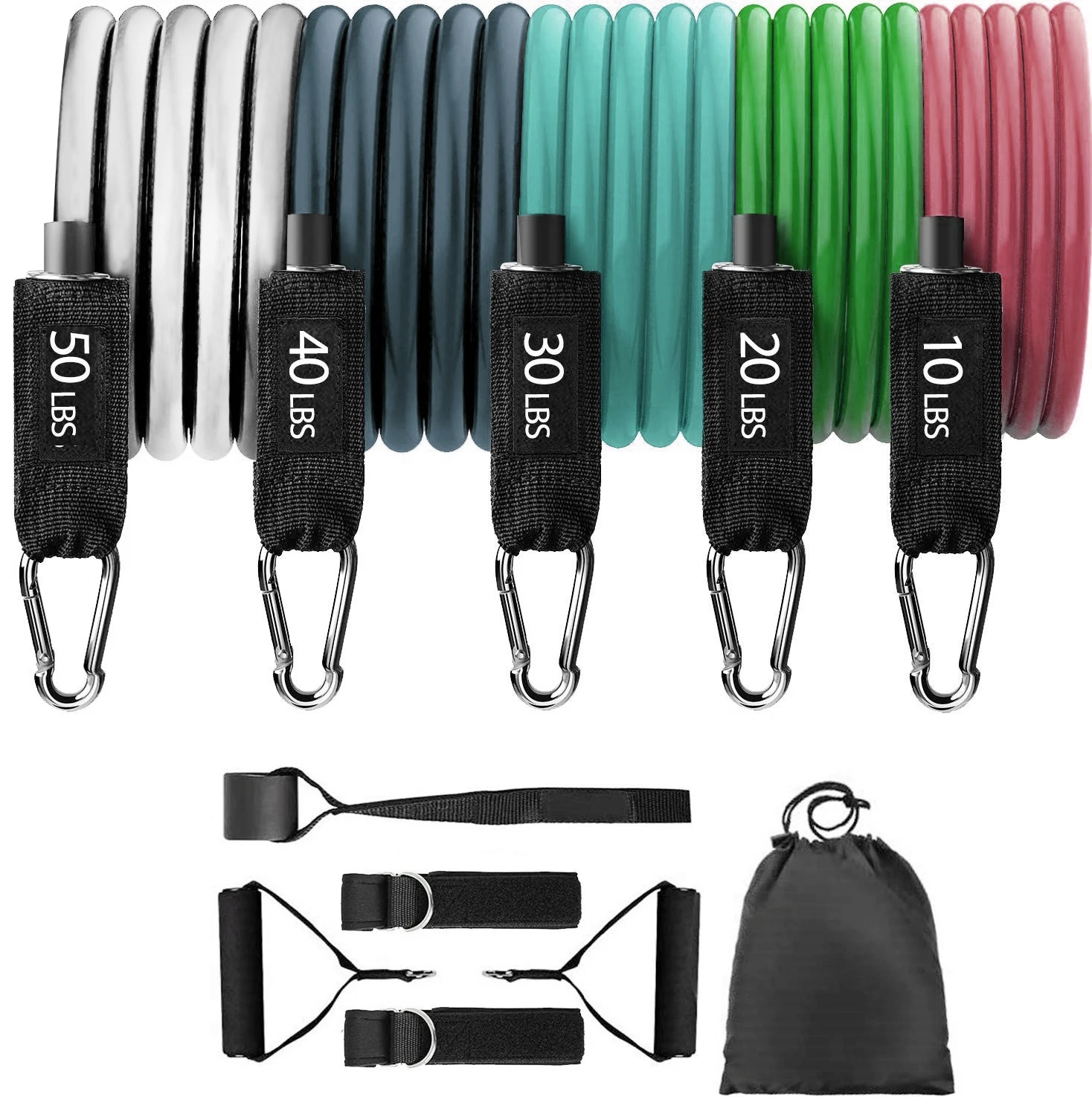
Not all resistance band products are equal in quality. A latex resistance band typically offers better elasticity and durability compared to fabric or non-latex alternatives. When selecting a resistance band set for a compact home gym, buyers should prioritize natural latex construction, reinforced end fittings, and a clear range of resistance levels. A set that offers stackable resistance up to 150 lbs covers a practical range for most home gym users, from light mobility work to challenging strength training sessions using the resistance band.
The number of accessories included with a resistance band set also matters. Door anchors, ankle straps, and comfortable handles increase the exercise variety available from a single resistance band kit. A well-equipped resistance band set with multiple attachment options effectively replaces a cable machine in a compact home setting, making the investment more cost-efficient and space-efficient at the same time.
Matching Resistance Band Intensity to Training Goals
Selecting the right resistance band tension for specific fitness goals is essential to avoid undertraining or overloading. A light resistance band works well for warm-ups, mobility drills, and rehabilitation. A medium resistance band suits general strength and toning work. A heavy or extra-heavy resistance band is appropriate for power training and progressive overload phases. Matching the resistance band to the user's current fitness level and planned progression ensures the home gym setup remains effective and challenging over time. Reviewing available resistance bands before purchasing helps ensure the selected set aligns with the user's actual training needs.
FAQ
Can a resistance band fully replace dumbbells in a home gym?
A resistance band can replace dumbbells for most functional exercises including curls, presses, and rows. A stackable resistance band set allows progressive overload similar to adjustable dumbbells. For very heavy compound lifts requiring maximum absolute load, a resistance band may not fully match, but for general home gym training it performs excellently in place of dumbbells.
How long does a resistance band typically last with regular use?
A high-quality latex resistance band can last one to three years with regular use when properly maintained. Avoid exposing a resistance band to direct sunlight, sharp edges, or extreme temperatures. Storing a resistance band in a cool, dry place and inspecting it regularly for cracks or fraying helps extend its usable life significantly.
Is a resistance band suitable for building muscle mass?
A resistance band can contribute to muscle hypertrophy when used with sufficient tension, proper volume, and progressive overload principles. While a resistance band may not replicate the absolute loads achievable with heavy barbells, consistent training with a high-resistance band set produces meaningful muscle development, especially for intermediate and beginner-level home gym users.