 EN
EN


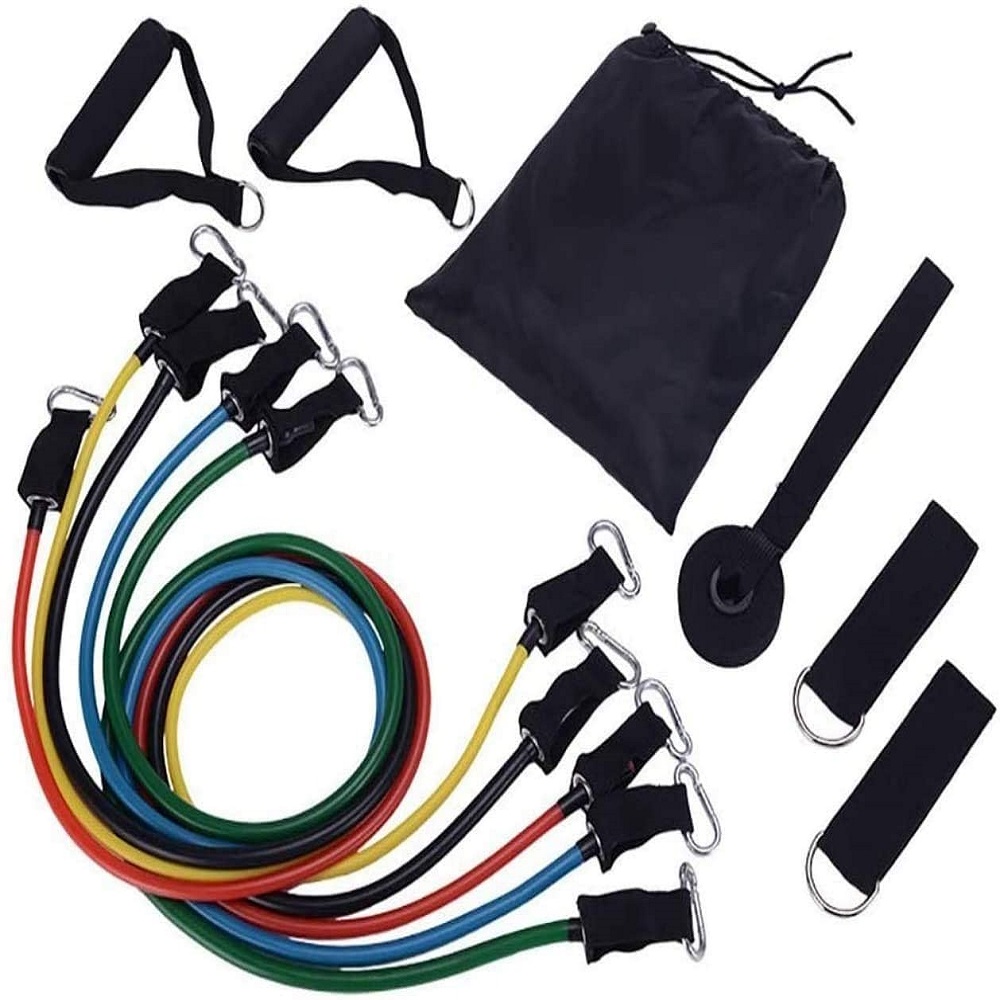
Pilates is a discipline built on precision, breath, and controlled movement — and the tools you choose to support that practice matter enormously. One piece of equipment that has gained significant attention among Pilates practitioners is the resistance tube. Lightweight, portable, and highly versatile, the resistance tube offers a form of progressive resistance that aligns naturally with the principles of Pilates. But is it genuinely beneficial, or is it simply a passing trend in functional fitness? The answer, supported by practical experience and exercise science, is a clear yes — with important nuances worth understanding.
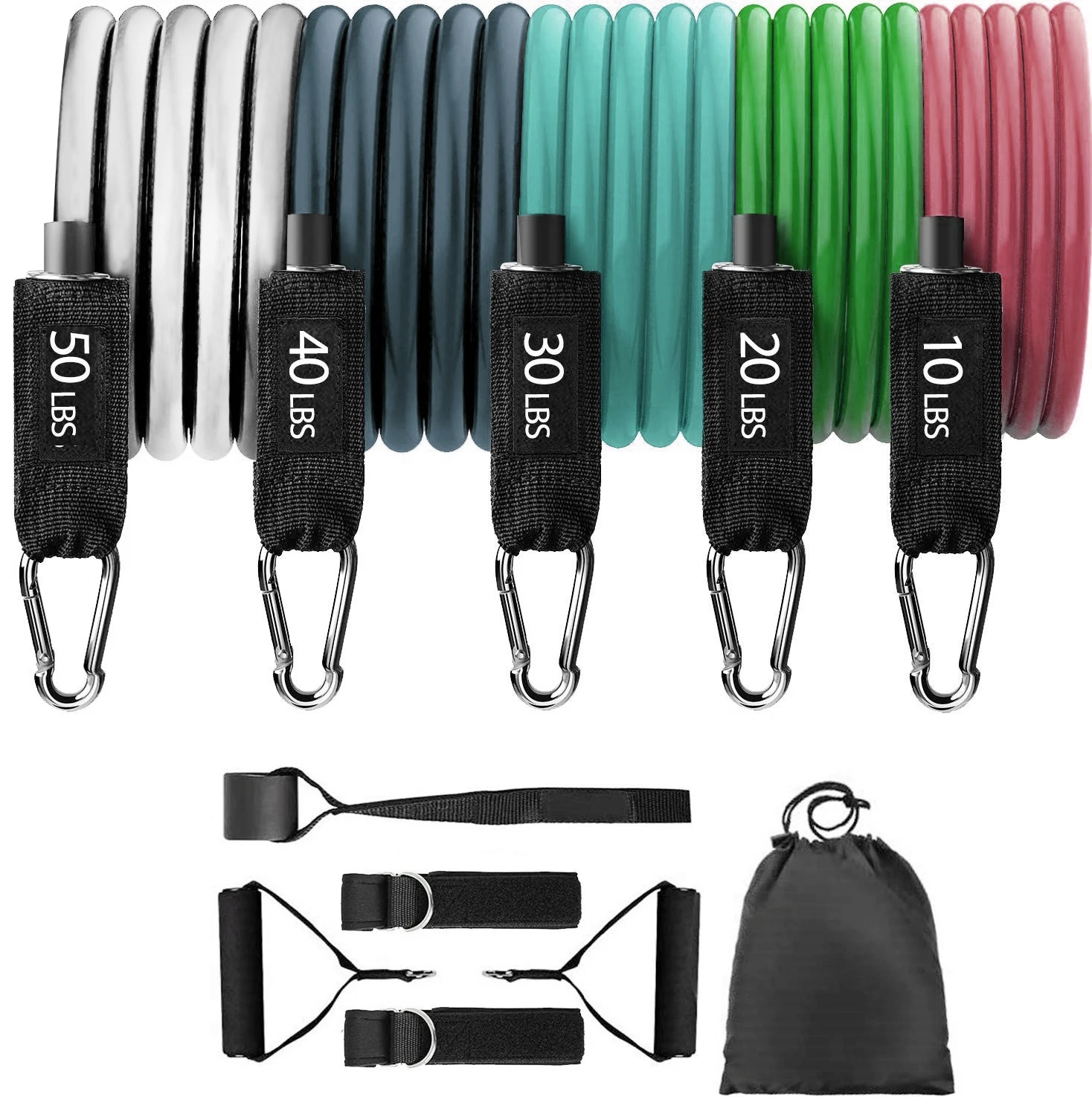
Pilates traditionally uses bodyweight, springs, and reformer tension to create resistance that challenges the muscles without overloading the joints. A resistance tube replicates that spring-like tension in a compact, accessible format. Whether you are a studio instructor looking to diversify your class offerings or a home practitioner seeking to deepen your results, incorporating a resistance tube into Pilates training can meaningfully elevate your sessions. This article explores exactly how and why that is the case, covering the functional benefits, practical applications, and key considerations for using a resistance tube in Pilates.
How Resistance Tube Mechanics Align with Pilates Principles
Progressive Tension That Mirrors Reformer Spring Resistance
The reformer, one of Pilates' most iconic machines, uses spring-based resistance to challenge the body through a full range of motion. A resistance tube functions on a similar mechanical principle — the further you stretch it, the greater the resistance becomes. This progressive tension encourages the same type of eccentric and concentric muscle control that Pilates demands. When you use a resistance tube during exercises like chest presses, row variations, or leg presses in a supine position, the muscles must work harder to maintain control as the tube stretches, closely mirroring what the reformer delivers. This alignment makes the resistance tube a natural complement rather than a foreign addition to Pilates practice.
Supporting Core Engagement Throughout Movement
One of the foundational goals of Pilates is to activate and stabilize the deep core muscles during every exercise. A resistance tube supports this goal by introducing an external load that demands stabilization. When holding and pulling a resistance tube, the torso must remain stable to prevent compensatory twisting or collapsing. This requirement intensifies core recruitment in a way that bodyweight Pilates alone sometimes cannot achieve. For intermediate and advanced practitioners, using a resistance tube during movements such as spine rotation, standing balance work, or seated rowing adds a layer of neuromuscular challenge that deepens core conditioning without sacrificing the controlled, deliberate pace Pilates requires.
Practical Applications of Resistance Tube in Pilates Sessions
Upper Body Toning and Shoulder Stability
Pilates places strong emphasis on shoulder girdle alignment and upper back strength, areas that are often underworked in modern sedentary lifestyles. A resistance tube is particularly effective for targeting these areas. Exercises such as external shoulder rotations, scapular retraction pulls, and seated overhead presses with a resistance tube build postural strength that Pilates instructors consistently prioritize. Unlike free weights, a resistance tube provides continuous tension throughout the movement arc, which is more consistent with the flowing, uninterrupted motion that defines Pilates exercise. Using a resistance tube for upper body work in a Pilates context encourages functional strength that translates directly into better posture and movement efficiency.
Lower Body and Glute Activation
Lower body Pilates work often focuses on hip mobility, glute activation, and inner thigh control. A resistance tube can be anchored around the ankles, looped around the feet, or held taut between the hands and feet to create targeted resistance for leg exercises. Movements such as clamshells, side-lying leg lifts, and supine leg presses all become significantly more demanding and effective when a resistance tube is introduced. This added resistance accelerates muscle recruitment and toning results compared to bodyweight versions alone. For clients who have progressed beyond beginner-level mat Pilates, a resistance tube provides the next logical challenge to continue their development without requiring large, expensive equipment.
Selecting and Using a Resistance Tube Safely in Pilates
Choosing the Right Resistance Level
Not all resistance tubes are equal, and selecting the appropriate resistance level is critical in a Pilates context. Pilates emphasizes quality of movement over quantity of load, so a resistance tube that is too heavy will disrupt form and compromise the controlled execution the practice requires. Beginners should start with a light resistance tube and progressively work toward medium or heavy options as their strength and control improve. Stackable resistance tube sets, which allow you to combine multiple tubes for varied resistance levels, offer excellent flexibility for Pilates practitioners at different stages. A well-designed resistance tube set allows you to adjust load incrementally, which supports the gradual progression that Pilates methodology recommends.
Safety Considerations and Form Integrity
Using a resistance tube safely in Pilates requires attention to both equipment condition and movement execution. Always inspect your resistance tube before each session for signs of wear, cracking, or thinning in the latex material. A compromised resistance tube can snap during use, posing a safety risk. Secure anchor points — such as door attachments, stable furniture, or your own body — must be properly set before beginning exercises. In terms of form, maintaining spinal neutrality and controlled breathing while using a resistance tube is non-negotiable in a Pilates context. Rushing through resistance tube exercises defeats the purpose of Pilates entirely. Slow, deliberate movements with a resistance tube build deeper neuromuscular connections and yield superior long-term results compared to fast, momentum-driven repetitions.
FAQ
Can beginners use a resistance tube in Pilates right away?
Yes, beginners can use a resistance tube in Pilates, provided they start with a light resistance level and focus on maintaining proper form throughout each movement. It is advisable to learn the foundational Pilates movements first before adding a resistance tube to ensure the core principles of breath and alignment are already established. A qualified instructor can help integrate a resistance tube gradually into a beginner program to maximize safety and benefit.
How many times per week should I use a resistance tube in Pilates training?
Incorporating a resistance tube into your Pilates practice two to four times per week is generally effective for building strength and improving muscle tone. Because Pilates is a low-impact discipline, you can use a resistance tube more frequently than you might with heavy weightlifting, as the joint stress is comparatively low. However, allowing at least one rest day between intense resistance tube sessions helps the muscles recover and adapt optimally.
Is a latex resistance tube better than a fabric band for Pilates?
A latex resistance tube and a fabric band serve different purposes and suit different exercises in a Pilates context. A resistance tube offers a longer stretch range and is ideal for full-range movements such as rows, presses, and extensions. Fabric bands are typically shorter and better suited for lower body activation exercises around the thighs or ankles. For Pilates practitioners who want versatility and a full-body workout tool, a resistance tube is generally the more adaptable choice, especially when it comes in a stackable set with multiple resistance levels.