 EN
EN


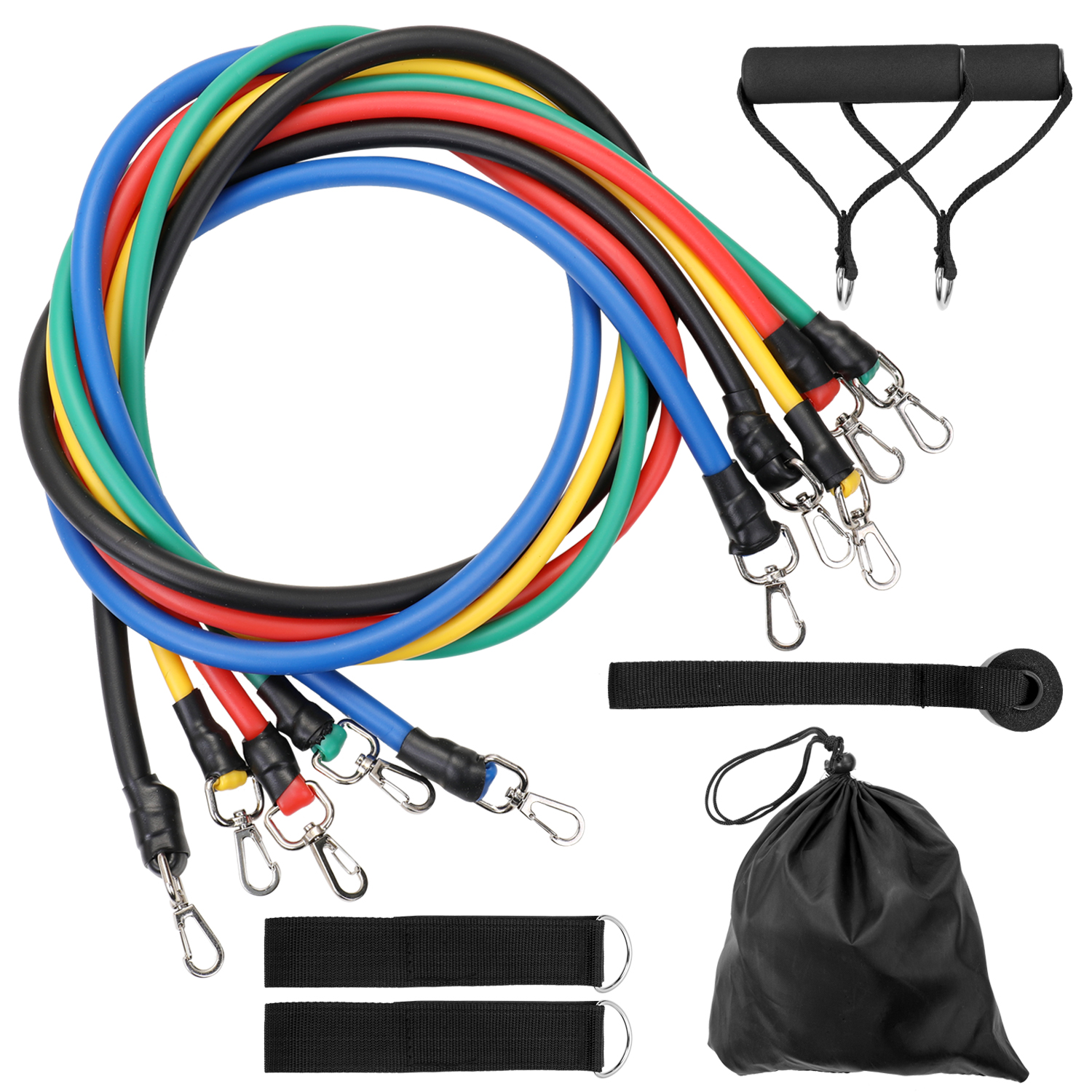
When it comes to low-impact fitness, the resistance tube stands out as one of the most practical and effective tools available. Unlike heavy free weights or high-impact cardio machines, a resistance tube offers smooth, controlled resistance that works with your body rather than against it. For individuals managing joint sensitivities, recovering from minor injuries, or simply preferring gentler workout methods, the resistance tube delivers real results without the harsh impact on bones and connective tissue.
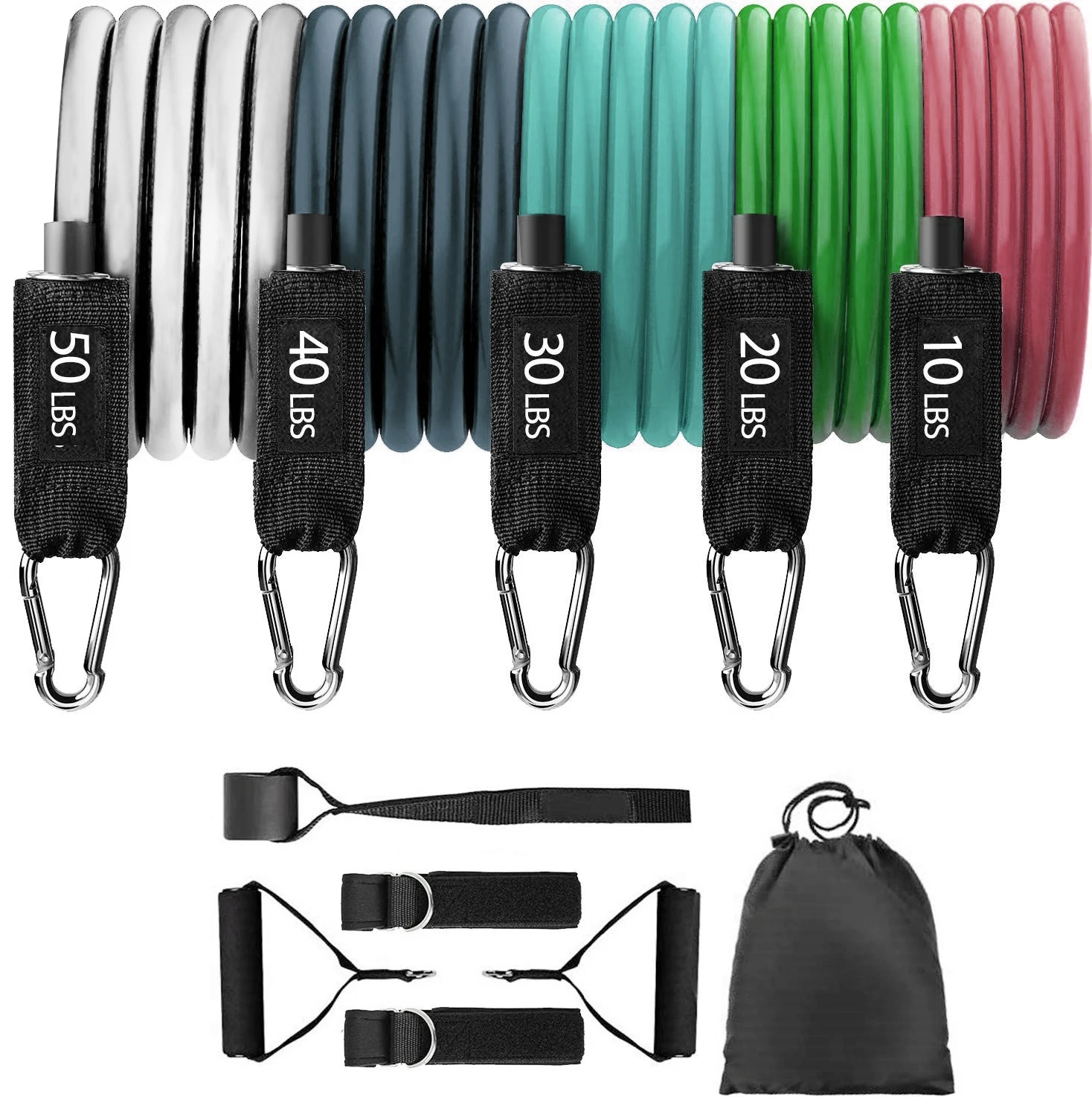
The short answer is yes — a resistance tube is genuinely effective for low-impact fitness routines. However, understanding why it works, how to apply it correctly, and what makes it particularly suitable for low-impact training will help you get the maximum benefit. This article explores the science and practical logic behind resistance tube training, so you can approach your routine with confidence and purpose.
Why the Resistance Tube Suits Low-Impact Training
The Nature of Elastic Resistance
A resistance tube generates tension through elastic deformation rather than gravitational load. This distinction is critical for low-impact training. With free weights, your joints bear force at fixed points, especially at the end range of motion. A resistance tube, by contrast, provides progressive resistance — meaning tension increases gradually as you stretch the tube further. This progressive loading pattern is far gentler on joints, tendons, and ligaments, making the resistance tube ideal for individuals who need to minimize joint stress.
Because the resistance tube creates constant muscular engagement throughout the entire movement arc, muscles work harder in a controlled way without the sudden shock loads associated with dropped weights or rapid deceleration. Every rep with a resistance tube is inherently smoother, which directly supports the goals of a low-impact fitness routine.
Versatility Across Muscle Groups
Another reason the resistance tube is so effective for low-impact routines is its ability to target virtually every major muscle group. You can use a resistance tube for upper body movements like chest presses, rows, and shoulder raises, as well as lower body work like squats, lateral band walks, and leg curls. Core exercises using a resistance tube, such as rotational pulls and standing crunches, allow for functional strengthening without floor-based compression. This full-body range means your resistance tube routine can be genuinely comprehensive without relying on high-impact movements.
Effectiveness of Resistance Tube Workouts
Muscle Activation and Strength Development
Research in exercise science consistently shows that resistance tube training produces meaningful muscle activation comparable to free weight exercises at matched resistance levels. When you perform a bicep curl or a lateral raise with a resistance tube, the stabilizer muscles are also recruited because elastic resistance introduces a slight directional variability. This additional neuromuscular demand means a resistance tube workout builds not just primary muscle strength, but also coordination and joint stability — outcomes that are especially valuable for older adults or those in rehabilitation settings.
A stackable resistance tube set allows users to layer multiple tubes together, progressively increasing resistance as strength improves. This scalability makes the resistance tube an effective long-term tool rather than a beginner-only option. Whether you are working at 10 lbs or 150 lbs of combined resistance, the resistance tube can match your strength progression without requiring a full rack of weights.
Caloric Expenditure and Cardiovascular Benefit
Low-impact does not mean low-effort. A well-designed resistance tube circuit — moving quickly between exercises with minimal rest — can elevate your heart rate significantly and support meaningful caloric expenditure. Because the resistance tube is lightweight and portable, you can move from exercise to exercise rapidly without setup delays. This makes circuit-style resistance tube training an effective option for combining strength work with cardiovascular conditioning, all within a low-impact framework that protects your joints.
Choosing and Using a Resistance Tube Correctly
Selecting the Right Resistance Level
Effectiveness with a resistance tube depends heavily on selecting the appropriate resistance level for each movement. A resistance tube that is too light will not challenge the target muscle sufficiently, while one that is too heavy may cause compensatory movement patterns that introduce injury risk. For low-impact routines, the goal is smooth, controlled motion through the full range of movement. As a general principle, choose a resistance tube that allows you to complete 12 to 15 clean repetitions before reaching genuine muscle fatigue. Adjust resistance as strength develops.
A multi-piece resistance tube set with varied color-coded bands gives you the flexibility to apply the right challenge for each exercise independently. A row or pull movement may require a heavier resistance tube than a shoulder isolation exercise, and having multiple options allows your routine to stay optimally targeted throughout.
Form and Anchoring Considerations
One practical advantage of resistance tube training is the ability to anchor the tube to a fixed point — a door anchor, a rack, or a sturdy pole — enabling a wider variety of movement angles. Anchoring your resistance tube at different heights allows you to simulate cable machine exercises without the gym equipment. This is particularly useful for low-impact routines because it enables smooth, guided movement paths that reduce the risk of awkward loading. Always inspect your resistance tube before each session for any signs of wear, nicks, or surface cracking, especially near the handles and anchor points.
FAQ
Can a resistance tube replace gym equipment for low-impact training?
A resistance tube can replicate a wide range of gym cable and free-weight exercises effectively for low-impact purposes. While it may not fully replace heavy barbell training for advanced strength athletes, a resistance tube is highly capable of delivering complete, progressive, low-impact workouts for general fitness, rehabilitation, and functional conditioning.
How often should I train with a resistance tube for best results?
Most fitness guidelines recommend strength-based resistance tube sessions three to four times per week, with rest days in between for muscle recovery. Because resistance tube training is lower in joint stress than free weights, recovery is often faster, making it easier to maintain a consistent training schedule without excessive fatigue or soreness.
Is a resistance tube suitable for older adults or people with joint problems?
Yes. The resistance tube is widely recommended for older adults and individuals managing joint discomfort because it provides smooth, progressive resistance without impact loading. Physical therapists frequently incorporate resistance tube exercises into rehabilitation programs. Always consult a healthcare professional before starting any new training program if you have existing joint or musculoskeletal conditions.