 EN
EN


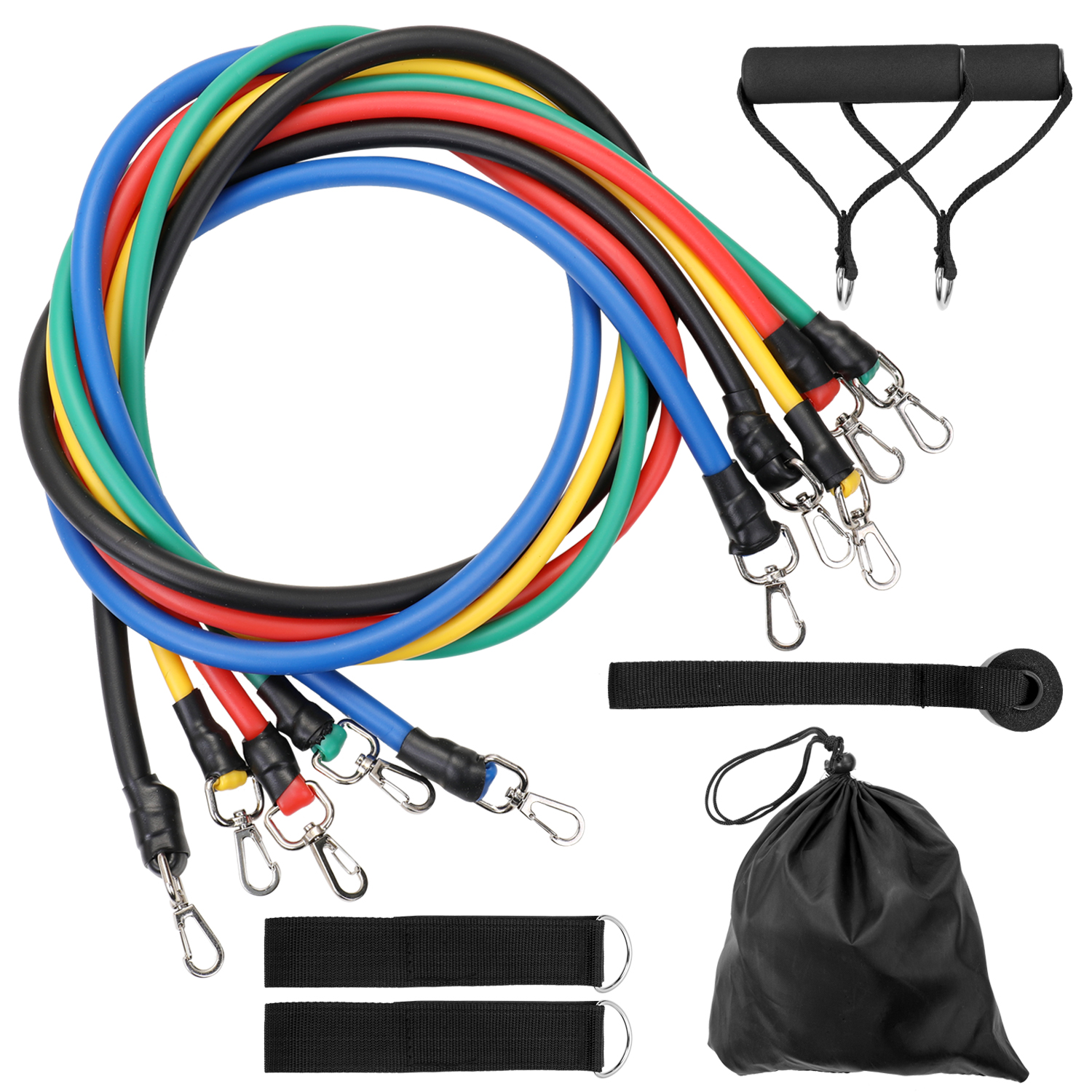
Across professional leagues, college athletics, and community sports programs, coaches are increasingly turning to resistance tube training as a core component of athletic preparation. The resistance tube offers a versatile, portable, and highly effective way to develop the physical qualities that define competitive performance. From explosive power to injury resilience, this simple piece of equipment delivers results that traditional weights often cannot replicate in the same format.
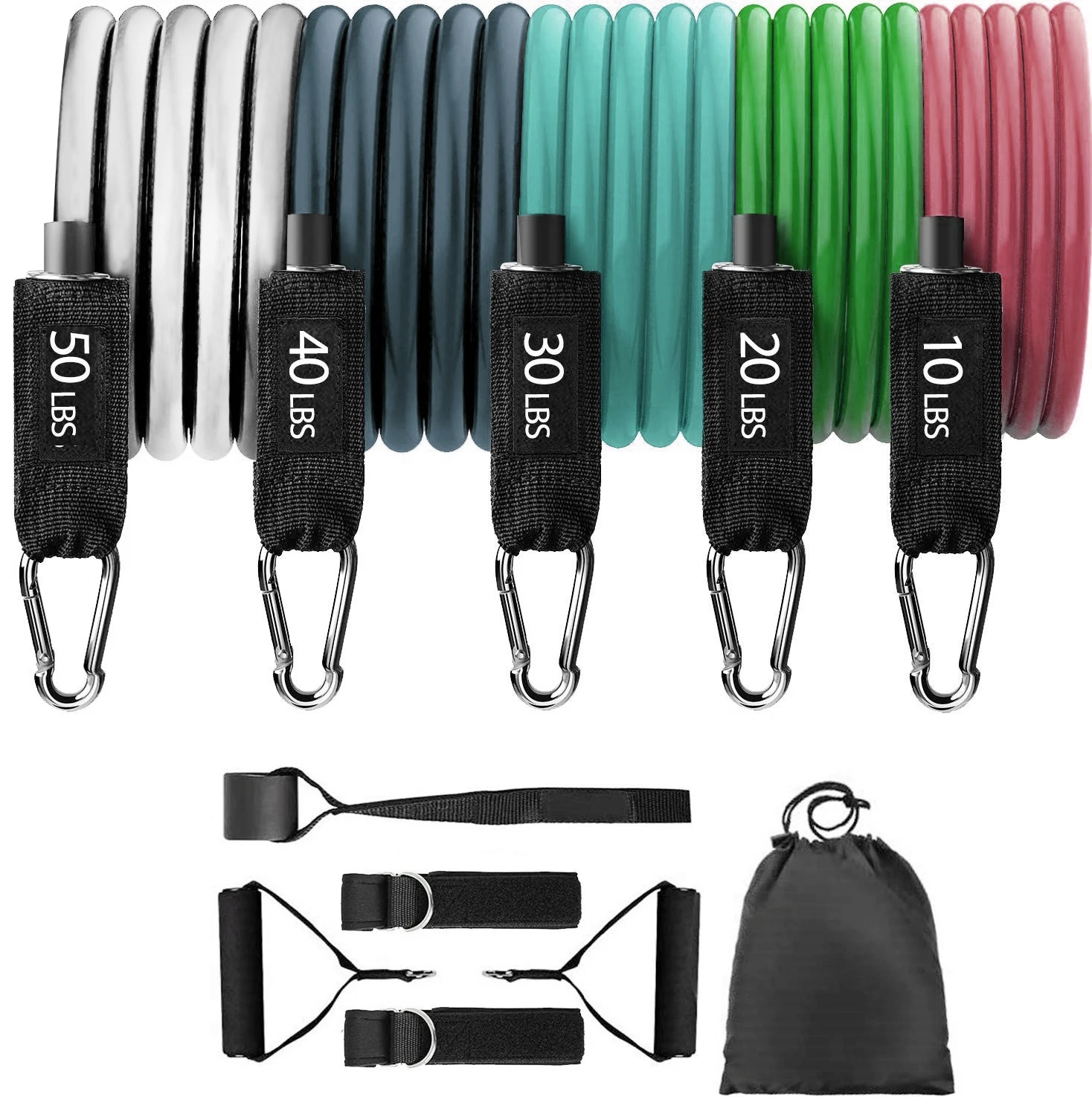
Sports teams at every level have discovered that a resistance tube fits naturally into warm-up routines, full-body strength sessions, and rehabilitation protocols alike. Unlike free weights, a resistance tube provides variable tension throughout a movement, which means muscles are challenged through the entire range of motion. This characteristic makes the resistance tube an especially smart investment for any team looking to train smarter rather than just harder.
Functional Strength That Matches Sport Demands
Training Movements, Not Just Muscles
One of the primary reasons sports teams adopt resistance tube training is its ability to replicate sport-specific movement patterns. A resistance tube can be anchored at different heights and angles, allowing athletes to perform pulling, pushing, rotating, and stabilizing movements that directly mirror what happens on the field or court. This functional approach to strength training helps athletes transfer their gym gains into actual game performance more effectively than isolated machine exercises.
When a football player uses a resistance tube to simulate a blocking push or a tennis player uses it to rehearse a serve motion, the muscles trained are the exact ones recruited during competition. This specificity is a major advantage that keeps the resistance tube firmly in sports team training programs year after year. Coaches value tools that bridge the gap between the weight room and the playing surface, and the resistance tube does exactly that.
Variable Resistance and Progressive Overload
A quality resistance tube set, such as a stackable latex resistance tube system with multiple tension levels, allows coaching staff to apply progressive overload with precision. Athletes can start with lighter resistance tube options and advance to heavier combinations as they build strength and neuromuscular control. This progression mirrors the principles of periodized training, making the resistance tube compatible with structured seasonal training plans used by professional teams.
The variable resistance nature of a resistance tube also means that the hardest part of each rep occurs near the end range of motion, where muscles are often strongest. This helps athletes develop strength in positions that fixed weights frequently neglect, resulting in more complete physical preparation across the full joint range.
Injury Prevention and Rehabilitation Value
Protecting Athletes Before Injuries Happen
Sports medicine professionals consistently recommend resistance tube exercises as part of prehabilitation programs designed to reduce injury risk. The low-impact nature of resistance tube training means joints experience controlled loading without the compressive stress associated with heavy barbell work. For athletes who compete on hard surfaces or engage in repetitive high-impact movements, incorporating a resistance tube into daily training offers a meaningful layer of joint protection.
Hip stability drills using a resistance tube are widely used to protect the knees of basketball and soccer players. Shoulder external rotation exercises performed with a resistance tube are standard practice in baseball and volleyball programs to guard the rotator cuff. Teams that consistently use a resistance tube in their prehab routines tend to report fewer soft tissue injuries throughout a competitive season.
Supporting Return-to-Play After Injury
When an athlete is recovering from a muscle strain or joint injury, the resistance tube becomes a critical rehabilitation tool. Its smooth, continuous tension allows physical therapists and athletic trainers to guide injured athletes through controlled strengthening progressions without placing dangerous loads on healing tissue. A resistance tube can be adjusted incrementally, making it ideal for the careful, gradual reloading that safe recovery demands.
Many team sports programs keep a dedicated set of resistance tube accessories in their medical room for this exact purpose. Athletes recovering from hamstring pulls, rotator cuff irritation, or ankle sprains often begin resistance tube work within days of their initial injury under professional supervision, helping to maintain muscle activation and circulation while protecting the healing site.
Team Logistics and Practical Training Benefits
Portability and Team-Wide Accessibility
Sports teams travel frequently, and hauling heavy gym equipment to away venues is simply not practical. A resistance tube solves this problem elegantly. An entire team can pack a full set of resistance tube accessories into a single bag, ensuring that training quality never has to drop during road trips or tournament travel. This portability means the resistance tube supports training continuity throughout the full competitive calendar, not just during home sessions.
Beyond travel, the resistance tube is equally effective indoors and outdoors, on grass fields, gym floors, and hotel corridors. Its adaptability to any environment means coaches can run resistance tube circuits before matches, during halftime warm-ups, or in recovery sessions without needing any specialized infrastructure. This flexibility adds significant practical value to the resistance tube as a team training asset.
Cost Efficiency for Team Budgets
Outfitting a full squad with high-quality resistance tube sets is far more affordable than purchasing equivalent free weight equipment. Teams operating with limited budgets can equip every athlete with their own resistance tube kit, enabling simultaneous group training without the queuing and spacing issues that barbells and machines create. For youth teams and community sports programs, the resistance tube levels the playing field by delivering professional-grade training tools at an accessible price point.
The durability of a well-made latex resistance tube also ensures a long service life with minimal maintenance. Compared to cable machines or weighted sleds that require regular servicing, a resistance tube demands only basic care to remain effective for years, making it a cost-efficient long-term investment for team equipment budgets.
FAQ
What resistance tube tension level is appropriate for sports team training?
Most sports teams benefit from using a stackable resistance tube set that offers multiple tension options, typically ranging from light to heavy. Athletes can combine tubes to achieve the exact resistance needed for each exercise, allowing both beginners and advanced players to train effectively with the same equipment set.
How often should athletes use a resistance tube during the competitive season?
During a competitive season, athletes typically integrate resistance tube work two to four times per week, often as part of warm-up activation routines or low-load recovery sessions. The resistance tube is well suited for high-frequency use because it generates less muscle damage and joint stress than heavy free weight training.
Can a resistance tube replace free weights entirely for sports conditioning?
A resistance tube is not intended to fully replace free weights but rather to complement them. For sport-specific movement training, prehabilitation, rehabilitation, and travel-based conditioning, a resistance tube is an excellent primary tool. For maximal strength development, it works best alongside traditional weight training within a comprehensive program.