 EN
EN


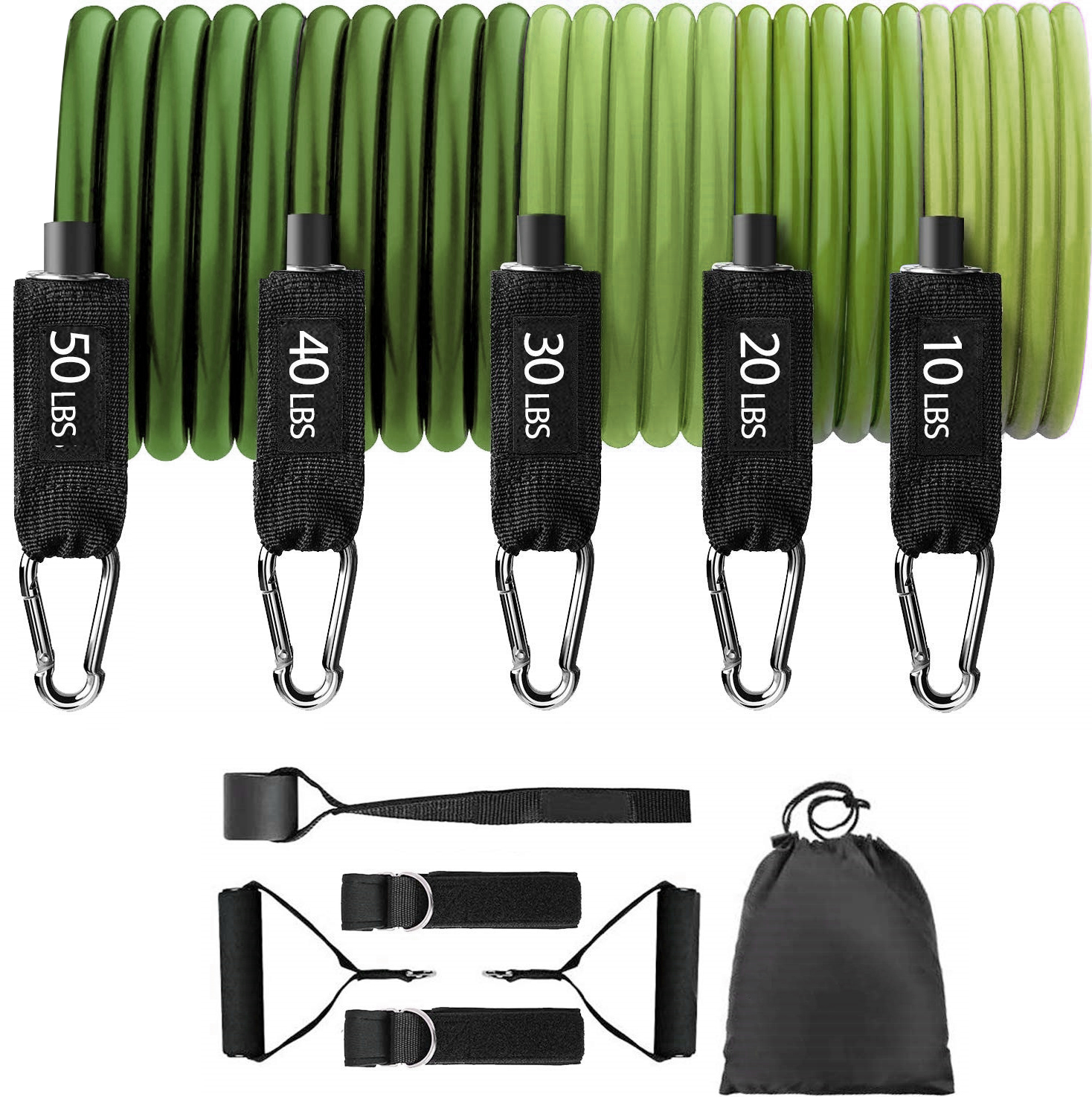
When people first walk into a gym or set up a home workout space, they often ask whether a single piece of equipment can genuinely serve every stage of their fitness journey. The resistance tube is one of the few training tools that earns a confident yes to that question. Unlike fixed-weight machines or heavy barbells, a resistance tube delivers variable tension that naturally scales with the user's strength, range of motion, and movement speed.
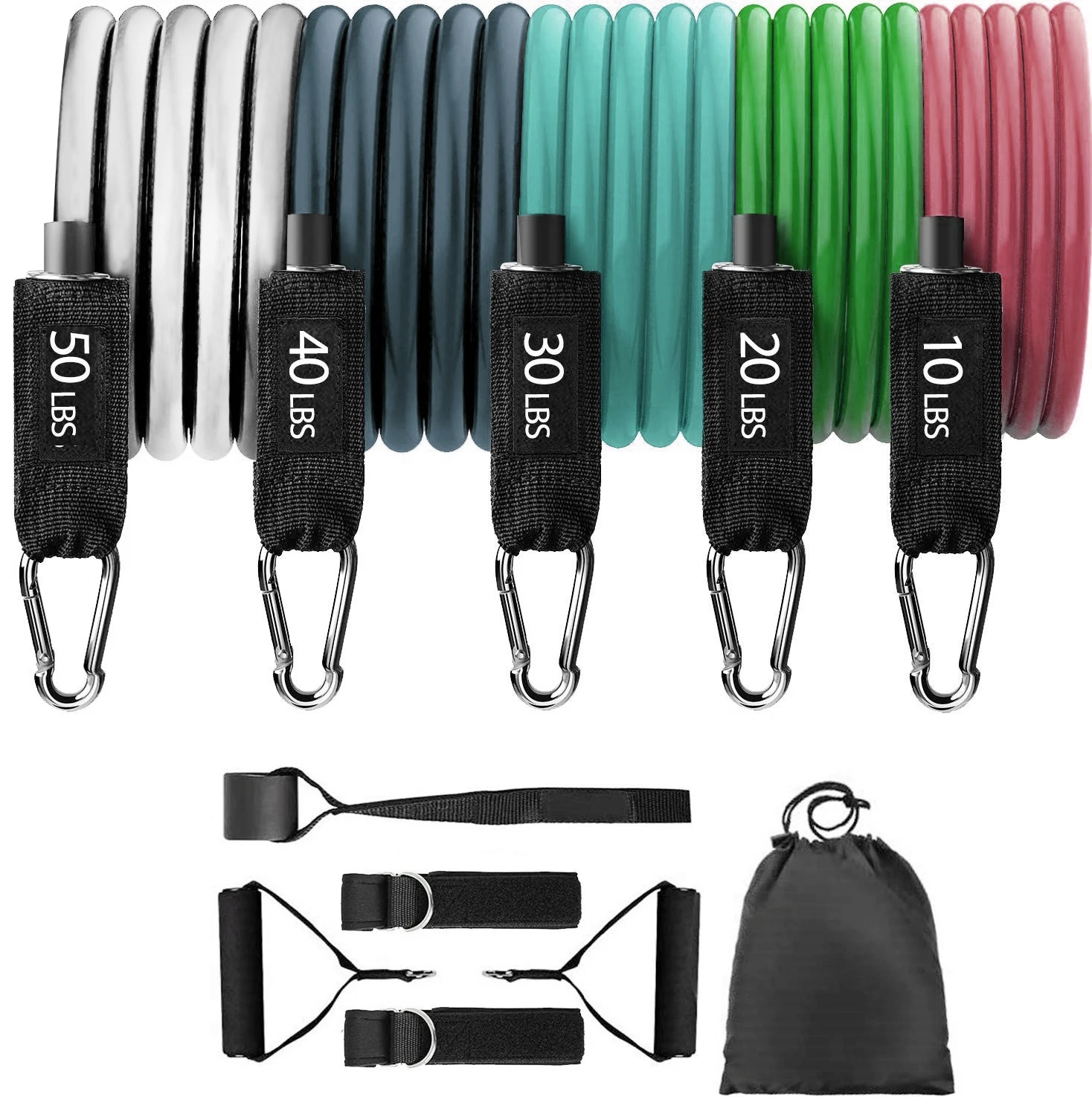
The short answer is yes — a resistance tube is suitable for all fitness levels. However, the longer and more useful answer requires understanding how resistance tube training adapts, what tension options are available, and how each category of user can make the most of this versatile tool. This article breaks down exactly that, so you can decide with confidence how a resistance tube fits into your training plan.
How a Resistance Tube Adapts to Different Fitness Levels
The Physics Behind Resistance Tube Scaling
A resistance tube works on elastic tension principles. The more you stretch a resistance tube, the greater the force it exerts against your movement. This means that a beginner with limited strength still receives a productive challenge, while a stronger athlete who extends the resistance tube further or uses a thicker resistance tube experiences significantly higher load. This self-scaling quality makes the resistance tube fundamentally different from fixed-load tools.
Because a resistance tube provides what trainers call 'accommodating resistance,' it also reduces the risk of overloading a joint at its weakest position. When a resistance tube is nearly slack at the bottom of a movement and fully tensioned at the top, it matches the natural strength curve of many muscle groups. This property protects beginners who are still building joint stability and benefits advanced users who want to eliminate mechanical disadvantage during peak contraction.
Color-Coded Resistance Tube Systems
Most quality resistance tube sets use a color-coded system to indicate tension levels. A light resistance tube, typically yellow or green, suits beginners, rehabilitation patients, and warm-up routines. A medium resistance tube in red or blue works well for intermediate users focused on muscle conditioning. A heavy resistance tube in black or purple targets advanced athletes who need substantial load for compound movements such as rows, squats, and chest presses.
A stackable resistance tube set that combines multiple tubes is especially practical. By clipping two or three resistance tube units onto a single handle, a user can precisely dial in the total resistance. This means one resistance tube set can realistically cover the entire load range a person might need across months or even years of training.
Resistance Tube Training for Beginners, Intermediates, and Advanced Athletes
Beginners and Resistance Tube Training
For someone just starting out, a resistance tube offers a forgiving but effective entry point into strength training. The controlled tension of a resistance tube limits the momentum that often leads to poor form with free weights. A beginner can practice squats, bicep curls, lateral raises, and seated rows using a light resistance tube while focusing entirely on correct movement patterns. Because the resistance tube does not drop or fall if the user loses grip, it also reduces the intimidation factor common in traditional weight training environments.
Additionally, a resistance tube is lightweight and portable, which means beginners who train at home or travel frequently do not need to invest in bulky equipment. One basic resistance tube set can replace a full rack of dumbbells for foundational movement training.
Intermediate and Advanced Resistance Tube Applications
Intermediate users benefit from a resistance tube by layering it into compound and functional movements. A resistance tube can be anchored at the door, looped around a squat rack, or held underfoot to create pulling, pushing, and rotational challenges. Exercises such as resistance tube pallof presses, pull-apart variations, and single-leg deadlifts push an intermediate athlete toward coordination and muscle endurance goals that machines cannot easily replicate.
Advanced athletes use a resistance tube to add overspeed and accommodating resistance to barbell lifts, enhance activation drills before heavy compound sets, and support rehabilitation after injury. A high-tension resistance tube combined with a barbell on the squat or bench press creates a variable load curve that challenges the lockout position more intensely than standard weights. Many strength coaches integrate a resistance tube into peaking programs precisely because of this mechanical advantage manipulation.
Practical Considerations When Choosing a Resistance Tube
Material and Build Quality
The quality of a resistance tube depends largely on its material. Natural latex resistance tube products offer superior elasticity, durability, and consistent tension compared to lower-grade synthetic alternatives. A latex resistance tube resists snapping under repeated high-load stretching, making it safer for intensive training. When evaluating a resistance tube, check for uniform wall thickness, reinforced end clips, and ergonomic handles that distribute grip pressure evenly.
A resistance tube set that includes multiple tension levels, handles, ankle straps, and a door anchor provides exceptional value. Such a set can support a full-body resistance tube workout program without requiring additional equipment purchases.
Safety and Longevity of Your Resistance Tube
Regardless of fitness level, users should inspect their resistance tube before each session. A cracked or dry resistance tube can snap under tension and cause injury. Storing a resistance tube away from direct sunlight and extreme temperatures extends its lifespan significantly. Most high-quality resistance tube products last well beyond a year of regular use when properly maintained. Following these simple care steps ensures that a resistance tube remains a reliable training partner across every stage of a person's fitness development.
FAQ
Can a complete beginner use a resistance tube safely?
Yes. A resistance tube is among the safest strength training tools for beginners. The elastic tension of a resistance tube allows users to control load easily, practice proper form, and build strength gradually without the risks associated with heavy free weights.
How many resistance tube levels do I need for a complete workout program?
Most users benefit from having three to five resistance tube tension levels. A beginner may only need one or two, while intermediate and advanced athletes require a broader range. A stackable resistance tube set that includes five tubes of varying tension is the most flexible and cost-effective solution for long-term training.
Is a resistance tube as effective as free weights for building muscle?
A resistance tube can build meaningful muscle, particularly when used with progressive overload principles. While a resistance tube has different tension characteristics than free weights, research and practical training experience confirm that consistent resistance tube training produces muscle hypertrophy, improved strength, and enhanced functional movement in users at all fitness levels.