 EN
EN


A yoga ball is no longer limited to home studios or rehabilitation clinics. Commercial gym operators are increasingly asking whether the yoga ball deserves a permanent place on their equipment floor. The answer depends on how well the yoga ball holds up under heavy daily use, how safely it performs with diverse user groups, and whether it genuinely adds training value that members expect from a professional facility.
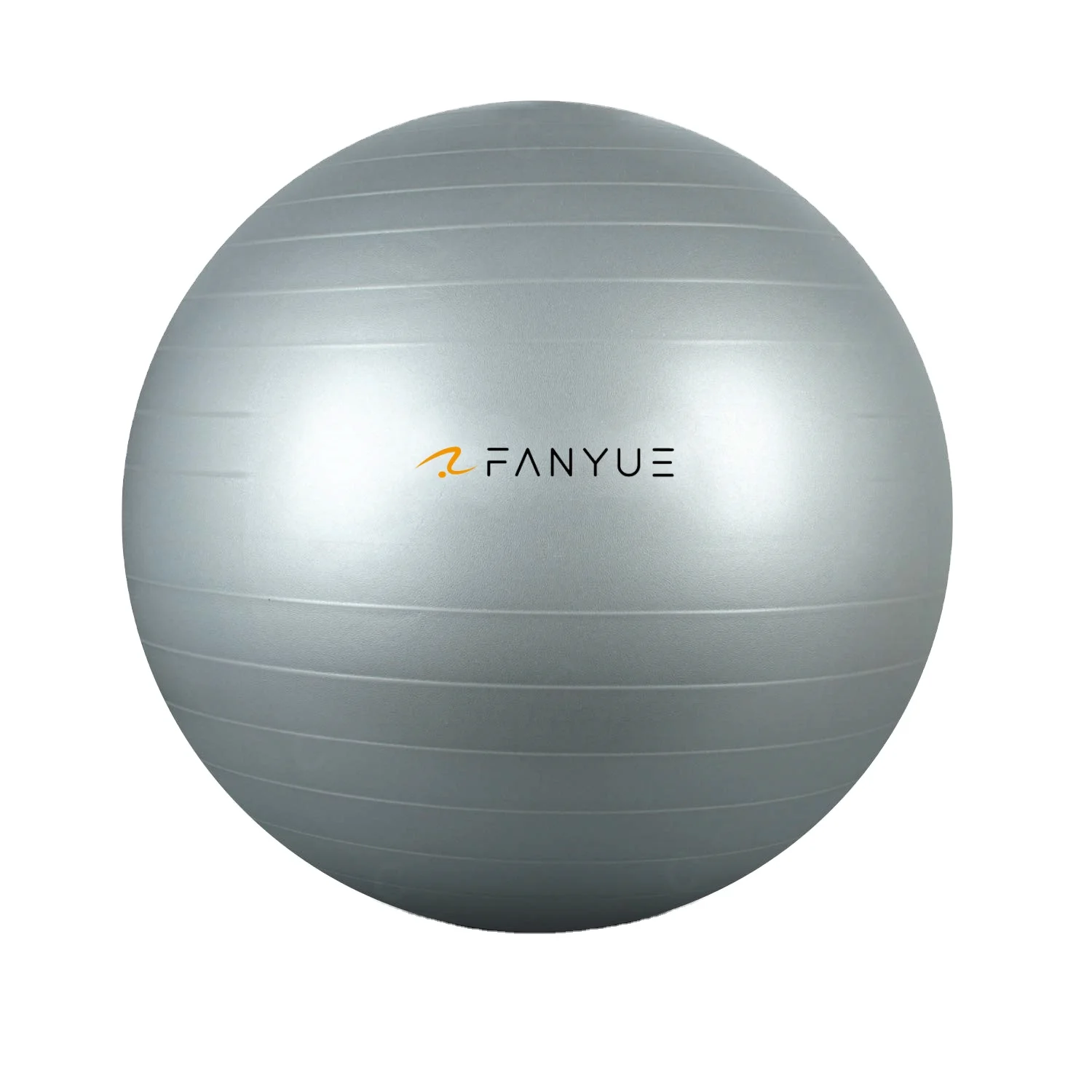
The short answer is yes — a yoga ball is suitable for commercial gym environments, but only when the right specifications are chosen and proper usage protocols are in place. A commercial-grade yoga ball must meet stricter standards than a basic home yoga ball. Understanding those standards helps gym managers make informed procurement decisions and protect both their investment and their members.
Durability and Safety Standards for Commercial Use
Anti-Burst Construction Makes the Yoga Ball Commercially Viable
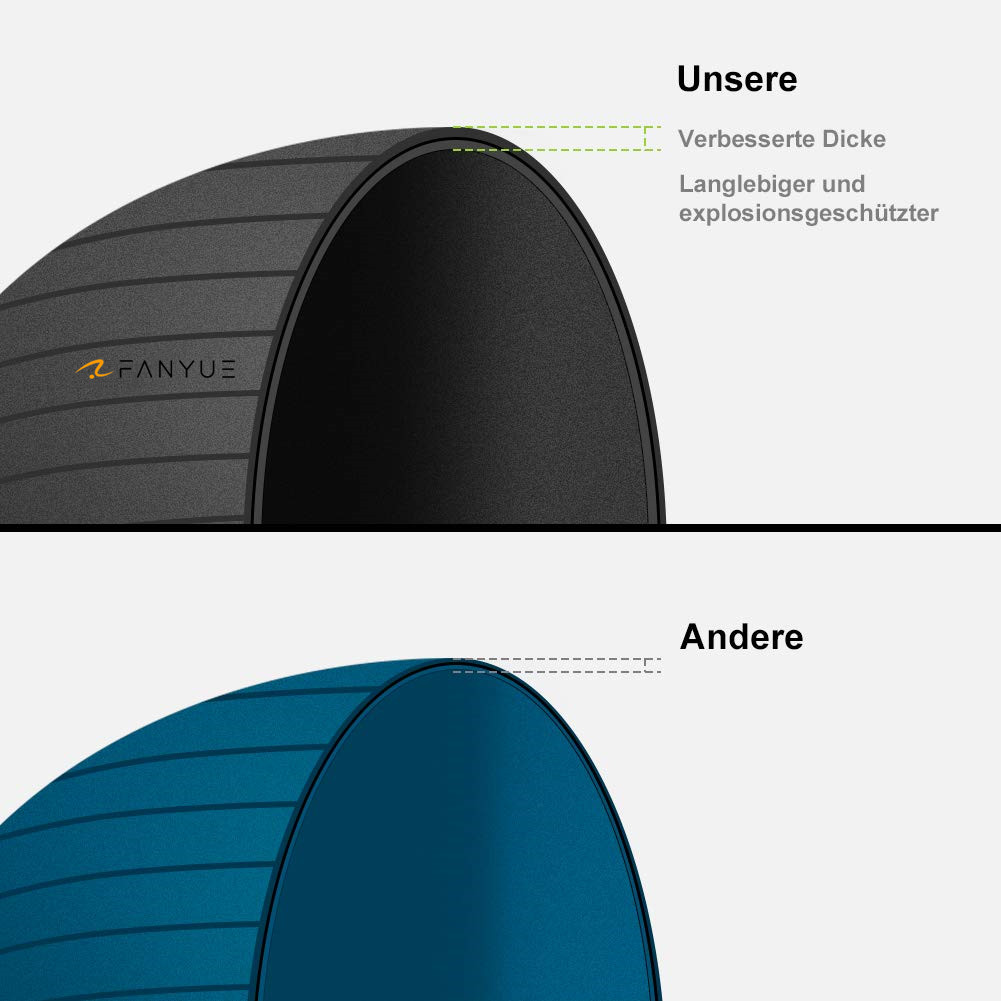
The most critical feature that determines whether a yoga ball belongs in a commercial gym is its anti-burst rating. A commercial yoga ball must be manufactured from thick, reinforced PVC material that deflates slowly and safely when punctured rather than exploding suddenly. This slow-deflation property is what separates a professional yoga ball from a consumer-grade product. In a busy gym where dozens of users may sit, bounce, or perform exercises on a yoga ball throughout the day, anti-burst construction is non-negotiable.
A high-quality commercial yoga ball should support a static weight of at least 300 kilograms, with some heavy-duty versions rated even higher. When procuring a yoga ball for gym use, operators should always verify the weight capacity and request certification documentation. A yoga ball that lacks verified burst resistance poses liability risks and should never be placed in a shared commercial environment.
Non-Slip Surfaces Protect Users During High-Intensity Training
Beyond burst resistance, the surface texture of a yoga ball plays a major role in commercial suitability. A yoga ball with a non-slip finish gives users confident grip whether they are performing core stabilization drills, wall squats, or dynamic balance exercises. In a gym setting where floors may carry moisture from foot traffic or cleaning routines, a yoga ball with enhanced surface grip significantly reduces the chance of slipping accidents. Gym operators should select a yoga ball that features a textured or ribbed PVC shell rather than a smooth surface finish.
Fitness Value of the Yoga Ball in a Commercial Setting
The Yoga Ball Supports a Wide Range of Training Goals
One of the strongest arguments for including a yoga ball in a commercial gym is its training versatility. A yoga ball can be used for core strengthening, spinal mobility, balance training, flexibility work, and even as a bench substitute for upper-body exercises. Personal trainers can incorporate a yoga ball into client programs ranging from beginner rehabilitation to advanced athletic conditioning. This multi-purpose nature means a single yoga ball serves many different training intentions within one facility.
A yoga ball also supports group fitness formats. Studios that offer Pilates classes, functional training circuits, or prenatal fitness programs rely on the yoga ball as a primary prop. Having a set of yoga ball units in multiple sizes — typically 55 cm, 65 cm, and 75 cm — ensures that instructors can match each participant to the correct yoga ball for their height and exercise type. Offering yoga ball options across sizes reflects a professional, member-focused approach that enhances the perceived quality of the facility.
The Yoga Ball Encourages Member Engagement and Retention
From a business perspective, a yoga ball adds visible value to the gym floor. Members who see diverse, accessible equipment are more likely to feel the facility meets their evolving fitness needs. A yoga ball station with clear usage guides or instructional signage signals that the gym supports educated, intentional training rather than just machine-based routines. This kind of environment encourages longer memberships and stronger word-of-mouth referrals, both of which matter deeply to commercial gym operators.
Maintenance, Storage, and Lifecycle Management
Routine Care Extends the Life of Each Yoga Ball
A commercial yoga ball requires consistent maintenance to remain safe and functional. Gym staff should inspect every yoga ball regularly for signs of surface cracking, unusual softness, or visible deformation. A yoga ball showing any of these symptoms should be removed from the floor immediately and replaced. PVC yoga ball surfaces can be cleaned with mild disinfectant sprays, making it straightforward to maintain hygiene standards in a shared environment. Proper inflation is equally important — an over-inflated yoga ball is more prone to stress failure, while an under-inflated yoga ball reduces exercise effectiveness.
Storage also matters. A yoga ball should be kept away from sharp objects, abrasive flooring, and direct heat sources, which can degrade the PVC material over time. Wall-mounted racks or dedicated yoga ball storage bins keep the equipment organized and prevent accidental damage. Gyms that invest in a yoga ball storage system signal to members that equipment care is part of the facility culture.
Wholesale Procurement Reduces Cost per Yoga Ball Unit
For commercial operators outfitting multiple studio spaces or franchise locations, sourcing a yoga ball through wholesale channels offers meaningful cost advantages. Buying a yoga ball in bulk from a manufacturer that provides anti-burst certification, multi-size options, and consistent quality control ensures that every yoga ball on the floor meets the same safety and performance standard. Gym operators should ask suppliers for sample testing, material specifications, and weight ratings before committing to a bulk yoga ball order. A yoga ball that meets commercial-grade specifications and is priced competitively at wholesale volume is a smart long-term asset for any professional gym.
FAQ
What size yoga ball is best for commercial gym use?
Commercial gyms should stock yoga ball sizes of 55 cm, 65 cm, and 75 cm to accommodate users of different heights. The right yoga ball size ensures correct posture alignment and exercise effectiveness. A 65 cm yoga ball is typically suitable for users between 165 cm and 180 cm tall, while taller users benefit from a 75 cm yoga ball.
How often should a commercial gym replace its yoga ball stock?
A commercial-grade yoga ball should be inspected monthly and replaced whenever visible wear, surface cracking, or inconsistent inflation is detected. Under normal commercial use, a high-quality anti-burst yoga ball may last one to two years before replacement is needed. Tracking usage frequency per yoga ball unit helps managers plan procurement cycles more accurately.
Can a yoga ball be used on all types of gym flooring?
A yoga ball performs best on smooth or rubberized gym flooring. Rough concrete or heavily textured surfaces can gradually abrade the PVC shell of a yoga ball, shortening its usable lifespan. Placing a yoga ball on a clean rubber mat during exercises adds protection and improves user stability, which is especially important in high-traffic commercial settings.