 EN
EN


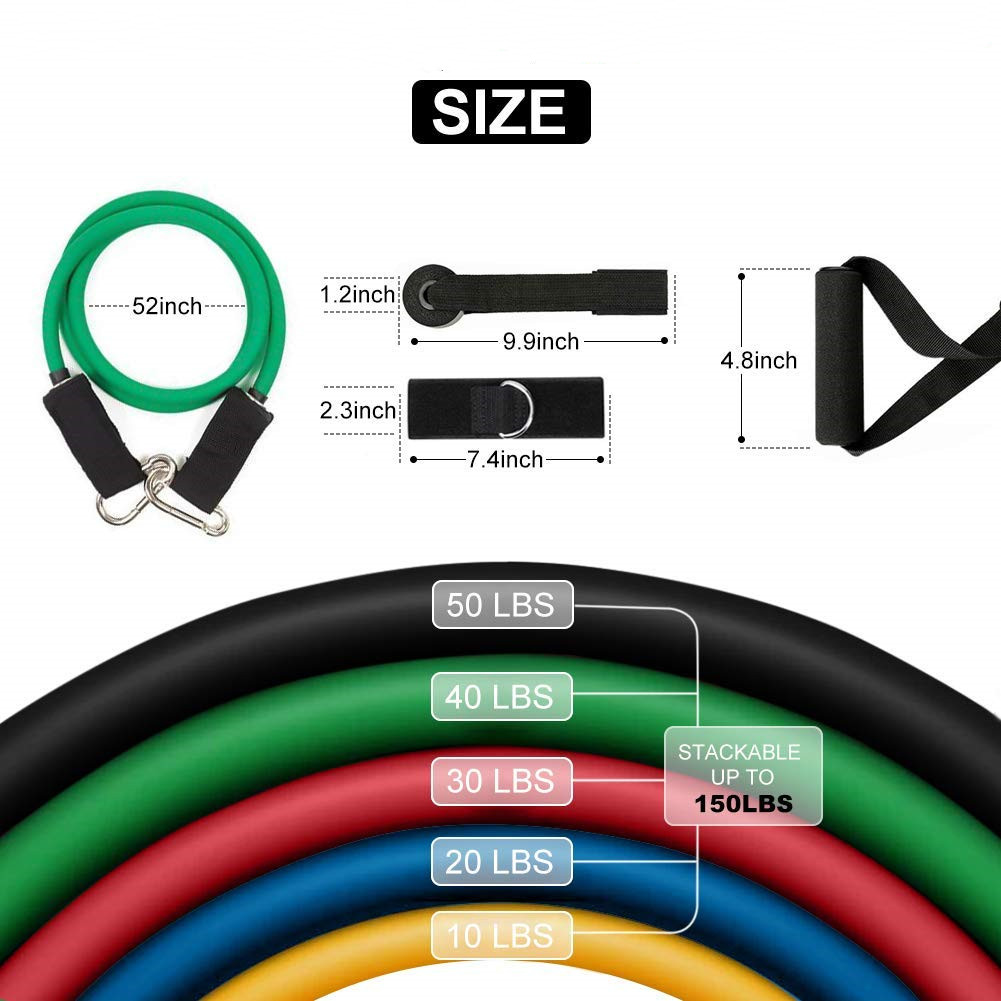
When fitness instructors plan a group class, equipment choice directly shapes the energy, safety, and effectiveness of every session. A resistance tube is one of the most discussed tools for group settings, and for good reason. Lightweight, stackable, and available across multiple resistance levels, a resistance tube can serve beginners and advanced participants within the same class format. The real question is whether the practical demands of a group environment make resistance tube training viable at scale.
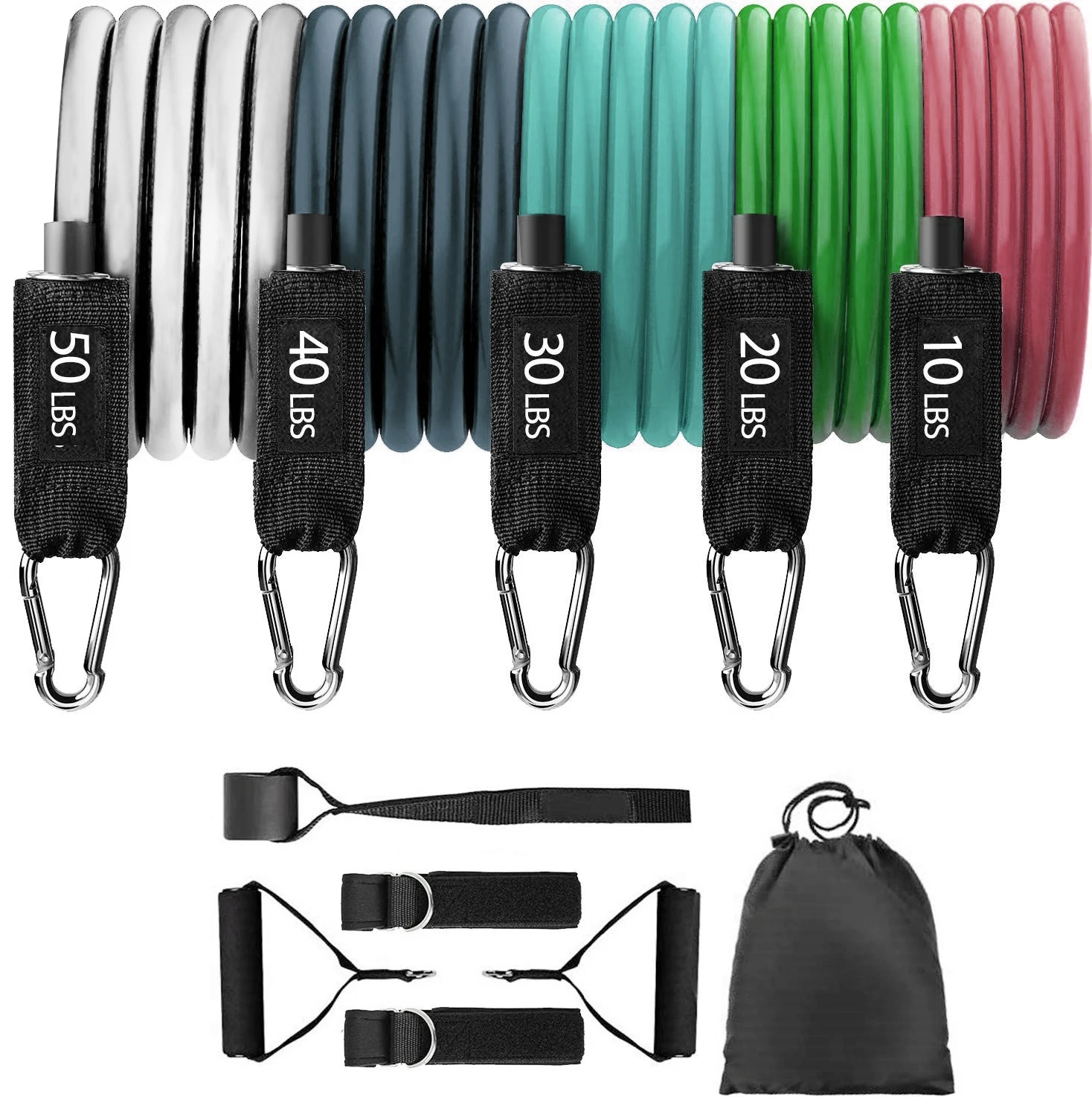
The short answer is yes — a resistance tube works well in group fitness classes when instructors plan carefully and participants receive clear guidance. Unlike barbells or cable machines, a resistance tube requires no fixed setup, no floor space for racks, and no significant financial investment per participant. This makes resistance tube training particularly attractive for studios, corporate wellness programs, outdoor boot camps, and community fitness events where flexibility and affordability matter.
Why Resistance Tube Training Fits Group Settings
Portability and Setup Speed
One of the most immediate advantages a resistance tube offers in a group class is how quickly participants can get ready. Each resistance tube is compact enough to store in a small bag, and a full set can be distributed across a class of twenty or more people in under two minutes. Instructors do not need to arrange benches, adjust cable stacks, or assign stations. A resistance tube simply requires a person, an anchor point if needed, and a clear exercise cue. That simplicity translates to more training time and less setup friction during a live group session.
Group classes also benefit from the fact that a resistance tube can be used in almost any space. Whether the session takes place on a gym floor, a rooftop terrace, or a community park, each participant can use their resistance tube without competing for equipment. This spatial flexibility is something that heavier free weights or machines simply cannot match in a group fitness context.
Multi-Level Adaptability
A group fitness class rarely consists of participants at identical fitness levels. A resistance tube set with multiple resistance options solves this challenge elegantly. Beginners can use a lighter resistance tube while more advanced participants stack two resistance tube units together for greater challenge during the same movement. An instructor can deliver one clear exercise cue, and every participant adjusts their resistance tube to match their own capacity. This self-regulating quality makes resistance tube training genuinely inclusive in a group format without requiring the instructor to modify every exercise for every individual.
Practical Considerations for Instructors
Safety and Technique in a Group Context
Managing safety with a resistance tube in a group class requires attention to a few key factors. First, each resistance tube must be inspected regularly for signs of wear, small tears, or connector damage. A snapped resistance tube under tension can cause injury, so instructors should build equipment checks into their pre-class routine. Second, participants need a brief orientation on proper grip, anchor technique, and controlled movement when using a resistance tube. A resistance tube exercises muscles through both the concentric and eccentric phases, which means poor form during the release portion is as risky as during the pull.
Instructors should also be mindful of spacing when a resistance tube is in use during dynamic movements. Unlike a dumbbell that stays close to the body, a resistance tube can extend outward during certain exercises. Giving each participant adequate space prevents accidental contact and keeps the class environment safe and focused. A well-managed resistance tube class feels energetic rather than chaotic.
Programming Resistance Tube Exercises for Groups
Effective group programming with a resistance tube covers the full body across a single session or targets specific muscle groups across a weekly rotation. A resistance tube supports squats, rows, chest presses, bicep curls, shoulder presses, lateral raises, and core exercises. Instructors can build resistance tube circuits where participants rotate through movements with minimal rest, maintaining class energy while delivering genuine muscular stimulus. Timed intervals work particularly well with a resistance tube because participants can self-pace their resistance level without disrupting the group flow.
For formats like HIIT or circuit training, a resistance tube integrates smoothly because transitions between exercises are fast. Participants do not need to leave their space or pick up a new piece of equipment. Holding the resistance tube through multiple exercises maintains movement momentum, which is a key quality in high-energy group formats. A resistance tube also pairs well with bodyweight movements, allowing instructors to blend resistance tube exercises with push-ups, lunges, and planks for variety.
Cost, Durability, and Long-Term Value
Equipping a Group Class Affordably
From a studio or gym operator perspective, outfitting a group class with resistance tube sets is one of the most cost-effective equipment decisions available. A full resistance tube set that includes multiple resistance levels, handles, ankle straps, and a door anchor gives each participant everything needed for a complete workout at a fraction of the cost of purchasing dumbbells, kettlebells, or cable machine attachments for the same group size. Operators can buy resistance tube sets in bulk, assign individual sets to participants, and build a sustainable class program around them without large capital investment.
Latex resistance tube materials are durable under regular use when stored properly and inspected consistently. A quality latex resistance tube tolerates hundreds of sessions across a wide range of movements without losing elasticity. Operators who manage their resistance tube inventory carefully can expect strong long-term value from each set, which supports the financial case for resistance tube group programming at scale.
Participant Ownership and Engagement
Some group fitness programs choose a model where each participant owns their own resistance tube set and brings it to every class. This model increases personal investment, improves class readiness, and builds habit around the resistance tube as a training tool. When participants own their resistance tube, they are also more likely to continue resistance tube exercises at home between sessions, extending the training effect beyond the class itself. Instructors can leverage this by assigning take-home resistance tube workouts that complement the in-class program.
FAQ
Can beginners use a resistance tube in a group fitness class?
Yes. A resistance tube is ideal for beginners because resistance levels are easy to adjust. Newer participants can select a lighter resistance tube, follow the same exercise cues as the group, and progress to heavier resistance as their strength develops over time.
How many resistance tube sets does a studio need for a group class?
A studio should have at least one full resistance tube set per expected participant. Keeping a small reserve of extra resistance tube sets ensures every participant is equipped even if attendance exceeds the typical class size.
Is a resistance tube effective for building strength, not just toning?
A resistance tube provides genuine progressive resistance when participants stack multiple resistance tube units or select higher resistance levels. With consistent resistance tube training and proper progressive overload, participants can build meaningful muscular strength alongside improved endurance and flexibility.