 EN
EN


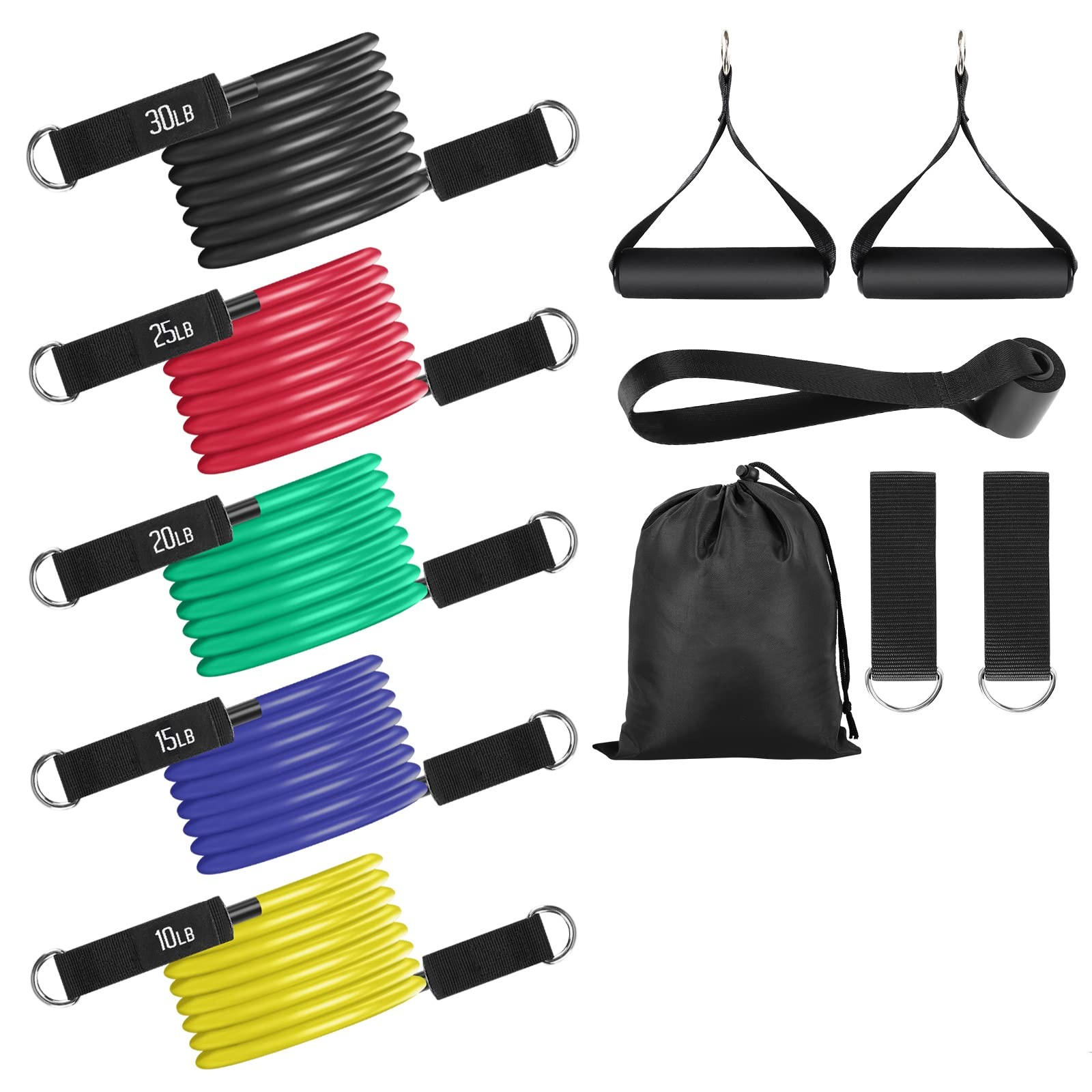
Building muscular endurance is one of the most practical fitness goals for athletes, gym enthusiasts, and everyday active individuals alike. A resistance band is one of the most effective tools available for achieving this goal, offering progressive tension, joint-friendly movement, and remarkable versatility. Unlike heavy free weights that primarily build maximum strength, a resistance band challenges your muscles through a full range of motion, demanding sustained effort that directly trains endurance capacity.
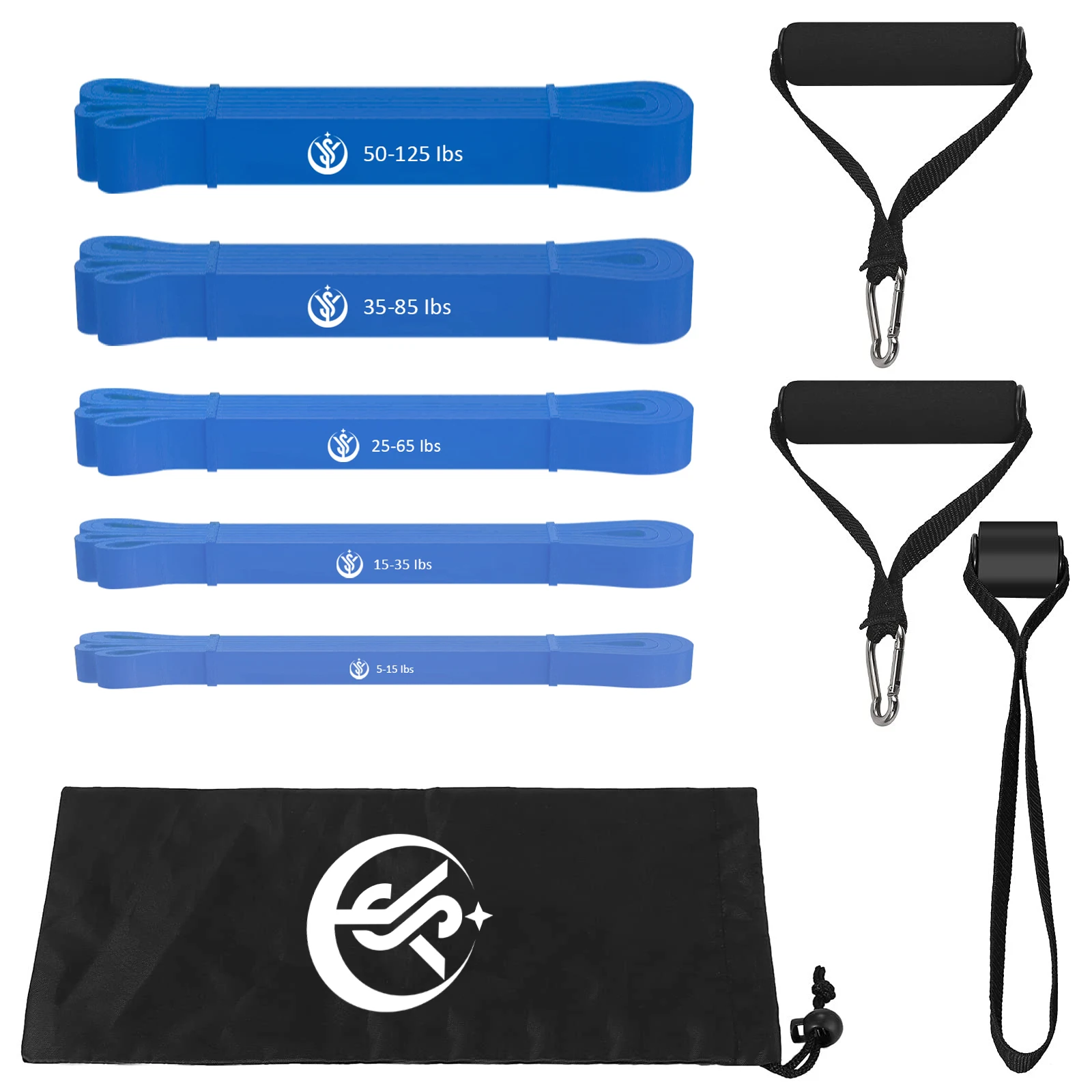
Understanding why a resistance band improves muscular endurance requires looking at both the mechanics of elastic resistance and the physiology of endurance training. When you perform high-repetition sets with a resistance band, your muscle fibers — particularly the slow-twitch type one fibers — are repeatedly recruited and fatigued. This repeated stress triggers adaptation, making those fibers more efficient and resistant to fatigue over time. Each resistance band workout essentially trains your body to sustain muscular contractions for longer periods, which is the very definition of muscular endurance.
The Mechanics Behind Resistance Band Training
How Elastic Tension Differs from Fixed Weight
A resistance band generates tension that increases as it is stretched further. This means the resistance band challenges your muscles at the peak of each movement, not just at the start. Fixed weights offer the same load throughout the range of motion, but a resistance band creates an ascending resistance curve that maximizes muscle engagement during the strongest phase of a lift. This characteristic makes the resistance band especially useful for training muscular endurance because muscles are challenged more consistently across each repetition.
When you use a resistance band for exercises like rows, presses, or squats, your stabilizer muscles are also activated throughout. A resistance band does not follow a fixed path the way a machine does, so your body must continuously adjust and stabilize. This added neuromuscular demand contributes to both endurance and functional fitness. The resistance band essentially turns each exercise into a full-body coordination challenge, multiplying the endurance benefit.
Repetition Range and Time Under Tension
Muscular endurance is best developed through high-repetition training with moderate loads. A resistance band is perfectly suited to this approach because it is available in multiple tension levels, allowing you to select a resistance band that permits clean form across fifteen to thirty repetitions per set. The extended time under tension during these sets stimulates the metabolic pathways associated with endurance, including improved oxygen delivery and enhanced mitochondrial density in muscle tissue. Consistently training with a resistance band in this high-rep format leads to measurable improvements in how long muscles can perform before fatigue sets in.
Key Resistance Band Exercises for Endurance
Upper Body Endurance Movements
The resistance band supports a wide range of upper body exercises that target muscular endurance effectively. Resistance band pull-aparts train the rear deltoids and upper back, muscles that are frequently undertrained yet critical for postural endurance. Resistance band rows, performed with the band anchored to a stable point, engage the lats, rhomboids, and biceps through controlled pulling motion. Performing these with a resistance band at moderate tension for twenty or more repetitions builds the capacity to hold and sustain upper body effort, which is especially valuable for athletes in rowing, swimming, and climbing sports.
Resistance band chest presses and overhead presses also contribute to pushing endurance. Because a resistance band provides constant tension even at the starting position of a press, the muscles must remain engaged throughout the entire set. This constant activation, sustained over many repetitions with a resistance band, builds the kind of endurance that translates directly to sport performance and daily functional tasks.
Lower Body and Core Endurance Training
For lower body endurance, the resistance band is equally powerful. Resistance band squats, lateral band walks, and glute bridges are all endurance-oriented movements that demand sustained muscular effort from the glutes, hamstrings, and quadriceps. Placing a resistance band just above the knees during squats or glute bridges activates the hip abductors continuously, training endurance in muscles that support knee stability and running efficiency. Resistance band deadlifts, when performed for high repetitions, also build posterior chain endurance that benefits posture and athletic performance.
Core endurance is another area where the resistance band excels. Resistance band pallof presses and rotational exercises force the core to resist movement rather than create it. This anti-rotation demand, sustained across many reps using a resistance band, builds the deep stabilizing muscles that support spinal health and athletic power transfer. A consistent resistance band core training routine produces functional endurance that protects the body during dynamic activity.
Programming a Resistance Band Endurance Routine
Structuring Sets, Reps, and Rest
Effective resistance band endurance programming typically involves three to five sets of fifteen to thirty repetitions per exercise, with short rest intervals of thirty to sixty seconds between sets. The short rest period is intentional — it keeps metabolic stress elevated and forces the muscles to recover quickly before the next set. This conditioning effect is central to building muscular endurance with a resistance band. Over several weeks, you can progressively challenge your endurance by switching to a resistance band with higher tension or by extending set duration.
Consistency is critical. Performing resistance band endurance workouts three to four times per week allows sufficient stimulus for adaptation without excessive recovery demands. Because the resistance band generates elastic rather than compressive load, joint stress remains manageable even at high training frequency. This means the resistance band supports a sustainable, long-term endurance training habit in a way that heavy barbell training sometimes cannot.
Progressing Over Time with a Resistance Band
Progression with a resistance band can be achieved in multiple ways beyond simply increasing tension. You can slow the tempo of each repetition to extend time under tension, add isometric pauses at peak contraction, or combine multiple resistance band exercises into circuits with minimal rest. Each of these methods intensifies the endurance stimulus without requiring expensive equipment. A set of resistance band levels — from light to heavy — provides enough variety to support a complete endurance training program for months or even years of consistent development.
FAQ
How often should I train with a resistance band to improve endurance?
Training with a resistance band three to four times per week is generally sufficient to build muscular endurance. Consistency over several weeks is more important than intensity in a single session. Allow at least one day of rest between resistance band sessions targeting the same muscle groups to permit recovery and adaptation.
What resistance band tension level is best for endurance training?
A light to medium resistance band is typically ideal for endurance-focused training. The resistance band should allow you to complete fifteen to thirty clean repetitions per set while still feeling challenged in the final reps. If you can perform more than thirty reps with no fatigue, switch to a resistance band with slightly higher tension to maintain the endurance stimulus.
Can a resistance band replace gym equipment for endurance goals?
A resistance band can serve as a comprehensive training tool for muscular endurance goals, particularly for home gym users or those with limited equipment access. While a resistance band may not replicate every aspect of machine-based training, it covers the most important endurance movements for the upper body, lower body, and core. Many athletes and fitness professionals rely primarily on a resistance band for endurance conditioning with excellent long-term results.