 EN
EN


When space is limited, every piece of fitness equipment must earn its place. A yoga ball is one of those versatile tools that consistently proves its value, even in the smallest workout areas. Compact home gyms demand equipment that delivers multiple training benefits without consuming excessive floor space, and the yoga ball fits that description remarkably well. Whether you are focused on core strength, balance training, or full-body flexibility, the yoga ball offers a broad range of applications that few other single pieces of equipment can match.
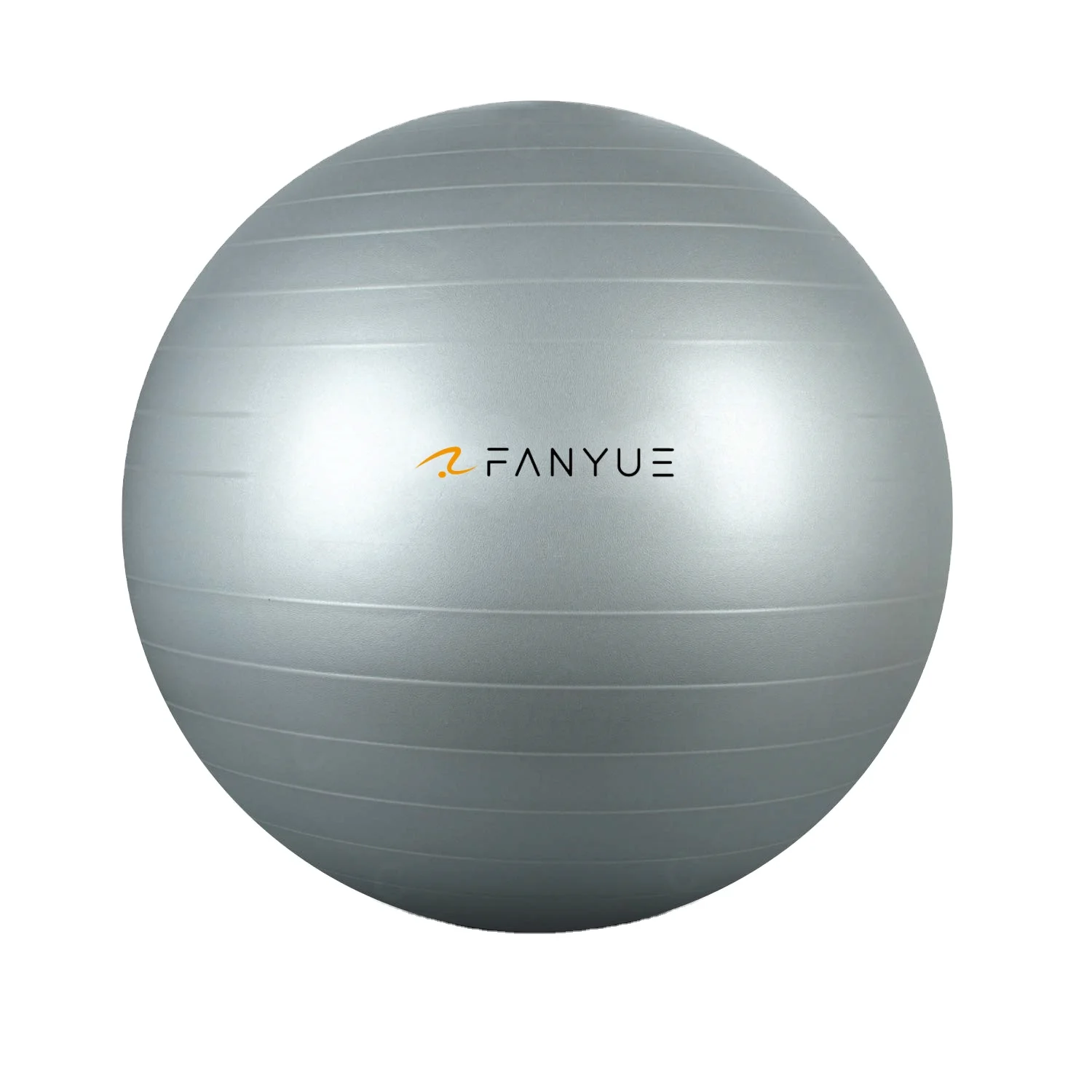
The growing popularity of home gyms has pushed fitness enthusiasts to seek equipment that is functional, affordable, and compact. A yoga ball checks all three criteria with ease. Its inflatable design means it can be deflated and stored flat when not in use, making it uniquely suited to environments where dedicated gym space is simply not available. Understanding exactly how the yoga ball performs in a compact setting requires a closer look at its physical footprint, its training versatility, and how it compares to bulkier alternatives.
Space Efficiency of the Yoga Ball in Home Settings
Physical Footprint and Storage Flexibility
One of the most immediate advantages of the yoga ball in a compact home gym is its storage flexibility. Unlike a weight bench, a treadmill, or a cable machine, the yoga ball does not require a permanent structural footprint. A standard yoga ball, when fully inflated, typically has a diameter between 55 cm and 75 cm depending on the size selected. While that may seem substantial, it is still far smaller than most exercise machines. More importantly, the yoga ball can be deflated in minutes, folded flat, and tucked into a closet, under a bed, or inside a cabinet. This makes the yoga ball one of the most storage-friendly options available to home gym users working with limited square footage.
Active Use Area Requirements
When using a yoga ball, the active exercise area needed is relatively modest. Most yoga ball exercises, including seated core holds, back extensions, and wall squats, require only a small clear zone around the ball itself. For users exercising in a living room, bedroom, or dedicated corner space, a yoga ball can integrate seamlessly without requiring a room redesign. This practicality makes the yoga ball a top recommendation for home gym setups where space must serve double duty.
Training Versatility Across Fitness Goals
Core Strength and Stability Training
The yoga ball is widely recognized for its effectiveness in core and stability training. When performing planks, crunches, or balance holds on a yoga ball, the unstable surface forces the body to recruit deep stabilizing muscles that flat-surface exercises often miss. This engagement of the core musculature is a key reason why the yoga ball remains a staple in physiotherapy clinics, Pilates studios, and home gyms alike. For someone building a compact home gym focused on functional fitness, investing in a yoga ball provides access to a high-quality core training stimulus without any electrical components or complex setup.
Flexibility, Rehabilitation, and Low-Impact Exercise
Beyond core training, the yoga ball supports flexibility work and low-impact movement patterns that suit users of all fitness levels. Gentle backbends, hip openers, and seated posture exercises on the yoga ball are particularly beneficial for people managing sedentary lifestyles or recovering from injury. For those who work from home, replacing an office chair with a yoga ball even part-time encourages natural spinal movement and reduces prolonged static posture. The yoga ball therefore serves a dual function in compact home environments, acting as both a fitness tool and a daily ergonomic aid.
Strength Training Support
The yoga ball also extends its utility into resistance and strength training. Used as a bench substitute, the yoga ball allows users to perform dumbbell presses, seated overhead presses, and supported lunges with a destabilizing element that increases muscular demand. A yoga ball paired with a basic set of dumbbells or resistance bands creates a surprisingly comprehensive home gym setup. This combination delivers substantial training variety in minimal square footage, reinforcing the case for the yoga ball as an ideal piece of compact home gym equipment.
Selecting the Right Yoga Ball for a Home Gym
Size and Weight Capacity Considerations
Choosing the correct yoga ball size is essential for both safety and exercise effectiveness. Most manufacturers provide size guides correlating user height to ball diameter. A user under 165 cm typically benefits from a 55 cm yoga ball, while users between 165 cm and 185 cm often prefer a 65 cm yoga ball. Taller users may opt for a 75 cm yoga ball. Weight capacity is another important specification, as a quality anti-burst yoga ball should safely support the body weight of the user plus any dynamic loading forces created during exercise. Always verify the anti-burst rating before purchasing a yoga ball for regular home use.
Material Quality and Surface Grip
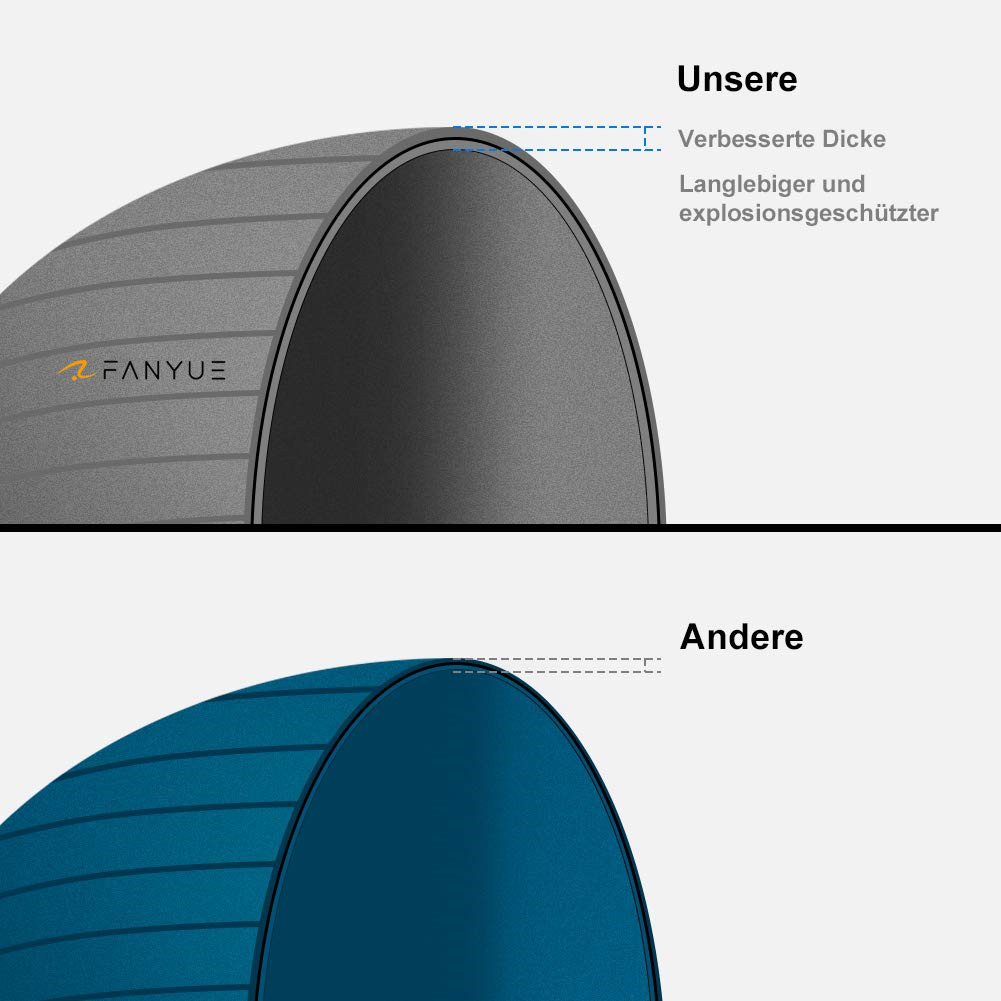
The material quality of a yoga ball directly influences its durability and safety profile. High-grade PVC with anti-burst properties ensures the yoga ball deflates slowly rather than bursting suddenly if punctured. A non-slip surface texture is equally important, particularly when performing dynamic movements on hard flooring. For home gym users exercising on tile, laminate, or hardwood surfaces, a yoga ball with a textured grip surface reduces the risk of slipping during exercises. Selecting a well-constructed yoga ball made from anti-burst PVC ensures long-term safety and performance in any home training environment.
FAQ
Can a yoga ball replace a weight bench in a compact home gym?
A yoga ball can substitute for a weight bench in many exercises, particularly for dumbbell pressing movements and supported core work. However, a yoga ball does not replicate all bench functionalities, especially for very heavy compound lifts. For moderate loads and functional training, the yoga ball is a practical and space-saving bench alternative.
How do I store a yoga ball in a small apartment?
A yoga ball can be deflated using the valve pump that typically comes with the product. Once deflated, the yoga ball folds flat and can be stored in a bag, closet shelf, or drawer. This makes the yoga ball one of the most storage-friendly fitness tools available for apartment or small-space living.
Is a yoga ball suitable for beginners?
Yes, the yoga ball is well-suited for beginners because it supports low-impact exercises, gentle stretching, and basic core activation without requiring prior fitness experience. Beginners should start with simple seated balance holds and supported movements before progressing to more dynamic yoga ball exercises.