 EN
EN


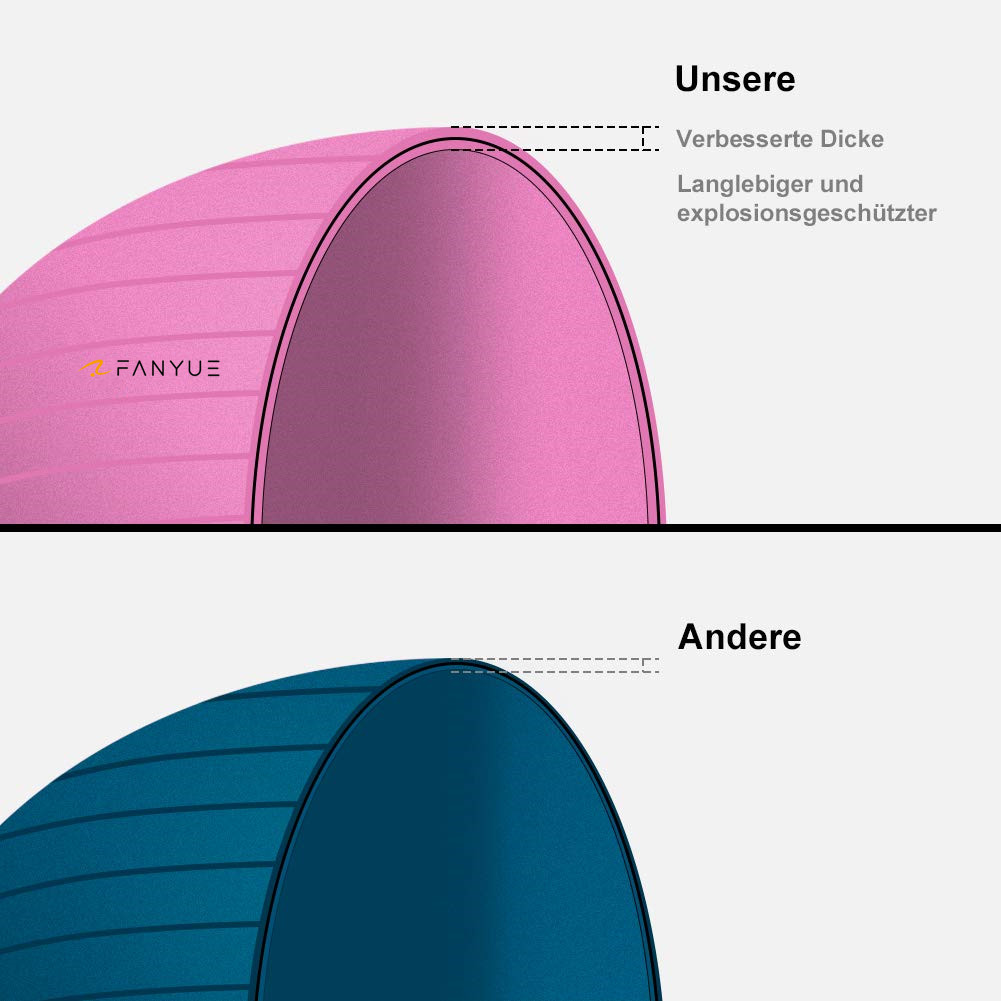
The yoga ball has become one of the most widely used tools in functional fitness training. Its rounded, unstable surface creates a unique training environment that challenges the body in ways a flat bench or floor simply cannot. Whether you are a beginner building foundational strength or an athlete refining movement control, the yoga ball offers a progressive and adaptable platform for real physical improvement.
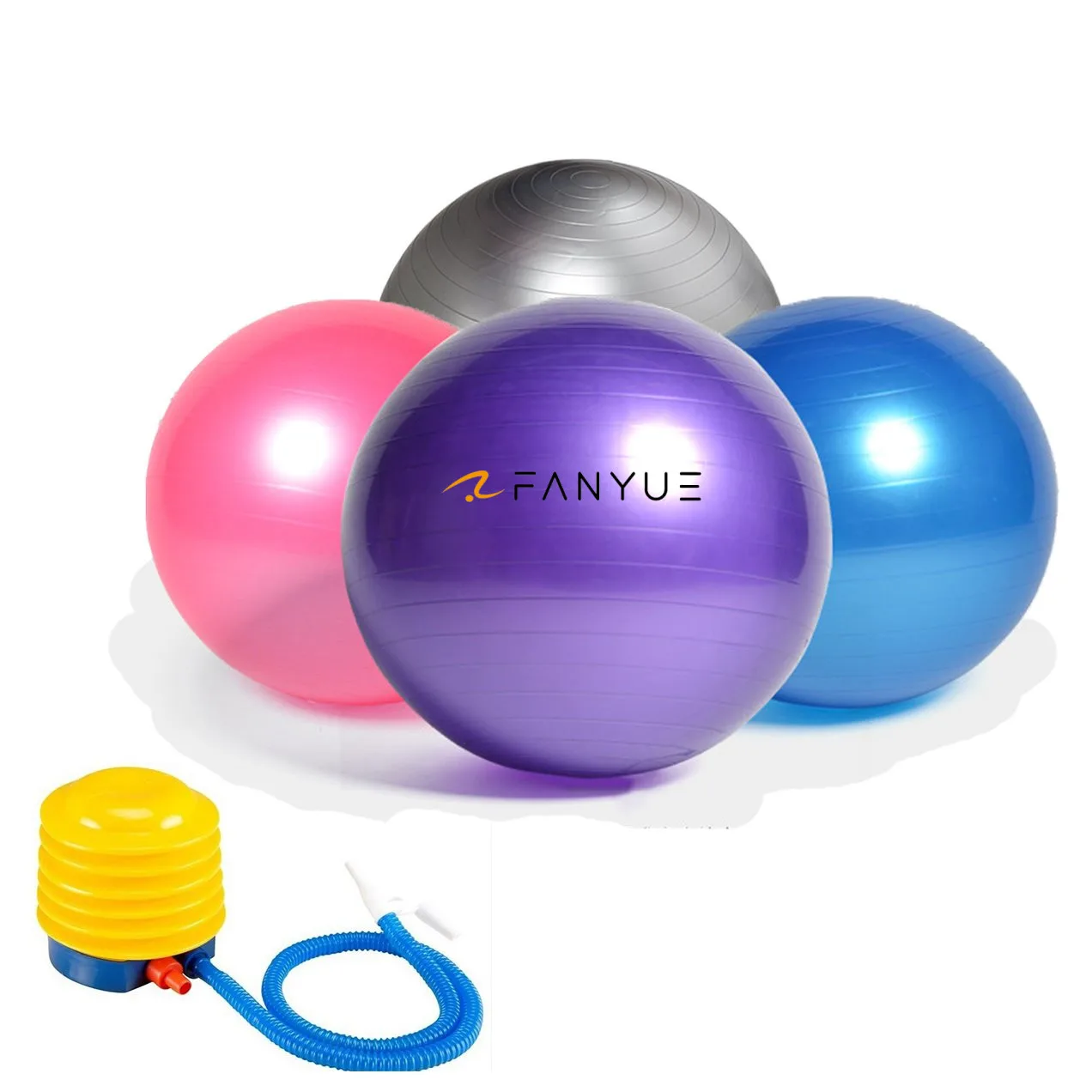
Understanding how a yoga ball improves core stability and balance requires looking at the biomechanics of instability training. When the body is placed on a yoga ball, it must constantly recruit deep stabilizing muscles to maintain position. This involuntary muscle engagement is what makes yoga ball training so effective for developing core strength, postural control, and dynamic balance over time.
The Biomechanical Basis of Yoga Ball Training
How Instability Activates Deep Core Muscles
A yoga ball introduces controlled instability into every movement. Unlike stable surfaces, the yoga ball shifts slightly with any change in body weight or position. This forces the nervous system to continuously send stabilizing signals to the core, especially the transverse abdominis, multifidus, and pelvic floor muscles. These deep muscles are rarely fully activated during standard floor exercises, which is why yoga ball training fills a critical gap in most fitness routines.
Research in exercise science consistently shows that performing exercises on a yoga ball increases muscle activation compared to the same movements on a stable surface. For example, a yoga ball crunch activates significantly more core muscle fibers than a traditional floor crunch. The body is not just performing the movement — it is simultaneously working to prevent unwanted motion, which doubles the training stimulus and accelerates neuromuscular development.
Proprioception and Balance Development
Using a yoga ball regularly trains proprioception, the body's internal sense of position and movement. Every time you sit, kneel, or lie on a yoga ball, sensory receptors in the joints and muscles are stimulated to report your body's orientation. Over repeated yoga ball sessions, the brain becomes faster and more accurate at processing this feedback, resulting in better real-world balance and coordination.
This proprioceptive training effect from yoga ball use translates directly into improved athletic performance, reduced injury risk, and better functional movement patterns in daily life. Older adults who incorporate yoga ball work into their routines often report improved postural steadiness and reduced fall risk, demonstrating that the yoga ball offers benefits across all fitness levels and age groups.
Key Yoga Ball Exercises for Core and Balance
Foundational Yoga Ball Movements
Several yoga ball exercises are particularly effective at targeting core stability. The yoga ball plank, where the forearms or shins rest on the yoga ball surface, creates intense demand on the entire anterior core. The yoga ball bridge, performed by placing the feet or upper back on a yoga ball while lifting the hips, targets the posterior chain while forcing lateral stabilization. Wall squats using a yoga ball between the lower back and a wall teach proper squat mechanics while reducing spinal shear forces.
Each of these yoga ball movements shares a common principle: the unstable surface amplifies the stabilization demand beyond what a fixed surface provides. Beginners using a yoga ball should start with simpler seated balance exercises before progressing to dynamic or loaded movements. Proper yoga ball sizing is also essential — using a yoga ball that allows the hips and knees to rest at roughly ninety degrees when seated ensures optimal biomechanical alignment during training.
Progressive Overload with the Yoga Ball
The yoga ball supports progressive overload, a fundamental principle of effective training. As the body adapts to basic yoga ball exercises, difficulty can be increased by reducing points of contact, adding arm or leg movements, incorporating light weights, or extending the duration of holds. A yoga ball seated balance that feels challenging in week one becomes routine by week four, prompting the need for progression to maintain the training stimulus.
Trainers in rehabilitation and performance settings frequently use the yoga ball to build progressive movement complexity for clients recovering from injury. The yoga ball allows controlled reintroduction of balance and stability demands at a pace suited to individual recovery. This makes the yoga ball uniquely valuable across both preventive fitness and therapeutic contexts.
Long-Term Benefits of Consistent Yoga Ball Use
Postural Improvement and Spinal Health
One of the most consistent outcomes reported from regular yoga ball training is improved posture. Sitting and exercising on a yoga ball engages the erector spinae and lumbar stabilizers that are often weakened by prolonged sitting or sedentary behavior. Over weeks of yoga ball use, these muscles develop greater endurance, supporting a more upright and neutral spinal position throughout the day.
Many office environments now include yoga ball seating as a way to encourage active sitting. While the yoga ball should not replace a proper ergonomic chair for full workdays, periodic use of a yoga ball as a seat has been shown to increase lumbar muscle activity and reduce static postural load. For individuals with mild lower back discomfort, adding yoga ball exercises to a consistent movement routine often provides measurable relief.
Athletic Performance and Injury Prevention
Athletes who train with a yoga ball develop the coordinated core strength that supports explosive, multi-directional movement. A yoga ball develops the same stabilizing muscles used during sprinting, cutting, and jumping. By training these muscles with a yoga ball in a controlled setting, athletes build a reserve of core stability that protects joints during unpredictable high-load activities.
Injury prevention programs in professional sports increasingly include yoga ball work as a core component. Hip, knee, and ankle stability exercises performed on a yoga ball address the neuromuscular deficits that contribute to non-contact injuries. Consistent yoga ball training creates more resilient movement patterns, reducing both the frequency and severity of common sports-related injuries.
FAQ
How often should I use a yoga ball to see results?
For most people, incorporating yoga ball exercises two to three times per week is sufficient to notice improvements in core stability and balance within four to six weeks. Consistency matters more than frequency, so regular yoga ball sessions at moderate intensity tend to outperform sporadic high-volume workouts. As strength improves, increasing session frequency or exercise complexity helps maintain continuous progress.
What size yoga ball should I use for training?
Yoga ball sizing is based on body height. Individuals under 5 feet 5 inches generally perform best with a 55 cm yoga ball, while those between 5 feet 5 inches and 6 feet typically use a 65 cm yoga ball. Taller individuals over 6 feet usually require a 75 cm yoga ball. The correct yoga ball size ensures proper joint alignment during exercises and maximizes both safety and training effectiveness.
Is a yoga ball safe for people with back problems?
A yoga ball can be highly beneficial for people with mild to moderate back issues when used correctly. The yoga ball supports low-impact core strengthening that helps relieve muscular imbalances contributing to back pain. However, individuals with acute injuries, disc conditions, or significant spinal instability should consult a healthcare professional before beginning yoga ball training to ensure the exercises are appropriate for their specific condition.