 EN
EN


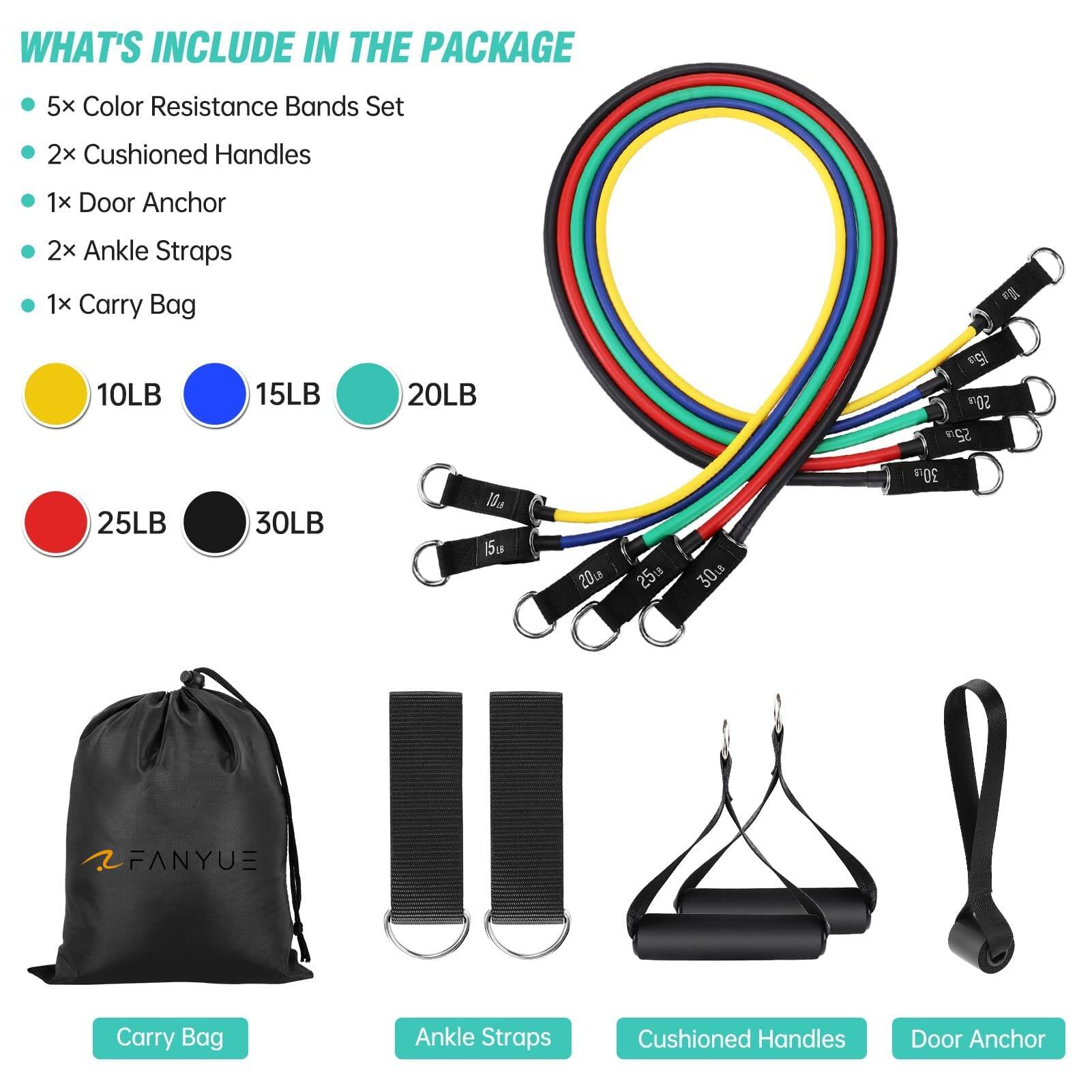
Sourcing OEM resistance tubes is not only a procurement task, it is a risk management decision that affects user safety, product liability exposure, and long-term brand credibility. When buyers evaluate OEM resistance tubes, the most important question is whether the product can perform consistently under repeated stretch cycles without sudden failure. In practical B2B environments, safe OEM resistance tubes are defined by material integrity, controlled manufacturing, verifiable testing, and clear user-facing safety communication. A low unit price has little value if OEM resistance tubes create injury risk, trigger returns, or damage market trust.
The key safety factors when sourcing OEM resistance tubes can be grouped into four areas: material and structural safety, process and quality control, use-case validation, and documentation with traceability. These factors matter across retail fitness, studio programs, rehabilitation channels, and institutional procurement. Buyers who define these requirements early can screen out unstable suppliers, reduce incident rates, and launch OEM resistance tubes with stronger confidence. The right sourcing framework turns OEM resistance tubes from a basic commodity into a controlled, dependable product line.
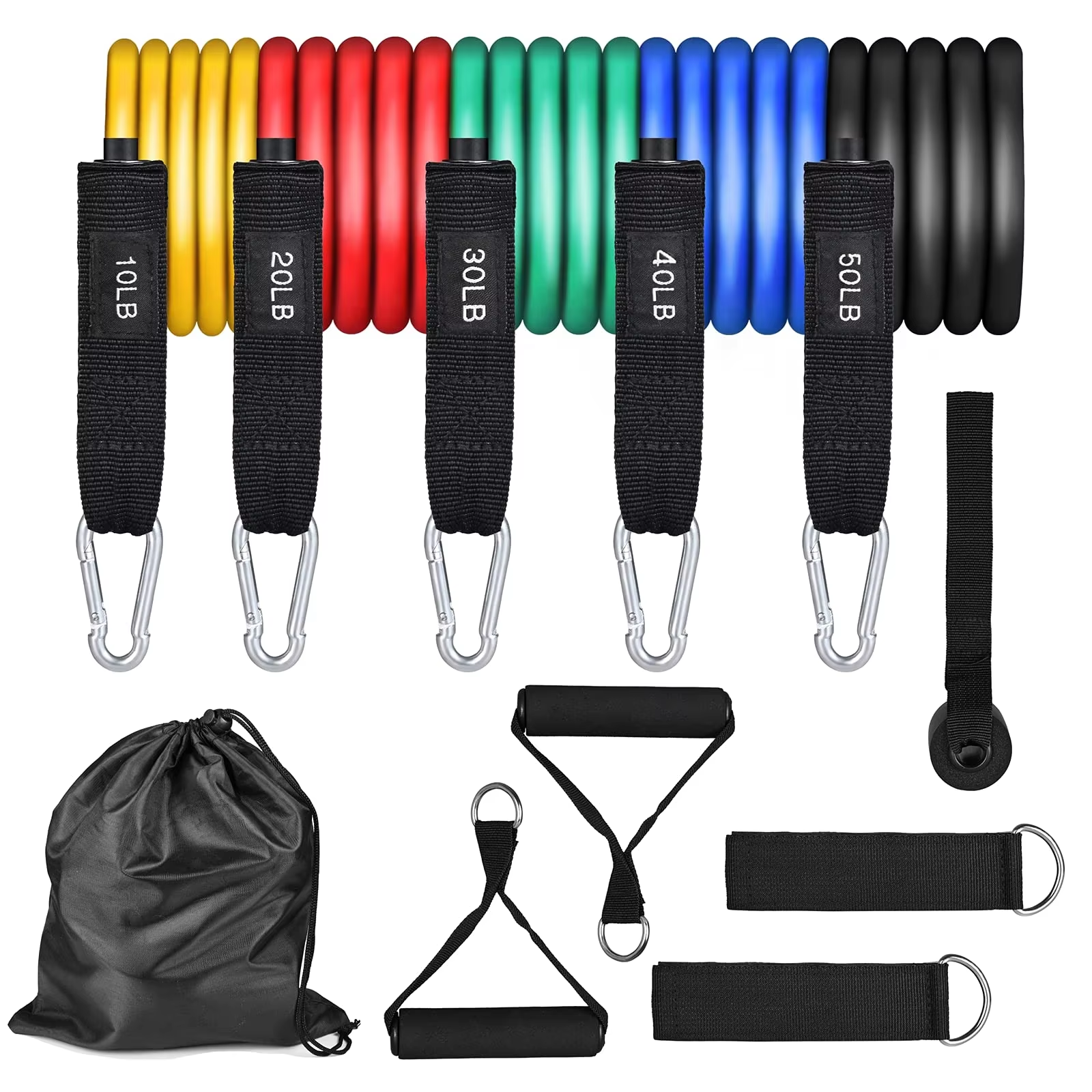
Safety Foundations in Material and Tube Construction
Material composition and allergen risk control
The first safety checkpoint for OEM resistance tubes is raw material composition. Buyers should confirm whether the tube is natural latex, synthetic rubber, or blended elastomer, and how each option behaves under aging, temperature variation, and sweat exposure. For markets where skin sensitivity is a concern, OEM resistance tubes require clear allergen disclosure and consistent compounding records. Material inconsistency can change elasticity and tensile behavior, which increases unpredictability during exercise.
A reliable supplier should provide batch-level material specifications, not general statements. Strong sourcing teams ask how incoming raw materials are verified before production and how rejected batches are isolated. This matters because OEM resistance tubes that feel identical at first touch can fail very differently in repeated extension. Material discipline is one of the most important safety predictors in OEM resistance tubes procurement.
Wall thickness uniformity and structural design
Even when material quality is acceptable, wall thickness variation can create weak points that rupture under load. For OEM resistance tubes, tube geometry must be controlled to maintain stable stress distribution during stretching and recoil. Minor manufacturing deviation can translate into major durability differences after thousands of repetitions. Buyers should define tolerance ranges rather than relying on visual inspection alone.
Connector zones are another high-risk area in OEM resistance tubes systems. Handle attachments, carabiner interfaces, and end fittings must be tested as part of the full assembly, not as separate parts. A tube that passes tensile checks may still fail at the junction if assembly control is weak. Safe OEM resistance tubes depend on whole-system design, where tube body and accessory interfaces are validated together.
Production Controls That Prevent Field Failures
Process stability and defect prevention discipline
Production stability is a core safety factor when sourcing OEM resistance tubes at scale. Buyers should evaluate whether the factory runs standardized process parameters for mixing, extrusion or dipping, curing, and cooling. Without controlled process windows, OEM resistance tubes can show hidden micro-defects that appear only after shipping or real-world use. Process drift is often the root cause behind inconsistent break resistance.
A strong OEM partner will document in-process checks at defined intervals, with clear criteria for hold, rework, and release. This is important because OEM resistance tubes are fatigue-sensitive products, and small process defects can compound under repetitive loading. Factories that treat quality as final inspection only are typically higher risk. Safer OEM resistance tubes come from prevention-oriented production systems rather than end-of-line sorting.
Lot consistency and quality traceability
Lot-to-lot consistency is essential for brands that want predictable user experience and low return rates. When sourcing OEM resistance tubes, buyers should request lot coding logic and traceability records that connect finished goods to raw material and production conditions. If an issue appears in the market, traceability allows rapid containment instead of broad recalls. This reduces both safety risk and commercial disruption.
Sampling plans should reflect usage risk, not only cost targets. For OEM resistance tubes, random pull tests from each lot provide an early warning for outliers before shipment. In long-term programs, trend tracking across lots can reveal gradual decline that single-batch inspection misses. Mature sourcing teams treat traceability as a safety control, not just an audit checkbox for OEM resistance tubes.
Performance Validation Under Real Use Conditions
Tensile, elongation, and fatigue cycle verification
Lab validation is one of the clearest safety filters for OEM resistance tubes. Basic checks should include tensile strength, elongation at break, and resistance consistency across nominal load levels. More importantly, OEM resistance tubes must be tested for fatigue through repeated stretch cycles that simulate real training patterns. Single-pull success is not enough when users depend on daily repetition.
Testing conditions should mirror product claims and intended user groups. If OEM resistance tubes are marketed for high-tension training, the validation range must represent that stress profile with appropriate safety margins. Buyers should request test methods, sample quantities, and pass criteria in written form. Clear protocols reduce ambiguity and support objective acceptance decisions for OEM resistance tubes.
Environmental aging and misuse tolerance checks
OEM resistance tubes can degrade from UV exposure, heat, humidity, and contamination from oils or cleaning products. Safety-focused sourcing includes accelerated aging studies to estimate performance shift over storage and usage periods. This is critical for global distribution where transport and warehouse conditions vary. OEM resistance tubes that perform well in controlled rooms may lose resilience in hotter channels.
Misuse tolerance should also be considered because user behavior is not perfectly controlled. While no product can be misuse-proof, safer OEM resistance tubes are designed with reasonable tolerance for common errors such as uneven anchoring or overextension attempts. Testing should document where performance begins to decline and how failure occurs. Controlled failure behavior in OEM resistance tubes is safer than abrupt snapping with little warning.
Compliance, Labeling, and User-Facing Safety Communication
Specification clarity and compliance documentation
Buyers should require a complete technical specification package before approving OEM resistance tubes for production. This package should define dimensions, resistance bands by level, tolerance limits, material declaration, and test acceptance thresholds. Documentation quality often reflects factory control maturity. Ambiguous specs create disputes and increase the chance that unsafe OEM resistance tubes enter shipment.
Compliance files should be current and linked to the actual build version being purchased. When sourcing OEM resistance tubes, outdated or generic certificates are a warning sign because they may not represent present materials or process conditions. Good practice is to align compliance scope with destination market requirements and product positioning. Reliable documentation supports both regulatory confidence and internal quality governance for OEM resistance tubes.
Warnings, instructions, and post-sale risk reduction
Even high-quality OEM resistance tubes need clear user instructions to reduce preventable incidents. Safety communication should explain pre-use inspection, anchoring checks, extension limits, maintenance guidance, and replacement triggers. In B2B channels, clear instruction content also helps distributors, trainers, and service teams deliver consistent messaging. This lowers misuse rates and protects the perceived reliability of OEM resistance tubes.
Packaging and insert content should match the validated performance envelope, not marketing exaggeration. A practical way to benchmark market-ready products is to review examples like OEM resistance tubes and compare their safety communication depth against your own specification goals. Post-sale feedback loops are equally important because field complaints can reveal use patterns missed during validation. Continuous correction keeps OEM resistance tubes programs safer over time.
FAQ
What is the first safety check before placing an OEM resistance tubes order?
The first safety check is confirming material consistency and structural tolerance in writing before price negotiation closes. Buyers should verify compound specification, wall thickness tolerance, and connector integrity requirements, then link those requirements to acceptance tests. This creates a clear standard for OEM resistance tubes and prevents interpretation gaps between buyer and factory.
How many test dimensions are usually needed for safe OEM resistance tubes sourcing?
A practical baseline includes tensile verification, elongation behavior, fatigue cycle performance, and environmental aging response. These dimensions cover immediate strength, repeated-use durability, and stability over storage and transport conditions. For higher-risk channels, OEM resistance tubes programs may also include misuse simulation to evaluate failure mode predictability.
Why do OEM resistance tubes fail in the market even after passing inspection?
Field failures often happen when inspection focuses only on final appearance or limited pull checks without process control depth. Lot variation, connector assembly weakness, and storage-related degradation can remain hidden at shipment stage. Safer OEM resistance tubes sourcing combines upstream process discipline with realistic validation and traceability instead of relying on one checkpoint.
Can better instructions really improve safety outcomes for OEM resistance tubes?
Yes, instruction quality materially affects incident rates because many failures are linked to anchoring mistakes, overextension, or delayed replacement. Clear warnings and simple inspection guidance reduce avoidable misuse and help users recognize wear before rupture risk increases. For B2B buyers, strong communication design is a direct safety control that supports the long-term reputation of OEM resistance tubes.
Table of Contents
- Safety Foundations in Material and Tube Construction
- Production Controls That Prevent Field Failures
- Performance Validation Under Real Use Conditions
- Compliance, Labeling, and User-Facing Safety Communication
-
FAQ
- What is the first safety check before placing an OEM resistance tubes order?
- How many test dimensions are usually needed for safe OEM resistance tubes sourcing?
- Why do OEM resistance tubes fail in the market even after passing inspection?
- Can better instructions really improve safety outcomes for OEM resistance tubes?