 EN
EN


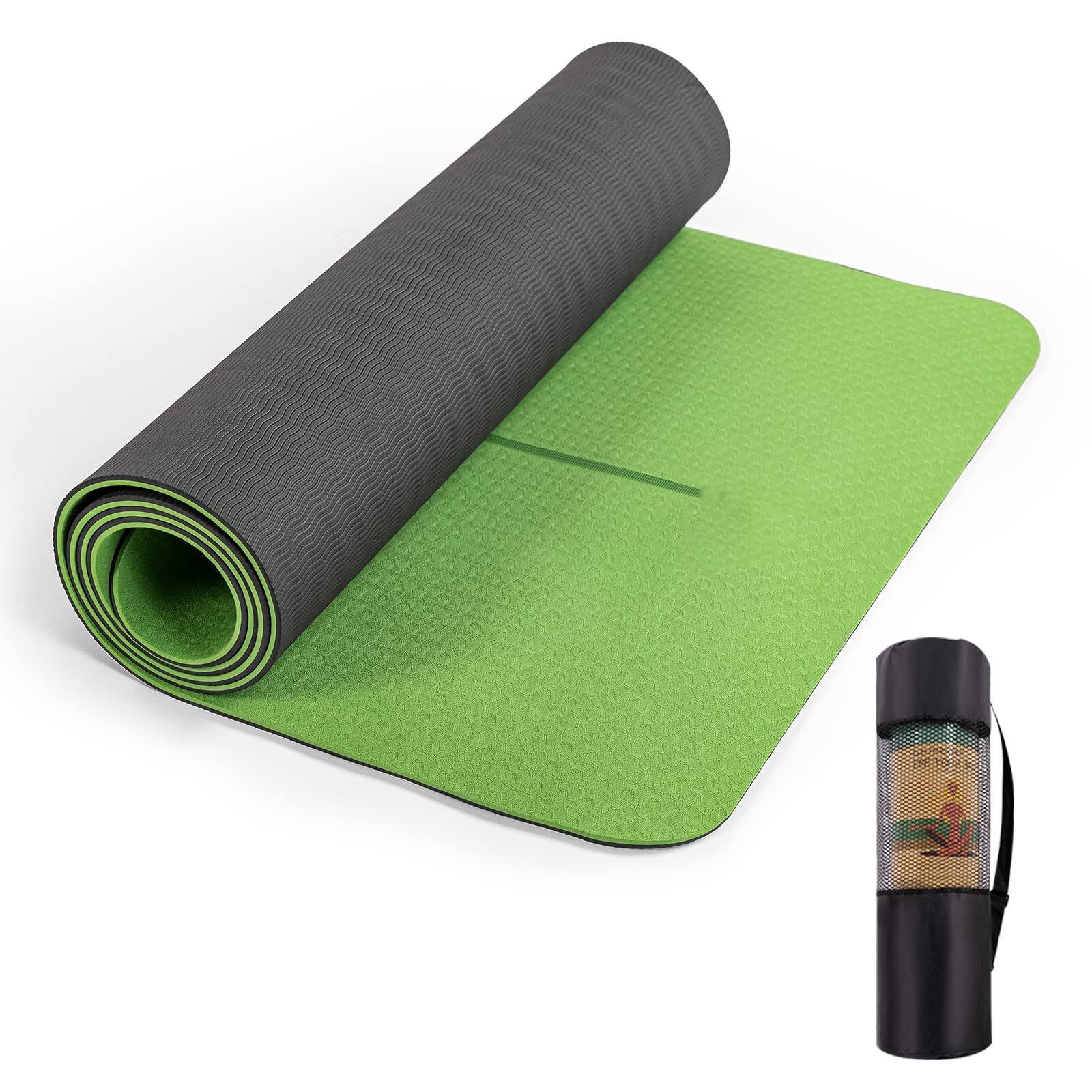
Whether you practice in a dedicated fitness studio or carve out space in your living room, yoga mats are among the most fundamental pieces of equipment any active person can own. They define your personal workout zone, protect your joints, and provide the traction needed to perform movements safely and effectively. Unlike bulky machines or expensive accessories, a quality mat is portable, affordable, and immediately functional — making it one of the most universally adopted fitness tools across all experience levels and environments.
The demand for yoga mats has grown steadily across both commercial gym settings and home fitness spaces, and that growth is no coincidence. As more people integrate yoga, stretching, and bodyweight training into their routines, the need for a reliable, high-performance surface has become increasingly clear. This article explores the core reasons why yoga mats are considered essential — not optional — in virtually every workout environment, and what properties make them so consistently valuable.
The Functional Role of Yoga Mats in Physical Training
Joint Protection and Impact Cushioning
One of the most immediate reasons trainers and fitness enthusiasts rely on yoga mats is joint protection. Hard surfaces such as tile, hardwood floors, or concrete gym floors can transmit significant impact forces to the wrists, knees, elbows, and spine during floor-based exercises. A quality mat absorbs and redistributes that pressure, reducing the risk of joint irritation and long-term wear on connective tissue.
This is especially critical for practitioners performing repeated movements like kneeling lunges, planks, or child's pose. Without adequate cushioning, even low-intensity exercises can become uncomfortable or injurious over time. The thickness and density of yoga mats directly influence how much impact energy is absorbed, which is why mat selection matters as much as the workout itself.
In gym environments where multiple surfaces exist — from rubberized flooring to smooth hardwood — yoga mats provide a consistent cushioning layer that athletes can rely on regardless of the underlying floor quality. This consistency is essential for maintaining training continuity and reducing soreness after high-volume sessions.
Grip, Stability, and Movement Precision
A second critical function of yoga mats is grip. Yoga, Pilates, and stretching routines involve positions that place the hands and feet in precise locations relative to the body. Even small shifts caused by slipping can misalign posture, reduce the effectiveness of a pose, or lead to acute injury. Non-slip surfaces found on quality yoga mats prevent this by maintaining traction even when the mat becomes damp from perspiration.
The grip performance of a mat depends on both the top-surface texture and the material composition. Mats made from eco-friendly TPE (Thermoplastic Elastomer), for example, are known for combining excellent grip with resilient cushioning. These properties are especially important in home gyms where floors may be smooth laminate or tile, offering almost no natural friction without a mat underneath.
For practitioners who perform dynamic flows, balance poses, or high-intensity yoga variations, grip becomes even more essential. A well-designed mat allows practitioners to push through challenging sequences with confidence, knowing their foundation will remain stable. This directly contributes to better performance and greater willingness to attempt advanced techniques.
Why Yoga Mats Are Indispensable in Commercial Gym Settings
Hygiene and Personal Space Definition
In any shared fitness environment, hygiene is a top concern. Gym floors are used by dozens or hundreds of people each day, accumulating sweat, bacteria, and general contamination. Yoga mats create a personal, cleanable barrier between the practitioner and that shared surface, dramatically reducing exposure to skin-contact pathogens and making open-floor training hygienic.
This benefit has become even more pronounced in recent years as gym-goers have grown more health-conscious about surface cleanliness. Personal yoga mats that can be wiped down with disinfectant after each session provide peace of mind and encourage consistent hygiene practices in group settings. Unlike shared studio mats, personal mats carry no cross-contamination risk.
Beyond hygiene, mats also define a practitioner's physical space within a class or open floor area. This spatial definition helps instructors manage class density and helps participants focus without encroaching on one another's movements. The mat becomes a functional and psychological boundary that enables better concentration and group flow.
Versatility Across Gym Activities
Yoga mats are not limited to yoga classes alone. Modern gym programming relies heavily on floor-based work including core training, foam rolling, dynamic stretching, mobility drills, HIIT floor sequences, and post-workout cool-downs. A single mat serves all of these functions, making it one of the most versatile accessories in a gym environment.
Fitness trainers frequently recommend that clients bring their own yoga mats to personal training sessions for exactly this reason. Rather than switching between a padded bench, a towel on the floor, or an inadequate studio mat, the client always has a consistent, familiar surface to work on. This improves the quality of every floor-based movement and reduces session interruptions.
Group fitness formats — from Barre and Pilates to circuit training and yoga fusion — all benefit from participants having their own well-matched yoga mats. Instructors can design floor sequences knowing that all participants have appropriate cushioning and grip, which raises the overall safety and engagement level of each class.
The Essential Value of Yoga Mats in Home Workout Environments
Creating a Dedicated Practice Space
One of the key psychological and practical benefits of yoga mats in home workouts is the creation of a defined practice zone. When exercising at home, the absence of a gym environment can make it difficult to mentally transition into a workout mindset. Unrolling a mat signals to the brain that a focused session is beginning, helping practitioners separate their workout from household distractions.
This spatial and psychological boundary is more important than it might initially appear. Research in behavioral psychology consistently shows that environmental cues play a significant role in habit formation. The act of laying out yoga mats becomes a ritualistic cue that precedes movement, making it easier to start workouts consistently and stick to long-term fitness commitments.
Furthermore, a mat physically defines a workout-safe zone on a home floor. Furniture edges, hard wall corners, and unforgiving floor surfaces all become irrelevant once you are working within the boundaries of your mat. This containment effect makes home workouts safer and more deliberate, particularly for beginners who are still learning spatial awareness during movement.
Floor Protection and Surface Compatibility
Home flooring is often the most neglected consideration when setting up a home gym space. Hardwood, laminate, carpet, and tile all respond differently to exercise activity. Heavy foot traffic, sweat, and equipment can all damage floors over time. Yoga mats act as a protective layer that absorbs impact and prevents scuffing, scratching, or moisture damage to the underlying floor surface.
Rubber-soled trainers on hardwood, for example, can leave marks and cause surface abrasion. Sweat that reaches laminate flooring can warp panels over time. Placing yoga mats in home workout zones eliminates these risks while simultaneously providing a performance-enhancing surface for the practitioner. This dual benefit — protecting the floor while improving the workout — makes a mat an economically smart choice for home fitness.
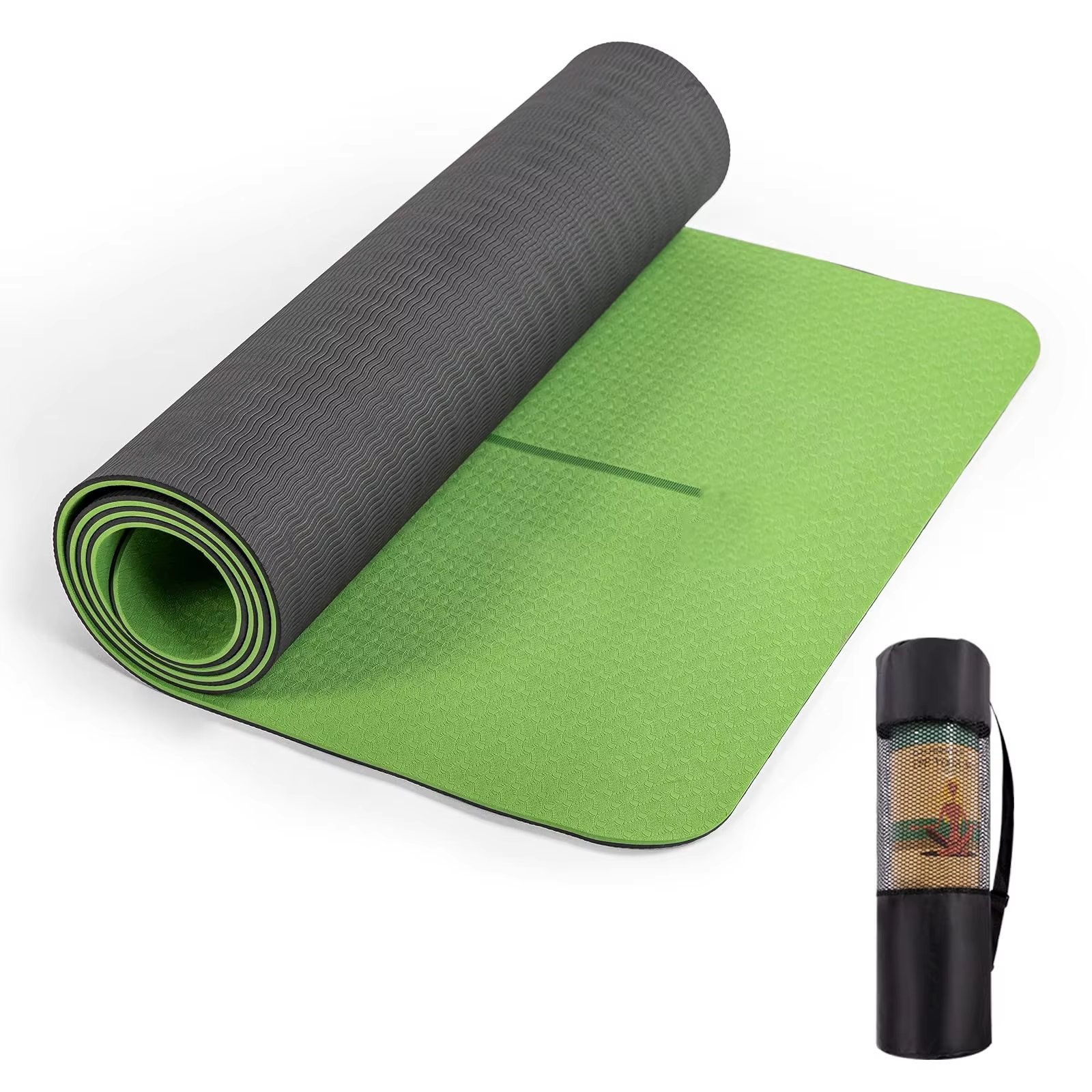
Eco-friendly options like TPE yoga mats are especially popular in home settings because they are lightweight, easy to clean, and free from harmful chemicals. A product like the yoga mats from YSLatex illustrates how modern materials can combine 6mm cushioning, non-slip grip, and ISO certification in a format suitable for both gym and home use. These qualities address the most common home workout demands without compromising performance or sustainability.
Material Properties That Define Mat Performance
TPE Versus Traditional Materials
Yoga mats are available in a range of materials, each with distinct performance characteristics. PVC mats were historically the most common option due to their durability and low cost, but growing awareness of environmental and health concerns has shifted demand toward alternatives. TPE — Thermoplastic Elastomer — has emerged as a leading eco-conscious choice that does not sacrifice performance.
TPE yoga mats are biodegradable, free from PVC and latex allergens, and manufactured without toxic plasticizers. They offer excellent resilience, meaning they return to their original shape quickly after compression. This resilience directly affects how the mat feels underfoot during standing sequences and how well it maintains its surface texture over extended use.
Natural rubber mats are another premium option known for exceptional grip, though they are heavier and may not suit people with latex sensitivities. Cork-surface mats offer a natural aesthetic and antimicrobial properties, making them popular in wellness-oriented studio settings. Understanding these material differences helps buyers select yoga mats that match their specific training environment and personal requirements.
Thickness, Density, and Durability Considerations
The thickness of yoga mats has a significant effect on both comfort and stability. Thinner mats — typically 1mm to 3mm — provide a closer connection to the ground and are favored by practitioners performing precise balance work where proprioceptive feedback matters. Thicker mats — in the 5mm to 8mm range — offer more cushioning, making them better suited for restorative practice, floor-heavy routines, or users with sensitive joints.
Density complements thickness by determining how well the mat resists compression over time. A low-density mat may feel comfortable initially but can develop permanent indentations in high-pressure zones like under the knees or heels. High-density yoga mats maintain consistent surface response session after session, ensuring reliable performance even with daily use in demanding gym environments.
Durability is ultimately measured by how well a mat retains its grip, cushioning, and dimensional stability over its lifespan. Quality yoga mats that meet ISO certification standards undergo controlled testing to verify these properties. For buyers equipping a commercial gym or investing in a home studio, certification provides an objective assurance of quality that manufacturer claims alone cannot offer.
FAQ
Are yoga mats suitable for workouts beyond yoga?
Yes, absolutely. Yoga mats are widely used for Pilates, stretching, core training, HIIT floor sequences, foam rolling, and general mobility work. Their grip and cushioning properties make them suitable for any floor-based activity, making them one of the most versatile fitness accessories available for both gym and home use.
How thick should yoga mats be for home workouts with sensitive joints?
For individuals with sensitive knees, wrists, or hips, yoga mats in the 5mm to 8mm range are generally recommended. A 6mm thick mat strikes a practical balance between cushioning support and stable surface contact. TPE mats in this thickness range are a popular choice because they combine adequate padding with sufficient density to avoid excessive compression during dynamic movements.
How do I keep yoga mats clean for regular gym use?
Most yoga mats made from TPE or PVC can be wiped down after each session using a damp cloth with a mild soap solution or a purpose-formulated mat spray. Avoid soaking the mat or using harsh chemical cleaners, as these can degrade the surface texture and reduce grip over time. Air drying the mat fully before rolling it up will prevent moisture buildup and odor.
What should I look for when choosing yoga mats for a commercial gym?
When selecting yoga mats for commercial gym use, prioritize durability, non-slip performance, easy cleaning, and material safety certifications such as ISO compliance. Mats should be able to withstand heavy daily use without losing grip or cushioning. Eco-friendly materials like TPE are also increasingly preferred in commercial settings due to their alignment with sustainability goals and the absence of allergenic compounds.