 EN
EN


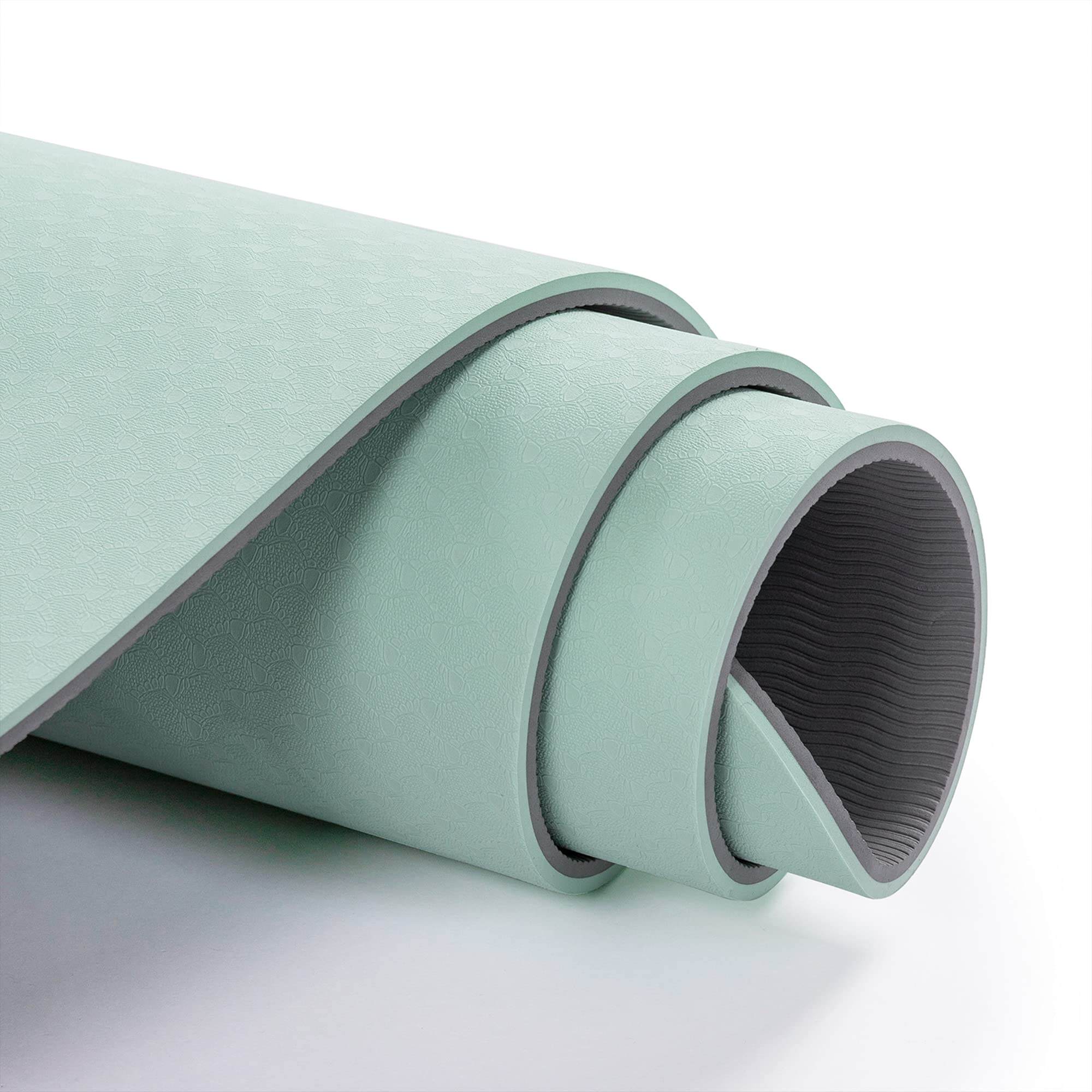
The fitness and wellness industry has evolved significantly over the past decade, and nowhere is that shift more visible than in how studios and retailers source their equipment. When it comes to floor-based fitness products, the OEM yoga mat has emerged as the preferred procurement model for businesses that want control over quality, branding, and margin. Rather than relying on generic wholesale catalogs, forward-thinking studio owners and product buyers are turning to OEM partnerships to differentiate their offerings and build lasting brand equity.
Understanding why studios and retailers prefer OEM yoga mat partnerships requires looking at the business logic behind customization, supply chain control, and customer loyalty. An OEM yoga mat is not simply a branded product — it represents a strategic decision to own a core part of the customer experience. From boutique yoga studios in urban centers to large-scale fitness retailers with national distribution, the appeal of the OEM yoga mat model is consistent: it offers flexibility, professionalism, and long-term commercial value that off-the-shelf alternatives simply cannot match.
The Business Case for OEM Yoga Mat Partnerships
Brand Differentiation in a Competitive Market
The wellness product market is saturated with generic options, and customers increasingly make purchasing decisions based on brand affinity rather than product specs alone. A studio or retailer that carries its own OEM yoga mat creates an immediate point of differentiation. The mat becomes part of the brand identity — featuring custom colors, logos, textures, and packaging that reflect the studio's values and aesthetic.
When a customer unrolls a mat that carries the studio's branding during every session, that experience reinforces loyalty in a way that a generic product never could. The OEM yoga mat effectively becomes a daily brand touchpoint, generating repeated exposure without any additional marketing spend. For retailers, this translates into a product that customers associate exclusively with their brand rather than shopping around for a cheaper version elsewhere.
Differentiation also allows studios and retailers to command higher retail prices. An OEM yoga mat with custom design and premium material specifications carries a perceived value that supports stronger margins compared to commodity products sold on price alone.
Margin Control and Profit Optimization
One of the most compelling business reasons to pursue an OEM yoga mat partnership is the direct impact on profitability. When a business sources a branded product through OEM manufacturing, it eliminates multiple layers of intermediary markup. The result is a significantly improved cost-to-retail ratio that generic wholesale purchases cannot achieve.
Retailers who carry an exclusive OEM yoga mat are not subject to price competition from other channels selling the same SKU. Because the product is unique to their brand, they retain full pricing authority. This margin protection is especially valuable in e-commerce environments where identical products are easily compared and undercut.
Beyond margin, OEM partnerships also offer volume-based pricing benefits. As a studio or retailer scales its orders, unit costs decrease while brand consistency is maintained. This creates a virtuous cycle where growing demand directly improves business economics without sacrificing product quality or presentation.
Customization Capabilities That Drive Customer Satisfaction
Material and Thickness Specifications
An OEM yoga mat partnership gives buyers direct control over the materials and construction specifications of their product. This is a critical advantage for studios and retailers that serve specific fitness disciplines. A studio focused on hot yoga may require a mat with superior moisture absorption and grip retention, while a pilates-focused retailer may prioritize cushioning and alignment markers.
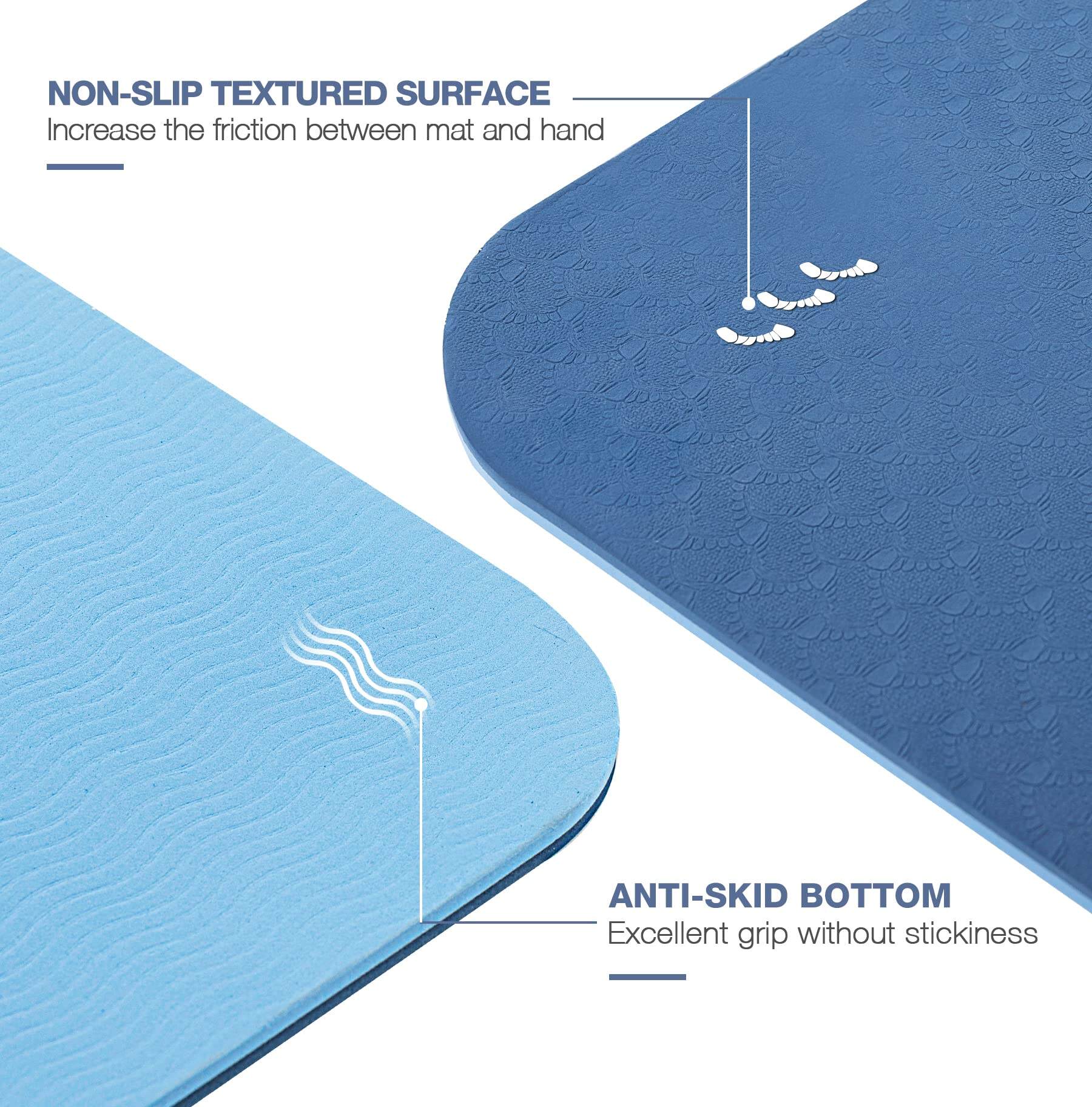
With OEM manufacturing, buyers can specify material composition — such as TPE, natural rubber, or PVC alternatives — along with thickness, density, and surface texture. An 8mm thick TPE OEM yoga mat, for example, offers a balance of cushioning and stability that appeals to both beginners and experienced practitioners. This level of specification control ensures that the final product genuinely serves the end user's needs rather than being a compromise dictated by a supplier's standard range.
Material customization also allows studios to align their OEM yoga mat with environmental values. Eco-conscious consumers respond positively to mats made from non-toxic, biodegradable materials, and OEM partnerships allow businesses to specify and verify those credentials directly with the manufacturer.
Print and Aesthetic Customization
The visual identity of an OEM yoga mat is a powerful marketing asset. Through custom printing, studios and retailers can incorporate branded colorways, motivational graphics, alignment guides, and logo placements that reflect their unique brand language. This level of aesthetic control is simply not available with off-the-shelf wholesale products.
Custom printing on an OEM yoga mat can range from subtle logo embossing to full-surface printed artwork. Retailers launching seasonal collections can update their mat designs to create urgency and repeat purchasing behavior. Studios can use limited-edition designs as membership rewards or retail offerings that generate additional revenue streams.
Packaging customization is another dimension of the OEM yoga mat that enhances the unboxing experience. Custom straps, carry bags, and branded packaging elevate the product from a commodity item to a premium experience — an important consideration for studios that sell mats as part of membership packages or gift offerings.
Supply Chain Reliability and Quality Assurance
Consistent Product Quality Across Orders
One of the most frustrating challenges for studios and retailers sourcing generic mats is inconsistency between batches. Color variations, thickness discrepancies, and surface quality differences create customer complaints and erode trust. An OEM yoga mat partnership resolves this by establishing fixed production specifications that are contractually maintained across every order.
OEM manufacturers build product quality into their workflow through defined raw material sourcing, consistent production processes, and quality control checkpoints. When a studio reorders its OEM yoga mat six months after the initial run, it receives a product that matches the original in every meaningful way. This consistency is essential for maintaining brand reputation and customer satisfaction at scale.
Quality assurance in an OEM yoga mat partnership also extends to safety compliance. Reputable OEM manufacturers produce mats that meet international safety and material standards, which is particularly important for studios working with children, rehabilitation clients, or health-focused demographics who scrutinize what goes on the floor near their skin.
Scalable Production to Match Business Growth
As a studio expands locations or a retailer grows its distribution network, the ability to scale production reliably becomes critical. OEM yoga mat manufacturers are equipped to handle both small initial runs for new brands and large-volume production for established businesses. This scalability means that a brand built on an OEM yoga mat can grow without needing to switch suppliers or renegotiate product specifications.
Scalable OEM production also supports promotional and seasonal planning. A retailer preparing for a major fitness season can place a larger forward order knowing the OEM manufacturer can fulfill it without quality compromise. This supply chain confidence translates into better inventory management and fewer stockout events that cost revenue and customer trust.
For studios opening new locations, having a ready supply of consistent OEM yoga mat inventory ensures that each location delivers the same branded experience from day one — a key factor in maintaining the perception of a professional, cohesive fitness brand.
Strategic Value for Long-Term Business Growth
Building Customer Loyalty Through Branded Products
The relationship between a customer and their yoga mat is deeply personal. Practitioners use their mat daily, carry it to class, and associate it with their wellness journey. When that mat carries a studio's or retailer's brand, it becomes an emotional anchor that deepens customer loyalty in ways that generic equipment never achieves.
Studios that provide or sell their own OEM yoga mat create a sense of community identity among their members. The mat becomes a symbol of belonging to a particular wellness tribe, encouraging retention and word-of-mouth referrals. When a member recommends the studio to a friend, the branded mat is often part of the story — a physical representation of the experience being shared.
Retailers benefit from the same loyalty dynamics. A customer who purchases an OEM yoga mat from a specific retailer and is satisfied with its quality is highly likely to return to that retailer for future fitness purchases. The branded mat becomes a gateway to a broader customer relationship that extends well beyond a single transaction.
Competitive Positioning and Market Exclusivity
Market exclusivity is one of the most strategically valuable outcomes of an OEM yoga mat partnership. Because the product is manufactured to proprietary specifications and branded uniquely to the business, no competitor can offer the same product. This exclusivity is a genuine competitive moat that cannot be replicated simply by offering a lower price on a commodity alternative.
For boutique studios competing against large gym chains, the OEM yoga mat offers a way to present as professional and premium without requiring the capital investment of large-scale infrastructure. The mat becomes a tangible expression of the studio's quality commitment — something customers see, touch, and use every session.
Retailers who establish OEM yoga mat programs also gain leverage in buyer conversations with distributors, platforms, and wholesale partners. A proprietary branded product line signals business seriousness and investment in long-term market presence, which opens doors to partnerships and distribution arrangements that generic product resellers cannot access.
FAQ
What minimum order quantities are typically required for an OEM yoga mat partnership?
Minimum order quantities for an OEM yoga mat vary depending on the manufacturer and the level of customization required. Most OEM producers set minimums in the range of 100 to 500 units for initial orders, with lower per-unit costs available at higher volumes. Studios and retailers entering an OEM partnership for the first time should discuss their growth projections with the manufacturer to negotiate a starting quantity that balances cash flow with cost efficiency.
How long does it take to develop a custom OEM yoga mat from concept to delivery?
The development timeline for an OEM yoga mat typically ranges from four to twelve weeks, depending on the complexity of the customization, the number of sample revision rounds, and the shipping method chosen. Businesses should plan their OEM yoga mat launch timelines accordingly, especially if the product is tied to a seasonal campaign or studio opening. Working closely with the manufacturer during the sampling phase speeds up approvals and reduces overall lead time.
Can small studios afford an OEM yoga mat program, or is it only for large retailers?
OEM yoga mat programs are increasingly accessible to businesses of all sizes. Many manufacturers now offer flexible MOQ structures that allow boutique studios and independent retailers to enter the OEM model without committing to warehouse-scale inventory. The key is to work with a manufacturer willing to collaborate on a phased growth approach, starting with a manageable initial run and scaling as the business grows.
What materials are most commonly used in OEM yoga mat production?
The most common materials used in OEM yoga mat manufacturing include TPE (thermoplastic elastomer), natural rubber, PVC, and NBR foam. TPE is currently the most popular choice among eco-conscious studios and retailers because it is non-toxic, recyclable, and offers excellent grip and cushioning properties. An OEM yoga mat made from TPE can be produced in a wide range of thicknesses and printed with detailed custom graphics, making it the go-to material for businesses that prioritize both performance and sustainability.
Table of Contents
- The Business Case for OEM Yoga Mat Partnerships
- Customization Capabilities That Drive Customer Satisfaction
- Supply Chain Reliability and Quality Assurance
- Strategic Value for Long-Term Business Growth
-
FAQ
- What minimum order quantities are typically required for an OEM yoga mat partnership?
- How long does it take to develop a custom OEM yoga mat from concept to delivery?
- Can small studios afford an OEM yoga mat program, or is it only for large retailers?
- What materials are most commonly used in OEM yoga mat production?