 EN
EN


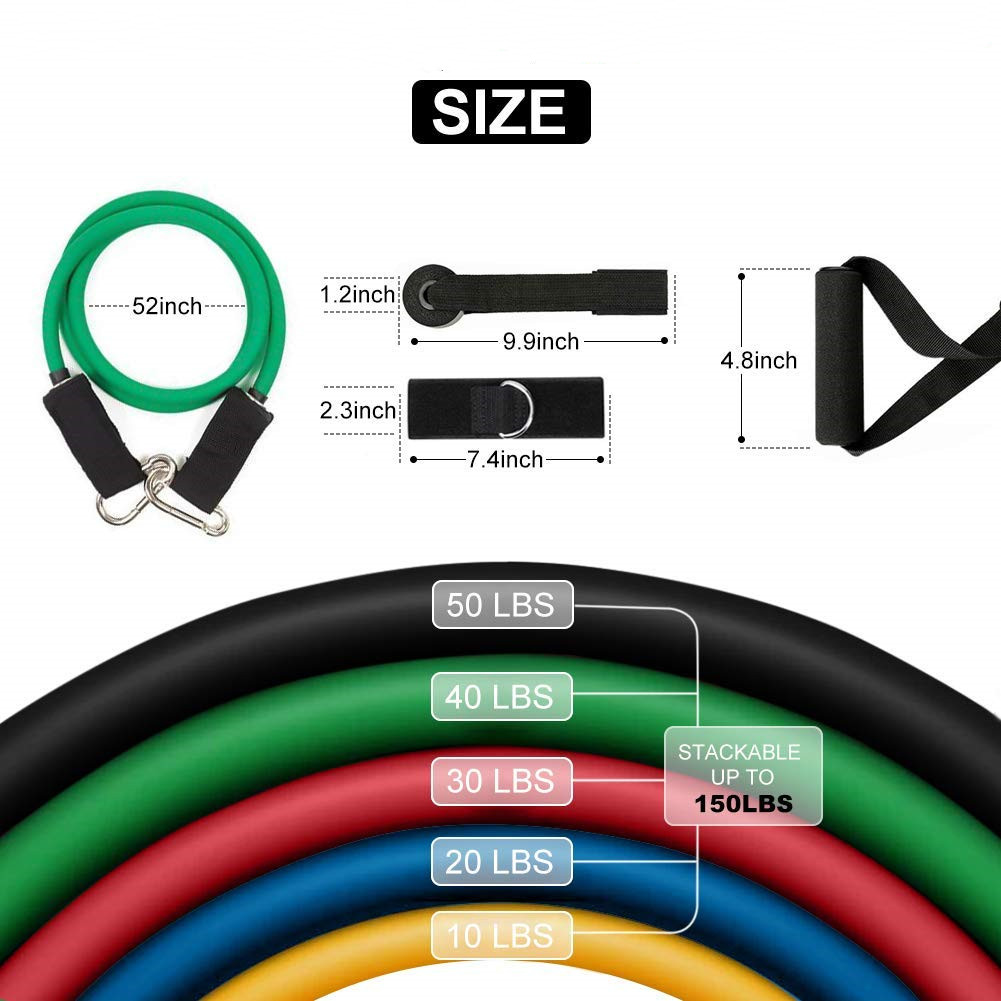
The resistance tube has become one of the most consistently used tools in group fitness programming. From high-intensity interval sessions to low-impact rehabilitation classes, fitness centers around the world have made the resistance tube a standard feature of their class offerings. The reasons behind this choice go far beyond convenience or cost — they reflect a deep understanding of how diverse membership populations respond to adaptable, results-driven training equipment.
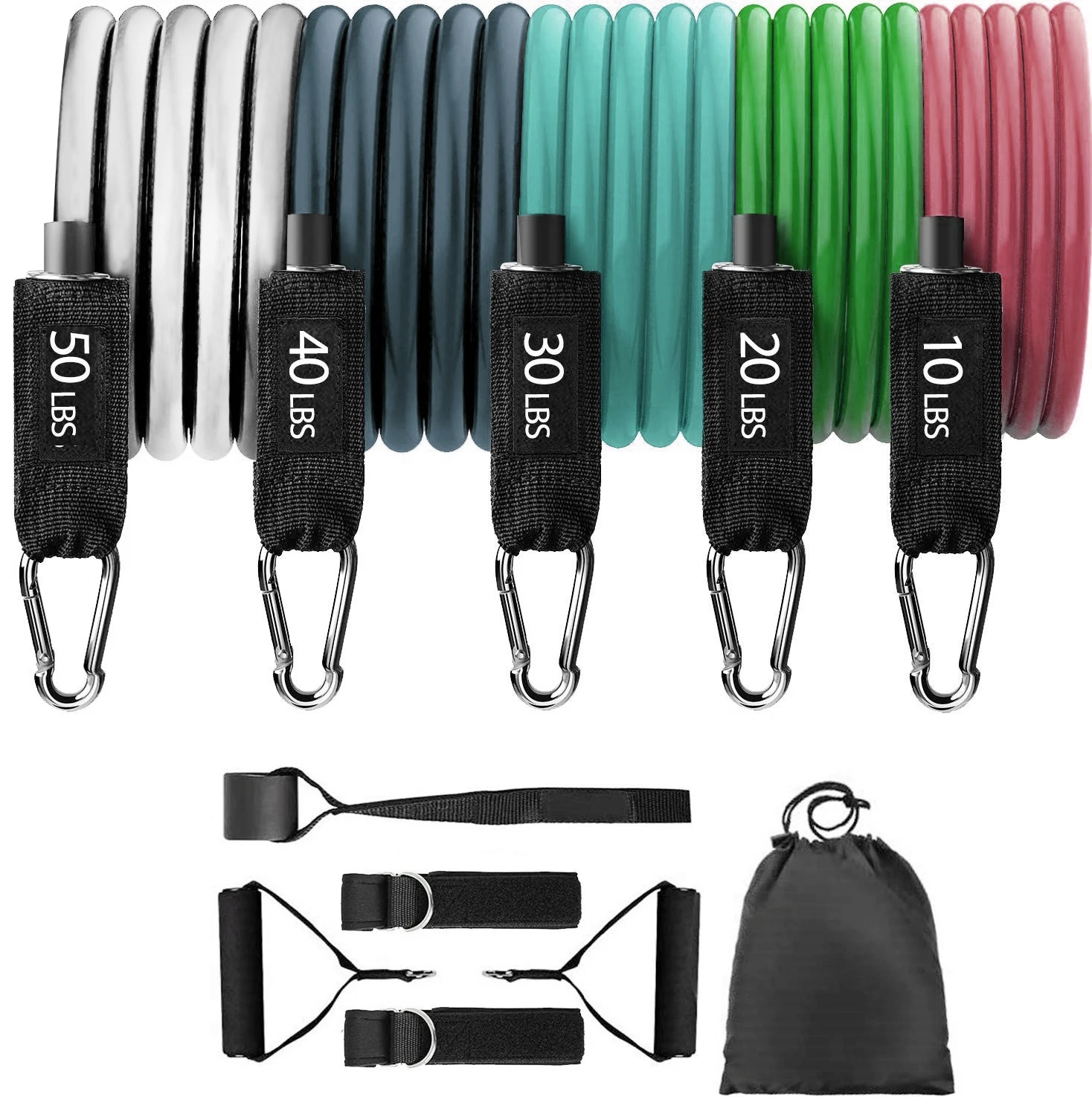
When a fitness center selects equipment for group classes, it must balance scalability, safety, versatility, and participant engagement. The resistance tube checks every one of those boxes. Its elastic structure provides constant tension through a full range of motion, making every resistance tube exercise more mechanically demanding than many free-weight equivalents at the same load level. This quality alone explains why so many fitness professionals prioritize the resistance tube when designing class formats that need to deliver measurable results across all fitness levels.
The Functional Versatility of Resistance Tube Training
Adapting to Every Body and Every Class Format
One of the strongest arguments for including a resistance tube in fitness classes is its ability to scale effortlessly. A single resistance tube can be used by a beginner performing a supported squat or by an advanced athlete executing a high-speed power movement. Fitness centers that serve broad membership demographics — from seniors to competitive athletes — find that the resistance tube allows a single class format to serve multiple fitness levels simultaneously. Instructors simply guide each participant to select the appropriate resistance level, removing the need for separate equipment sets or parallel class tracks.
The resistance tube also integrates naturally into almost every movement category. Whether a class focuses on strength, mobility, cardio endurance, or functional movement patterns, the resistance tube fits without requiring major program restructuring. This makes it an asset not just in one class type but across the full weekly schedule. Pilates classes, HIIT formats, circuit training, senior fitness, and sports conditioning sessions all benefit from resistance tube integration.
Engagement and Motivation in Group Settings
Group fitness classes thrive on participant energy and visible progress. The resistance tube supports both. Because resistance tube exercises are typically full-body or compound movements, participants feel the engagement of multiple muscle groups at once, which increases both perceived effort and real caloric output. This tangible physical feedback keeps participants motivated to return week after week. Fitness centers report that classes featuring resistance tube workouts consistently receive strong participant retention ratings compared to classes using static machines or purely bodyweight formats.
Practical and Operational Advantages for Fitness Centers
Storage, Cost, and Class Scalability
From an operational standpoint, the resistance tube is one of the most cost-efficient tools a fitness center can invest in. A full set of resistance tubes requires minimal storage space, can be transported easily between studios, and has a long usable lifespan when maintained properly. Unlike large machines or free-weight stations, a resistance tube setup for a class of thirty participants can be stored in a single cabinet. This spatial efficiency is particularly valuable in urban fitness centers where floor space is limited and must serve multiple programming purposes throughout the day.
The low unit cost of a resistance tube also means that fitness centers can equip every participant with their own set without significant capital expenditure. This supports full class participation and eliminates the need for equipment rotation, which disrupts class flow and reduces training efficiency. When a fitness center can hand every member a resistance tube at the start of class and begin immediately, the overall class experience improves substantially.
Safety and Injury Prevention in Supervised Classes
Instructor-led resistance tube sessions offer a controlled training environment that significantly reduces injury risk compared to unsupervised free-weight training. Because the resistance tube provides elastic resistance rather than fixed gravitational load, the force profile changes naturally as the participant moves through a range of motion. This graduated tension reduces the risk of sudden overload at joint end-ranges, which is one of the most common causes of training injuries. Fitness centers prioritize the resistance tube in group classes specifically because it allows instructors to maintain safe, effective sessions even with participants who have no prior strength training experience.
Member Outcomes That Support Retention and Revenue
Measurable Physical Benefits That Drive Loyalty
Fitness centers are businesses, and member retention is directly tied to the results participants see from attending classes. The resistance tube delivers genuine, measurable improvements in muscular endurance, strength, joint stability, and movement quality. Regular resistance tube training also supports metabolic conditioning, flexibility, and postural correction — outcomes that members notice in daily life. When a member links those improvements to a specific class format, their likelihood of renewing membership and recommending the facility to others increases significantly. The resistance tube is not just a fitness tool; it is a retention asset.
Fitness centers that include structured resistance tube programming also position themselves to serve special populations, including post-rehabilitation clients, older adults, and prenatal or postnatal members. A properly calibrated resistance tube program can safely challenge these groups while remaining medically appropriate. This inclusive capacity expands the facility's potential market and justifies premium class pricing in wellness-focused communities.
The Instructor Advantage in Resistance Tube Classes
Qualified fitness instructors find the resistance tube easier to cue, correct, and progressively load compared to many other tools. Because resistance tube movements are generally controllable at moderate speeds, instructors can observe form, provide real-time corrections, and introduce progressions within a single session. This responsiveness makes resistance tube classes more educationally valuable than many machine-based formats. Members learn correct movement mechanics more quickly, which accelerates their results and deepens their trust in the facility's programming quality.
FAQ
What resistance levels should a fitness center stock for group resistance tube classes?
A well-equipped fitness center should offer at least four resistance tube levels ranging from light to extra-heavy. This ensures every participant, from beginner to advanced, has an appropriate resistance tube option during group sessions without needing to modify exercises significantly.
How often should a fitness center replace resistance tube equipment?
A latex resistance tube used in group classes typically requires inspection every three to six months, with replacement cycles of one to two years depending on usage frequency and storage conditions. Regular inspection for cracks, discoloration, or reduced elasticity ensures both safety and consistent training performance.
Can resistance tube classes replace traditional weight training in a fitness center?
A resistance tube class can effectively complement and in many cases substitute traditional weight training for general fitness goals. While advanced strength athletes may require heavier progressive overload than a resistance tube provides, the majority of fitness center members achieve excellent strength, endurance, and body composition results through consistent resistance tube training.