 EN
EN


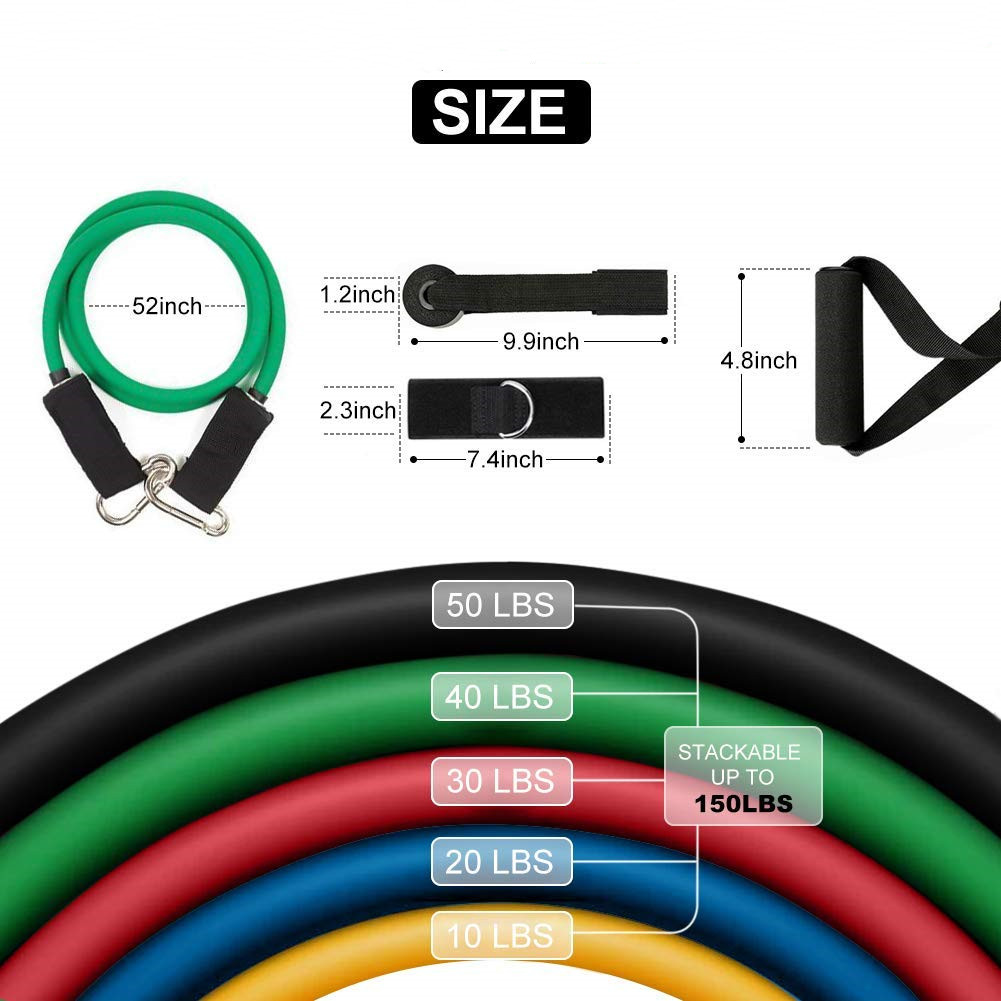
Joint stress is one of the most common barriers that prevents people from maintaining a consistent workout routine. Whether you are recovering from an injury, managing a chronic condition, or simply trying to train smarter, the tools you choose make a significant difference. A resistance tube offers a low-impact alternative to traditional free weights, and many fitness professionals recommend resistance tube training specifically because of how it interacts with the joints during movement. Understanding this relationship can help you make smarter decisions about your exercise programming.
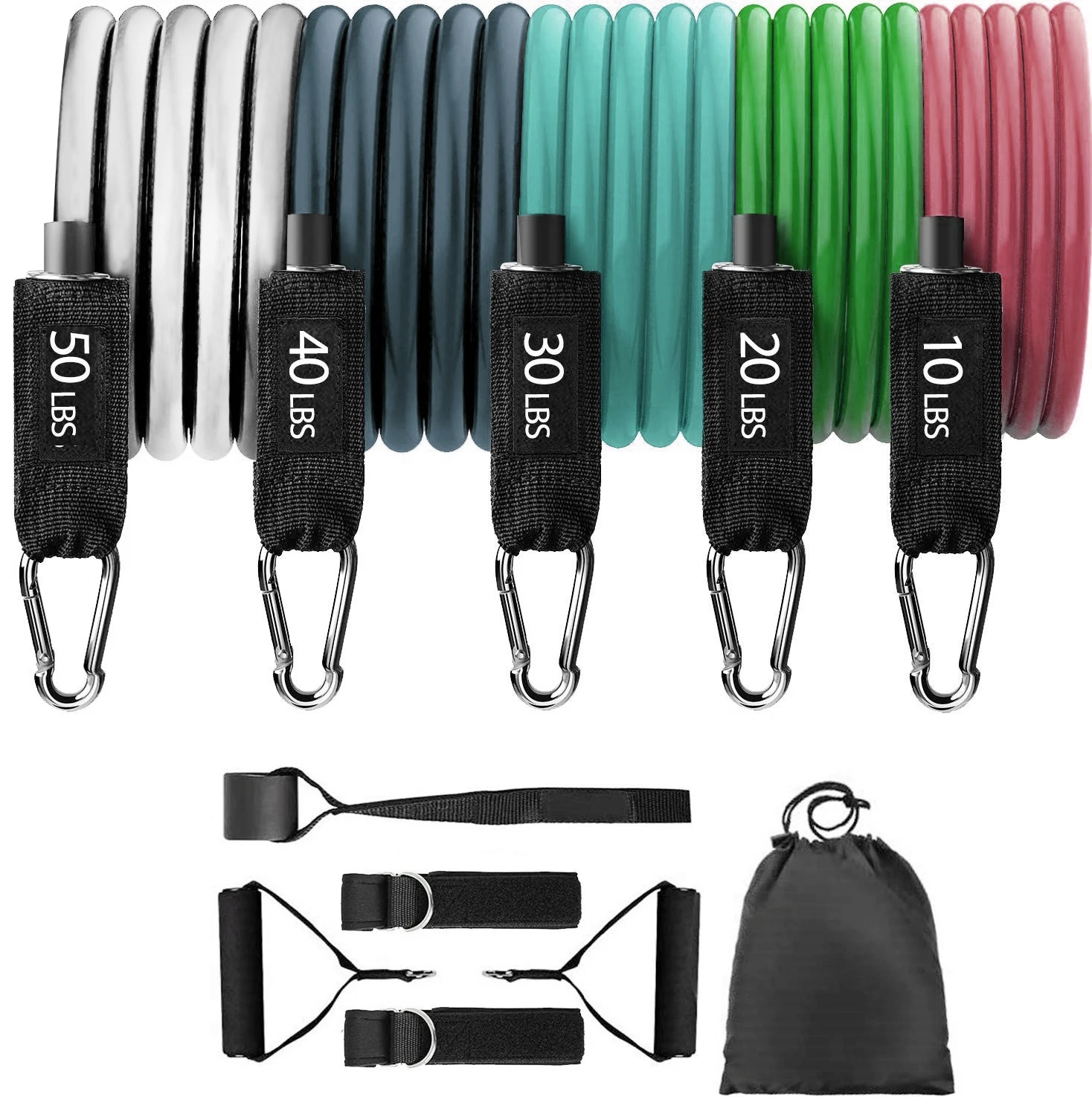
The short answer is yes: resistance tube exercises can meaningfully reduce joint stress when compared to heavy free-weight training or high-impact activities. A resistance tube generates elastic tension that scales with the range of motion, meaning the force applied to the joint is dynamic rather than fixed. This property gives the resistance tube a structural advantage that makes it particularly suitable for warmups, rehabilitation protocols, and long-term joint-friendly strength training. The following sections explore how this works in practice and when a resistance tube is most beneficial.
How Elastic Tension Differs from Static Load
The Mechanics of Resistance Tube Force
A resistance tube works by storing and releasing elastic energy. Unlike a dumbbell, which exerts constant gravitational force regardless of position, a resistance tube increases its resistance progressively as it is stretched further. This means the joint experiences lower force at the beginning of the movement and greater resistance near the end of the range, which is typically where the muscle is strongest. The result is a more efficient load curve that reduces peak joint stress at vulnerable positions such as the bottom of a squat or the start of a shoulder press.
This elastic loading profile is one reason why physical therapists frequently incorporate resistance tube exercises into post-surgical rehabilitation programs. The resistance tube allows the joint to move through its natural arc without being overwhelmed by a fixed load. For knees, hips, shoulders, and elbows, this matters enormously because these joints are most susceptible to compression and shear forces during traditional weighted exercises.
Reduced Compressive Forces During Movement
Compressive force is what pushes joint surfaces together, and excessive compression over time contributes to cartilage wear. Resistance tube training generates significantly lower compressive forces than barbell or machine-based exercises at equivalent effort levels. Because the resistance tube does not rely on gravity as its primary force mechanism, the axial load transmitted through the spine and lower extremities is considerably reduced. This is especially relevant for people with osteoarthritis, patellofemoral syndrome, or lumbar disc issues who still want to maintain muscle strength without aggravating their condition.
Resistance Tube Training Across Different Joints
Knee and Hip Joint Benefits
The knees and hips bear the greatest mechanical demand during most lower-body exercises. Resistance tube exercises such as banded squats, lateral walks, and clamshells allow you to load the glutes, quadriceps, and hip abductors without placing the knee joint under the type of compressive stress generated by heavy barbell squats. The resistance tube provides enough challenge to stimulate muscle activation and strength development while keeping the joint in a protected position. Athletes recovering from ACL reconstruction or meniscus repairs frequently use resistance tube protocols to rebuild strength safely during early-stage recovery.
For hip rehabilitation, resistance tube exercises target the stabilizing muscles around the hip capsule, which are often neglected in standard gym routines. Stronger hip stabilizers reduce abnormal movement patterns that transfer stress to the knee, making resistance tube training beneficial not just for the hip itself but for the entire lower kinetic chain. A single resistance tube can support a full progression from basic activation work to more demanding functional movements.
Shoulder and Upper Body Joint Safety
The shoulder is arguably the most vulnerable joint in the upper body due to its wide range of motion and relative instability. Resistance tube exercises for the shoulder, such as external rotations, face pulls, and overhead extensions, allow practitioners to train the rotator cuff and scapular stabilizers with controlled, progressive tension. The resistance tube avoids the sudden loading spikes that can occur with free weights, especially when fatigue sets in and form begins to break down. This makes the resistance tube an essential tool for both shoulder injury prevention and post-impingement rehabilitation.
Elbow and wrist joints also benefit from resistance tube training because the elastic resistance absorbs minor fluctuations in movement speed, reducing the risk of sudden torque at the joint. People dealing with tennis elbow or repetitive strain injuries often find resistance tube exercises more tolerable than dumbbell or cable machine alternatives. The resistance tube allows them to maintain upper-body conditioning without provoking pain cycles.
Practical Guidelines for Joint-Friendly Resistance Tube Workouts
Choosing the Right Resistance Level
One of the main advantages of using a resistance tube set is the ability to customize resistance levels for different exercises and different joints. Starting with a lighter resistance tube and focusing on controlled movement quality is far more effective for joint health than immediately loading heavy. Multi-piece resistance tube kits allow users to stack bands for greater resistance or use individual tubes for lighter, more precise loading. This versatility makes the resistance tube accessible for beginners while remaining challenging enough for advanced athletes managing joint-sensitive conditions.
Proper anchoring of the resistance tube is also important for joint safety. A poorly anchored resistance tube can snap back unpredictably, causing jerking forces that increase rather than reduce joint stress. Secure the resistance tube to a stable anchor point and always check the tube for signs of wear before each use to prevent sudden breakage during exercise.
Combining Resistance Tube Work with Recovery Protocols
For maximum joint protection, resistance tube training works best when integrated into a broader recovery-aware fitness strategy. Using the resistance tube as part of a warmup activates the surrounding musculature and prepares the joint for more demanding activity. Incorporating resistance tube cooldown exercises helps flush metabolic waste from the joint tissues and restore full range of motion after intense sessions. This kind of structured approach ensures that resistance tube training serves both performance and longevity goals simultaneously.
FAQ
Is a resistance tube safe for people with arthritis?
Yes, a resistance tube is widely recommended for people with arthritis because it generates lower compressive joint forces than free weights. The elastic tension of a resistance tube allows smooth, controlled movement that does not aggravate inflamed joint surfaces. Always consult a physiotherapist before starting a new resistance tube program if you have a diagnosed joint condition.
How often should I use a resistance tube to protect my joints?
Using a resistance tube three to five times per week for joint-supporting exercises is generally effective for most people. Consistency matters more than session length. Even short resistance tube sessions of fifteen to twenty minutes can improve the stability of the muscles surrounding vulnerable joints, reducing cumulative stress over time.
Can a resistance tube fully replace free weights for joint health goals?
A resistance tube can replace free weights for many joint health and rehabilitation goals, particularly for stabilization, mobility, and moderate strength work. However, for maximum strength development or bone density goals, combining resistance tube training with some form of progressive overload is advisable. A resistance tube is most powerful as a primary or complementary tool within a well-rounded, joint-conscious fitness plan.