 EN
EN


The yoga ball has become one of the most consistently requested fitness products across retail channels worldwide. From boutique wellness shops to large sporting goods chains, the yoga ball appears on shelves because buyers actively seek it out, not because retailers are simply filling space. Understanding why fitness retailers deliberately stock yoga ball product ranges requires looking at consumer behavior, margin potential, and the broad versatility that a yoga ball brings to any fitness product lineup.
A yoga ball is no longer a niche item reserved for yoga studios or physiotherapy clinics. Today, the yoga ball is a mainstream fitness tool used at home, in commercial gyms, in corporate wellness programs, and in rehabilitation settings. This wide adoption means that when a retailer stocks a yoga ball range, they are positioning themselves to serve multiple customer segments simultaneously. That kind of cross-segment appeal is rare in fitness retail, and it is one of the strongest reasons why stocking a yoga ball product range is a sound commercial decision.
Consumer Demand Drives Yoga Ball Sales
The Yoga Ball Fits Multiple Fitness Movements
One of the primary reasons fitness retailers stock a yoga ball range is the sheer breadth of consumer demand. The yoga ball connects to yoga, pilates, core training, balance work, prenatal fitness, and general home exercise. When a shopper walks into a fitness store looking for a yoga ball, they may be a pilates enthusiast, a home gym builder, a pregnant woman recommended a yoga ball by her midwife, or an office worker who wants to use a yoga ball as a posture-improving seat. Each of these buyers represents a real and growing segment, and the yoga ball is the single product that satisfies all of them.
Retailers who ignore the yoga ball miss out on sales that competitors will capture. The yoga ball has maintained strong search volume and consistent purchase intent across digital platforms for years. This sustained demand means that a yoga ball is not a trend product with a short shelf life. Stocking a yoga ball range gives retailers a reliable, repeat-purchase item that draws customers back over time, especially as buyers replace worn yoga ball units or purchase additional sizes.
The Yoga Ball Appeals to Broad Demographics
Unlike highly specialized equipment, a yoga ball appeals to a remarkably wide age range and fitness level. Children use a yoga ball for coordination exercises. Adults use a yoga ball for core strengthening and flexibility training. Seniors use a yoga ball for gentle balance and mobility work. This demographic breadth is commercially valuable because it means that almost every customer who enters a fitness retail store is a potential yoga ball buyer. Retailers who stock a thoughtful yoga ball range — covering multiple sizes, colors, and weight ratings — are well positioned to convert a high percentage of foot traffic into yoga ball sales.
Profit Margins and Range Depth
The Yoga Ball Offers Strong Wholesale Value
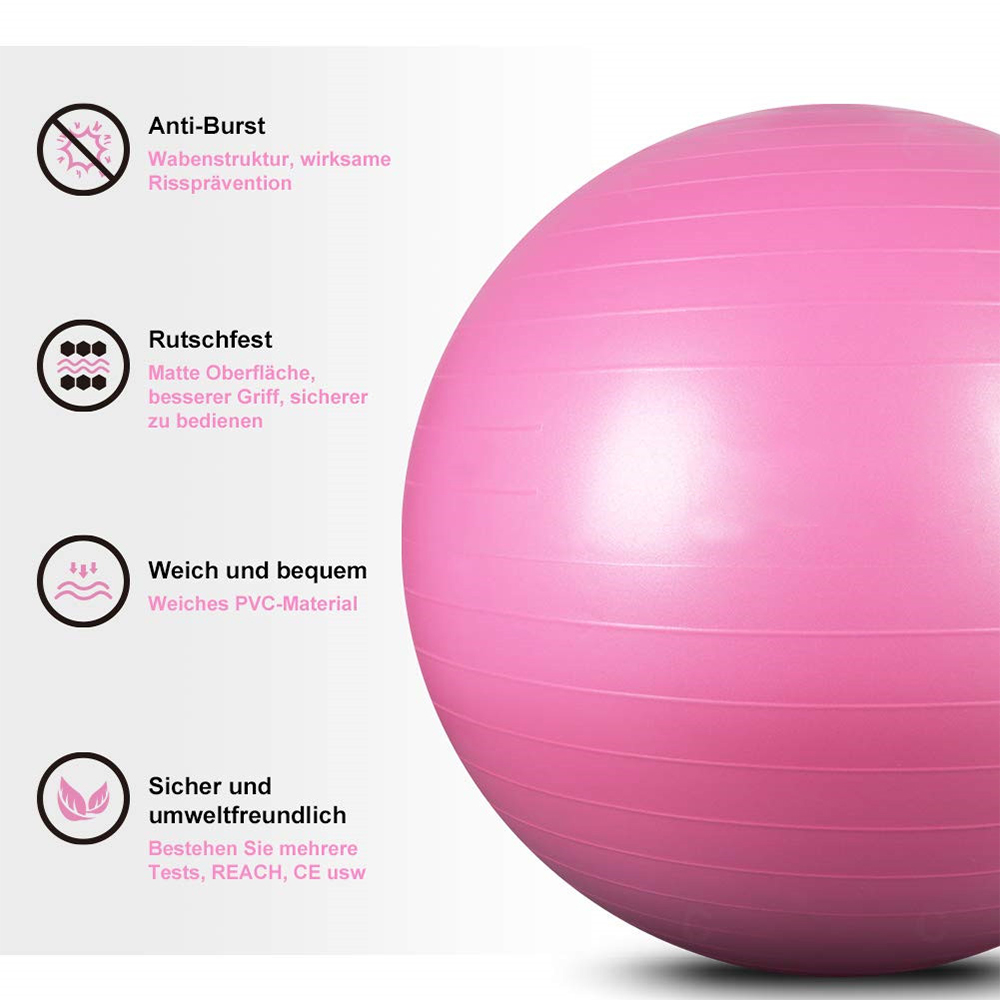
From a commercial standpoint, the yoga ball offers fitness retailers an attractive margin structure. A yoga ball is manufactured from durable anti-burst PVC, which keeps production costs stable and allows for competitive wholesale pricing. When retailers source a yoga ball at volume, they gain the ability to price competitively at retail while still maintaining healthy margins. The yoga ball also requires minimal storage infrastructure compared to heavy gym equipment, which means that the logistics cost per yoga ball unit stays low relative to the revenue it generates.
Retailers who stock a full yoga ball range — rather than a single yoga ball SKU — benefit from upselling opportunities. A customer who comes in for a standard yoga ball may also purchase a pump, a resistance band, or an exercise guide. The yoga ball naturally anchors a basket of complementary products. This bundling behavior makes the yoga ball a strategically important product for driving average order value, not just individual yoga ball sales.
Multiple Yoga Ball Size Options Expand Revenue
A well-structured yoga ball range covers multiple sizes, typically 45cm, 55cm, 65cm, and 75cm, to accommodate users of different heights and fitness goals. Stocking the full yoga ball size spectrum means that a retailer never loses a yoga ball sale simply because the right size is unavailable. It also encourages customers to return for a different yoga ball size as their fitness needs evolve. This product depth is a straightforward way to increase total yoga ball revenue per store without requiring a fundamentally different retail strategy.
Retail Positioning and Brand Credibility
A Yoga Ball Range Signals Category Authority
For fitness retailers, stocking a comprehensive yoga ball range does more than generate yoga ball transactions. It signals to customers that the store is a serious, complete fitness destination. When a retailer carries a well-curated yoga ball selection — with different sizes, anti-burst ratings, and non-slip textures — it communicates expertise. Shoppers who find the yoga ball they need are more likely to trust that retailer for other fitness purchases. A yoga ball range, therefore, contributes to overall store credibility and customer loyalty in ways that extend well beyond yoga ball sales alone.
The Yoga Ball Supports Omnichannel Retail Strategies
The yoga ball is one of the most searched fitness products online. Retailers who stock a yoga ball range and list their yoga ball inventory across digital channels benefit from organic search visibility. A yoga ball product page that describes size options, burst resistance, and weight limits attracts shoppers who are already in buying mode. This means that a yoga ball is not just a physical store asset — it is also a powerful driver of online traffic and e-commerce conversion. Fitness retailers who align their yoga ball range with both in-store and digital sales channels maximize the commercial potential of every yoga ball unit they stock.
FAQ
What sizes should a fitness retailer stock in a yoga ball range?
A fitness retailer should stock at least three yoga ball sizes — 55cm, 65cm, and 75cm — to serve the majority of adult buyers. Adding a 45cm yoga ball covers shorter users and children. Offering multiple yoga ball sizes reduces lost sales and improves customer satisfaction.
Is a yoga ball suitable for both gym and home retail segments?
Yes. A yoga ball is widely used in both commercial gym environments and home fitness settings. This dual-market appeal makes a yoga ball a versatile SKU that generates demand from professional gym buyers and individual home users alike, giving retailers access to two distinct revenue streams through a single yoga ball product range.
How does stocking a yoga ball range affect overall store performance?
Stocking a yoga ball range increases foot traffic conversion, supports basket-building with complementary accessories, and strengthens the store's reputation as a full-service fitness retailer. A yoga ball is a high-visibility, frequently searched product that draws in customers who often make additional purchases alongside their yoga ball.