 EN
EN


Incorporating a yoga ball into your daily fitness practice is more than a short-term experiment. For anyone building a sustainable wellness routine, the yoga ball offers a versatile, low-impact, and highly effective training tool that adapts to a wide range of fitness goals. Whether you are a beginner looking to improve posture or an experienced athlete seeking functional strength, the yoga ball delivers consistent value across every stage of your fitness journey.
The question is not simply whether a yoga ball can be used regularly, but whether it can genuinely anchor a long-term wellness routine. The answer is a strong yes, provided the yoga ball is used with intention, variety, and proper progression. This article explores how the yoga ball supports lasting physical health, why it remains effective over months and years, and how to integrate it meaningfully into a structured wellness plan.
How the Yoga Ball Supports Ongoing Physical Health
Core Stability and Postural Benefits
One of the most well-documented benefits of regular yoga ball training is improved core stability. When you sit or exercise on a yoga ball, your body constantly recruits stabilizing muscles to maintain balance. These deep postural muscles are often neglected in traditional seated or machine-based workouts. Over time, consistent yoga ball use trains these muscles to activate automatically, which translates into better posture, reduced lower back strain, and improved spinal alignment in everyday life.
Using a yoga ball as a dynamic seating alternative during desk work is a practical way to accumulate low-intensity core engagement throughout the day. While it should not fully replace ergonomic seating for long durations, alternating between a standard chair and a yoga ball for short periods can progressively build postural endurance. This passive training effect makes the yoga ball uniquely suited to long-term wellness routines because it works even during non-exercise activities.
Balance, Coordination, and Joint Health
A yoga ball challenges your proprioceptive system, which is the body's ability to sense position and movement. Exercises performed on a yoga ball require constant micro-adjustments, which develop balance and coordination far more effectively than exercises performed on stable surfaces. For older adults or those recovering from minor injuries, this proprioceptive training on a yoga ball is particularly valuable for maintaining joint stability and reducing fall risk over the long term.
The yoga ball also provides a forgiving, cushioned surface that reduces impact stress on joints during exercises. This makes it an ideal tool for people with knee sensitivity, hip discomfort, or general joint concerns who still want to maintain an active lifestyle. Because the yoga ball accommodates these physical needs, it remains a viable training partner across many years and life stages.
Yoga Ball Versatility in Long-Term Routine Design
Progressive Training Across Fitness Levels
A common concern with any fitness tool is whether it will remain challenging as fitness levels improve. The yoga ball addresses this concern through its inherent adaptability. Beginners can use the yoga ball for basic stability work, gentle stretching, and supported bodyweight movements. Intermediate practitioners can layer in resistance exercises, dynamic balance challenges, and yoga ball-assisted strength training. Advanced users can incorporate the yoga ball into high-intensity functional movements that demand significant core control and body awareness.
This scalability means a single yoga ball can serve a person through years of fitness development without becoming obsolete. By adjusting inflation level, exercise selection, and movement complexity, the yoga ball continues to provide an appropriate training stimulus at every stage. This progression potential is a key reason the yoga ball is considered a long-term wellness investment rather than a novelty item.
Cross-Training and Recovery Applications
The yoga ball fits naturally into cross-training and active recovery protocols. On high-intensity training days, the yoga ball can be used for mobility drills, hip flexor stretches, and thoracic spine extensions that support recovery from heavier workloads. On lighter days, the yoga ball serves as a primary training tool for low-impact core and balance work. This flexibility allows the yoga ball to fill a functional role on any day of a training week, ensuring it is used consistently rather than sitting idle.
Incorporating a yoga ball into yoga and Pilates routines further extends its utility. The yoga ball enhances many traditional poses by providing support, resistance, or an unstable surface that deepens the challenge. Practitioners who combine yoga ball exercises with breath control and mindful movement report improved body awareness and stress reduction, both of which are pillars of genuine long-term wellness.
Choosing and Maintaining a Yoga Ball for Sustained Use
Material Quality and Safety Considerations
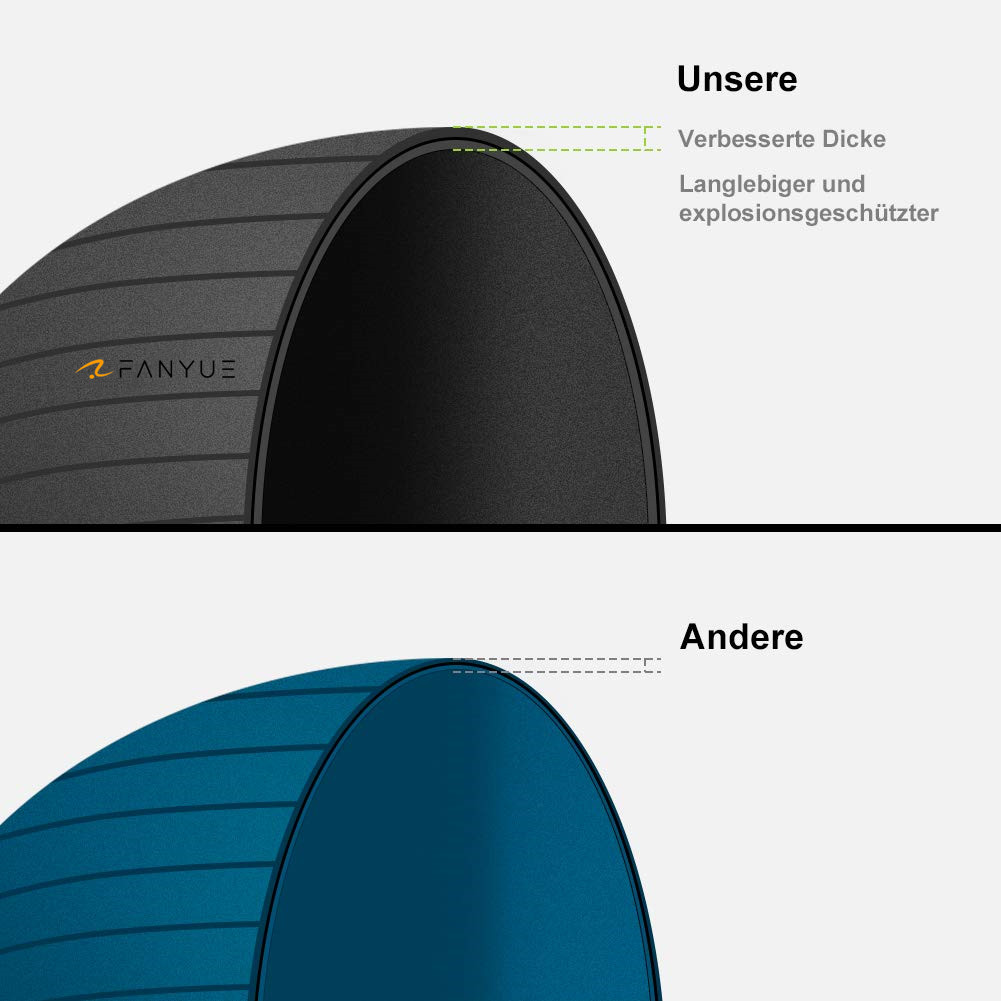
For a yoga ball to support a long-term routine, it must be durable and safe. Anti-burst PVC construction is the industry standard for yoga ball safety, as it ensures that if the yoga ball is punctured, it deflates slowly rather than bursting suddenly. This anti-burst feature is critical for users who perform dynamic or weight-bearing exercises on the yoga ball. Choosing a yoga ball made from non-slip, thick-gauge PVC significantly extends its usable lifespan and maintains user confidence during training.
Size selection also matters for long-term yoga ball use. A yoga ball that is properly sized for the user's height ensures correct joint angles during exercises, reducing the risk of compensatory movement patterns that can cause discomfort over time. Most yoga ball sizing guides recommend matching ball diameter to the user's height so that hips and knees form approximately a ninety-degree angle when seated. Regularly checking yoga ball inflation and storing it away from sharp objects or direct sunlight preserves the yoga ball's integrity across years of use.
Building Consistency with a Yoga Ball
Long-term wellness depends less on peak performance and more on consistent daily habits. The yoga ball supports this principle because it is accessible, low-cost, and requires no gym membership or complex setup. A yoga ball can be used at home, in the office, or outdoors, removing the common barriers that interrupt fitness routines. Its approachable design encourages regular use without the psychological resistance that heavier equipment sometimes creates.
Pairing yoga ball sessions with clear, achievable weekly goals helps build the habit loop needed for long-term commitment. Even fifteen to twenty minutes of intentional yoga ball training per day, sustained over months, produces measurable improvements in core strength, balance, and flexibility. The yoga ball rewards consistency precisely because its benefits accumulate gradually, reflecting the true nature of sustainable wellness progress.
FAQ
How often should I use a yoga ball to see long-term results?
Using a yoga ball three to five times per week, even for short sessions of fifteen to twenty minutes, is sufficient to build meaningful core strength and balance over time. Consistency matters more than session length. Integrating the yoga ball into both active training and daily seated activities accelerates long-term results.
Is a yoga ball suitable for older adults in a long-term wellness routine?
Yes, a yoga ball is highly suitable for older adults. It supports low-impact strength training, balance improvement, and joint mobility work. The cushioned and forgiving surface of the yoga ball reduces stress on sensitive joints while still providing a meaningful training stimulus. Starting with basic seated and supported exercises is recommended before progressing to more dynamic yoga ball movements.
Can a yoga ball replace other fitness equipment in a wellness routine?
A yoga ball can replace or reduce the need for several types of equipment, particularly for core, balance, and flexibility training. However, a well-rounded long-term wellness routine benefits from combining the yoga ball with cardiovascular activity and some form of resistance training. The yoga ball excels as a versatile complement to these practices, making it a central rather than isolated part of a complete wellness plan.