 EN
EN


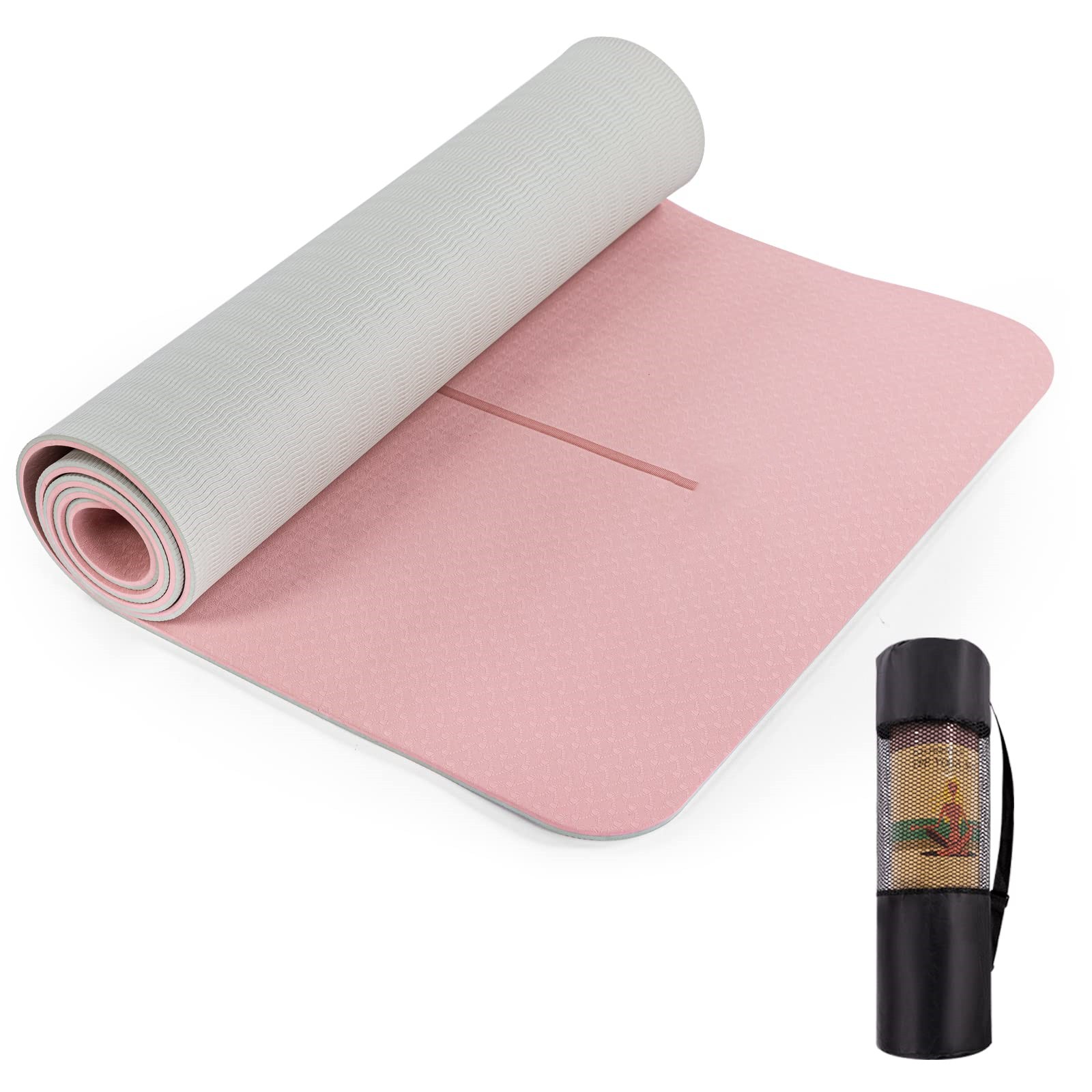
When choosing a yoga mat, most practitioners focus on thickness, color, or price — but the single most important factor shaping your entire practice experience is the material it is made from. yoga mat materials determine how the surface feels under your hands and feet, how reliably it grips the floor during challenging poses, and whether it holds up through months or years of consistent use. Understanding these material differences is not just a matter of personal preference — it is a practical decision that directly affects performance, health, and long-term value.
This guide explores how different yoga mat materials influence comfort during practice, safety in terms of grip and chemical exposure, and the durability that determines how long your mat remains functional. Whether you are a studio owner sourcing mats in bulk, a wellness retailer evaluating product lines, or an individual practitioner making an informed purchase, understanding the mechanics behind yoga mat materials will help you make a smarter, more confident choice.
The Core Relationship Between Material Composition and Comfort
How Surface Texture and Density Shape the Feel Underfoot
Comfort in yoga is deeply physical. It depends on how much cushioning your joints receive, how your skin interacts with the surface texture, and whether the mat absorbs or transfers impact during movement transitions. Yoga mat materials directly govern all three of these sensory factors. A mat made from high-density foam provides substantial cushioning for knee-heavy sequences, while a thinner natural rubber mat may feel firmer but more responsive for balance-oriented styles.
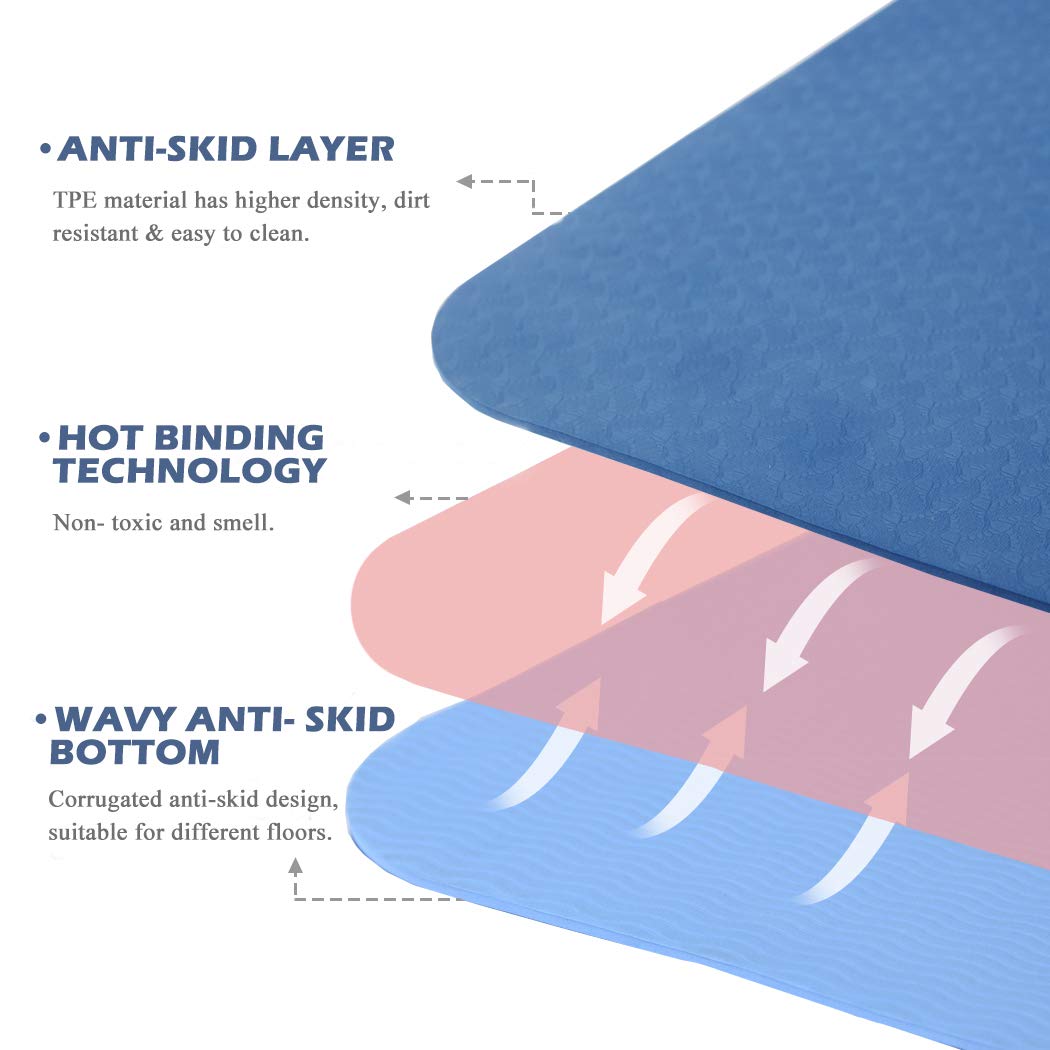
TPE, or thermoplastic elastomer, is widely recognized for its dual-layer construction that combines a soft upper surface with a structured base. This layered approach in TPE yoga mat materials allows the top layer to contour gently to the body while the bottom layer maintains dimensional stability. Practitioners who spend extended time in seated or reclined positions particularly benefit from this kind of material architecture. The result is a mat that feels supportive without the spongy instability sometimes found in lower-density foam options.
Natural rubber, derived from latex, offers a distinctive dense and slightly tacky feel that many experienced yogis prefer. Its material structure provides a firm foundation that encourages proprioceptive awareness — you feel the ground more directly, which improves body alignment. However, this same firmness can feel less forgiving for practitioners with joint sensitivity, making material selection a genuinely personal and physically meaningful decision.
Temperature Sensitivity and Its Impact on Practice Comfort
An often overlooked dimension of yoga mat materials and comfort is how they respond to temperature. Some materials, particularly PVC-based mats, tend to feel cold and stiff at the start of a session in cooler environments, requiring a warm-up period before the surface becomes pliable and comfortable. In contrast, TPE materials tend to remain more dimensionally consistent across a range of ambient temperatures, which matters for studios with variable climate control or outdoor practitioners.
Natural rubber mats can soften slightly with body heat over the course of a session, which some practitioners find pleasant and others find destabilizing. Cork-surfaced mats, which are sometimes layered over rubber bases, maintain a consistently neutral temperature feel and are particularly popular in warm yoga settings. The interplay between material composition and thermal behavior is a subtle but real aspect of how yoga mat materials shape the overall comfort experience during extended sessions.
How Yoga Mat Materials Determine Grip and Slip Resistance Safety
The Physics of Traction and Why Material Matters
Safety in yoga practice is closely tied to grip performance. A mat that slides on the floor during a warrior sequence or fails to provide traction when hands become sweaty in a flow session creates genuine injury risk. The traction properties of a mat are almost entirely determined by its yoga mat materials — specifically the surface friction coefficient and how that surface behaves when wet or warm.
PVC, once the dominant material in mass-market mats, provides strong initial dry traction but loses grip significantly when moisture is introduced. This is why PVC mats often require a towel overlay during hot yoga or high-intensity sessions. TPE materials, by contrast, tend to maintain more consistent grip across both dry and slightly moist conditions due to their open-cell surface structure, which allows micro-suction rather than relying purely on surface friction. This makes yoga mat materials like TPE more suitable for dynamic, sweat-inducing practices.
Natural rubber surfaces offer some of the highest baseline traction values among yoga mat materials because of the material's inherent tackiness. This grip is largely moisture-resistant, which is why rubber mats are preferred by practitioners who engage in vigorous or heated yoga formats. However, it is worth noting that rubber deteriorates if exposed to direct sunlight or ozone over time, which introduces a safety consideration related to surface degradation and reduced traction after extended exposure.
Chemical Safety and Skin Contact Considerations
Safety extends beyond physical grip to encompass chemical exposure during skin contact. Yoga is a practice that involves prolonged, direct skin contact with the mat surface — palms, feet, face, and arms all come into contact with the material. This makes the chemical composition of yoga mat materials a legitimate health consideration, particularly for practitioners with sensitivities or for parents purchasing mats for children.
PVC-based mats have been scrutinized for potential off-gassing of plasticizers and stabilizers used during manufacturing. While many manufacturers have reformulated their products, the concern remains relevant when evaluating yoga mat materials in the budget segment where quality control may be less rigorous. TPE and natural rubber, in contrast, are generally considered cleaner from a chemical standpoint. TPE is free from heavy metals, latex proteins, and phthalates when produced to certified standards, making it a preferred choice for health-conscious buyers.
Cork is another material that is gaining recognition for its natural, hypoallergenic surface properties. It is antimicrobial by nature, which reduces the risk of bacterial or fungal growth on the mat surface — a meaningful safety benefit for shared studio environments. When evaluating yoga mat materials for institutional use, chemical safety certifications such as ISO compliance, REACH conformity, and RoHS standards serve as reliable indicators that the material has been independently verified for safety thresholds.
Longevity and Durability Across Different Yoga Mat Materials
Material Structure and Resistance to Wear
Durability is arguably where yoga mat materials show the greatest variation. A mat that degrades within six months becomes a cost burden and an environmental liability, while a high-quality mat that lasts two to three years or more represents genuine value. The material structure — including its density, polymer chain stability, and resistance to mechanical abrasion — determines how a mat holds up over sustained use.
TPE yoga mat materials are engineered for resilience. The elastomer matrix resists compression set, meaning the mat recovers its original shape after repeated loading rather than becoming permanently flattened in high-contact zones. This is a critical durability factor that directly extends usable lifespan. Mats that lose their cushioning in the center heel or palm zones within the first few months signal a material with poor elastic recovery — a common issue in low-grade PVC or NBR foam mats.
Natural rubber mats, when properly maintained and stored away from UV exposure, can achieve excellent longevity. However, their vulnerability to oxidation and light degradation means that storage and care protocols directly affect lifespan. For commercial settings where mats are frequently stored in sunlit rooms or near windows, this material limitation becomes a practical durability concern. Understanding the environmental sensitivities of yoga mat materials helps buyers build realistic expectations around replacement cycles.
Maintenance Requirements and Their Role in Long-Term Performance
Longevity is not solely a function of material quality — it also depends on how maintenance requirements align with real-world usage patterns. Some yoga mat materials require specific cleaning agents or drying methods to avoid surface breakdown. PVC mats are relatively tolerant of spray cleaners and can be wiped down quickly, but harsh solvents will accelerate surface cracking over time. Rubber mats should avoid oil-based cleaners and prolonged moisture exposure, which can degrade the polymer structure.
TPE stands out for its low-maintenance profile. The material is generally compatible with mild soap and water cleaning, dries quickly due to its surface structure, and does not harbor odor-causing bacteria as readily as some denser foam alternatives. For studio operators managing large mat inventories, the maintenance demands of yoga mat materials directly translate into operational labor and replacement costs. A material that is easier to clean and more resistant to deterioration from routine cleaning offers compounding value over time.
From a wholesale or B2B procurement perspective, understanding the expected service life of a mat material helps calculate total cost of ownership rather than just unit purchase price. A mat made from premium yoga mat materials that lasts three years and requires minimal replacement represents a lower annualized cost than a cheaper mat replaced every eight months. This is a decision framework that sophisticated buyers in the fitness equipment supply chain increasingly apply to yoga mat sourcing.
Eco-Friendliness and Sustainability as Part of Material Performance
The Environmental Footprint of Common Yoga Mat Materials
Sustainability has become an integrated performance criterion for yoga mat materials, not merely a marketing add-on. Practitioners and institutional buyers alike are assessing the environmental footprint of their mat choices, from raw material sourcing through end-of-life disposal. This shift in evaluation criteria is reshaping which yoga mat materials are considered 'premium' in the current market.
PVC remains the most environmentally contentious of the mainstream yoga mat materials. It is derived from petrochemicals, difficult to recycle at end of life, and its manufacturing process involves chlorine chemistry with potential environmental byproducts. As sustainability-oriented buyers move away from PVC, alternatives like TPE and natural rubber have gained significant traction. TPE is recyclable and can be reprocessed at end of life, which reduces its overall environmental impact compared to PVC, which typically ends up in landfill.
Natural rubber, harvested from rubber trees, is a renewable resource and biodegradable, giving it strong sustainability credentials. However, land use and transportation footprints associated with rubber cultivation should also be factored into a complete environmental assessment. Cork is another renewable material with a low-impact harvest cycle that does not require tree removal. For buyers whose customers value verified environmental credentials, selecting yoga mat materials with credible sustainability certifications is increasingly a commercial differentiator.
Recyclability, Certifications, and Responsible Sourcing
Certifications serve as credible third-party validation of sustainability and safety claims for yoga mat materials. ISO-certified manufacturing processes, for instance, demonstrate that quality management systems are in place throughout production — not just at the final product stage. For eco-focused buyers, certifications such as OEKO-TEX, which tests for harmful substances, and certifications confirming recyclability or biodegradability, provide reliable guidance when comparing yoga mat materials across suppliers.
Responsible sourcing documentation — such as declarations of no added heavy metals, no PVC content, and no AZO dye use — increasingly accompanies professional-grade yoga mat materials in the B2B channel. Buyers working with fitness retailers, wellness brands, or corporate wellness programs should request these documents as standard practice. This protects the buyer from reputational risk while also reinforcing the product's value proposition to end consumers who are making increasingly informed purchasing decisions.
FAQ
What are the most common yoga mat materials available today?
The most widely used yoga mat materials include PVC, TPE, natural rubber, NBR foam, and cork. Each has a distinct combination of grip, cushioning, durability, and environmental impact. TPE and natural rubber are increasingly favored for their balance of performance and lower chemical risk, while PVC remains common in entry-level products due to its low production cost.
How do yoga mat materials affect grip performance during sweaty sessions?
Grip performance is one of the most material-dependent qualities in a yoga mat. TPE yoga mat materials maintain more consistent traction in moist conditions compared to PVC, which tends to become slippery when wet. Natural rubber offers inherently high traction and performs well in humid practice environments. If wet-condition grip is a priority, selecting yoga mat materials with open-cell or textured surfaces significantly improves safety.
Are some yoga mat materials safer for skin contact than others?
Yes. Yoga mat materials vary considerably in their chemical profiles and skin-contact safety. TPE mats certified to ISO or OEKO-TEX standards are produced without heavy metals, phthalates, or latex proteins, making them a safer choice for practitioners with chemical sensitivities. Cork surfaces are naturally hypoallergenic and antimicrobial. PVC mats, particularly in lower-cost segments, may contain plasticizers that raise concern with prolonged skin contact.
Which yoga mat materials last the longest under regular use?
Longevity depends on material quality, care practices, and usage intensity. High-density TPE yoga mat materials with good elastic recovery typically perform well over extended use, resisting compression set and surface cracking. Natural rubber also offers strong durability when stored away from UV exposure. Lower-density PVC and NBR foam tend to show signs of wear sooner, especially in high-traffic studio environments. Evaluating manufacturer specifications for density and elastic recovery provides a useful indicator of expected service life.