 EN
EN


The yoga mat has evolved far beyond a simple exercise accessory. For wellness brands, a single yoga mat option rarely satisfies the full range of customer needs, fitness goals, and purchase motivations that exist in today's market. Expanding a yoga mat product collection has become a deliberate strategic move, not just a response to competition. Brands that invest in a broader yoga mat lineup consistently discover stronger customer loyalty, better market coverage, and more sustainable revenue streams.
Understanding why wellness brands choose to expand their yoga mat collections requires looking at consumer behavior, retail economics, and the evolving definition of wellness itself. A well-curated yoga mat range signals expertise, attracts diverse buyer segments, and supports brand authority. Each additional yoga mat variant serves a specific purpose — from beginner-friendly yoga mat formats to high-performance yoga mat options for advanced practitioners. This article breaks down the core reasons driving that expansion and what it means for both brands and their customers.
Meeting Diverse Consumer Needs with a Broader Yoga Mat Range
Different Practitioners Require Different Yoga Mat Specifications
A beginner stepping onto a yoga mat for the first time has entirely different priorities than an experienced yogi training for hot yoga or restorative sessions. The beginner may prioritize a thick, cushioned yoga mat that protects joints and provides extra stability. An advanced practitioner may seek a lightweight, travel-friendly yoga mat with superior grip. A restorative yoga student may want an extra-wide yoga mat that accommodates bolsters and props. When a wellness brand offers only one yoga mat style, it automatically excludes large segments of potential buyers.
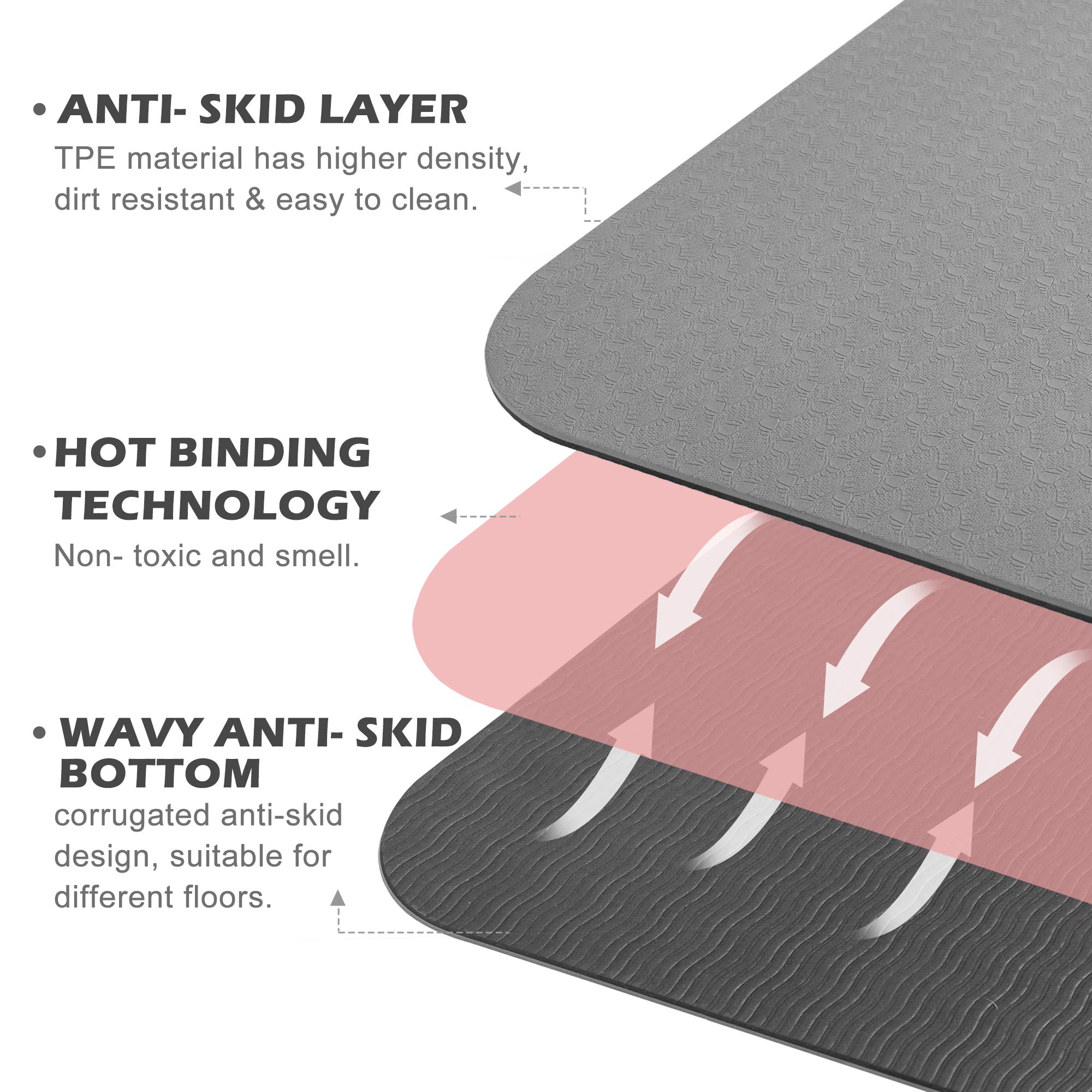
Expanding the yoga mat collection to include varying thicknesses, materials, and surface textures addresses these real differences in practice style. Offering a TPE yoga mat alongside a natural rubber yoga mat, for instance, allows customers to choose based on eco-preferences, sensitivity, or performance needs. Every yoga mat variant added to a collection is a direct response to a specific customer profile that the brand is choosing to serve. This intentional breadth transforms a yoga mat brand from a single-product seller into a trusted wellness resource.
Lifestyle Segmentation Drives Yoga Mat Purchasing Decisions
Modern wellness consumers do not identify purely by activity level. They identify by lifestyle, values, and aesthetic preferences. A yoga mat purchase often reflects personal identity — someone may want a yoga mat in a specific color palette that matches their home gym, or a yoga mat made from sustainable materials that aligns with their environmental values. Wellness brands that recognize this behavior expand their yoga mat range to reflect these lifestyle dimensions. The result is a yoga mat collection that feels curated and personal, not generic.
Expanding a Yoga Mat Collection Strengthens Brand Positioning
A Full Yoga Mat Lineup Communicates Category Authority
When a retailer or distributor evaluates a wellness brand, the depth of its yoga mat offering is a strong signal of expertise. A brand that carries a yoga mat for hot yoga, a yoga mat for travel, a yoga mat for home practice, and a yoga mat for studio use demonstrates that it understands the full spectrum of yoga mat use cases. This signals investment in product development and genuine understanding of what practitioners need. Distributors are more likely to partner with a brand that presents a comprehensive yoga mat collection because it simplifies their own sourcing process.
Category authority built around a strong yoga mat lineup also supports better pricing power. A brand with a well-designed yoga mat range can position its premium yoga mat at a higher price point while offering an entry-level yoga mat that attracts first-time buyers. This tiered yoga mat structure protects margin at the top while building volume at the base. The entire yoga mat collection works together as a commercial system rather than a set of isolated products.
A Diverse Yoga Mat Range Supports Retail and Online Channel Growth
Retail buyers look for assortment depth when selecting wellness suppliers. A single yoga mat SKU limits shelf presence and visual impact. A comprehensive yoga mat collection, however, creates meaningful shelf presence and gives retail partners more flexibility in how they merchandise. For online channels, a broader yoga mat catalog improves SEO discoverability, increases average session duration as shoppers browse multiple yoga mat options, and raises the probability of conversion. Each yoga mat listing in an online store acts as an independent entry point for organic traffic.
Product Collection Depth Drives Yoga Mat Business Growth
More Yoga Mat Options Increase Average Order Value and Repeat Purchases
When a customer buys one yoga mat and has a positive experience, they often return for a second yoga mat purchase — perhaps a travel yoga mat to complement their home yoga mat, or a gifting yoga mat for a friend. Brands with an expanded yoga mat collection capitalize on this repeat purchase behavior by always having a relevant yoga mat option ready for the returning customer. Bundling a yoga mat with accessories such as yoga mat bags or straps also becomes more natural when the yoga mat lineup is sufficiently broad.
From a B2B perspective, wholesale buyers ordering a yoga mat collection for gyms, studios, or corporate wellness programs need variety. A gym may need a durable studio yoga mat in bulk alongside a personal yoga mat option for retail sale. If a brand can satisfy both needs within one yoga mat collection, it becomes the preferred yoga mat supplier for that buyer. This consolidation of sourcing is a major commercial advantage that wellness brands pursue through deliberate yoga mat range expansion.
Seasonal and Trend-Driven Yoga Mat Launches Sustain Market Interest
Wellness markets respond to seasonal trends, new fitness movements, and shifting consumer priorities. A brand that monitors these signals can time yoga mat launches to capture demand at its peak. A limited-edition yoga mat tied to a seasonal color trend, a yoga mat designed for a growing practice style like aerial yoga, or an eco-certified yoga mat responding to sustainability demand — each of these strategic yoga mat releases keeps the brand visible and relevant. Sustained yoga mat innovation prevents brand stagnation and gives sales teams new stories to tell at every cycle.
FAQ
Why do wellness brands keep adding new yoga mat styles instead of perfecting one?
Different customers have fundamentally different yoga mat needs based on practice style, physical requirements, and personal values. No single yoga mat can serve all these needs equally well. Expanding the yoga mat range allows a brand to serve more customers without compromising on quality or specificity within each yoga mat category.
How does a broader yoga mat collection help with B2B sales?
Wholesale and commercial buyers such as gyms, studios, and corporate wellness programs typically need multiple yoga mat types to serve their own diverse user base. A brand with a full yoga mat collection can supply several yoga mat formats in one order, making it a more convenient and preferred yoga mat supplier for business clients.
Does expanding a yoga mat product line increase manufacturing complexity significantly?
Expanding a yoga mat collection does require additional product development, tooling, and quality control processes. However, brands that work with experienced yoga mat manufacturers can manage this complexity efficiently by sharing base materials and production platforms across multiple yoga mat variants, keeping per-unit costs competitive while growing the yoga mat range.