 EN
EN


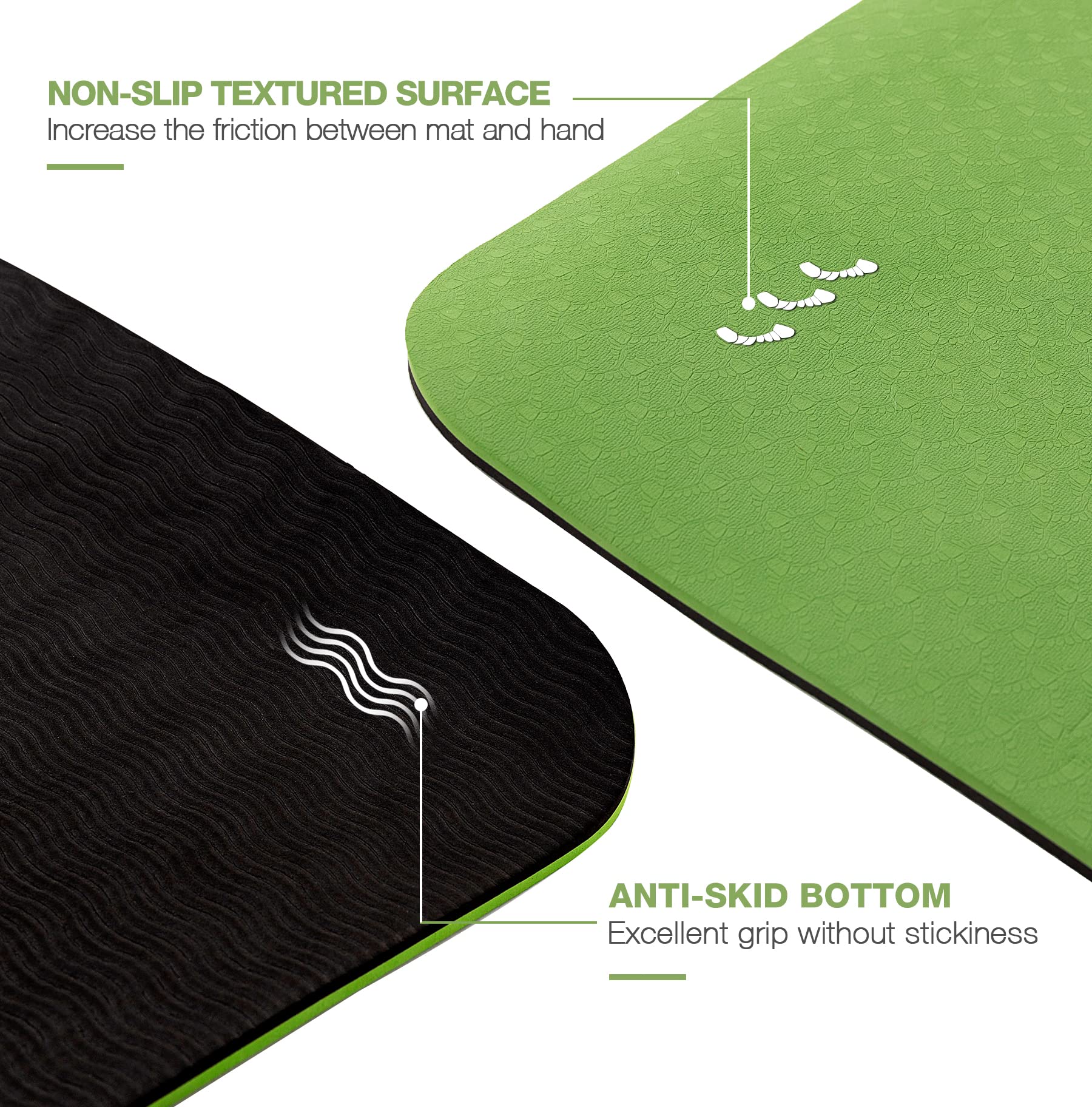
A yoga mat is one of the most versatile pieces of fitness equipment available, but many rehabilitation specialists and patients wonder whether it genuinely belongs in a therapy setting. The short answer is yes — a yoga mat can be highly suitable for rehabilitation and therapy programs, provided it meets the right performance and safety standards. Understanding exactly when and how a yoga mat serves recovery goals will help therapists and patients make smarter equipment decisions.
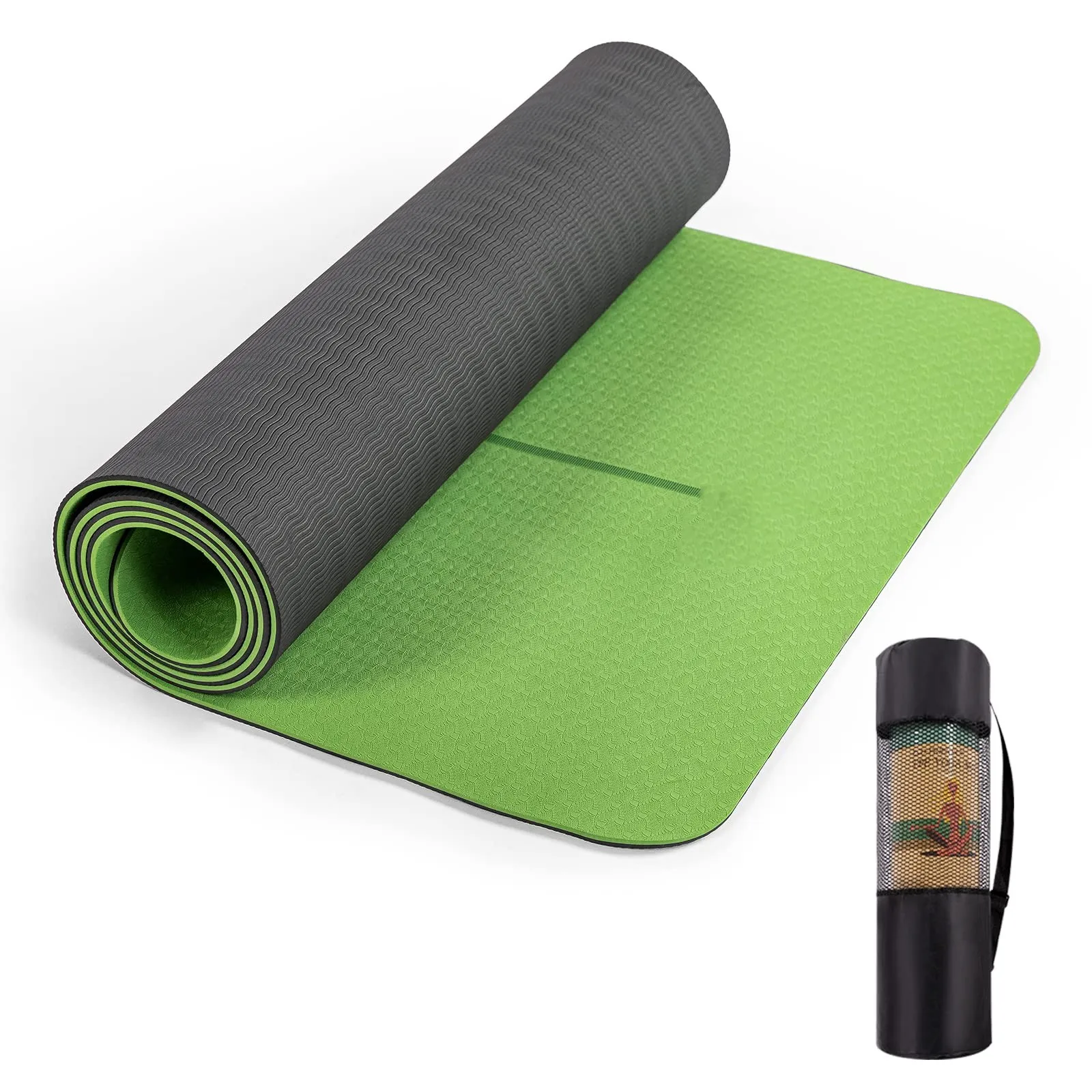
Rehabilitation programs vary widely, from post-surgical recovery and neurological therapy to musculoskeletal conditioning and chronic pain management. Across all of these contexts, a yoga mat provides a clean, cushioned, and non-slip surface that supports controlled movement. When a yoga mat is chosen with care, it becomes a foundational tool that enhances both the safety and effectiveness of therapeutic exercise routines.
The Role of a Yoga Mat in Rehabilitation Settings
Cushioning and Joint Protection
One of the primary reasons a yoga mat suits rehabilitation environments is its cushioning effect. Patients recovering from joint injuries, surgeries, or inflammatory conditions need a surface that absorbs impact and reduces stress on vulnerable areas. A yoga mat made from TPE or natural rubber provides firm yet forgiving padding that protects knees, hips, wrists, and ankles during floor-based exercises. Without a proper yoga mat, patients performing stretches or strengthening movements on a hard floor face unnecessary discomfort and increased injury risk.
Thickness matters significantly in a rehabilitation context. A yoga mat with at least 6mm of thickness offers more substantial joint support than standard 3mm mats. For elderly patients or those with bone density concerns, a thicker yoga mat reduces pressure points and allows longer sessions without fatigue or pain. Therapists increasingly specify mat thickness as part of their equipment recommendations, recognizing that the right yoga mat directly influences patient comfort and compliance.
Non-Slip Performance for Safe Movement
Stability is critical during rehabilitation. A yoga mat with a reliable non-slip surface prevents dangerous slides during weight-bearing exercises, balance training, and functional movement drills. When a patient is relearning motor control or rebuilding strength after an injury, even minor surface instability can cause falls or compensatory movement patterns that delay recovery. A high-quality yoga mat grips both the floor and the user's hands or feet, creating a secure exercise environment that supports confident movement.
For therapy clinics or home rehabilitation setups, a yoga mat that performs consistently on tile, hardwood, and carpet surfaces adds practical flexibility. Patients who use their yoga mat at home between supervised sessions benefit from knowing their surface is predictable and safe regardless of floor type. This consistency reduces accident risk and encourages patients to complete their prescribed exercise routines.
Key Features That Make a Yoga Mat Therapy-Ready
Material Safety and Hygiene Standards
In rehabilitation and therapy programs, material safety is not optional. Patients may have skin sensitivities, allergies, or immune vulnerabilities that make the choice of yoga mat material a genuine health consideration. A yoga mat made from eco-friendly TPE is free from harmful chemicals such as PVC additives, latex allergens, and toxic plasticizers. An ISO-certified yoga mat provides assurance that the product has been tested against recognized international safety standards, giving both clinicians and patients confidence in what they are using.
Hygiene is equally important in shared therapy environments. A yoga mat with a closed-cell surface prevents moisture and bacteria from penetrating the material, making it easier to sanitize between patient uses. Clinics that invest in a durable, easy-to-clean yoga mat reduce contamination risks while extending equipment lifespan. For home users, a yoga mat that resists odor buildup and maintains its surface texture after repeated cleaning remains functional and pleasant to use throughout a long recovery period.
Size, Weight, and Portability
A yoga mat used in rehabilitation should be large enough to accommodate the full range of therapeutic exercises without the patient stepping off the surface. Standard yoga mat dimensions often work well, but some therapy programs benefit from wider or longer versions that allow full-body movement. Patients dealing with coordination challenges or larger body frames particularly benefit from extra surface area. A yoga mat that is too small creates boundary anxiety and restricts natural movement flow during guided exercises.
Portability is a practical advantage of the yoga mat format. Unlike bulky rehabilitation equipment, a yoga mat rolls up compactly and can be transported between clinic sessions and home practice without difficulty. This lightweight design encourages patient adherence because the yoga mat is always accessible. For mobile therapists who conduct home visits, carrying a yoga mat to each session is straightforward and cost-effective compared to hauling heavier therapy tools.
When a Yoga Mat Alone Is Not Enough
High-Load and Post-Acute Recovery Scenarios
While a yoga mat is broadly suitable for rehabilitation, there are conditions where it functions as a complement rather than a complete solution. Patients requiring heavy resistance training, parallel bar walking, or hydrotherapy will need additional specialized equipment alongside their yoga mat. In post-acute hospital settings, a yoga mat typically supports the later stages of recovery — mobility exercises, stretching, gentle strengthening, and body awareness training — rather than early-stage intensive rehabilitation.
Therapists should evaluate each patient's specific recovery phase before introducing a yoga mat as the primary exercise surface. For individuals with severe balance impairments, a yoga mat may need to be paired with handrails, therapy balls, or other stabilizing aids. In these cases, the yoga mat still plays a meaningful supportive role, providing a clean and defined exercise zone that helps patients maintain spatial awareness during assisted movement.
Customizing the Yoga Mat for Specific Therapy Needs
Some rehabilitation programs benefit from pairing a yoga mat with accessory tools such as resistance bands, foam rollers, or massage balls. The yoga mat serves as the anchoring surface from which these tools are used. This layered approach allows therapists to design progressive programs where the yoga mat remains a constant, familiar element while the level of therapeutic challenge increases over time. Consistency with the same yoga mat throughout a recovery program also builds patient confidence and routine adherence.
FAQ
What thickness of yoga mat is best for rehabilitation exercises?
A yoga mat with 6mm or more of thickness is generally recommended for rehabilitation use. This level of cushioning provides adequate joint protection during floor exercises and reduces discomfort for patients with sensitive or recovering joints.
Can a yoga mat replace professional rehabilitation equipment?
A yoga mat is a valuable support tool in therapy programs but is not a substitute for specialized rehabilitation equipment. It works best alongside other therapeutic tools and under the guidance of a qualified therapist who can design a program appropriate to each patient's recovery needs.
How should a yoga mat be cleaned in a therapy clinic setting?
A yoga mat made from closed-cell TPE material can be wiped down with a mild disinfectant solution after each patient use. Avoid harsh chemicals that degrade the mat surface. Regular cleaning maintains hygiene standards and extends the useful life of the yoga mat in a shared clinical environment.