 EN
EN


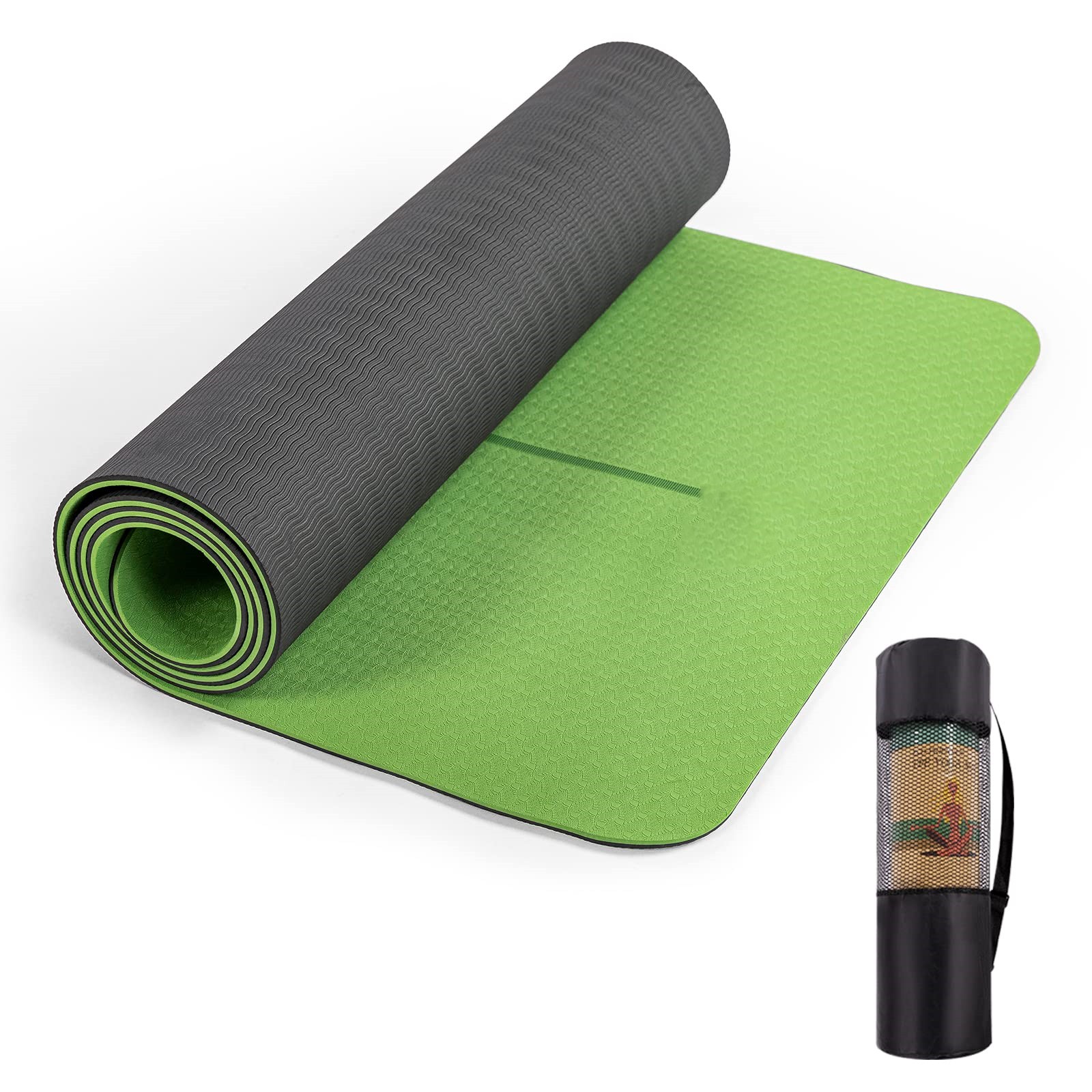
The global demand for a high-quality yoga mat has grown significantly over the past decade, and with that growth comes an increasingly urgent question: can yoga mat manufacturers genuinely support sustainable material sourcing? As consumers and B2B buyers become more environmentally aware, the pressure on every yoga mat producer to demonstrate responsible sourcing practices has never been stronger. This shift is not a passing trend — it represents a structural change in how the yoga mat industry must operate going forward.
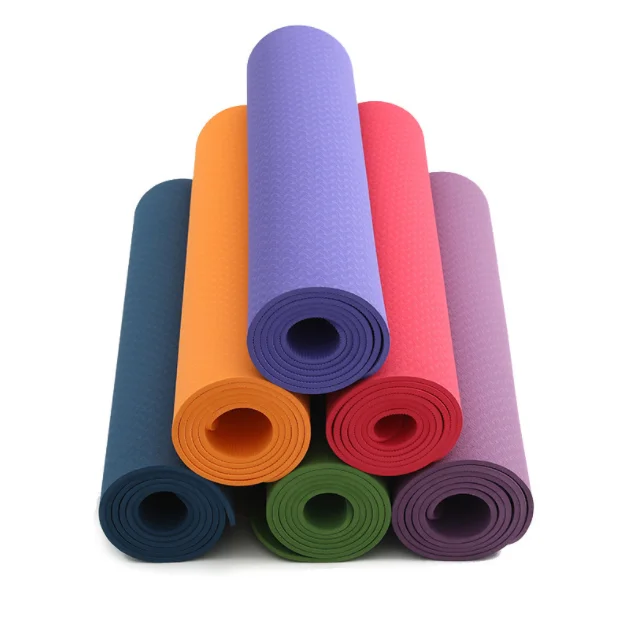
A yoga mat is no longer evaluated solely on grip, thickness, or color. Buyers now scrutinize what a yoga mat is made from, how its raw materials are sourced, and what environmental footprint the manufacturing process leaves behind. For businesses sourcing yoga mat products at scale, understanding the realistic capacity of manufacturers to support sustainable material choices is essential to making informed purchasing and partnership decisions.
The Material Reality Behind Sustainable Yoga Mat Production
Why Material Choice Defines Sustainability Potential
The foundation of any sustainable yoga mat starts with its base material. Traditional yoga mat products were commonly made from PVC, a material that is durable but difficult to recycle and associated with harmful plasticizers. Today, manufacturers who are serious about sustainability have largely transitioned toward alternatives such as TPE, natural rubber, cork, and jute. Each of these materials carries a different sustainability profile, and responsible yoga mat sourcing means understanding those differences clearly.
TPE, or thermoplastic elastomer, has become one of the most widely adopted materials for an eco-conscious yoga mat because it is recyclable, free from heavy metals, and manufactured without toxic additives. A TPE yoga mat can often be processed and reused at the end of its lifecycle, which is a significant advantage over PVC. When a yoga mat manufacturer sources certified TPE compounds from verified suppliers, they are taking a measurable step toward responsible material procurement that aligns with sustainability goals.
How Raw Material Certification Supports Responsible Sourcing
Material certification is one of the clearest indicators of whether a yoga mat manufacturer has embedded sustainability into their supply chain. Certifications such as REACH compliance, OEKO-TEX, and RoHS signal that the materials used in a yoga mat have been tested and verified against strict environmental and health standards. A yoga mat sourced from a manufacturer holding these certifications gives B2B buyers confidence that the product meets internationally recognized benchmarks for material safety and environmental responsibility.
Beyond certification, traceability matters. A yoga mat manufacturer that can trace the origin of its raw materials — from the rubber plantation or polymer production facility all the way to the finished yoga mat — provides buyers with a verifiable chain of custody. This level of transparency is increasingly expected in B2B procurement, especially for brands positioning their yoga mat offering around sustainability credentials.
Manufacturing Practices That Enable Sustainable Yoga Mat Sourcing
Production Efficiency and Waste Reduction
Sustainable sourcing for a yoga mat does not end with the raw material. The production process itself has a direct impact on the overall environmental footprint of every yoga mat that leaves a factory. Manufacturers who invest in energy-efficient machinery, closed-loop water systems, and lean production methods significantly reduce the resource consumption associated with each yoga mat unit. Waste minimization during the cutting and forming stages means that fewer yoga mat offcuts end up in landfill.
Some yoga mat manufacturers have also implemented take-back or recycling programs for defective yoga mat products and production waste. These initiatives reflect a genuine commitment to circular economy principles, where the lifecycle of a yoga mat is considered holistically rather than ending at the point of sale. For B2B buyers, partnering with a yoga mat manufacturer that demonstrates this operational discipline is a meaningful differentiator in supplier selection.
Packaging and Logistics Considerations for a Yoga Mat
Sustainable yoga mat sourcing extends to how the yoga mat is packaged and shipped. A manufacturer committed to environmental responsibility will offer yoga mat packaging options made from recycled or biodegradable materials, minimizing single-use plastic across the supply chain. Consolidated shipment planning for large yoga mat orders also reduces per-unit carbon emissions associated with transportation. These logistics-level choices reinforce the credibility of a manufacturer's broader sustainability claims.
When evaluating a yoga mat supplier, B2B buyers should request specifics about yoga mat packaging materials, shipment consolidation policies, and any third-party environmental audits the manufacturer has undergone. These questions help separate genuine sustainability commitment from surface-level green marketing, ensuring that the yoga mat sourcing decision supports real environmental outcomes rather than just favorable optics.
What B2B Buyers Should Expect From a Sustainable Yoga Mat Manufacturer
Customization Without Compromising Sustainability
One concern among B2B buyers is whether customization options — such as branded logo printing, custom colors, or unique yoga mat dimensions — come at the cost of sustainability. The good news is that capable yoga mat manufacturers have developed customization processes that are compatible with eco-friendly materials and low-impact printing methods. Water-based inks and dye-free surface treatments can be applied to a yoga mat without introducing harmful substances into the product or the production environment.
A yoga mat manufacturer that offers full customization alongside verified sustainable material sourcing demonstrates a mature production capability. For brands building an eco-conscious product line, this combination is exactly what makes a long-term yoga mat supply partnership viable. The ability to source a yoga mat that carries your brand identity while meeting your sustainability standards is no longer a compromise — it is an achievable expectation from qualified manufacturers.
Transparency, Auditing, and Ongoing Supplier Accountability
Sustainable yoga mat sourcing is not a one-time audit event — it is an ongoing relationship built on transparency and accountability. Manufacturers who actively share factory audit reports, material test results, and environmental impact data demonstrate the operational maturity that serious B2B yoga mat buyers need. Regular third-party factory audits for social and environmental compliance add another layer of assurance that the yoga mat supply chain remains aligned with declared sustainability values over time.
B2B buyers sourcing yoga mat products at volume should establish clear sustainability criteria as part of their supplier qualification process. This includes requesting documentation on yoga mat material sourcing, production waste management practices, and any ongoing certifications held by the manufacturer. Building these requirements into yoga mat procurement frameworks ensures that sustainability remains a core performance indicator rather than a one-time conversation.
FAQ
What materials make a yoga mat genuinely sustainable?
A sustainable yoga mat is typically made from materials such as TPE, natural rubber, cork, or jute rather than PVC. TPE is especially valued because a TPE yoga mat is recyclable and free from toxic additives. The sustainability of any yoga mat also depends on certified sourcing, low-impact production processes, and responsible end-of-life disposal options.
How can B2B buyers verify that a yoga mat manufacturer sources materials responsibly?
B2B buyers should request material certifications such as REACH, OEKO-TEX, or RoHS from any yoga mat manufacturer under consideration. Traceability documentation that tracks raw materials from origin to finished yoga mat product is also important. Third-party factory audits and published sustainability reports provide additional evidence that responsible yoga mat sourcing practices are consistently maintained.
Is it possible to get a customized yoga mat while still meeting sustainability standards?
Yes. Qualified yoga mat manufacturers can deliver fully customized yoga mat products — including branded logos, custom dimensions, and specific color profiles — using eco-friendly materials and low-impact printing techniques. Water-based inks and non-toxic surface treatments allow a customized yoga mat to meet sustainability requirements without sacrificing visual quality or brand differentiation.