 EN
EN


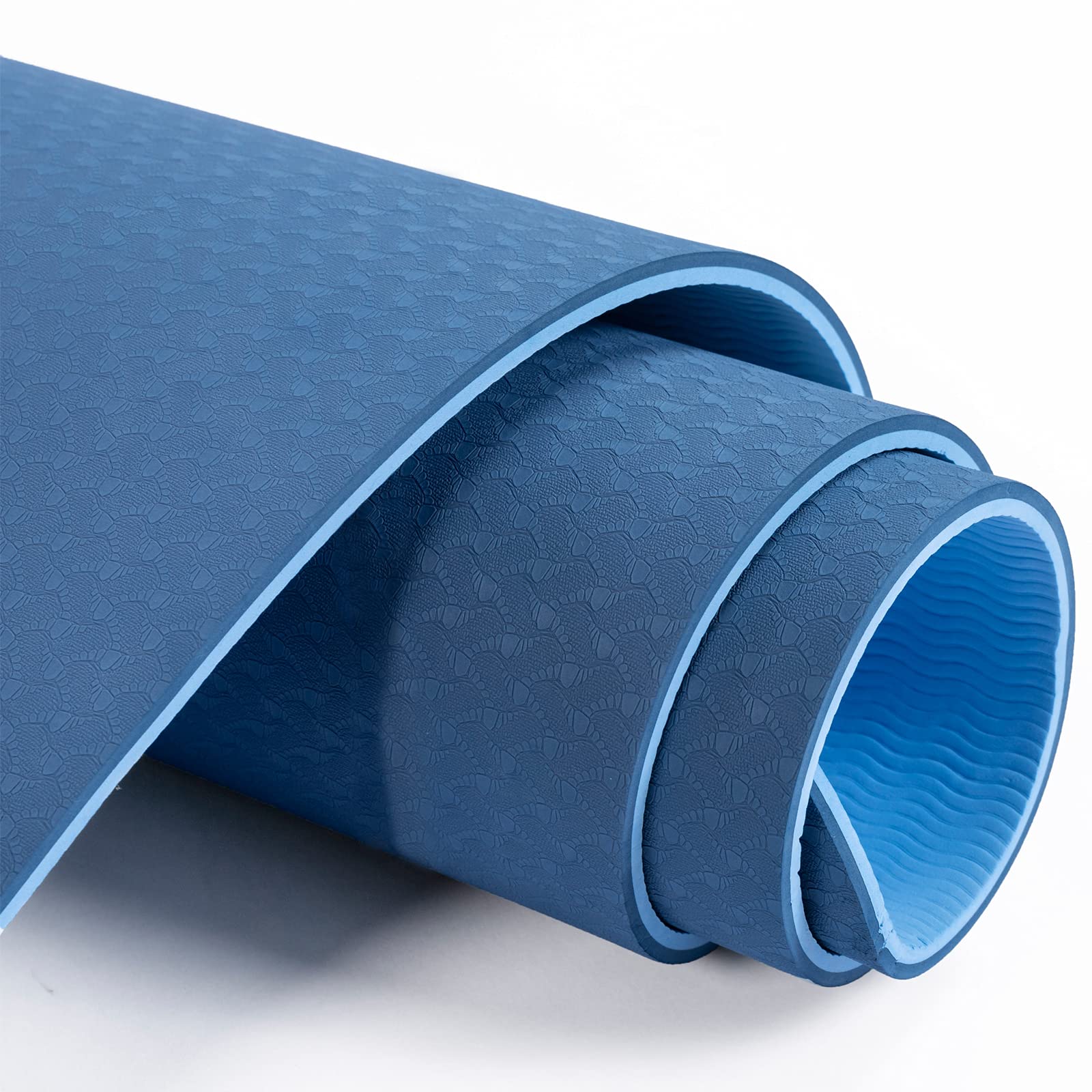
The question of whether a yoga mat can truly support Pilates and stretching workout sessions is one that many fitness enthusiasts and studio owners ask before making a purchase decision. At first glance, a yoga mat appears purpose-built for yoga postures alone, but the reality is far more versatile. Understanding what makes a yoga mat functional across multiple disciplines is essential for anyone looking to get the most out of a single piece of equipment.
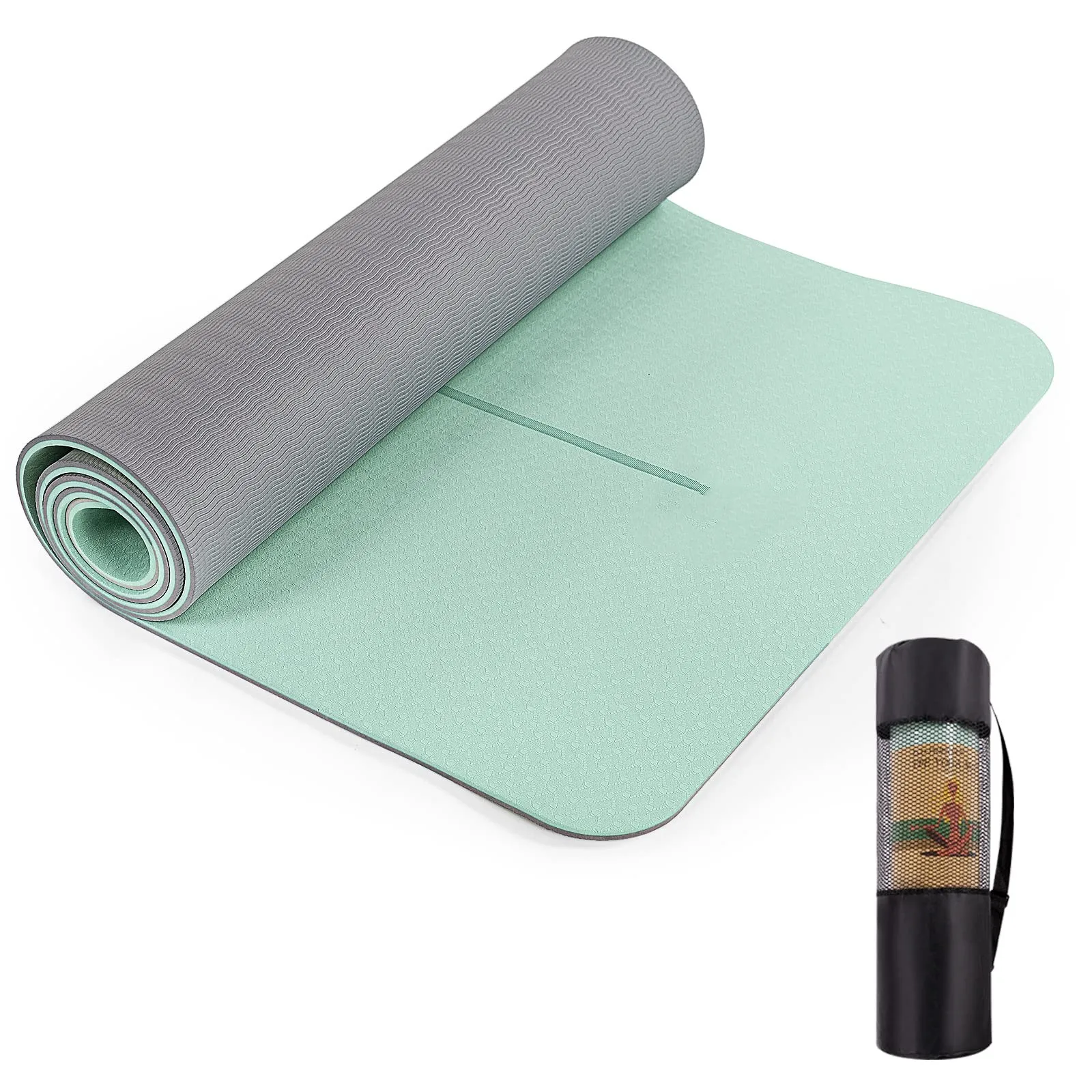
A well-designed yoga mat offers a combination of grip, cushioning, and surface stability that directly benefits both Pilates routines and full-body stretching. The core properties of a yoga mat — non-slip texture, adequate thickness, and durable material — translate naturally into the demands of floor-based exercise beyond yoga itself. This article examines whether a yoga mat can genuinely meet those demands and what specific features make it suitable for broader use.
How a Yoga Mat Serves Multiple Workout Disciplines
Surface Grip and Stability for Pilates Movements
Pilates relies heavily on controlled, precise movements that require a stable surface beneath the body. A yoga mat with a textured, non-slip surface provides exactly the kind of grip that prevents unwanted slipping during leg circles, rolling exercises, and core engagement sequences. When practitioners perform Pilates on a yoga mat, the mat holds the body in position, allowing muscle activation to remain the focus rather than balance correction. This is particularly important during single-leg movements where stability is critical.
A yoga mat also defines the workout zone clearly. The edges of the yoga mat serve as natural spatial guides for movement patterns, helping practitioners stay aligned and aware of their positioning throughout a session. This spatial awareness benefit applies equally to Pilates and yoga, making the yoga mat a practical tool for both disciplines.
Cushioning Support During Stretching Sessions
Stretching workouts place repeated pressure on the knees, hips, spine, and elbows as the body reaches into extended positions. A yoga mat with sufficient thickness — typically 6mm to 8mm — absorbs this pressure and protects joints from hard floor contact. Whether performing seated hamstring stretches, lying spinal twists, or deep hip flexor lunges, a yoga mat provides the padding necessary to hold positions comfortably for longer durations. This comfort is directly linked to performance, since practitioners are more likely to sustain stretches properly when joint discomfort is minimized.
Key Features That Make a Yoga Mat Work for Pilates
Material and Thickness Considerations
The material of a yoga mat plays a decisive role in its suitability for Pilates and stretching. TPE (thermoplastic elastomer) yoga mats are increasingly favored because they combine softness with resilience, maintaining their shape under repeated use. A yoga mat made from TPE offers a closed-cell surface that resists moisture, which is important during dynamic Pilates sequences that generate perspiration. Unlike thinner yoga mats designed purely for balance poses, an 8mm thick yoga mat delivers the extra cushioning that Pilates floor work genuinely requires.
Density matters as much as thickness. A yoga mat that compresses too easily under body weight loses its protective cushioning mid-session. A high-density yoga mat maintains its structure throughout extended Pilates routines, ensuring consistent support from the first movement to the last. Buyers evaluating a yoga mat for multi-use purposes should always assess both thickness and material density together.
Size and Portability for Studio and Home Use
A standard yoga mat measures approximately 61cm by 173cm, which is sufficient for most yoga sequences. However, Pilates and stretching movements often involve wider lateral reaches, longer spinal extensions, and full-body rolling patterns that may exceed this footprint. A wider or longer yoga mat — sometimes called an extended yoga mat — accommodates these larger movement ranges without restriction. For studio owners or wholesale buyers, selecting a yoga mat with generous dimensions ensures the product serves a broader customer base with varied workout preferences.
Portability remains an important factor even when a yoga mat is used for multiple workout types. A lightweight yoga mat that rolls tightly and includes a carrying strap allows users to transition easily between home, studio, and outdoor environments. A yoga mat that is both functional and portable encourages consistent use across disciplines, which is the fundamental goal for anyone investing in versatile fitness equipment.
Practical Guidance for Choosing a Multi-Use Yoga Mat
Evaluating Non-Slip Performance Across Activities
Non-slip performance is the single most important criterion when selecting a yoga mat intended for Pilates and stretching in addition to yoga. A yoga mat should maintain grip whether the user is barefoot or wearing socks, and whether the surface is dry or lightly moist. Testing grip by placing hands and feet firmly on the yoga mat and applying lateral pressure reveals how well the mat resists movement. A yoga mat that shifts during this test is unlikely to perform reliably during dynamic Pilates transitions.
The underside of a yoga mat is equally important. A yoga mat with a textured bottom surface adheres to hardwood, tile, and carpet floors without sliding, which protects both the user and the floor itself. Multi-use buyers should inspect both the top and bottom surfaces of any yoga mat before committing to a purchase, particularly when the yoga mat will be used on a variety of floor types across different workout settings.
Eco-Friendly Materials and Longevity
Durability directly affects the value of a yoga mat used across multiple workout types. A yoga mat subjected to daily Pilates sessions and frequent stretching routines must resist surface wear, edge fraying, and material degradation over time. Eco-friendly TPE yoga mats typically offer strong durability alongside environmental responsibility, making them a practical choice for gyms and studios focused on sustainability. A yoga mat that retains its grip, cushioning, and structural integrity after heavy use provides consistent performance that justifies the investment.
FAQ
Is a yoga mat thick enough for Pilates floor exercises?
A yoga mat with a thickness of 6mm to 8mm is generally sufficient for most Pilates floor exercises. An 8mm yoga mat provides enhanced joint protection during rolling and spinal exercises, making it a preferred choice for dedicated Pilates practitioners who use a yoga mat as their primary surface.
Can a yoga mat replace a Pilates mat entirely?
A high-quality yoga mat can serve effectively as a Pilates mat for the majority of studio and home exercises. The key is selecting a yoga mat with adequate thickness, non-slip texture, and durable material. While specialized Pilates mats are slightly thicker, a premium yoga mat bridges the gap well for most users.
How do I maintain a yoga mat used for multiple workouts?
Clean your yoga mat regularly with a mild solution of water and gentle soap, then allow it to air dry fully before rolling it up. Avoid exposing the yoga mat to direct sunlight for extended periods, as UV exposure can degrade the material. Proper care extends the lifespan of a yoga mat and preserves its grip and cushioning across all workout types.