 EN
EN


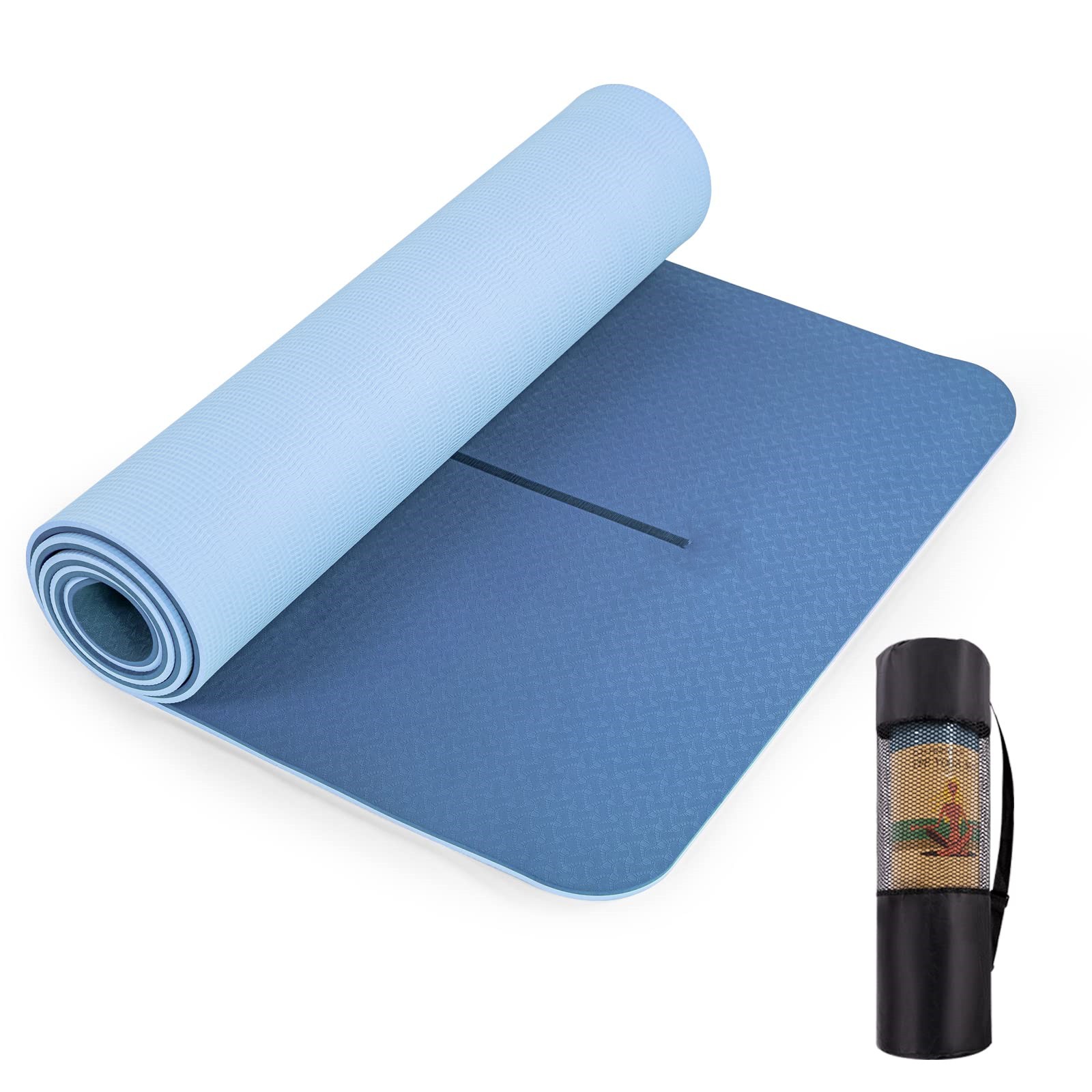
A high-quality yoga mat is one of the most personal pieces of fitness equipment a practitioner can own, and the surface texture of that yoga mat plays a decisive role in the overall experience. Consumers today are not simply looking for any yoga mat — they are actively seeking a yoga mat with a non-slip surface that delivers reliable grip, stability, and confidence through every pose and movement.
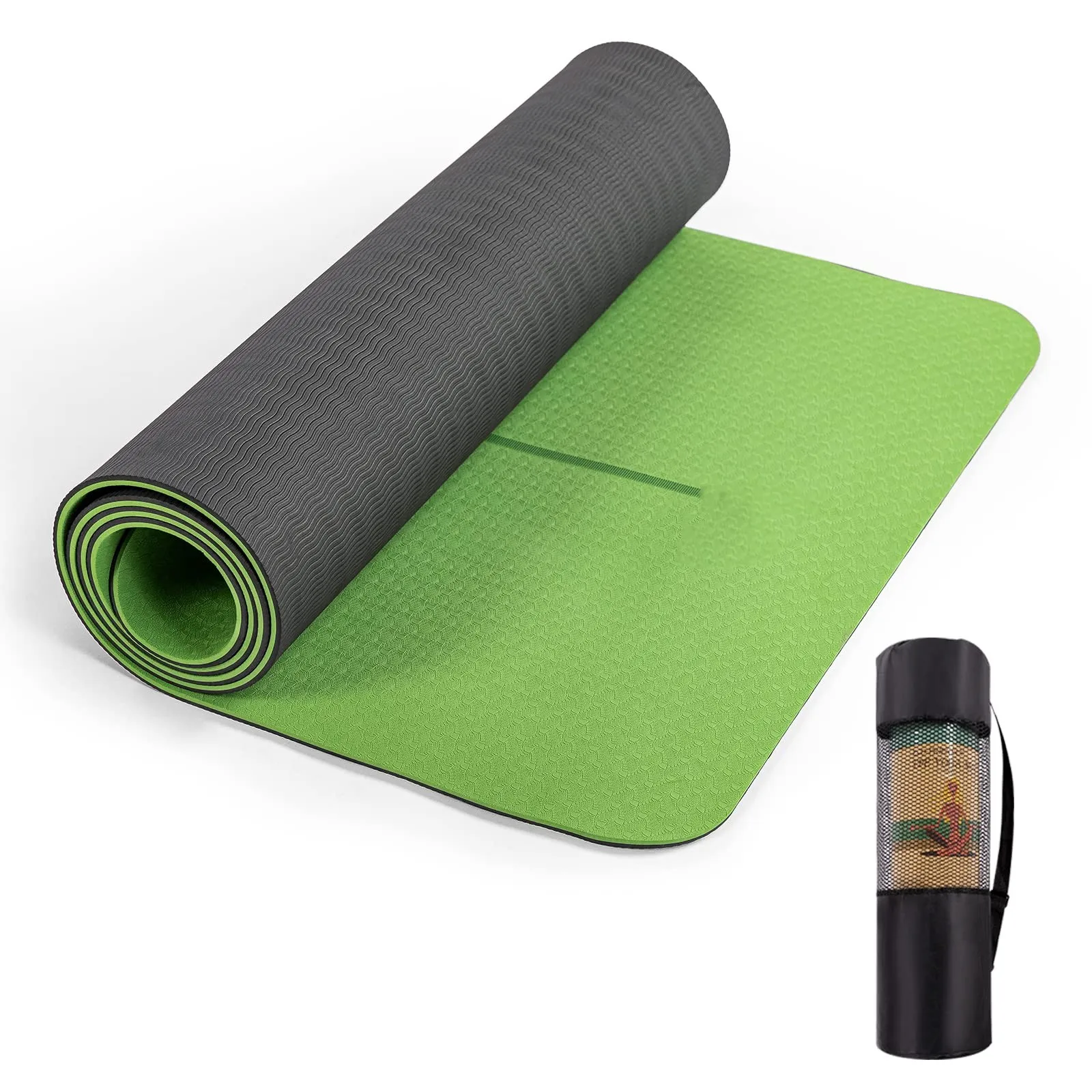
The preference for non-slip yoga mat surfaces is not a passing trend. It reflects a deeper understanding of what makes a yoga mat truly functional. Whether a practitioner is holding a downward dog for sixty seconds or transitioning through a fast-paced vinyasa flow, the yoga mat surface must support every movement without shifting, bunching, or causing the hands and feet to slide. This article explores the core reasons why consumers consistently choose a yoga mat designed with non-slip properties at the forefront.
Safety and Injury Prevention on a Yoga Mat
The Role of Grip in Reducing Injury Risk
The most immediate reason consumers prefer a non-slip yoga mat surface is personal safety. When a yoga mat fails to grip the floor or fails to hold the practitioner's hands and feet in place, the risk of slipping and sustaining an injury increases significantly. A yoga mat with a textured, non-slip surface reduces this risk by creating consistent friction between the mat and the ground, as well as between the mat and the body. This is especially important for beginners who are still developing body awareness and balance on the yoga mat.
Experienced practitioners also rely on the non-slip quality of a yoga mat to hold advanced poses safely. When the yoga mat surface is stable and grippy, the practitioner can focus entirely on alignment and breath rather than worrying about whether the yoga mat will shift beneath them. A yoga mat that stays in place removes a major source of physical anxiety during practice.
Wet Conditions and Sweat Management
Sweat is a natural part of any active yoga session, and it directly affects yoga mat performance. A yoga mat with a standard smooth surface can become dangerously slippery when moisture builds up. A non-slip yoga mat surface, particularly one made from open-cell or textured TPE material, maintains its grip even as sweat accumulates. Consumers who practice hot yoga, power yoga, or high-intensity flows specifically seek out a yoga mat engineered to handle wet conditions. A yoga mat that performs consistently in these demanding environments earns strong consumer loyalty.
Performance and Stability During Practice
How Surface Texture Supports Posture and Alignment
A yoga mat surface that provides non-slip traction does more than prevent accidents — it actively improves practice quality. When the yoga mat holds its position and the practitioner's limbs stay firmly planted, the body can move through poses with greater precision. A stable yoga mat allows for deeper stretches, cleaner transitions, and more accurate weight distribution. Consumers who take their practice seriously understand that a quality yoga mat is a performance tool, not merely a cushioning layer.
Surface texture on a yoga mat also provides tactile feedback. As the hands and feet press into the yoga mat, the subtle texture confirms points of contact and helps the practitioner make micro-adjustments in real time. This kind of sensory information from the yoga mat surface contributes to better posture, stronger alignment, and a more mindful practice overall. A yoga mat that communicates through texture becomes an extension of the practitioner's awareness.
Durability and Long-Term Surface Integrity
Consumers also consider how well a yoga mat maintains its non-slip properties over time. A yoga mat that loses its grip after a few months of regular use quickly becomes a source of frustration. High-quality non-slip yoga mat surfaces, particularly those made from eco-friendly TPE materials, are engineered to retain their texture and grip through extended daily use. When a yoga mat sustains its performance properties over a long lifespan, consumers perceive greater value and are more likely to recommend that yoga mat to others in their community.
Comfort, Confidence, and the Consumer Mindset
Psychological Confidence from a Reliable Yoga Mat
Beyond the physical benefits, a non-slip yoga mat surface has a meaningful psychological impact on the practitioner. When a consumer knows their yoga mat will not slip, they approach each session with greater confidence and mental calm. This sense of security allows the mind to focus on breathing, mindfulness, and intentional movement rather than on managing an unreliable yoga mat. A yoga mat that inspires trust contributes directly to the quality of the practice experience, and consumers clearly recognize this connection.
For consumers who practice at home, in a studio, or outdoors, this confidence becomes even more important. A yoga mat used on hardwood floors, tiles, or grass must grip reliably regardless of the surface beneath it. A non-slip yoga mat that works consistently across different environments gives the consumer flexibility without compromising safety. This versatility adds significant perceived value to the yoga mat and strengthens the consumer's preference for non-slip designs.
Material Choices That Drive Non-Slip Preferences
The materials used in a yoga mat directly determine its non-slip performance. TPE yoga mat construction, for example, combines density, flexibility, and surface texture in a way that delivers reliable grip without using harmful chemicals. Consumers who prioritize both performance and environmental responsibility are drawn to a yoga mat made from eco-certified, non-toxic materials. An eco-friendly yoga mat that also performs at a high level satisfies multiple consumer values simultaneously, making the non-slip yoga mat an easy and confident purchase decision.
FAQ
Why does a non-slip yoga mat surface matter for beginners?
A non-slip yoga mat surface is especially important for beginners because it provides the stability needed to learn proper alignment without the fear of slipping. A reliable yoga mat allows new practitioners to build confidence and body awareness safely from the very first session.
How do I maintain the non-slip properties of my yoga mat?
To preserve the grip of a yoga mat, clean it regularly with a mild solution of water and gentle soap, then allow the yoga mat to air dry completely before rolling it up. Avoid exposing the yoga mat to direct sunlight for extended periods, as UV exposure can degrade the surface texture over time.
Is a TPE yoga mat a good choice for non-slip performance?
Yes, a TPE yoga mat is widely regarded as an excellent choice for non-slip performance. The material provides natural texture and density that creates reliable grip on both the floor-facing and body-facing sides of the yoga mat, making it a practical and eco-friendly option for all practice levels.