 EN
EN


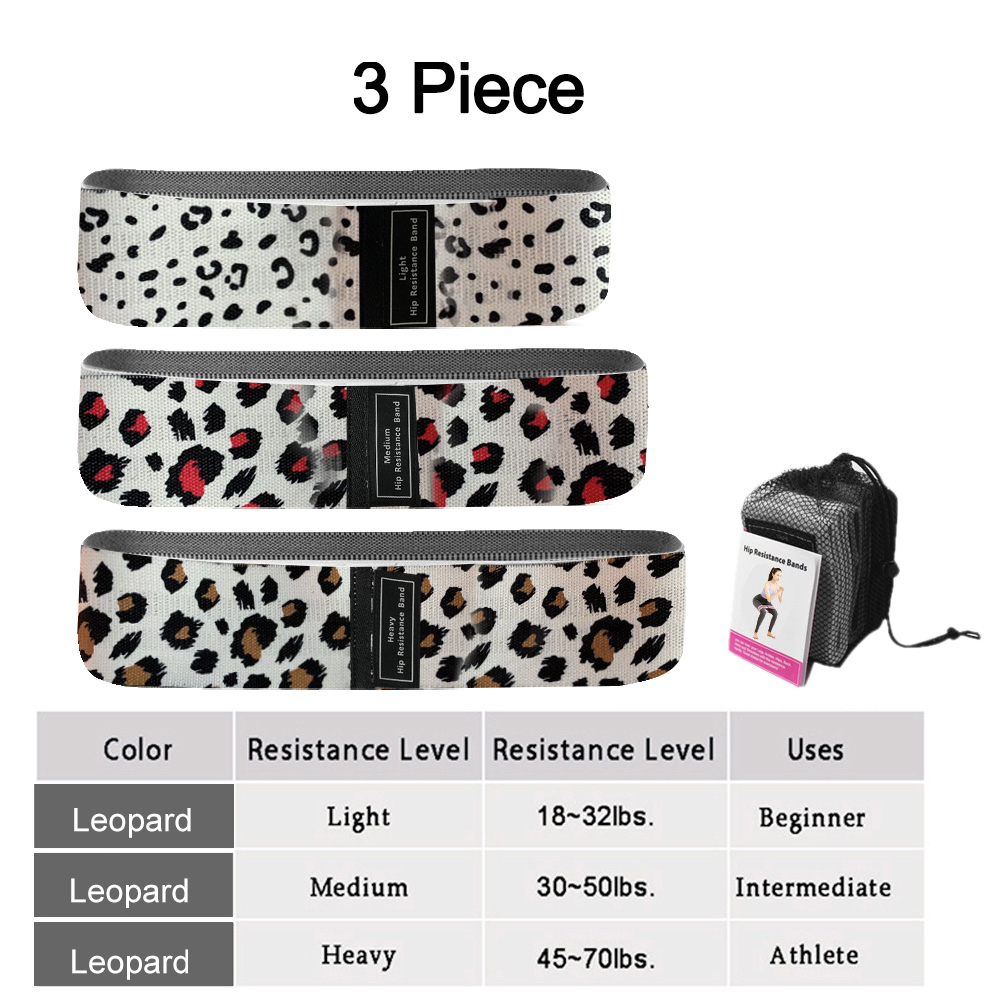
The hip band has become one of the most commercially versatile fitness accessories in the modern market. As OEM fitness equipment branding projects grow in scale and ambition, brand owners and equipment distributors are asking a straightforward question: can a hip band product truly support a custom branding initiative from end to end? The short answer is yes, and this article explains exactly how and why.
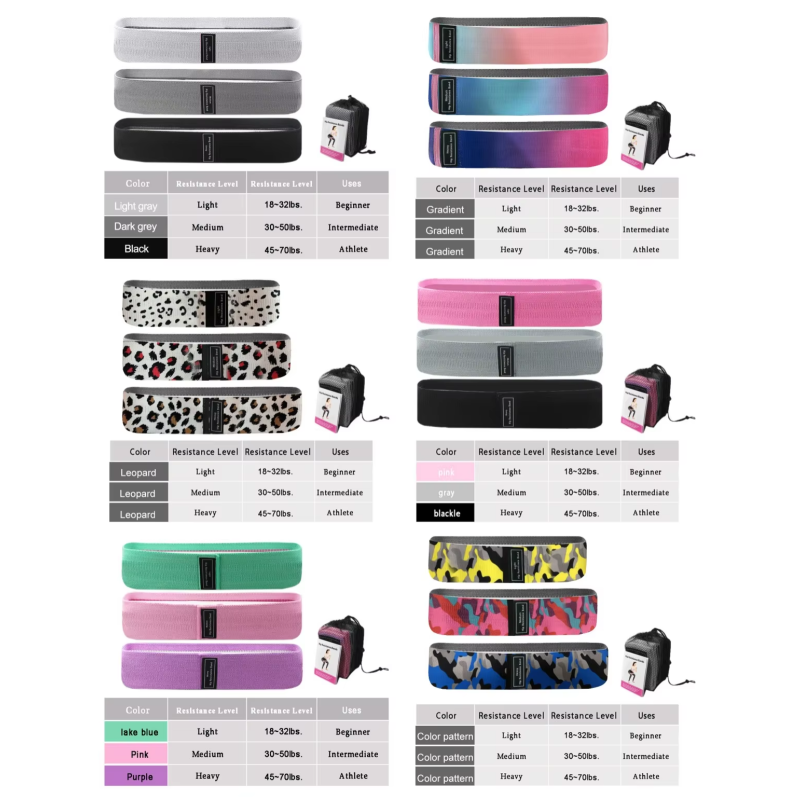
A hip band is no longer just a simple resistance accessory. It has evolved into a branded touchpoint that carries a company's visual identity, communicates product quality, and reinforces customer loyalty. For fitness equipment brands looking to launch or expand their OEM product lines, the hip band category offers a compelling combination of high consumer demand, straightforward customization potential, and strong perceived value. Understanding how hip band products fit into a broader OEM branding strategy is essential for any brand aiming to compete effectively in today's fitness market.
OEM Compatibility of Hip Band Products
Why Hip Band Items Are Naturally OEM-Friendly
A hip band is one of the most OEM-ready fitness accessories available. Its construction — typically involving fabric, latex, or a combination of both — lends itself to a wide range of surface treatments, color applications, and label placements. Brand logos can be woven directly into the hip band fabric, printed on silicone grip strips, or embroidered onto the product surface. This versatility means that a hip band can carry a brand's identity visibly and durably throughout its product lifespan. Manufacturers who specialize in OEM fitness accessories have developed hip band production lines specifically to accommodate custom specifications at scale.
Customization Scope for Each Hip Band Order
When a brand places an OEM order for a hip band, the customization scope typically extends beyond just the logo. Colors, resistance levels, width dimensions, material blends, and packaging design can all be tailored per order. A hip band can be produced in light, medium, heavy, or extra-heavy resistance variants, allowing brands to offer complete sets under a unified visual identity. The packaging for each hip band — whether a cotton drawstring bag, a printed poly bag, or a rigid box — also serves as a branding canvas. This level of customization makes the hip band an ideal product for fitness brands that want a fully cohesive product presentation.
Brand Value Creation Through Hip Band Products
How a Hip Band Builds Brand Recognition
Every time a consumer uses a branded hip band, they are interacting with the brand directly. A hip band is a tactile, functional product used in regular training sessions, which means brand exposure is both frequent and personal. Unlike passive brand placements, a hip band in active use communicates performance association — linking the brand to fitness goals, effort, and results. For OEM fitness equipment brands, this makes the hip band a high-value item within a broader product lineup. Brands that invest in quality materials and clean visual branding on each hip band create a lasting impression that extends well beyond the initial purchase.
Hip Band Products as Part of a Branded Kit
A hip band works exceptionally well as part of a branded fitness kit or bundle. Many OEM brands package a hip band alongside other accessories such as resistance loops, mini bands, or training guides to create a complete branded offering. This strategy increases average order value while reinforcing the brand's identity across multiple product touchpoints. When every item in the kit — including the hip band — carries consistent branding, the overall perception of the brand's professionalism and quality rises significantly. A well-executed hip band kit can become a signature product line that defines a brand's market positioning.
Practical Considerations for OEM Hip Band Projects
Minimum Order Quantities and Lead Times
For brands entering OEM hip band production, understanding minimum order quantities is a key planning step. Most OEM manufacturers set minimum order quantities for a hip band at levels that balance production efficiency with brand affordability. These minimums vary depending on the complexity of the customization — a hip band with a simple printed logo typically has a lower minimum order than one with full custom weaving or embroidery. Lead times for a hip band order generally range from three to six weeks depending on customization depth, material sourcing, and factory schedule. Brands should account for these timelines when planning seasonal launches or campaign-specific product drops.
Quality Assurance in Hip Band OEM Production
Quality consistency is critical when producing a branded hip band at scale. OEM brands need to verify that each hip band meets defined standards for elasticity retention, stitching durability, colorfastness, and comfort during use. Requesting pre-production samples is a standard step before committing to a full hip band production run. Brands should also specify testing standards for the hip band material — particularly for latex content declarations if the product will be sold in markets with allergen labeling requirements. A reliable OEM partner will provide documentation that each hip band batch meets the agreed specifications, protecting the brand's reputation in the market.
FAQ
Can a small fitness brand afford OEM hip band production?
Yes. Many hip band OEM manufacturers offer tiered minimum order quantities that make custom production accessible for smaller brands. Starting with a focused range — such as a single resistance level hip band with a clean logo treatment — keeps initial costs manageable while still delivering a professional branded product.
What materials are most commonly used in a custom hip band?
The most common materials for a custom hip band include fabric blends such as polyester-cotton combinations, latex layers for resistance, and non-slip silicone strip applications on the inner surface. The specific material choice for each hip band depends on the target resistance level, intended end user, and brand quality positioning.
How is a hip band logo typically applied in OEM production?
Logo application methods for a hip band include woven labels, heat-transfer printing, silicone printing, and embroidery. The best method for each hip band depends on the material type and the complexity of the logo design. Woven labels on a hip band offer durability and a premium feel, while silicone printing allows for bold and colorful visual impact.