 EN
EN


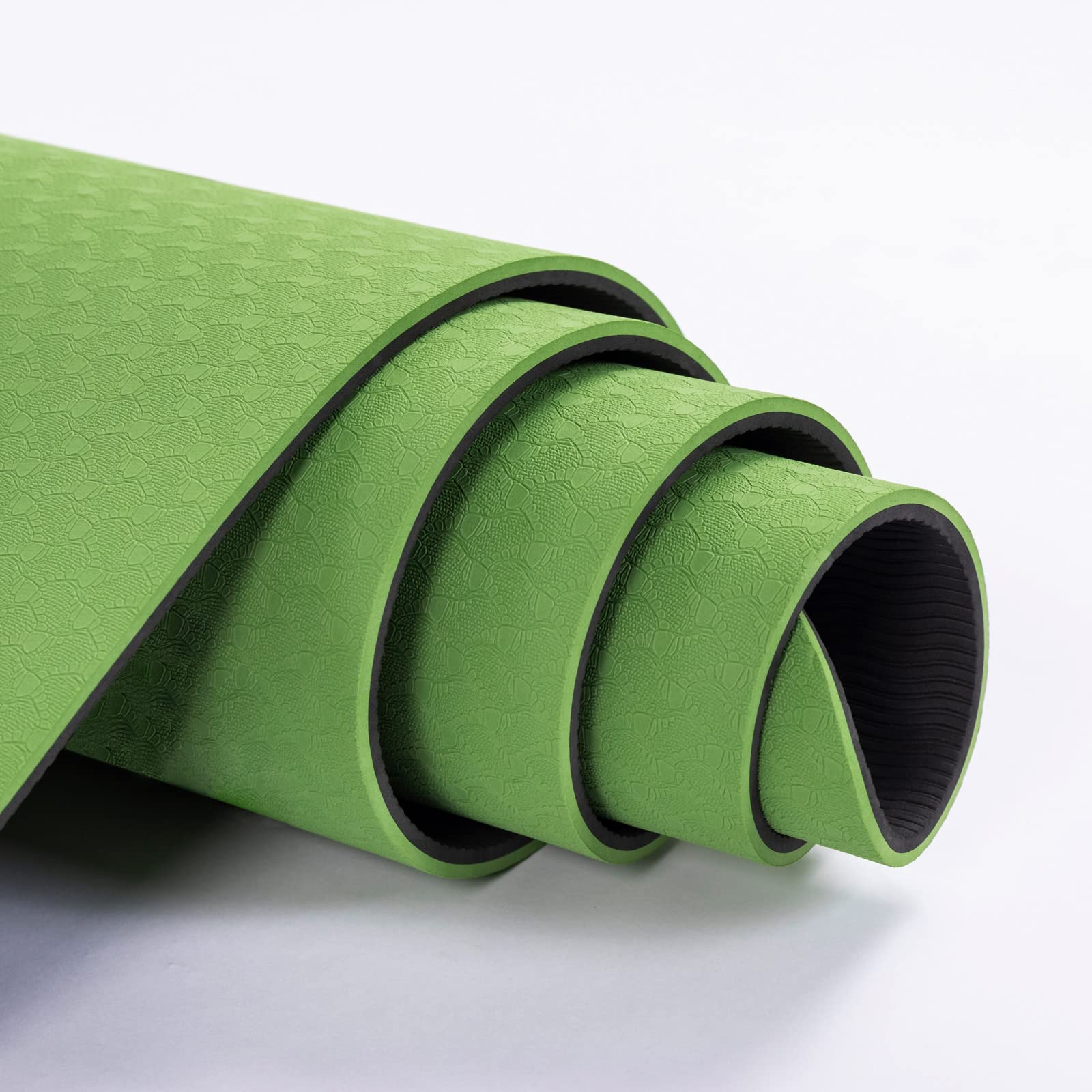
A yoga mat is far more than a simple piece of foam laid on the floor. When it comes to balance exercises, the yoga mat plays a direct and measurable role in how well your body can stabilize itself, maintain posture, and respond to movement. Understanding how a yoga mat supports balance can help you train more safely, build strength more efficiently, and reduce the risk of injury during challenging poses and drills.
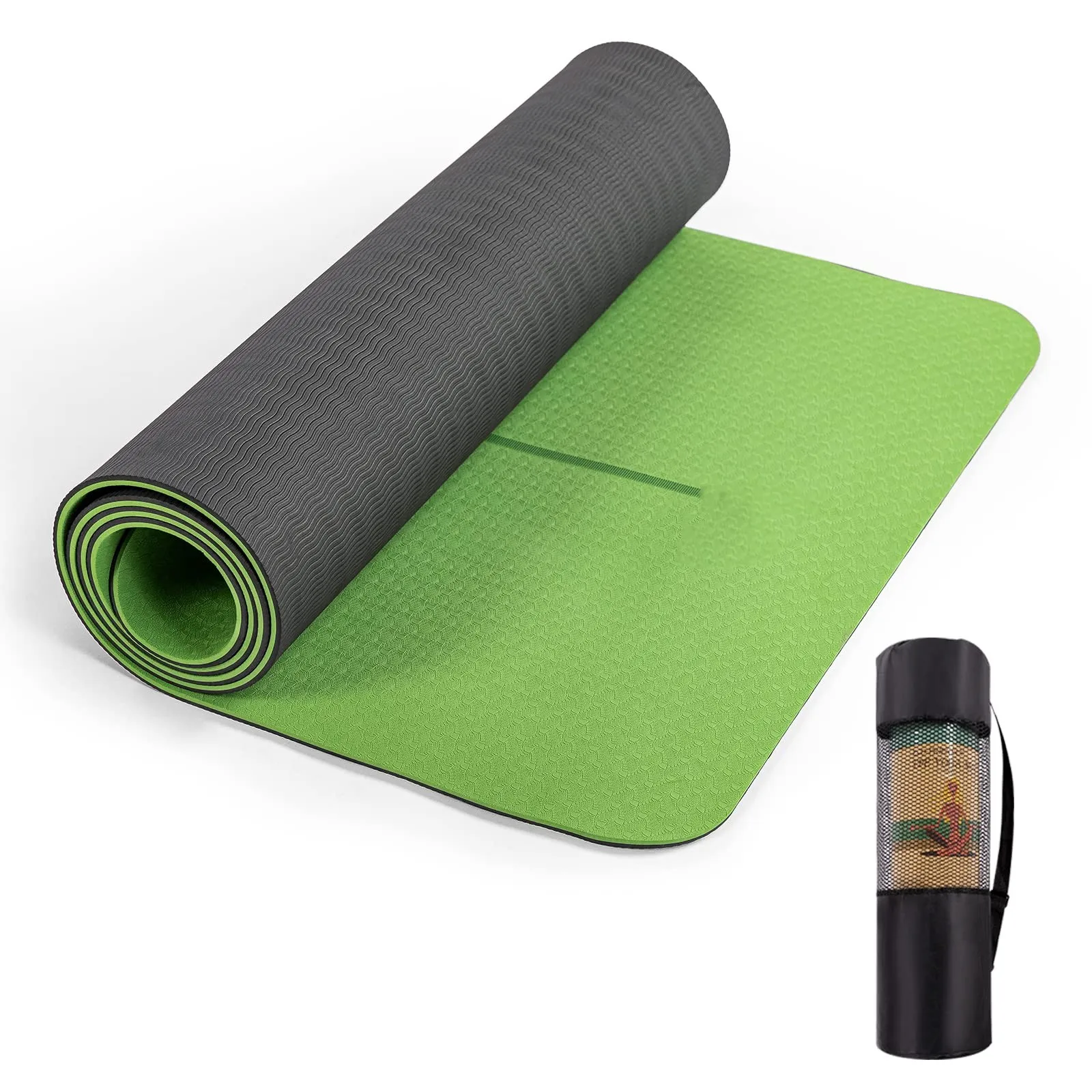
Whether you are practicing yoga, performing single-leg stands, or working through physiotherapy-inspired routines, the yoga mat beneath your feet influences every aspect of your stability. The right yoga mat provides the correct combination of grip, surface feedback, and cushioning to allow your muscles and nervous system to work together effectively. This article breaks down exactly how a yoga mat enhances stability during balance exercises and what material and design features make the biggest difference.
Surface Grip and Anti-Slip Performance
How the Yoga Mat Surface Controls Movement
The most immediate way a yoga mat enhances stability is through surface grip. A high-quality yoga mat uses textured or naturally tacky materials that create friction between your foot or hand and the mat surface. This friction prevents unintended sliding, which is especially critical during single-leg poses, warrior sequences, and lateral balance drills. Without a reliable yoga mat surface, even minor shifts in weight distribution can cause a foot to slip, immediately compromising balance and increasing fall risk.
A yoga mat made from TPE or natural rubber delivers superior grip compared to bare floors, tiles, or thin towels. The yoga mat surface essentially gives your body a reliable anchor point. When your foot presses into a yoga mat during a tree pose or a single-leg deadlift, the mat responds by holding that contact firmly, allowing your stabilizing muscles to engage without fighting against surface instability. This grip-to-muscle relationship is central to effective balance training on a yoga mat.
Directional Stability Across the Yoga Mat
Balance exercises involve multidirectional forces. Your body shifts forward, backward, and laterally even when holding a stationary pose. A well-designed yoga mat provides consistent grip across all directions, not just vertically. This means the yoga mat resists both rotational and lateral slip, giving you a stable base for dynamic balance movements. A yoga mat that only grips in one direction may feel adequate for simple stretches but will fall short during more demanding balance-focused training sessions.
Cushioning, Thickness, and Proprioceptive Feedback
The Role of Yoga Mat Cushioning in Joint Stability
Cushioning is another critical dimension of how a yoga mat supports balance. A yoga mat with appropriate thickness absorbs impact and reduces stress on the ankles, knees, and hips. This is particularly important during balance exercises that require sustained holds on one leg or repeated transitions between poses. When a yoga mat provides adequate cushioning, your joints are protected from hard floor pressure, allowing your stabilizing muscles to focus entirely on maintaining balance rather than compensating for discomfort.
A yoga mat that is too thin offers insufficient joint protection and can make balance exercises painful on hard surfaces. However, a yoga mat that is excessively thick can become counterproductive, as the soft surface reduces ground contact clarity and makes it harder to sense subtle weight shifts. For most balance-focused training, a yoga mat in the 4mm to 6mm thickness range provides the optimal combination of cushioning and surface feedback needed for effective stability work.
Proprioception and Sensory Feedback from the Yoga Mat
Proprioception is your body's ability to sense its own position and movement. A quality yoga mat actively supports proprioceptive feedback by providing a consistent and slightly responsive surface. When you stand on a yoga mat, the slight compression of the mat material under your foot sends tactile signals to your nervous system, helping your brain map your body's position in real time. This heightened sensory awareness directly improves balance during exercises that demand fine postural adjustments.
Interestingly, the gentle instability introduced by a yoga mat's slight surface give can actually train proprioceptive sensitivity over time. Unlike a completely rigid floor, a yoga mat creates a micro-challenging environment that activates stabilizing muscles in the feet, ankles, and core more consistently. Regular balance training on a yoga mat therefore builds not just muscular strength but also the neural pathways responsible for long-term balance control.
Yoga Mat Material and Design for Balance-Focused Training
Choosing the Right Yoga Mat Material
The material of a yoga mat significantly affects its balance-enhancing properties. TPE yoga mats are among the most popular options for balance training because they combine lightweight construction with excellent non-slip grip and eco-friendly durability. A TPE yoga mat maintains its grip even when lightly dampened by sweat, which is essential during longer balance training sessions. Natural rubber yoga mats also perform well for balance work, offering a high-friction surface and good cushioning properties.
PVC yoga mats are widely available and affordable, but they can become slippery when moist and may not offer the same level of sensory feedback as TPE or rubber options. For practitioners who prioritize stability during balance exercises, selecting a yoga mat with a proven non-slip surface material is a practical investment that directly impacts training outcomes. The yoga mat material is not merely a comfort choice — it is a performance variable that shapes how effectively you can train balance.
Yoga Mat Dimensions and Surface Markings
A yoga mat's dimensions also contribute to stability. A wider yoga mat gives you more surface area to reposition your feet during dynamic balance sequences without stepping off the edge. This reduces hesitation during movement and allows you to commit fully to each balance challenge. Some yoga mat designs include alignment markings that help users position their feet correctly, which further supports symmetrical body alignment and more controlled balance during exercise.
The yoga mat should be long enough to accommodate your full height during standing and floor-based balance exercises. A yoga mat that is too short forces you to place feet near the edge, reducing the effective stable zone. Investing in a yoga mat with the right dimensions for your body and training style ensures that the mat supports rather than limits your balance work.
FAQ
Does a thicker yoga mat always improve balance stability?
Not necessarily. A yoga mat that is too thick can reduce ground contact feedback, making it harder to sense subtle shifts in weight. For balance exercises, a yoga mat in the 4mm to 6mm range is generally most effective, offering enough cushioning without sacrificing the surface stability and sensory clarity needed for precise balance control.
Can any yoga mat be used for balance training, or are specific types better?
While any yoga mat provides more grip than a bare floor, yoga mats made from TPE or natural rubber are significantly better for balance training. These materials offer consistent non-slip grip, appropriate surface feedback, and durability under regular use. A yoga mat specifically designed for fitness or general yoga practice will outperform a basic travel or thin meditation yoga mat for balance-focused exercises.
How does a yoga mat help prevent injury during balance exercises?
A yoga mat reduces injury risk in several ways. Its non-slip surface prevents accidental slipping that could cause falls or joint strain. Its cushioning layer absorbs impact on hard floors, protecting knees and ankles. Additionally, the yoga mat's proprioceptive feedback helps the body maintain better postural control throughout each exercise, reducing the likelihood of overcompensation movements that lead to muscle strains or ligament stress.