 EN
EN


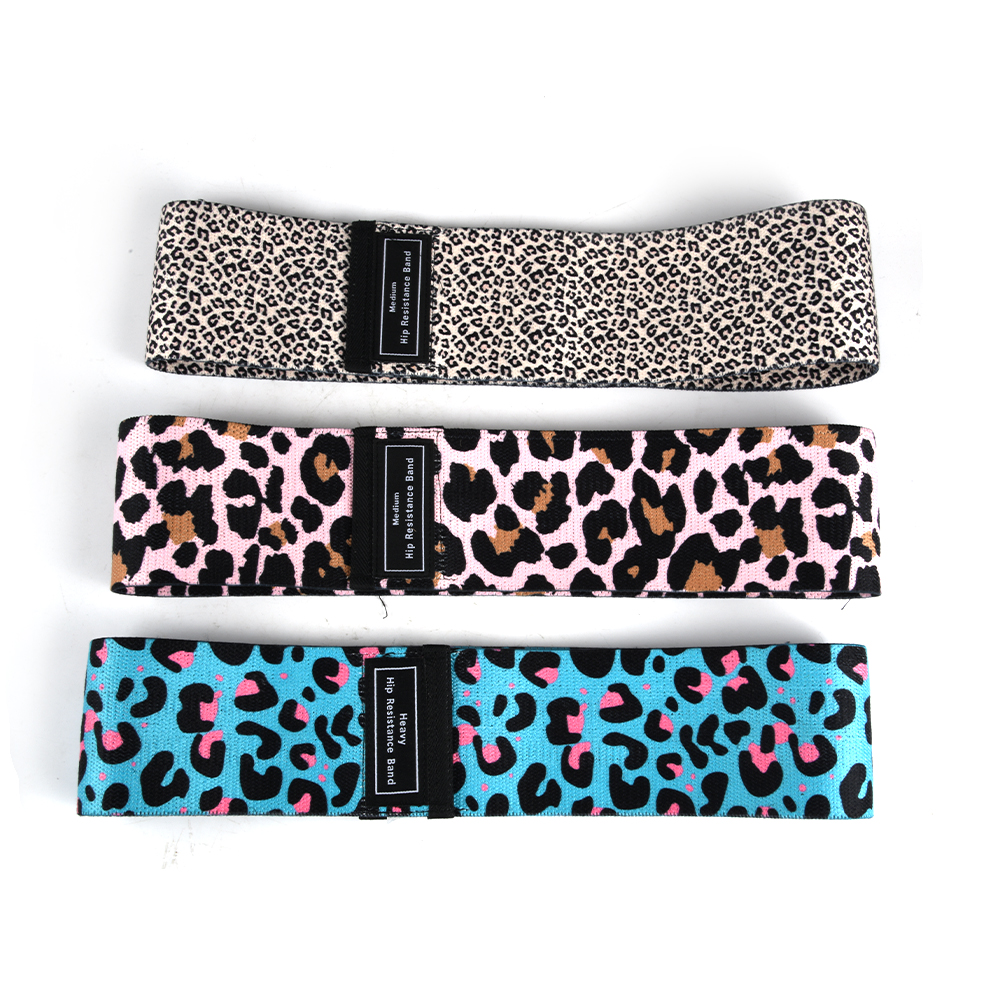
The private label fitness market has grown substantially over the past several years, and one product category standing out above many others is the hip band. Fitness entrepreneurs, gym owners, personal trainers, and e-commerce brand builders are all exploring whether a hip band program can anchor a private label product line. The answer, in short, is yes — and the reasons are both practical and strategic. A hip band is compact, affordable, highly versatile, and deeply connected to the most popular workout goals consumers pursue today, particularly glute training, leg strengthening, and low-impact mobility work.
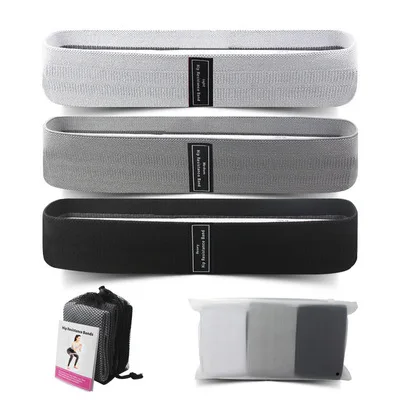
Understanding how a hip band fits into a private label strategy requires looking at product demand, customization flexibility, and the business model that makes branded fitness accessories sustainable. A well-designed hip band carries strong repeat purchase potential, broad demographic appeal, and a natural position within bundled fitness kits. This article explores exactly how a hip band product supports private label fitness businesses and what decision-makers should understand before committing to a branded program.
Market Demand Behind the Hip Band
Why Consumers Consistently Choose the Hip Band
Consumer demand for the hip band has remained strong across both online and offline fitness markets. The hip band targets the glutes, hips, and thighs — muscle groups that receive significant attention in modern training programs. Whether a customer is following a home workout routine, attending a boutique studio class, or training at a commercial gym, the hip band integrates naturally into warm-up sequences, resistance circuits, and recovery sessions. This broad usability makes the hip band a reliable product that sells across seasons and fitness trends.
From a private label perspective, consistent demand is a critical factor. A hip band does not rely on a single fitness trend to generate sales. Yoga practitioners use the hip band for activation and flexibility work. Strength trainers use the hip band to increase glute engagement during compound lifts. Rehabilitation clients use the hip band for low-resistance mobility exercises. This diversity of use cases means a branded hip band can appeal to multiple customer segments simultaneously, which lowers the risk for private label business owners.
The Role of Social Media in Hip Band Visibility
Social media platforms have significantly amplified interest in the hip band. Fitness influencers, personal trainers, and content creators regularly feature the hip band in workout videos, generating organic discovery for anyone building a brand around this product. A private label fitness business that enters this space with a well-branded hip band gains access to a highly visual and shareable product category. The hip band photographs well, films well in demonstration content, and communicates fitness value immediately to new audiences.
Customization Options That Make the Hip Band Brand-Ready
Fabric Quality and Resistance Level Differentiation
One of the strongest arguments for building a private label line around the hip band is the range of customization options available. A fabric hip band can be produced in multiple resistance levels — typically light, medium, and heavy — allowing a brand to offer a tiered product experience. Multi-level hip band sets are especially popular because they accommodate different fitness levels within a single purchase. This bundling approach increases average order value while delivering more utility to the customer.
Fabric construction also plays a meaningful role in hip band quality perception. A high-quality fabric hip band with a non-slip inner grip performs noticeably better than lower-quality alternatives. Customers who experience a well-made hip band during a workout immediately associate that quality with the brand. For private label businesses, selecting a hip band with premium fabric composition, reinforced stitching, and an effective grip layer is essential for building long-term brand trust and generating positive reviews.
Custom Branding on Every Hip Band
Custom logo placement on the hip band is standard practice among reputable manufacturers. A private label business can have its logo, brand name, and chosen color palette embedded directly into the hip band during production. This transforms a generic fitness accessory into a branded touchpoint that customers see and interact with during every workout. A branded hip band builds visual recognition over time and reinforces the fitness brand identity at the most personal level — during physical activity.
Packaging customization complements the branded hip band itself. Custom-designed packaging for a hip band set elevates the unboxing experience, which is especially important for e-commerce brands targeting gifting occasions or premium positioning. A hip band presented in quality packaging communicates professionalism and intention, both of which support price justification and customer retention.
Business Model Fit for the Hip Band
How the Hip Band Supports Multiple Sales Channels
A private label hip band fits comfortably across multiple sales channels without requiring complex logistics. E-commerce platforms are the most obvious channel, but a branded hip band also sells well through fitness studio retail, personal trainer client packages, subscription wellness boxes, and corporate wellness programs. Each channel represents a distinct audience, and the hip band appeals broadly enough to remain relevant across all of them. A private label business that distributes a hip band across several channels diversifies its revenue base and reduces dependence on any single platform.
Order minimums for private label hip band production are generally accessible for small and medium-sized businesses. Many manufacturers accept orders starting at a few hundred units, making the hip band an entry point product for new brands that want to test the market before scaling. This low barrier to entry allows fitness entrepreneurs to launch a branded hip band line without significant upfront capital commitment, test their audience response, and grow production volume based on real sales data.
Long-Term Value and Repeat Purchase Potential
The hip band is a consumable-adjacent product in the sense that customers naturally replace or upgrade their hip band over time. Resistance bands wear down with consistent use, and customers who trust a brand's hip band quality tend to repurchase from that same brand. This repeat purchase behavior is a significant advantage for private label businesses because it supports customer lifetime value without requiring constant new customer acquisition. A business that builds loyalty around its hip band product creates a sustainable revenue stream rooted in genuine product satisfaction.
Bundling a hip band with complementary accessories such as resistance loops, ankle straps, or workout guides is another strategy that increases per-transaction value. A curated fitness kit built around the hip band gives customers a complete training solution while positioning the private label brand as a thoughtful, knowledgeable resource rather than a simple reseller. This positioning difference matters significantly in competitive fitness markets where differentiation drives long-term growth.
FAQ
What minimum order quantity is typical for a private label hip band program?
Minimum order quantities for a private label hip band vary by manufacturer, but many suppliers accept initial orders of 200 to 500 units per style or resistance level. Some manufacturers offer lower minimums for sample testing before full production. It is advisable to confirm MOQ terms directly with your chosen supplier and factor in packaging minimums separately, as custom packaging for a hip band set may carry its own minimum requirement.
Can a hip band be sold across different fitness niches under the same brand?
Yes. The hip band is versatile enough to appeal to yoga practitioners, strength trainers, rehabilitation clients, and general fitness consumers. A single private label hip band design can be positioned differently depending on the channel — emphasizing glute activation for gym audiences, mobility support for yoga audiences, or gentle resistance for rehabilitation settings. This flexibility allows a brand to reach multiple segments with one core product while maintaining consistent branding across all communications.
How does hip band quality affect private label brand reputation?
Product quality has a direct impact on brand reputation in the private label fitness space. A hip band that rolls, slides, or loses elasticity quickly generates negative reviews and reduces repeat purchases. Conversely, a durable, well-constructed hip band with a reliable non-slip grip builds trust and encourages word-of-mouth referrals. Before committing to a production run, requesting samples and conducting wear tests under realistic workout conditions is strongly recommended to ensure the hip band meets the standard your brand needs to sustain credibility.