 EN
EN


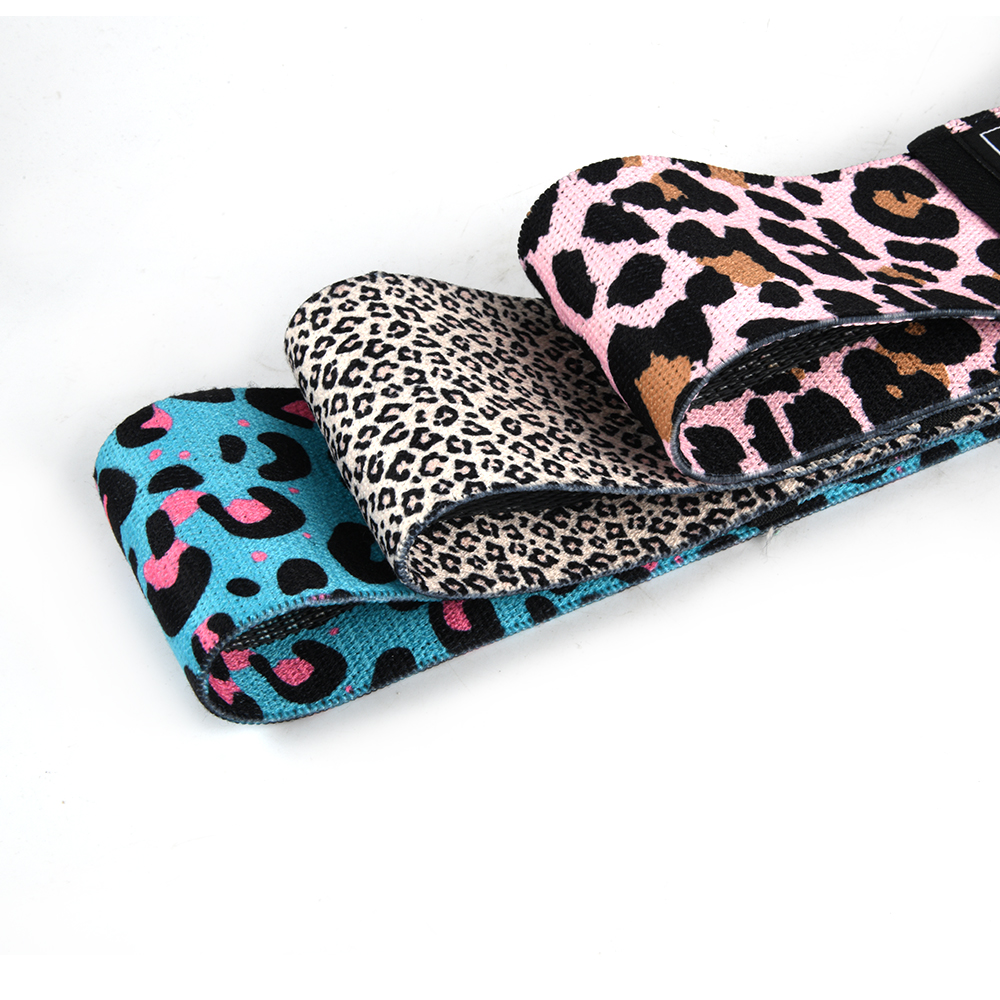
The home fitness industry has seen a dramatic shift in how people train, and the hip band has emerged as one of the most talked-about tools in that transformation. Once considered a niche accessory, the hip band is now a staple in millions of home gyms, fitness routines, and online workout programs. Understanding why this small but powerful tool has reached trending status requires a closer look at the forces shaping modern fitness behavior and the specific value a hip band delivers.
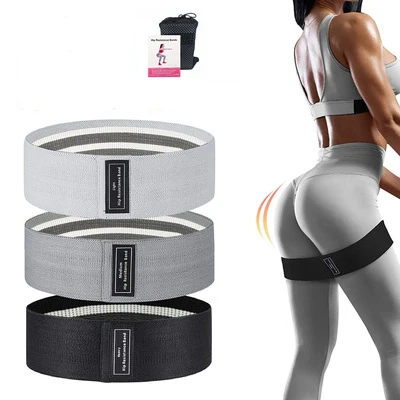
Whether you are a fitness enthusiast, a home gym builder, or a wholesale buyer sourcing equipment for resale, the hip band trend reflects something significant about where consumer demand is heading. The hip band is no longer a novelty. It is a proven, accessible, and highly effective training tool that continues to gain momentum across demographics and fitness levels.
The Rise of Home Training and the Role of the Hip Band
Shifting Fitness Habits After the Pandemic
The global shift toward home-based fitness created enormous demand for compact, affordable equipment. As gym closures pushed millions of people to train at home, the hip band became one of the most practical solutions available. A hip band requires no machines, no large footprint, and no complex setup. It delivers targeted resistance that traditional bodyweight workouts cannot replicate on their own. This accessibility made the hip band a natural choice for home trainers at every level.
The sustained growth in home fitness has not reversed even as gyms have reopened. Consumers now prefer the flexibility of training at home, and the hip band continues to support that lifestyle. Because a hip band is lightweight, portable, and durable, it fits into routines that demand convenience without sacrificing effectiveness. The hip band became a symbol of the new home gym mindset.
Social Media and the Hip Band Phenomenon
Social media platforms played a critical role in accelerating the hip band trend. Fitness creators and influencers began showcasing hip band workouts that were visually engaging, easy to follow, and produced visible results. When viewers saw real progress from consistent hip band training, they quickly added the tool to their own routines. The hip band became associated with glute development, lower body strength, and functional movement, all of which are highly searched fitness goals.
The visual nature of hip band exercises made them ideal content for short-form video platforms. A hip band workout is easy to demonstrate and easy to follow, which lowered the barrier to entry for new users. As more people shared their hip band results, the demand curve continued to rise. This organic content cycle elevated the hip band from a gym accessory to a mainstream fitness product.
What Makes the Hip Band Effective for Lower Body Training
Targeted Resistance for Glute Activation
The core appeal of the hip band lies in its ability to activate the glute muscles in ways that bodyweight exercises alone often fail to do. When placed around the thighs or just above the knees, a hip band creates lateral resistance that forces the hip abductors, glute medius, and glute maximus to engage more deeply. This targeted activation is what drives the effectiveness of hip band training for lower body development.
A hip band made from anti-slip fabric maintains its position during dynamic movements, which is essential for consistent muscle engagement throughout a set. When the hip band stays in place, every repetition counts. This reliability is one of the key reasons fitness professionals recommend the hip band for warm-ups, activation routines, and full workouts alike. The hip band delivers precise, repeatable resistance that complements a wide range of exercises.
Versatility Across Exercise Types
Another reason the hip band has gained such wide adoption is its versatility. A single hip band can be used in squats, lateral band walks, glute bridges, clamshells, donkey kicks, and many other movements. This range means one hip band can replace several types of gym equipment for lower body training. For home fitness users who want maximum results from minimal gear, the hip band is an ideal investment.
Hip band sets offered in multiple resistance levels allow users to progress over time, which adds long-term training value. A beginner can start with a lighter hip band and advance to heavier resistance as strength improves. This built-in progression structure is exactly what home gym users need. The hip band supports both introductory fitness goals and advanced athletic conditioning within a single product category.
Why the Hip Band Is a Strong Opportunity in the Wholesale Market
High Consumer Demand Meets Low Fulfillment Complexity
From a wholesale and B2B perspective, the hip band represents a highly favorable product profile. Consumer demand is strong and consistently growing. The hip band is compact, easy to ship, and cost-effective to produce in volume. For fitness retailers, e-commerce sellers, and gym equipment distributors, adding the hip band to their product catalog requires relatively low logistical overhead compared to heavy equipment. The hip band delivers strong sales velocity with manageable inventory requirements.
Wholesale buyers sourcing a hip band set in multiple resistance levels can serve a broad customer base with a single SKU family. The hip band appeals to beginners, intermediate users, and advanced athletes, which expands the total addressable market for every seller. As home fitness continues to grow as a long-term category, the hip band remains one of the most reliable and repeatable products in the space.
Private Label and Customization Potential
The hip band also offers strong branding and customization potential for wholesale buyers. Fabric hip band products can be produced with custom colors, logos, resistance ratings, and packaging. This allows brands to differentiate their hip band offering in a competitive market. A well-branded hip band set builds customer loyalty and creates repeat purchase cycles, especially when the quality of the hip band consistently meets user expectations.
For fitness brands looking to build product lines around functional home training, the hip band is an ideal anchor product. It pairs naturally with other resistance accessories, creating bundle opportunities that increase average order value. The hip band category rewards both quality investment and smart product positioning.
FAQ
What is the best way to use a hip band for glute training?
The most effective approach is to place the hip band just above the knees and perform exercises such as glute bridges, squats, and lateral walks. Using the hip band consistently during warm-ups activates the glutes before heavier training and improves overall lower body performance over time.
How do I choose the right resistance level for a hip band?
Beginners should start with a lighter hip band that allows controlled movement without breaking form. As strength improves, progressing to a medium or heavy hip band ensures continued muscle challenge. Most hip band sets include three resistance levels to support this natural progression.
Why is fabric preferred over latex for a hip band?
Fabric hip band products offer superior grip, comfort, and durability compared to standard latex versions. An anti-slip fabric hip band stays in place during dynamic movements, which prevents rolling and maintains consistent resistance throughout each exercise. This makes the fabric hip band a preferred choice for serious home trainers.